
You are sourcing marine angle steel for a new ship. The client’s plans specify “ABS Grade AH36.” Your mill offers “CCS Grade AH36.” Are they the same? Choosing the wrong grade can fail a class survey and delay your project.
Marine angle steel grades from CCS, ABS, and LR follow similar letter (A, B, D, E, AH, DH, EH) and number (32, 36, 40) systems to indicate strength and toughness. The key differences lie in the specific chemical composition limits, testing requirements, and certification procedures mandated by each Classification Society.
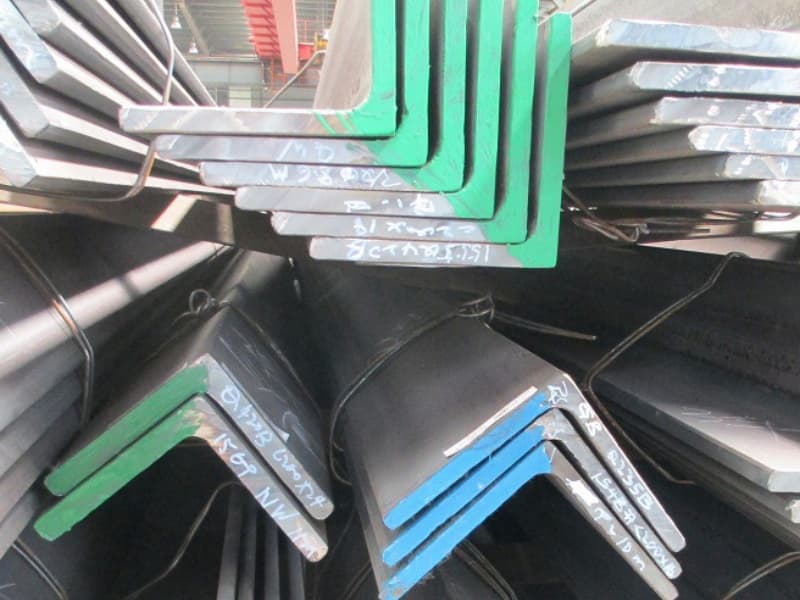
Understanding these grades is crucial for compliance. The system may seem confusing at first, but it follows a clear logic. Let’s break down the grading systems and see how these major societies compare.
What are the grades of marine steel plates?
A shipbuilder looks at a steel plate specification sheet. They see grades like “A”, “D”, “AH36”, and “FH40”. These are not random letters. They are a code that tells you the steel’s strength and its performance in cold temperatures.
Marine steel plate grades are standardized categories set by Classification Societies1. They define the steel’s yield strength2 (e.g., 235, 355, 390 MPa) and impact toughness3 at low temperatures. Common grades include normal strength (A, B, D, E) and high strength (AH, DH, EH, FH) with numbers indicating yield strength2 like 32, 36, 40.
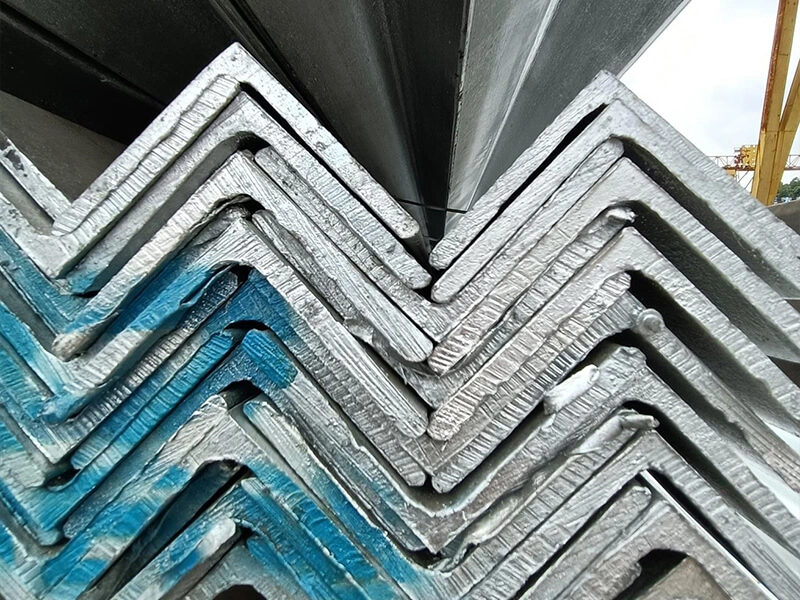
Let’s decode this system. It applies to plates and also to sections like angle steel and bulb flats.
Decoding the Marine Steel Grade System
The grade naming convention is a smart shorthand. Once you understand the pattern, you can read a grade like a simple data sheet.
The Two Main Categories: Normal Strength and High Strength Steel
First, marine structural steel is split into two big families.
-
Normal Strength Steel: This is the most common type for many parts of a ship. The grades are marked with single letters: A, B, D, and E.
- Yield Strength: All normal strength steel4s have a minimum yield strength2 of 235 MPa. The letter does not change the strength level.
- The Letter Indicates Toughness: The letter tells you the temperature at which the steel must still be tough (resist brittle fracture).
- Grade A: No required Charpy V-Notch impact test. It is for general use where low-temperature toughness is not a critical concern.
- Grade B: Requires impact testing at 0°C.
- Grade D: Requires impact testing at -20°C.
- Grade E: Requires impact testing at -40°C.
- Simple Rule: As you go from A to E, the steel is suitable for colder service environments.
-
High Strength Steel: This steel is stronger and used where weight saving or higher stress is needed. Grades are marked with letters and numbers, like AH32, DH36, EH40.
- The Letters (A, D, E, F): They have the same meaning as in normal strength steel4. They indicate the temperature for impact testing.
- AH/DH/EH/FH: ‘H’ stands for "High" strength. The first letter (A, D, E, F) still indicates the test temperature (0°C, -20°C, -40°C, -60°C).
- The Numbers (32, 36, 40): This is the key difference. The number indicates the minimum yield strength2 in kgf/mm². To get MPa, you multiply by ~10.
- 32 = 315 MPa yield strength2
- 36 = 355 MPa yield strength2
- 40 = 390 MPa yield strength2
- Example: DH36 means: High Strength steel, impact tested at -20°C, with a minimum yield strength2 of 355 MPa.
- The Letters (A, D, E, F): They have the same meaning as in normal strength steel4. They indicate the temperature for impact testing.
How This Applies to Angle Steel
This plate grading system is directly used for rolled sections like marine angle steel. When you order "ABS AH36 Angle Steel 150x150x12mm", you are ordering a high-strength angle with 355 MPa yield, suitable for service temperatures down to 0°C.
Here is a summary table for quick reference:
| Grade Category | Grade Example | Min. Yield Strength | Key Feature (Impact Test Temp) | Typical Use |
|---|---|---|---|---|
| Normal Strength | A, B, D, E | 235 MPa | Toughness at 0°C, -20°C, -40°C | Internal structures, non-critical hull areas. |
| High Strength | AH32, DH36, EH40 | 315, 355, 390 MPa | Strength + Toughness at defined low temps. | Deck plating, hatch covers, high-stress areas. |
This system is largely consistent across CCS, ABS, and LR. The core principles are the same. The main differences are in the fine details of chemical limits and test procedures, which we will explore next.
What is ABS grade steel1?
A project manager in the Philippines receives a quote. The supplier states the steel is "ABS Grade". The manager knows this is important, but what does it truly mean beyond the letters on a certificate?
ABS grade steel1 is structural steel produced, tested, and certified according to the strict rules of the American Bureau of Shipping (ABS). It carries the ABS stamp and a unique grade (like AH36) that guarantees its mechanical properties and chemical composition are approved for marine use.
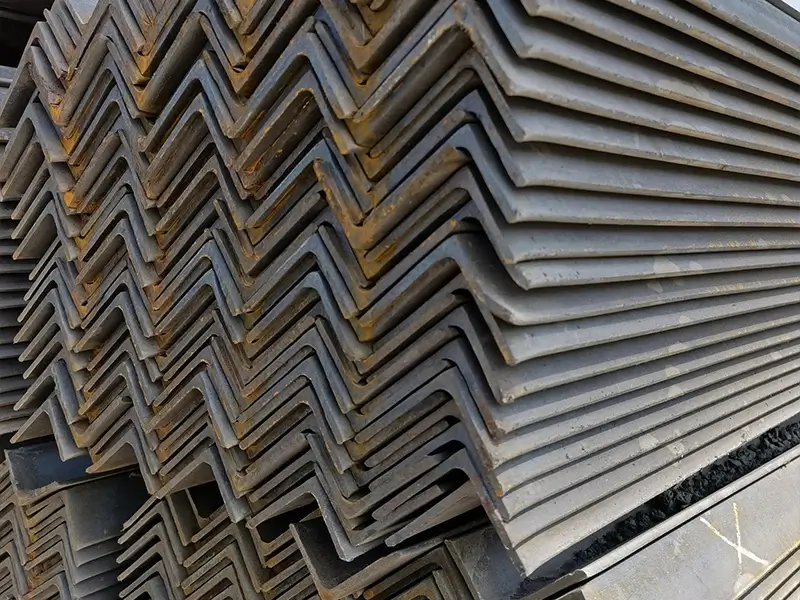
ABS is one of the world’s leading classification societies. Their "grade" is a badge of quality with specific requirements.
The ABS Certification Ecosystem
Saying steel is "ABS Grade" involves a whole system, not just a final check.
It Starts with Mill Approval
A mill cannot just produce "ABS steel." They must first be approved by ABS.
- Survey and Audit: ABS surveyors visit the mill. They audit the entire production process. They look at the steelmaking, rolling, heat treatment, testing labs, and quality management system.
- Type Approval: The mill submits its specific steel grades (like its recipe for AH36) for review. ABS engineers check the chemical composition and mechanical property ranges.
- Result: If successful, the mill receives an ABS Certificate of Works Approval2. This is the mill’s license to produce ABS-grade materials. We only work with mills that hold such valid certificates.
Ongoing Production and Testing
When the mill produces a heat of ABS-grade steel, they must follow ABS rules.
- Witnessed Testing: For certain certificate types (like 3.1/3.2), an ABS surveyor or the mill’s ABS-authorized quality personnel must witness the sampling and testing.
- Strict Test Procedures: The methods for tensile tests, impact tests, and chemical analysis must follow ABS prescribed standards.
- The Mill Test Certificate3: The final MTC will prominently state "ABS Rules" and the grade (e.g., "ABS Grade AH36"). It is a legal document under ABS oversight.
The Grade Specification Itself
The ABS rulebook (Part 2, Chapter 1) defines exactly what "AH36" means.
- Chemical Composition4: ABS sets maximum limits for elements like Carbon, Manganese, Silicon, Phosphorus, and Sulfur. For example, the max Sulfur (S) content is typically 0.035% for most grades. This ensures good weldability.
- Mechanical Properties: It defines the minimum Yield Strength (ReH), Tensile Strength (Rm), and Elongation (A%). For AH36, Yield Strength must be ≥ 355 N/mm².
- Impact Toughness5: It specifies the Charpy V-Notch test temperature and minimum absorbed energy. For AH36, tests are at 0°C.
What "ABS Grade" Means for You, the Buyer
When you purchase ABS-grade marine angle steel, you are buying into this system of assurance.
- Traceability: Each piece can be traced back to a certified mill and a specific, tested heat.
- Project Acceptance: Shipyards and fabricators building to ABS class can confidently use this steel. The surveyor will accept the ABS MTC.
- Consistency: The rules ensure that ABS AH36 from Mill A in China has the same core properties as ABS AH36 from Mill B elsewhere.
In essence, "ABS Grade" is a promise backed by a globally respected system of standards, audits, and certifications.
What are the grades of ship building steel?
A new ship design requires steel for the hull, deck, and internal frames. The naval architect selects different grades for different locations. Why use expensive EH40 for one part and simple Grade A for another?
The grades of shipbuilding steel1 are a selection of normal strength (A, B, D, E) and high strength (AH, DH, EH, FH with numbers 32, 36, 40) grades defined by Classification Societies2. They are chosen based on the required strength, thickness, and service temperature of the specific ship part.
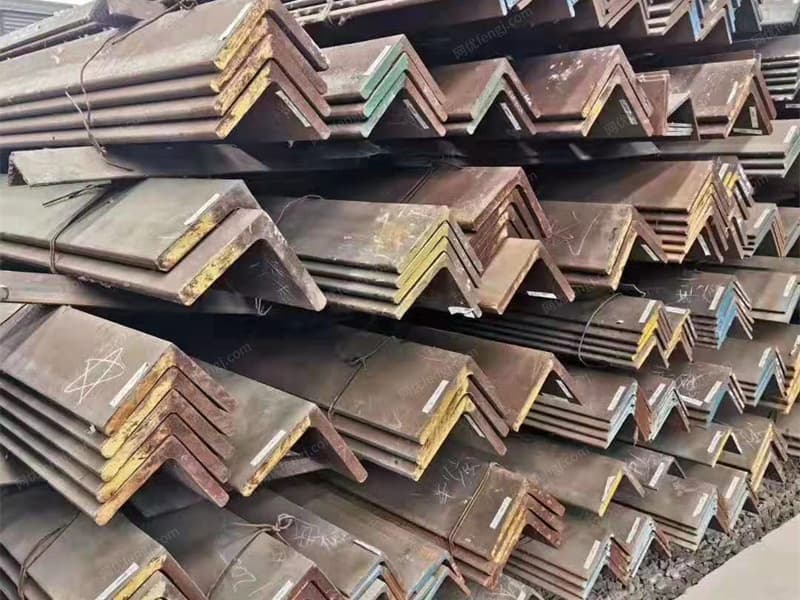
Selecting the right grade is a balance of safety, cost, and weight. Let’s see how grades are applied in a real ship.
Grade Selection in Ship Design and Construction
Shipbuilders do not use one grade for the entire vessel. They create a "steel grade plan3" based on classification rules.
The Rule-Driven Selection Process
Classification societies like CCS, ABS, and LR have rules that guide grade selection. The main factors are:
-
Location on the Ship: Areas subject to high stress have different requirements.
- Midship Deck and Bottom: These areas experience the highest bending stresses. They often require high-strength steel4 (like AH36/DH36) to reduce plate thickness and save weight while maintaining strength.
- Shell Plating: The outer hull. Depending on the zone and water temperature, it may use Grade D, E, or high-strength equivalents for good toughness.
- Internal Framing, Bulkheads: Less critically stressed areas often use normal strength steel5 (Grade A or B). This is a cost-effective choice.
-
Plate Thickness: A key rule is that thicker plates are more prone to brittle fracture6. Therefore, classification rules mandate higher toughness grades (D, E, DH, EH) as the plate thickness increases, even for the same location.
-
Service Temperature (Sea Water Temperature): Ships sailing in Arctic routes need steel that stays tough at very low temperatures. This mandates Grade E, EH, or even FH grades. A ship in tropical waters might use more Grade B or AH steel.
A Practical Example: Building a Container Ship
Let’s imagine the steel grade plan3 for a large container ship:
- Upper Deck (Critical, high stress): DH36 high-strength steel4. This gives 355 MPa yield strength and good toughness at -20°C. It allows for a strong but relatively light deck structure.
- Bottom Shell (Critical, cold water contact): EH36 or EH40. This provides high strength and excellent toughness at -40°C to handle cold seawater and high stress.
- Side Shell (Moderate stress): AH36 or DH32. Balances strength and toughness requirements.
- Internal Decks, Non-critical Bulkheads: Grade A or Grade B normal strength steel5. This is a cost-saving measure where high strength is not needed.
- Hatch Coamings, Critical Connections: Often DH or EH grades for a combination of strength and toughness.
The Role of Angle Steel and Sections
Marine angle steel, bulb flats, and L-shaped steel are used for frames, stiffeners, and brackets. They typically follow the same grade logic as the plate they are attached to.
- A frame supporting a DH36 deck plate will likely be made from DH36 angle steel.
- A stiffener on a Grade B bulkhead might be made from Grade B angle steel.
This strategic use of grades optimizes the ship’s safety, performance, and construction cost. It shows why understanding grades is essential not just for purchasing, but for understanding the shipbuilding process itself.
What is the difference between Grade A and Grade B ABS?
You are reviewing a material list. For some brackets, the plan calls for "ABS Grade A1" angle steel. For others, it requires "ABS Grade B2." The two cost about the same. So why specify two different grades?
The main difference between ABS Grade A1 and Grade B steel is the requirement for impact toughness testing3. Grade A has no mandatory Charpy V-Notch impact test4. Grade B must be impact tested at 0°C to prove it resists brittle fracture5 at that temperature.
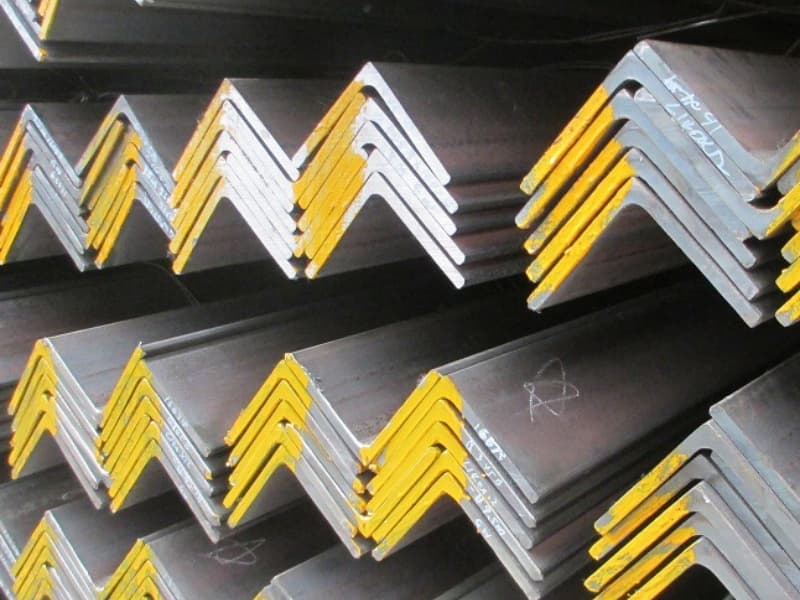
This difference, while seemingly small, has important implications for application and safety.
A Detailed Look at the A vs. B Distinction
Both Grade A and Grade B are normal strength steels with a 235 MPa minimum yield strength6. The divergence is all about guaranteed toughness.
Chemical Composition: Nearly Identical
Looking at the ABS rules, the chemical composition limits for Grade A and Grade B are generally the same for standard thicknesses. The maximum levels for Carbon, Manganese, Phosphorus, and Sulfur are identical. This means their basic weldability and strength from chemistry are equivalent.
Mechanical Properties: The Same Strength
The tensile requirements are the same:
- Yield Strength (ReH): ≥ 235 N/mm²
- Tensile Strength (Rm): 400-520 N/mm²
- Elongation: Minimum percentage based on the test sample.
So, a piece of Grade A and a piece of Grade B will have the same strength in a standard tensile test.
The Critical Divider: Impact Toughness Testing
This is where the specification changes.
- ABS Grade A1: The rules do not require a Charpy V-Notch impact test4. The steel’s toughness at low temperatures is not formally guaranteed by test data. It is considered suitable for "general purpose" use where significant dynamic loading or low-temperature service is not a concern.
- ABS Grade B2: The rules mandate that the steel is Charpy V-Notch impact test4ed. The test must be conducted at 0°C (32°F). The steel must achieve a minimum average absorbed energy value (for example, 27 Joules for thicknesses ≤50mm). This test proves the material can absorb energy and resist brittle cracking at freezing temperatures.
Why Does This Matter? The Application Guide
The choice between A and B is a choice about risk and application environment.
-
Use ABS Grade A1 for:
- Internal structures not subject to primary stress.
- Non-critical brackets, platforms, and ladders inside the ship’s heated or temperate zones.
- Applications where the operating temperature is always well above 0°C.
- It is a cost-effective choice where the extra testing of Grade B provides no real safety benefit.
-
Use ABS Grade B2 for:
- Structures exposed to the weather or cold seawater, even if not highly stressed.
- External platforms, minor hull stiffeners in non-critical areas.
- Any application where the material temperature7 might drop to near freezing, to prevent potential brittle fracture5 from impact or shock loading.
- It provides a documented margin of safety against brittle failure for a small additional cost (primarily for testing).
Decision Table for Fabricators:
| Consideration | ABS Grade A1 | ABS Grade B2 |
|---|---|---|
| Yield & Tensile Strength | 235 MPa / 400-520 MPa | 235 MPa / 400-520 MPa |
| Charpy Impact Test | Not Required | Required at 0°C |
| Guaranteed Toughness | Not formally guaranteed for low temperature. | Guaranteed at 0°C. |
| Typical Cost | Slightly lower (no impact test cost). | Slightly higher. |
| Best Used For | Internal, non-critical, warm environment parts. | External, secondary, or potentially cold environment parts. |
For shipbuilders and fabricators, understanding this difference helps optimize material costs without compromising on rules or safety. You use the right grade for the right job.
Conclusion
Choosing the correct marine angle steel grade is fundamental. Understanding the CCS, ABS, and LR systems ensures your project meets class requirements, stays on budget, and maintains the highest safety standard.
-
Explore this link to understand the properties and applications of ABS Grade A steel, crucial for making informed material choices. ↩ ↩ ↩ ↩ ↩ ↩ ↩ ↩ ↩
-
Learn about ABS Grade B steel’s specifications and benefits, especially its impact toughness, essential for safety in cold environments. ↩ ↩ ↩ ↩ ↩ ↩ ↩ ↩ ↩ ↩ ↩ ↩ ↩ ↩
-
Discover the importance of impact toughness testing in steel materials, ensuring safety and performance in various applications. ↩ ↩ ↩ ↩ ↩
-
This resource will explain the Charpy V-Notch impact test, a key factor in determining steel’s resistance to brittle fracture. ↩ ↩ ↩ ↩ ↩ ↩ ↩ ↩
-
This resource will help you understand brittle fracture, its causes, and how to prevent it in steel applications. ↩ ↩ ↩ ↩ ↩
-
Understanding yield strength is vital for selecting the right materials; this link provides comprehensive insights into the concept. ↩ ↩
-
Learn how temperature influences material properties, which is crucial for selecting the right steel grade for specific environments. ↩