
When you buy marine angle steel from far away, quality problems can hide. Distance makes it hard to see what you get until it arrives.
Snippet paragraph:
Quality risks in overseas angle steel sourcing come from information gaps, unclear specifications, and limited oversight. Buyers can manage these risks by vetting suppliers thoroughly, confirming standards, and using third-party inspections to verify quality before shipment.
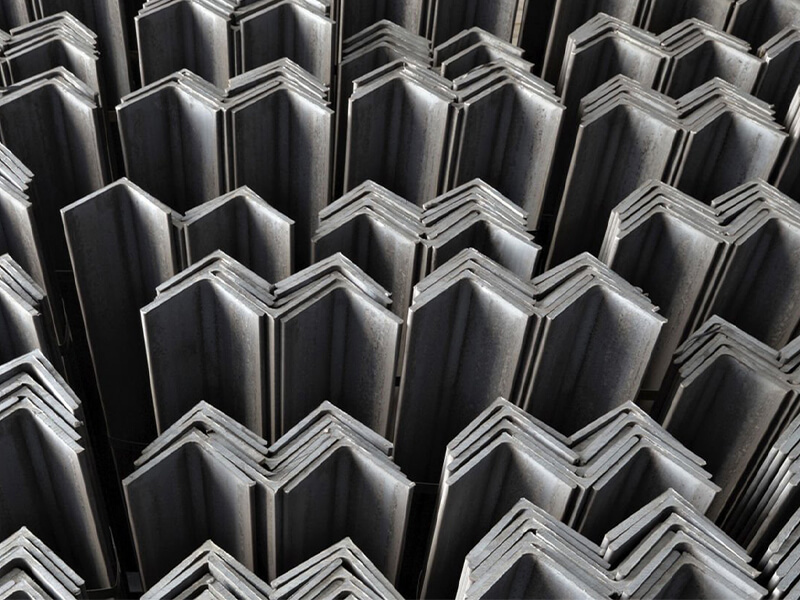
You might think a steel angle is just a steel angle. But when it goes into a ship, small defects can cause big failures. Let me walk you through how we handle these risks every day.
The Information Gap: Why Distance Magnifies Quality Risks in Angle Steel Sourcing?
You sit in your office, thousands of miles away from the mill. You place an order, pay a deposit, and wait. That silence during production is where problems grow.
Snippet paragraph:
Distance hides daily production issues, material inconsistencies1, and workmanship errors. Without direct oversight, overseas buyers rely on trust, but trust alone does not guarantee that every batch meets marine standards2.
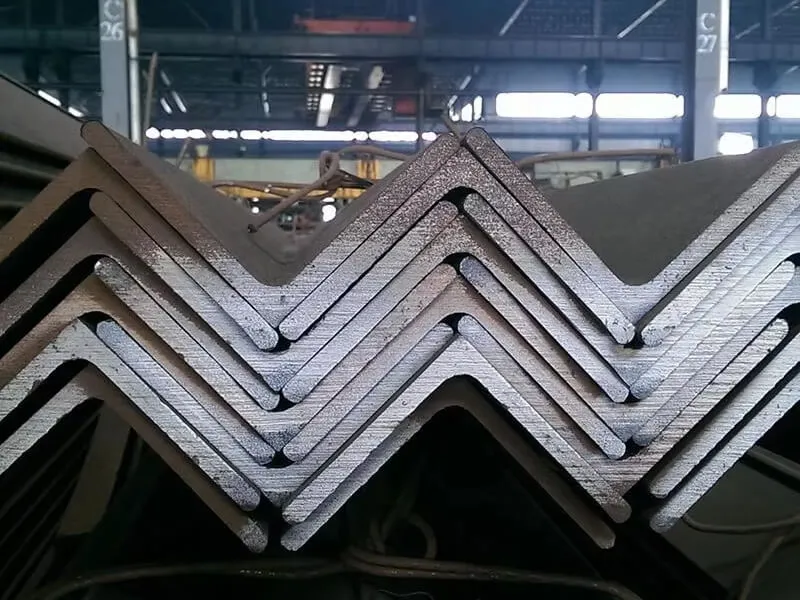
How Information Gets Lost Across Borders
When you source from another country, you lose the small details. The mill might switch to a different steel grade because they ran out of the specified one. They think it is close enough. But in marine construction, close is not safe.
I remember a buyer from Malaysia who ordered angle steel for a fishing boat. He specified Grade A marine steel. The mill sent Grade B because it was cheaper and they had stock. The buyer did not know until the steel arrived and the certificates were wrong. He had to return it, losing two months.
Common Information Gaps and Their Impact
Here is a table that shows what usually gets lost and what it costs you:
| Information Gap | What Happens | Impact on Your Project |
|---|---|---|
| Mill production changes | Mill substitutes material without telling you | Steel may fail strength tests |
| Surface treatment details | Rust protection is lighter than agreed | Corrosion starts during shipping |
| Dimensional tolerances | Angles are slightly bent or twisted | Fit-up problems in fabrication |
| Packing standards | Steel is poorly bundled and shifts | Damage during unloading |
| Test certificate accuracy | Paperwork shows wrong heat numbers | Customs or classification society rejects |
Every gap adds risk. The only way to close them is to ask for proof at every step. We learned this the hard way years ago when a client in Qatar rejected a whole container because the paint thickness was 10 microns less than specified. Now we send daily photos and videos during production.
Supplier Vetting: Red Flags and Green Lights When Screening Overseas Mills?
How do you know a mill is good before you send money? You look for signals, both good and bad. Over the years, I have developed a checklist that helps me spot trouble early.
Snippet paragraph:
Red flags include vague certifications1, no third-party audit history2, and unwillingness to share test reports. Green lights are clear certifications like ABS or DNV, willingness to accept SGS inspection, and transparent communication with English-speaking staff3.
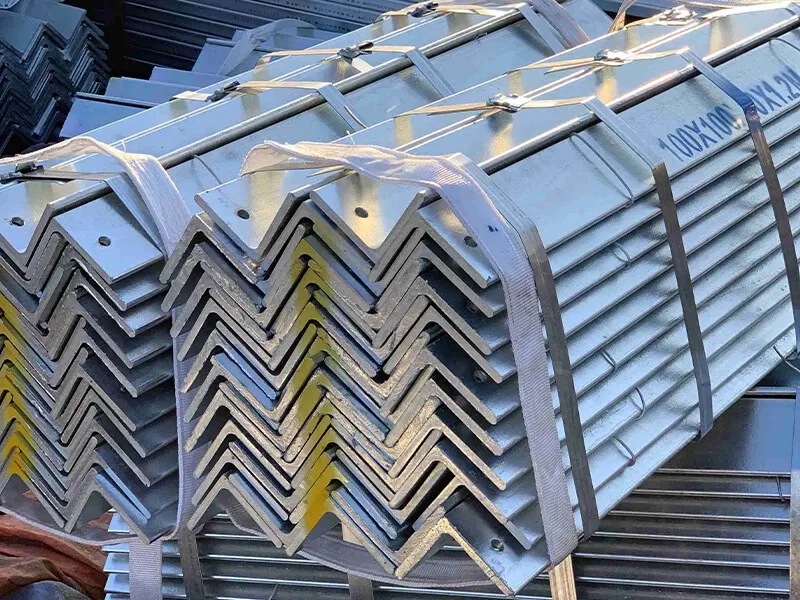
Red Flags That Warn You to Walk Away
Not all mills are the same. Some will say anything to get your order. Then they deliver something else. Here are signs that a supplier might cause problems:
- Vague about mill source: They say they work with many mills but cannot name them. This usually means they buy from the cheapest spot market.
- No independent audits: If they refuse to let a third party like SGS or Lloyd’s register visit, they have something to hide.
- Too many promises: They guarantee everything but have no samples or references to back it up.
- Poor communication: Emails take days, and answers are unclear. If they cannot talk now, they will not help when a problem comes.
Green Lights That Show a Reliable Partner
On the other side, some mills make you feel safe. You know they care about quality because they show it:
- Recognized certifications: They hold certificates from ABS, DNV, BV, or other classification societies. These are not easy to get.
- Open to inspection: They welcome SGS or other third-party checks during production and before loading.
- English-speaking staff: They have a dedicated person who answers your questions fast. This was a key reason Gulf Metal Solutions chose us—they said we replied within two hours every time.
- Consistent references: They share contact details of long-term buyers who will vouch for them.
I once visited a mill in northern China that had all the right papers, but the workshop was messy and workers did not wear safety gear. That was a red flag. A clean, organized mill usually means they pay attention to details. We only partner with mills that keep their shops tidy and their records clear.
Specification Lost in Translation: Preventing Misinterpretation of International Standards?
You write ASTM A131 Grade A on the PO. The mill reads it and thinks they know what you need. But standards have small details that change everything.
Snippet paragraph:
Misinterpretation happens when buyers assume standards are universal and mills assume they understand without asking. Clear communication of specific requirements, like chemical composition1 and mechanical properties2, prevents costly mismatches.
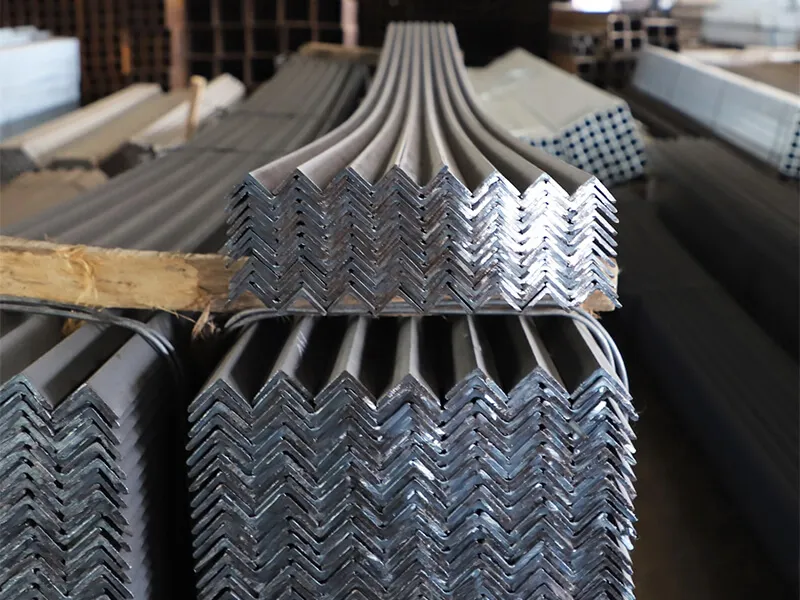
Why Standards Are Not Always Clear
International standards like ASTM, JIS, or GB are long documents. Most mills know the main points, but they might skip the parts that matter to you. For example, ASTM A131 covers many grades. If you only write "ASTM A131," the mill might pick the cheapest grade that fits that broad category. But you need Grade AH36 for high strength.
I had a client in Romania who ordered angle steel for a barge. He specified "marine grade." The mill sent material that met chemical requirements but failed the impact test at low temperatures. The steel was fine for warm waters, but the barge operated in the Black Sea where winter temperatures drop. The steel became brittle. We had to replace the whole order.
How to Make Sure Everyone Understands
To avoid this, we now use a checklist when we write specifications:
| Specification Element | Common Mistake | How to Prevent It |
|---|---|---|
| Grade | Only writing the standard number | Add full grade name, e.g., "ASTM A131 Grade AH363" |
| Dimensions | Listing only leg size and thickness | Include tolerance range, e.g., "Length: 6000mm +50/-0mm" |
| Mechanical properties | Assuming standard values are enough | State required yield strength and impact test temperature |
| Surface finish | Not specifying | Say "primed with zinc-rich epoxy, 80 microns dry film thickness" |
| Marking | Leaving it blank | Require stenciling with heat number and grade on each piece |
We also send a clear drawing with every order. Pictures help more than words. And we ask the mill to confirm back in writing that they understand every point. If they have questions, we answer immediately. This back-and-forth catches problems before steel is cut.
Remote Inspection Strategies: Leveraging Third-Party Agencies and Digital Verification?
You cannot fly to China every time you order steel. But you still need to know the quality is right. Remote inspection1 is the answer, and it works if you do it right.
Snippet paragraph:
Remote inspection uses third-party agencies2 and digital tools3 like live video to verify quality. Buyers can watch key stages, from raw material checks to final packing, without leaving their office. This saves time and money while keeping control.
Third-Party Agencies Are Your Eyes
Agencies like SGS, Bureau Veritas, or Lloyds Register have inspectors all over China. They go to the mill, check the steel against your specifications, and send a report. You pay a fee, but it is small compared to the cost of bad steel.
We always offer SGS inspection support to our buyers. Some say yes, some say no. The ones who say yes never have surprises. The ones who say no sometimes call us later with problems. I remember a buyer in Pakistan who trusted the mill’s own inspection. The steel arrived with rust pits because the mill stored it outside in the rain. The mill blamed the shipping. Without a third-party report, it was his word against ours. We helped him resolve it, but he lost two weeks.
Digital Verification Adds Daily Visibility
Third-party inspection usually happens at the end. But what about during production? Digital tools fill that gap:
- Live video calls: We schedule weekly video walks through the production line. Buyers see their steel being rolled.
- Photo updates: We take photos of each batch with a timestamp and send them by email or WeChat.
- Test result sharing: We scan and send mill test certificates as soon as they are ready, so buyers can check them against the order.
Here is a comparison of inspection methods:
| Method | Cost | Timing | What You See | Reliability |
|---|---|---|---|---|
| Third-party agency | Moderate | Pre-shipment | Final product, random sampling | High |
| Live video | Low | During production | Production process, real-time | Medium |
| Supplier photos | Free | Daily | What supplier chooses to show | Low |
| Your own visit | High | Once | Full mill operation | Very high |
For most buyers, a mix works best. Use video during production to catch early issues, then a third-party inspector before loading to confirm everything. This combination saved a client in Mexico last year. During a video call, we noticed the steel was being stored without covers. We asked the mill to move it inside before rust started. The inspector later confirmed the steel was clean.
Conclusion
Managing quality risks in marine angle steel sourcing means closing information gaps, vetting suppliers carefully, clarifying specifications, and using remote inspection tools. These steps protect your project and your reputation.
-
Explore this link to understand how remote inspection can enhance quality control and save costs. ↩ ↩ ↩ ↩
-
Learn how third-party agencies like SGS and Bureau Veritas can provide reliable quality assurance. ↩ ↩ ↩ ↩
-
Discover the latest digital tools that facilitate remote inspections and improve visibility during production. ↩ ↩ ↩