
Walking along the shipyard, I see steel beams everywhere. Some shine under the sun, while others show rust spots. This made me think about a common question my clients ask.
Marine angle steel is the better choice for shipbuilding and coastal structures because it offers superior corrosion resistance. While L-shaped steel has general uses, marine-grade angle steel is specifically designed to withstand harsh saltwater environments. It lasts longer and performs better near the sea.
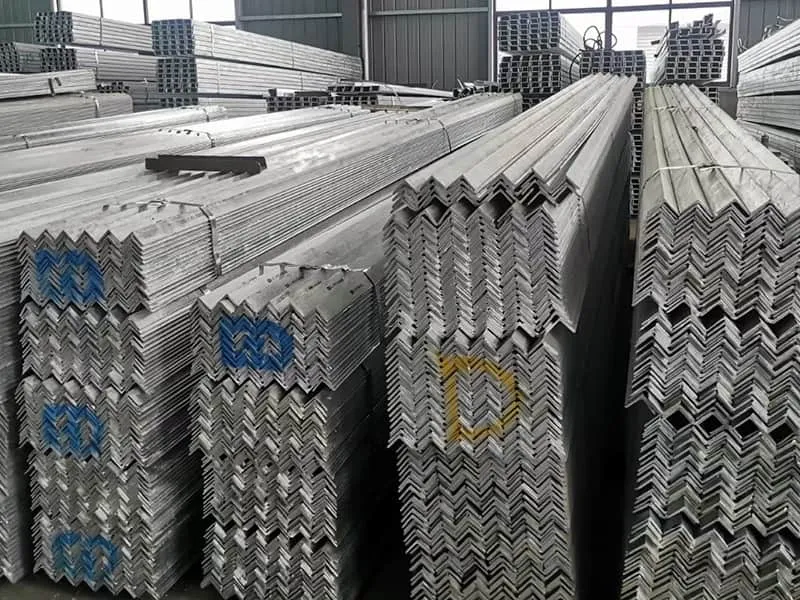
Choosing the right steel can feel overwhelming. I will break down the key differences to help you make an informed decision. Let’s look at the details together.
What are the disadvantages of using angle steel?
I once had a client who used regular angle steel in a dock project. They faced rust issues within months. This taught me the importance of understanding limitations.
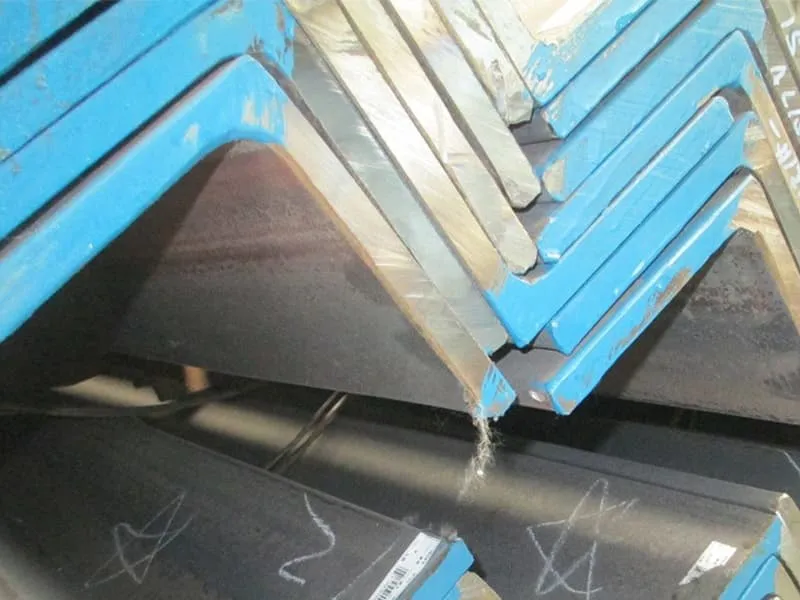
Angle steel can corrode quickly in wet environments if not properly treated. It may bend under extreme pressure and requires regular maintenance. For marine use, standard angle steel lacks sufficient corrosion protection, leading to potential structural weaknesses over time.
Understanding the Limitations
Angle steel is a popular choice in construction. But it has specific drawbacks in marine applications. The sea environment is tough on materials. Saltwater accelerates corrosion. This is the biggest problem with standard angle steel.
We need to look at different types of angle steel. Not all angle steel is the same. Marine-grade angle steel has special features. Let me explain the main disadvantages.
Corrosion Issues
Saltwater contains chloride ions. These ions attack the steel surface. Regular angle steel rusts quickly. The rust weakens the structural integrity. This is dangerous for ship hulls and offshore structures.
Weight Considerations
Angle steel is relatively heavy. This can increase transportation costs. It also adds weight to the final structure. In some cases, lighter alternatives might be better.
Maintenance Requirements
Regular inspection is necessary. Damaged sections need replacement. Painting and coating must be reapplied periodically. This increases long-term costs.
Comparison Table: Regular vs Marine Angle Steel
| Feature | Regular Angle Steel | Marine Angle Steel |
|---|---|---|
| Corrosion Resistance | Low | High |
| Saltwater Performance | Poor | Excellent |
| Maintenance Frequency | Every 1-2 years | Every 5-7 years |
| Initial Cost | Lower | Higher |
| Long-term Value | Poor | Good |
At our company, we always recommend marine-grade angle steel for coastal projects. The extra cost is worth it for safety and durability. Our clients in Saudi Arabia and Vietnam confirm this approach works well.
What is the difference between angle bar and L bracket?
A contractor from Thailand asked me this question last month. He was confused about which to use for his port project. The distinction is important for structural integrity.
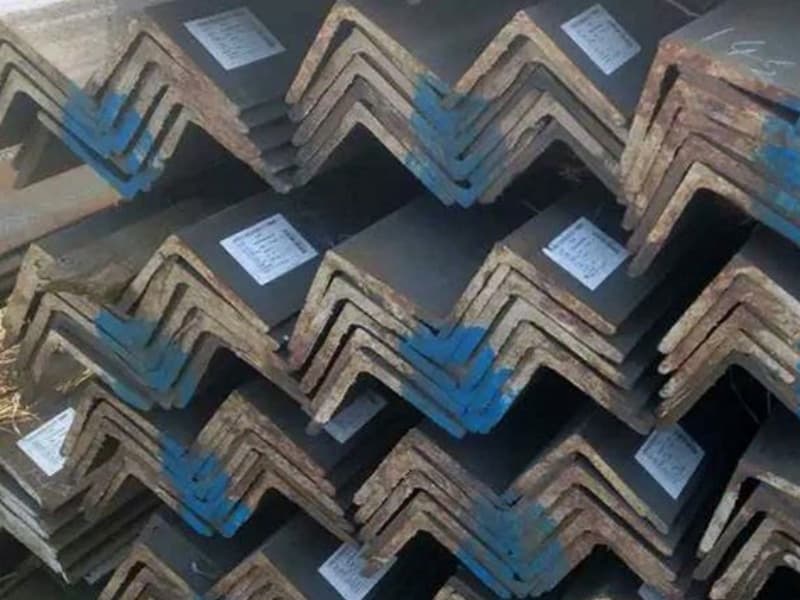
Angle bars are structural steel components with equal or unequal legs, used in construction frameworks. L brackets are smaller, thinner support pieces typically used for joining materials at right angles. Angle bars handle major loads, while L brackets provide secondary support.
Detailed Comparison
Many people use these terms interchangeably. But they serve different purposes. Understanding the difference helps in selecting the right material. I’ll explain both products in detail.
Angle Bars Explained
Angle bars are also called L-shaped steel. They have two legs forming a 90-degree angle. The legs can be equal or unequal in length. They come in various thicknesses. We supply them for ship frames and building structures.
L Brackets Explained
L brackets are much smaller. They are usually made from thinner steel. Their main use is to connect two surfaces. You often see them in furniture and light fixtures.
Key Differences
The size is the most obvious difference. Angle bars are structural. They support heavy weights. L brackets are for light-duty applications. You wouldn’t use an L bracket to support a ship’s frame.
Material thickness varies significantly. Angle bars are thick and strong. L brackets are thin and flexible. The manufacturing process also differs. Angle bars are hot-rolled. L brackets are often cold-formed.
Application Table: Where to Use Each Product
| Application | Recommended Product | Reason |
|---|---|---|
| Shipbuilding frames | Marine angle bar | High strength, corrosion resistant |
| Building support beams | Structural angle bar | Load bearing capacity |
| Furniture assembly | L bracket | Lightweight, easy to install |
| Equipment mounting | L bracket | Simple fixation |
| Bridge construction | Marine angle bar | Weather resistance |
Our experience shows that using the wrong product causes problems. A client in Philippines used L brackets for a dock project. They bent under the weight. We replaced them with proper angle bars. The structure became stable and safe.
What is the best steel for coastal areas?
After visiting multiple coastal projects in Vietnam and Malaysia, I’ve seen how different steels perform. The right choice makes all the difference in longevity and safety.
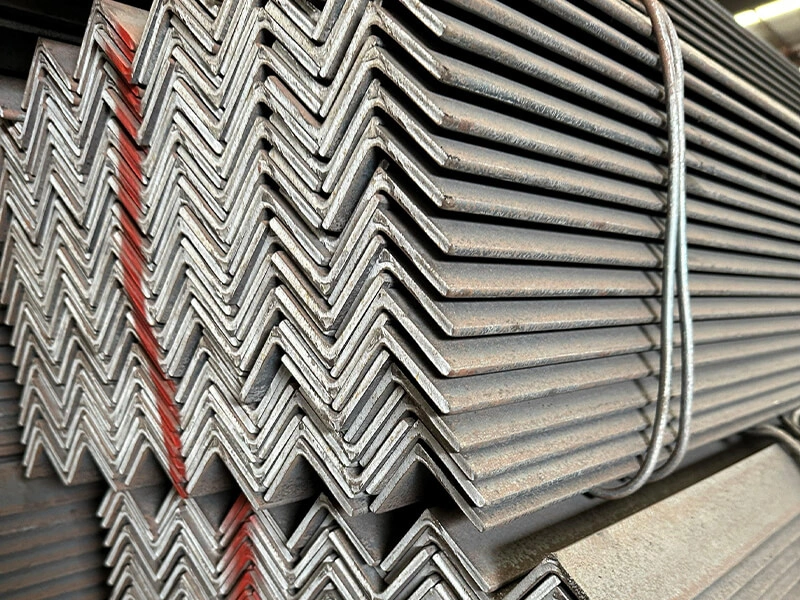
The best steel for coastal areas is marine-grade angle steel with proper corrosion protection. It should have enhanced alloy composition, often including elements like chromium and copper. Regular carbon steel corrodes too quickly in saltwater environments without additional treatments.
Comprehensive Analysis
Coastal environments present unique challenges. The air contains salt particles. Humidity levels are high. These factors accelerate corrosion. We need steel that can resist these conditions.
Marine Grade Steel Properties
This steel contains special alloys. These alloys fight corrosion naturally. The steel undergoes specific heat treatments. This improves its crystalline structure. The surface is often treated with protective coatings.
Protective Coatings
Galvanization is common. It applies a zinc layer to the steel. This zinc sacrifices itself to protect the steel. Epoxy coatings provide another barrier. They prevent saltwater from reaching the steel surface.
Regular Maintenance Importance
Even the best steel needs care. Regular inspection identifies early problems. Cleaning removes salt buildup. Touch-up painting maintains protective layers.
Performance Comparison Table
| Steel Type | Expected Lifespan | Maintenance Needs | Cost Factor |
|---|---|---|---|
| Regular carbon steel | 2-5 years | High | Low |
| Galvanized steel | 10-15 years | Medium | Medium |
| Marine grade steel | 20+ years | Low | High |
| Stainless steel | 25+ years | Very low | Very high |
We supply marine-grade steel to coastal projects across Southeast Asia. Our clients in Thailand and Myanmar report excellent performance. The steel withstands monsoon seasons and high humidity. Proper material selection saves money long-term.
Is angle iron stronger than flat steel?
A shipbuilder in Qatar faced this decision for hull reinforcement. We tested both materials in various configurations. The results surprised everyone involved.
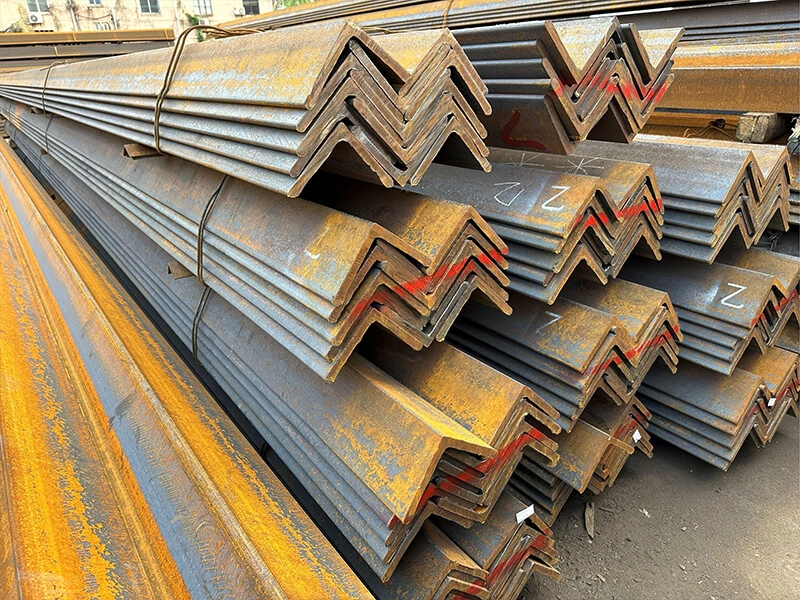
Angle iron is generally stronger than flat steel for structural applications because its L-shape provides better load distribution and resistance to bending. However, flat steel excels in surface coverage and specific reinforcement scenarios. The choice depends on the specific application requirements.
Strength Analysis
Strength isn’t just about thickness. The shape matters greatly. Different shapes handle forces differently. I’ll explain how each material performs under various conditions.
Angle Iron Strength Features
The L-shape creates natural stiffness. It resists bending from multiple directions. The legs provide additional support. This makes it ideal for框架 structures. Ships use angle iron for ribs and supports.
Flat Steel Advantages
Flat steel has its own strengths. It covers large areas efficiently. When used properly, it provides excellent tensile strength. Many clients use it for plating and surfaces.
Load Distribution
Angle iron spreads weight effectively. The shape directs forces along both legs. Flat steel tends to bend under concentrated loads. Reinforcement is often needed.
Application-Specific Performance
In shipbuilding, both have roles. Angle iron forms the skeleton. Flat steel covers the surfaces. Using the wrong material compromises safety.
Strength Comparison Table
| Load Type | Angle Iron Performance | Flat Steel Performance |
|---|---|---|
| Compression | Excellent | Good |
| Tension | Good | Excellent |
| Bending | Very Good | Fair |
| Twisting | Good | Poor |
| Impact | Good | Fair |
Our testing facility in China runs constant comparisons. We share these results with clients. This helps them choose wisely. A recent project in Mexico used our recommendations. They achieved optimal strength while reducing material costs.
Conclusion
Choosing between marine angle steel and L-shaped steel depends on your specific project needs. Marine angle steel offers better corrosion resistance for coastal applications, while understanding each material’s strengths ensures optimal performance and safety.