
You think you got a good deal on marine L-shaped steel, but one bad batch can sink your whole project.
Quality risk management for marine L-shaped steel starts before you order. You need to check the mill’s certifications, ask for third-party inspection, and write clear contract clauses. That is how you avoid non-conforming steel.

Most buyers focus on price first. I get it. But I have seen too many projects delayed because the steel failed a simple bend test. So let me walk you through the real steps to protect your purchase. I am Zora Guo from China Marine Steel. We supply marine steel to buyers in Vietnam, Saudi Arabia, and beyond. Today I share what I learned from years of helping clients avoid bad steel.
How to Identify High-Risk Quality Issues in Marine L-Shaped Steel Before Ordering?
You cannot see internal cracks or wrong chemical mix just by looking at a steel piece. That is the real risk.
Before ordering, look for three high-risk signs: missing mill test reports1, no third-party inspection2 option, and prices that are too low. These often point to poor quality steel.
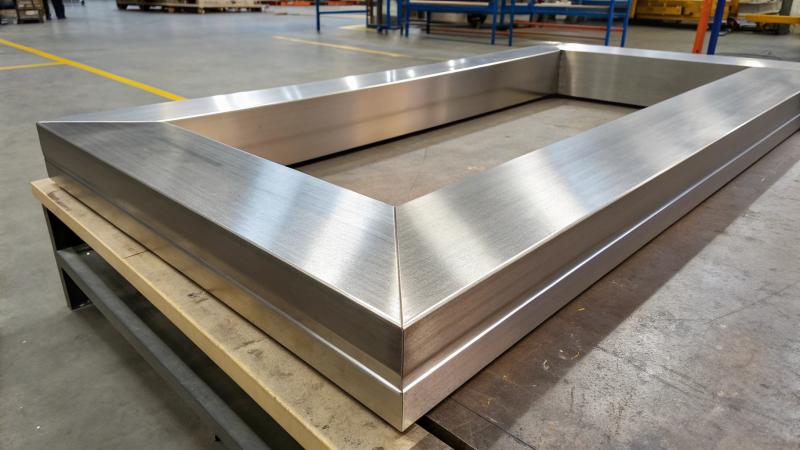
The hidden defects that matter most
Many buyers only check dimensions. But marine L-shaped steel must survive saltwater and heavy loads. The real quality risks fall into three categories.
| Risk Category | What to check | Why it matters |
|---|---|---|
| Chemical composition | Carbon equivalent, sulfur, phosphorus | Wrong mix causes brittle steel or poor weldability |
| Mechanical properties | Yield strength, tensile strength, elongation | Low strength means failure under load |
| Surface and internal defects | Laminations, cracks, pitting | These grow into fractures during bending or welding |
Why low price often means high risk
I remember a buyer from Malaysia. He chose a supplier who offered marine L-shaped steel at 20% below market price. No mill certificate was shared before payment. When the steel arrived, it failed the bend test. The chemical report showed too much sulfur. The steel cracked during welding. The project lost three weeks.
So how do you spot these risks early? Ask for the mill certificate before you pay. Check if the mill is on an approved list like ABS, DNV, or LR. Also ask if the supplier accepts SGS inspection at their cost. Most bad suppliers will say no to that.
Simple questions to ask your supplier
- Can you send me the mill certificate for this batch?
- Which classification society approved your mill?
- Do you allow third-party inspection before shipment?
- What is your rejection rate for this product in the last six months?
If the supplier hesitates or gives vague answers, that is a red flag. Walk away. There are plenty of good suppliers who will answer clearly.
What Supplier Audits and Mill Certificates Should Buyers Always Verify?
You cannot trust a PDF file alone. Some certificates are fake. You need to verify the source.
Always verify the mill’s approval by a classification society1 (ABS, DNV, LR, or CCS). Then check the certificate number directly with the mill. Also ask for EN 10204 Type 3.1 or 3.2 certificates2 for marine steel.
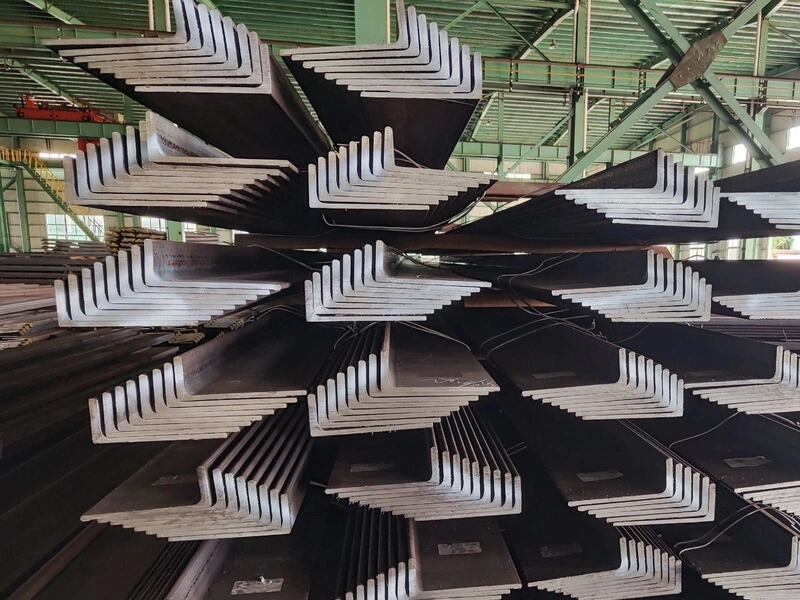
Three things to check on every mill certificate
I see many buyers just glance at the certificate. That is a mistake. Here is what you must check line by line.
| Item to verify | What to look for | Common fake signs |
|---|---|---|
| Heat number | Matches the steel stamp | Missing heat number or mismatch |
| Chemical results | Within grade limits (e.g., ASTM A36, A572) | Values exactly at limits (too perfect) |
| Mechanical test | Yield and tensile within spec | No test date or old date |
How to do a quick supplier audit3 without visiting China
You may not fly to China. That is fine. But you can still audit your supplier. I suggest three simple steps.
Step 1: Ask for the mill’s approval documents. A real marine steel mill will have certificates from ABS, DNV, LR, or CCS. Ask for a copy. Then send a quick email to the classification society to confirm. They usually reply within a week.
Step 2: Request a video call to see the stock. I do this with my clients all the time. Show me the steel with the heat number visible. Show me the storage conditions. If the supplier refuses, that is a bad sign.
Step 3: Check the supplier’s export records. Ask for past bills of lading or customer references. A reliable supplier like us can share shipping documents to Vietnam, Saudi Arabia, or Mexico. Fake suppliers often cannot.
My personal rule on certificates
I never trust a certificate alone. I always cross-check the heat number with the mill’s online system or by phone. And I recommend third-party inspection4 for every first order. That small cost saves you from a big loss.
Which Inspection and Testing Protocols Minimize Risk Before Shipment?
Inspection is not just about counting pieces. You need the right tests. Otherwise you ship blind.
To minimize risk, use a three-step protocol: visual inspection1 for surface defects, dimensional check2 for tolerances, and mechanical testing on samples. Third-party inspectors like SGS or Bureau Veritas should witness the tests.
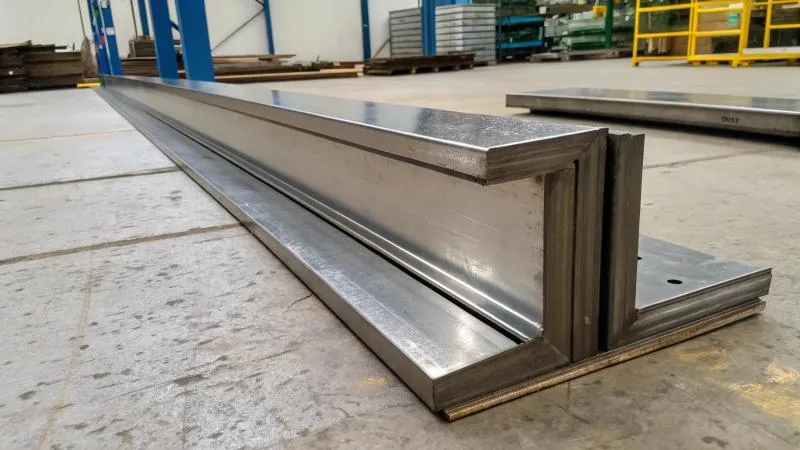
The minimum tests you must ask for
Not every batch needs a full lab test. But for marine L-shaped steel, skip these tests at your own risk.
| Test type | What it finds | Frequency |
|---|---|---|
| Visual and surface | Cracks, laminations, pitting | Every piece |
| Dimensional | Leg length, thickness, straightness | Every piece |
| Tensile test | Yield and tensile strength | Per heat or per 50 tons |
| Bend test | Ductility and weldability | Per heat or per 50 tons |
| Chemical analysis | Composition against standard | Per heat |
Why you need third-party inspection even with a good supplier
I trust our mills. But I still tell my clients to hire SGS or similar for large orders. Why? Because it removes bias. The inspector works for you, not for me.
One of my clients from Qatar had a bad experience before. His previous Chinese supplier sent steel that looked fine. But the third-party inspector found hidden laminations on 15% of the pieces. The supplier had to replace them. Without inspection, that client would have paid for scrap.
So here is my advice. Write in your contract: "All material to be inspected by [third party] at supplier’s cost before shipment. Any non-conforming material to be replaced within 14 days." That clause gives you power.
How to read an inspection report3 like a pro
Most buyers look at the final pass/fail line only. Do not do that. Focus on the numbers.
- Yield strength: If it is below spec (e.g., 36 ksi for A36), reject.
- Elongation: Below 20% often means brittle steel.
- Carbon equivalent: Above 0.45% makes welding difficult.
Also check the sample location. The inspector should cut samples from the actual pieces you will receive. Not from a separate test plate.
A quick story from my work
Last year, a buyer from the Philippines asked us to arrange SGS inspection. The inspector found a small batch where the zinc coating was thinner than required. We caught it before shipment. The mill recoat those pieces. The buyer got good steel. That is the power of inspection.
How to Write Contract Clauses That Protect You from Non-Conforming Steel?
A verbal promise means nothing. Your contract is your only real protection.
Write clauses that specify the steel standard (e.g., ASTM A36 for marine use), the inspection rights, the rejection process, and the penalty for non-conforming material1. Also include an independent testing clause.
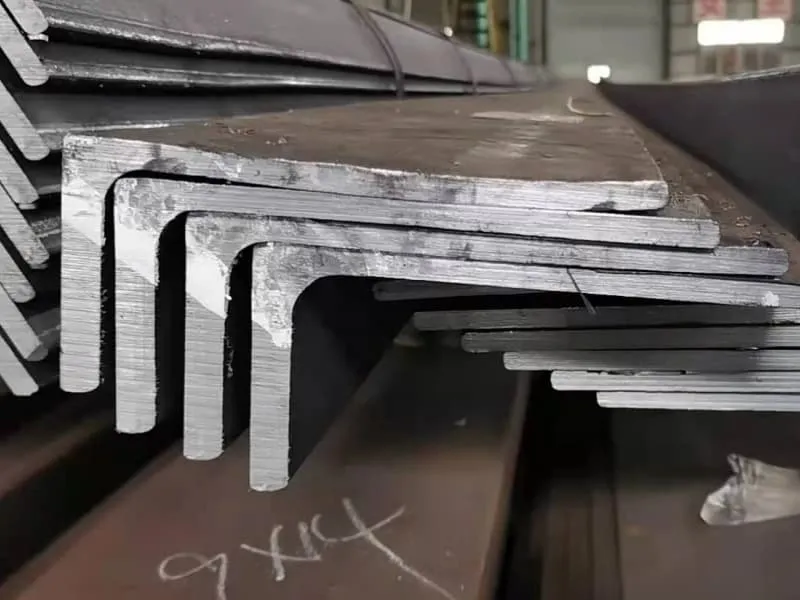
Five must-have clauses for marine steel contracts
I have reviewed hundreds of contracts. The weak ones always miss these points.
| Clause | What to write | Why it matters |
|---|---|---|
| Standard and grade | "Steel shall conform to ASTM A572 Grade 50 for marine service2" | No confusion on specs |
| Mill approval | "Material from mills approved by ABS, DNV, LR, or CCS only" | Blocks unapproved mills |
| Inspection rights | "Buyer may appoint SGS or equivalent for pre-shipment inspection at seller’s cost if first sample fails" | Puts quality risk on seller |
| Rejection and replacement | "Any non-conforming material shall be replaced within 21 days. Seller pays all freight and inspection" | Fast resolution |
| Governing law | "This contract is governed by [your country] law. Disputes settled by [arbitration body]" | Avoids endless arguments |
The one clause that saved my client $50,000
I worked with a buyer from Saudi Arabia. He wrote a simple clause: "All material subject to independent laboratory testing3 after arrival. If material fails, seller pays for return or replacement plus 30% penalty." The supplier sent poor steel. The buyer tested it. The supplier had to pay. That clause made the supplier careful.
You can use similar language. Ask your lawyer to adapt this:
"Buyer reserves the right to test randomly selected samples at an independent laboratory of buyer’s choice. If test results show non-conformance to the agreed standard, seller shall: (a) replace all non-conforming material within 21 days at seller’s cost, (b) pay for all testing and inspection fees, and (c) pay a penalty equal to 25% of the non-conforming material’s value."
What to avoid in your contract
Do not write vague phrases like "reasonable quality" or "industry standard." Those words lead to arguments. Also avoid clauses that require you to inspect everything within 3 days of arrival. That is impossible for large orders. Push for 30 days or more.
And never skip the governing law clause4. If you are in Vietnam and the supplier is in China, whose law applies? If you do not write it, you waste time and money fighting over jurisdiction.
Final contract tip
Send your draft to the supplier before you sign. See how they react. A good supplier will accept fair clauses. A bad supplier will fight every protection. That tells you everything.
Conclusion
Check certificates, demand third-party inspection, and write strong contract clauses. That is how you buy marine L-shaped steel without quality surprises.
-
Explore the risks and penalties associated with non-conforming materials to better protect your interests. ↩ ↩ ↩ ↩
-
Understanding this standard ensures you specify the right quality for marine steel, protecting your investment. ↩ ↩ ↩ ↩
-
Learn about independent testing to ensure compliance and quality, safeguarding against non-conforming materials. ↩ ↩ ↩
-
Discover the significance of a governing law clause to avoid jurisdictional disputes and ensure clarity. ↩ ↩