
Ever stood in front of a shipyard material list, feeling overwhelmed by the alphabet soup of ABS, DNV, LR, BV? You’re not alone. I remember a client’s urgent call about a rejected shipment of L-shaped steel, all because of a misunderstood DNV clause. That moment made the importance of these standards crystal clear.
The key difference between ABS, LR, BV, and DNV for marine L-shaped steel lies in their specific technical rules, approval processes, and acceptance criteria for material properties like tensile strength and impact toughness. While they all aim to ensure safety and quality, choosing the right one depends on the vessel’s class and the shipowner’s specific project requirements.
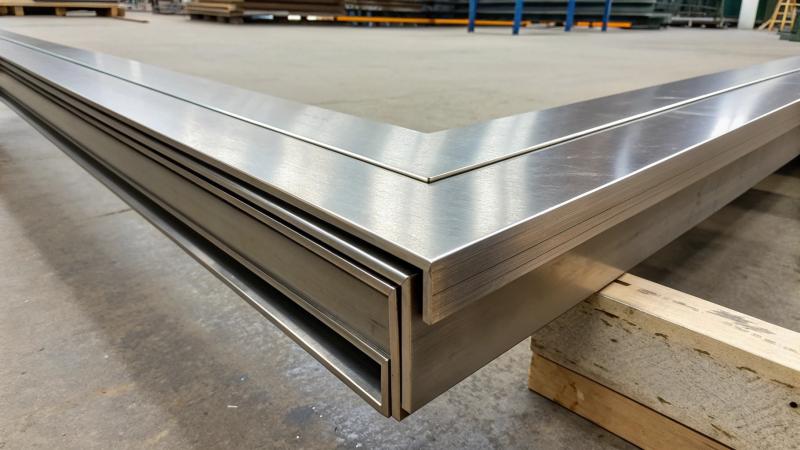
Having a clear picture of the main standards is just the start. The real challenge, and where costly mistakes happen, is in the details of their sub-categories and material grades. Let’s break down the most common and confusing questions I get from buyers and project managers in the field.
What is the difference between ABS and DNV?
Imagine you are ordering two high-performance engines. One brand gives you a very detailed, step-by-step manual. The other gives you a clear set of performance goals1 and lets you decide how to achieve them. This is often how I explain the difference between ABS and DNV to my partners at Gulf Metal Solutions.
ABS standards2 are often more prescriptive, specifying detailed requirements for manufacturing and testing. DNV standards3 tend to be more goal-oriented or performance-based, defining the required outcomes while sometimes allowing more flexibility in how they are met, provided the methods are verified.
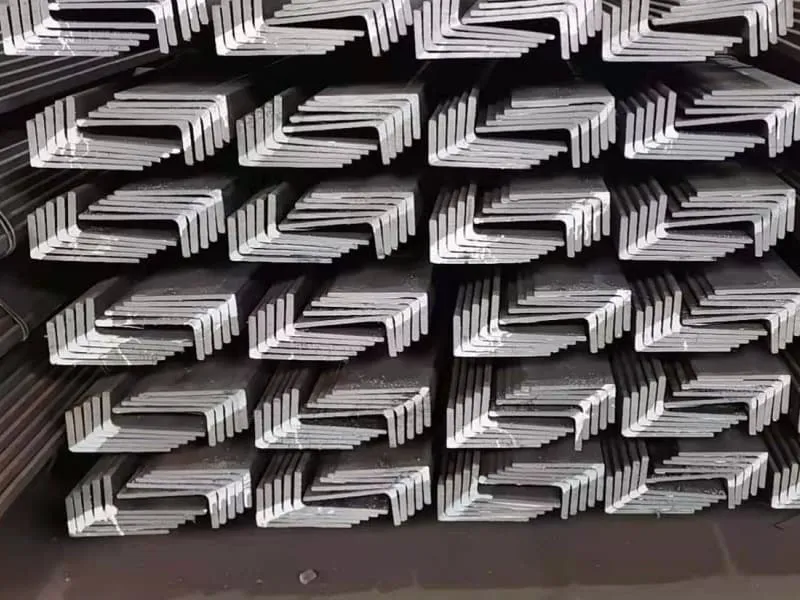
My experience supplying to projects across the Middle East and Southeast Asia has shown me that the choice between ABS and DNV often goes beyond the technical. It is about project culture and supply chain management4.
Practical Implications for Buyers and Fabricators
In my day-to-day work, this difference is very real. When we process an order for ABS-classed L-angle steel, the steel mill’s production records and our own documentation must follow ABS’s specific checklist. It is like filling out a detailed form. Every heat treatment parameter, every chemical analysis report, must match ABS’s exact rules. There is less room for interpretation, which can be good for ensuring consistency but can also slow things down if a step is missed.
With DNV, we sometimes have more discussions with the mill and the surveyor. For example, on a recent order for DNV-certified bulb flat steel for a Qatari project, the impact toughness requirement was specified for a certain temperature. The mill proposed a slightly different chemical composition5 to meet this goal, which was acceptable to DNV after they reviewed the test data. This flexibility can lead to optimization and cost savings, but it requires a supplier who understands the standard deeply and communicates well.
Here’s a quick comparison based on my practical dealings:
| Aspect | American Bureau of Shipping (ABS) | Det Norske Veritas (DNV) |
|---|---|---|
| Overall Approach | More prescriptive and rule-based. | More performance and goal-oriented. |
| Documentation | Follows a strict, defined format and checklist. | Can be more adaptable, focusing on proving the result. |
| Communication with Surveyor | Often involves confirming compliance with specific clauses. | Can involve technical discussions on how to meet performance targets. |
| My Recommendation | Ideal when you need absolute clarity and consistency, and your supply chain is familiar with their system. | Good for projects seeking technical optimization6, provided you work with experienced mills and suppliers. |
| Common Client Preference | Often preferred in the Americas and for certain ship types like tankers. | Very strong in Europe and offshore/marine engineering projects. |
What is the difference between DNV 2.7-11 and 2.7-3?
These two numbers have caused more last-minute panics than almost any other in my ten years of business. I once had a container of steel plates held at a port because the certificate said 2.7-1 when the drawing specified 2.7-3. The difference is all about risk.
DNV 2.7-11 is for standard materials used in general structures where failure would not cause immediate, catastrophic consequences. DNV 2.7-32 is for materials in "critical" applications, where failure could lead to serious consequences like major structural collapse, loss of watertight integrity, or pollution.
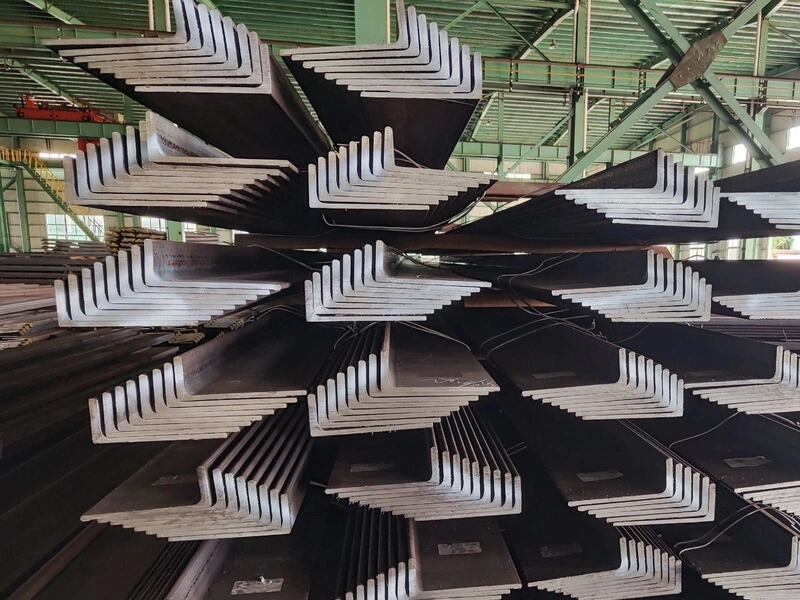
Think of a ship’s hull. The L-shaped steel used in an internal partition (2.7-1) is important, but if it fails, the ship won’t sink. Now, consider the steel used in the primary hull framing or a critical offshore platform node (2.7-3). Failure here could be disastrous. The certification process reflects this difference in risk.
Understanding "Critical" Through a Supply Chain Lens
The definition of "critical" is where my expertise as a supplier becomes crucial for clients. It is not for me or the mill to decide; it is defined by the vessel’s design and the rules of the classification society. However, I have learned to ask very specific questions when I receive an inquiry.
When a client from Saudi Arabia asks for "DNV shipbuilding steel," my first question is always: "What is the part number or drawing? Do you need 2.7-1 or 2.7-3?" This simple question has saved my clients weeks of delay and thousands in costs. For a 2.7-3 order, the entire process is more rigorous.
The steel mill must follow a specially approved manufacturing procedure. Testing is far more extensive. While a 2.7-1 batch might require one set of mechanical tests, a 2.7-3 batch will require more tests, often with stricter acceptance values, especially for impact toughness at lower temperatures. The surveyor’s involvement is more hands-on. They do not just review the final paperwork; they may witness more production and testing stages in person.
From a buyer’s perspective, 2.7-3 material is more expensive and has a longer lead time. But you cannot substitute 2.7-1 for 2.7-3. It is a safety and compliance issue. My job is to make sure my clients understand this distinction upfront and source from mills that are pre-approved and experienced in producing to the demanding 2.7-3 standard, ensuring a smooth certification process.
What is DNV 2.7-21?
If DNV 2.7-1 and 2.7-3 are for finished steel products, then DNV 2.7-21 is for the building blocks. I think of it as the "ingredient standard." This is a common point of confusion, especially for new buyers who are used to ordering finished plates or sections.
DNV 2.7-21 is the standard for "Forged and Rolled Steel for Maritime Use." It covers semi-finished products like ingots, blooms, billets, and slabs – the raw forms that are later rolled or forged into plates, sections, or other finished products covered by 2.7-1 and 2.7-3.
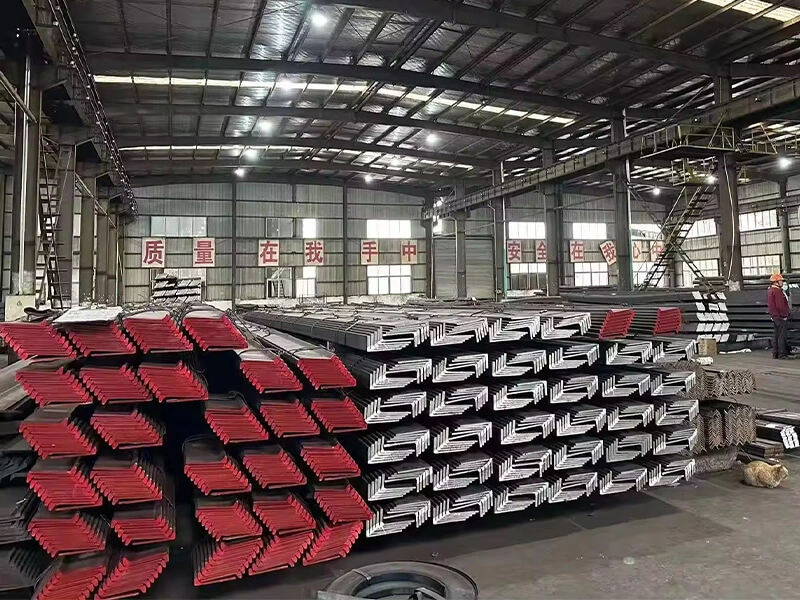
As a supplier of finished marine steel, I rarely sell a 2.7-2 product directly to an end-user like a shipyard. However, understanding this standard is vital for me to control quality at the source.
Why This "Invisible" Standard Matters to You
You might wonder, "If I am buying finished L-angle steel, why should I care about the slab standard?" The answer is traceability and root quality control2. The quality of the final product is fundamentally decided at the melting and casting stage.
When we audit and partner with a steel mill in Shandong for our long-term supply, we do not just check their rolling mill. We look at their entire process. A mill that produces its own slabs under DNV 2.7-21 certification has far greater control over the internal soundness, chemical homogeneity, and segregation of the steel than a mill that buys commodity billets from the open market.
For my clients, this means consistency. For a project contractor in Thailand building a series of bulk carriers, using steel from a mill with integrated 2.7-2 production means batch-to-batch consistency3 is much higher. The risk of unexpected defects like laminations or inconsistent mechanical properties in the final rolled product is greatly reduced.
In practice, when we provide a DNV 2.7-1 certificate4 for a batch of marine angle steel, it often references back to the heat number of the original 2.7-2 certified ingot. This creates a complete quality chain from liquid steel to the final shaped product. So, while you may never see a 2.7-2 certificate, its existence is a key sign of a robust and reliable supply chain, which ultimately protects your project from quality surprises.
What is the difference between 3.1 and 3.2 material certification?
This is possibly the most frequent question I get after "what’s the price?" Understanding EN 10204 Type 3.11 and 3.2 certificate2s is non-negotiable for any serious buyer of marine steel3. I have seen contracts hinge on this single line item.
A 3.1 certificate is a "Declaration of Compliance" issued by the steel manufacturer based on their own internal, non-specific testing. A 3.2 certificate2 is a more formal "Test Report" that includes the results of specific tests, validated by the manufacturer’s authorized inspection representative independent of the manufacturing department.
In simple terms, a 3.1 certificate says, "We made it to the standard, trust us." A 3.2 certificate says, "We made it to the standard, and here is the proof from our independent quality department."
Making the Right Choice for Your Project and Budget
The choice between 3.1 and 3.2 is a balance of risk, cost, and project requirements. Here is my practical advice from hundreds of shipments.
For standard, non-critical applications or for materials that will be heavily re-processed (like cutting and shaping), a 3.1 certificate is often sufficient and more cost-effective. However, almost all classification society work (ABS, DNV, LR, BV) requires, at a minimum, a 3.2 certificate2. They need to see the specific test data (chemical composition, tensile strength, yield strength, impact values) tied to the heat and batch number of the exact material being used.
The 3.2 certificate2 is your first and most important line of defense. Before any third-party inspector4 like SGS or the class surveyor sets foot in the warehouse, they will review the 3.2 cert. If it is not in order, the inspection will fail immediately. This is why we always insist on reviewing the draft 3.2 certificate2 from the mill before shipment for our clients. It allows us to catch any discrepancies early.
For an importer like Gulf Metal Solutions5 in Saudi Arabia, the 3.2 certificate2 is also a key commercial document. It provides the hard data needed to assure their own end-customers, the shipyards, that the material meets the specified grade. It is not just about compliance; it is about building trust in the transaction.
| Consideration | EN 10204 3.1 Certificate | EN 10204 3.2 Certificate |
|---|---|---|
| Issuer | Manufacturer’s commercial department. | Manufacturer’s independent inspection department. |
| Basis | Manufacturer’s general quality control. | Specific tests on the supplied batch/lot. |
| Content | Statement of compliance. | Actual test results (chemistry, mechanics). |
| Cost | Standard, usually included. | May incur a small extra fee. |
| When to Use | Non-critical applications, general purpose steel. | Mandatory for class-approved marine steel3, critical components, and when third-party inspection is required. |
| My Strong Advice | Always clarify with your supplier which certificate will be provided. For marine applications, explicitly require 3.2 in your purchase order. |
Conclusion
Understanding marine steel standards is not academic; it is a practical necessity for project success and safety. Choosing the right specification and certificate protects your investment and builds trust with your own customers.
-
Understanding this certification is crucial for ensuring compliance and quality in marine steel procurement. ↩ ↩ ↩ ↩ ↩ ↩ ↩ ↩
-
Explore the details of a 3.2 certificate to understand its importance in validating material quality and compliance. ↩ ↩ ↩ ↩ ↩ ↩ ↩ ↩ ↩
-
Learn about the significance of certification in marine steel to ensure safety and reliability in maritime applications. ↩ ↩ ↩ ↩
-
Understanding the role of third-party inspectors can help you appreciate the importance of rigorous quality checks. ↩ ↩ ↩
-
Explore Gulf Metal Solutions to see how they ensure compliance and quality in marine steel for their clients. ↩ ↩
-
Understand the concept of technical optimization and its importance in achieving project efficiency and cost savings. ↩