
A shipyard in Vietnam lost $150,000 last quarter by buying steel at peak prices. Their timing couldn’t have been worse in this volatile market.
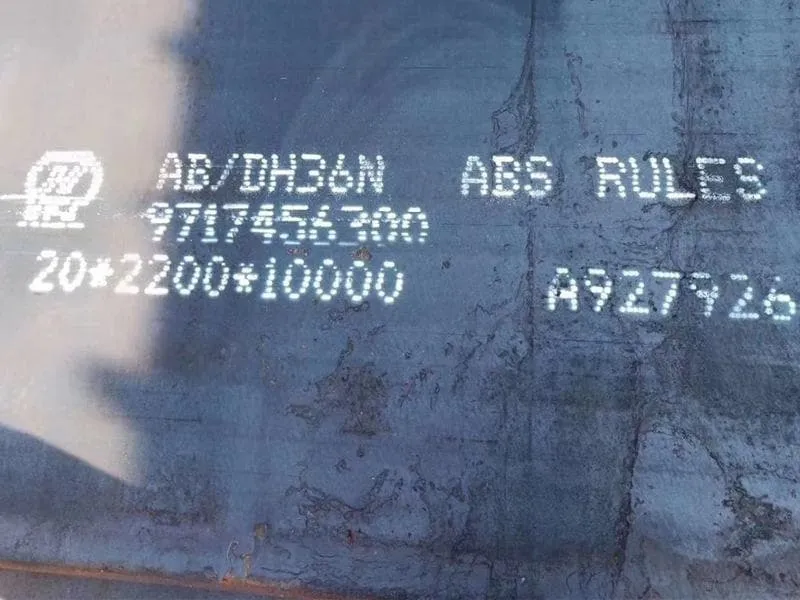
Marine steel plate prices in 2025 will see moderate increases of 3-8% due to raw material costs and environmental regulations. Buyers should monitor iron ore prices, Chinese production cuts, and global shipbuilding demand to make informed purchasing decisions throughout the year.
Understanding price drivers helps you time your purchases strategically. Let me share the key factors that will shape marine steel pricing next year.
What is the steel rebar forecast for 2025?
Many shipbuilders watch rebar prices as an indicator for broader steel market trends. The connection isn’t perfect, but it provides valuable insights.
Steel rebar prices in 2025 are forecast to increase 4-6% due to infrastructure demand1 and production costs2. Prices will fluctuate between $580-$650 per metric ton, with higher volatility in Q1 and more stability in Q3 as market conditions stabilize.
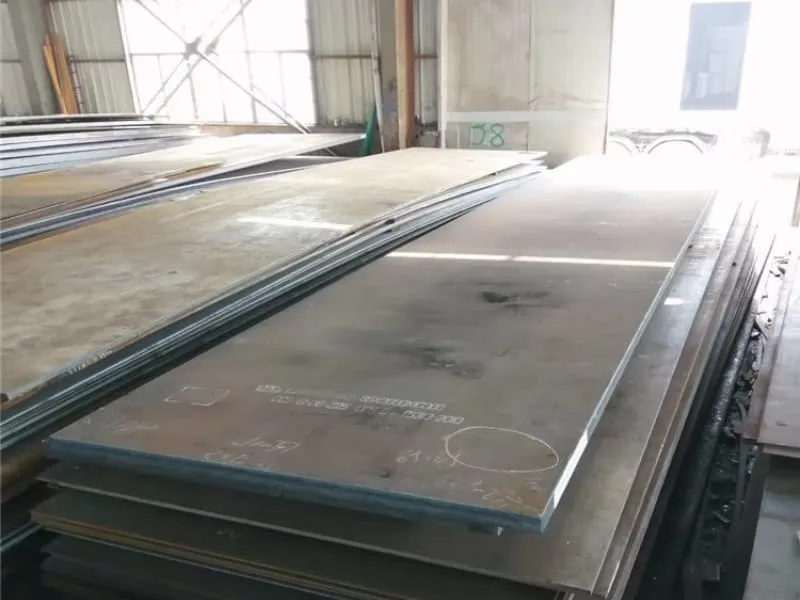
Analysis of Rebar Market Dynamics and Marine Steel Correlation
Rebar market trends often signal broader steel industry movements, though marine plates3 follow different specific drivers.
Rebar vs Marine Steel Plate Price Comparison 2025
| Quarter | Rebar Price Forecast | Marine Plate Price Forecast | Correlation Factor | Key Influencing Events |
|---|---|---|---|---|
| Q1 2025 | $590-$630/ton | $850-$920/ton | 0.75 | Chinese New Year shutdowns |
| Q2 2025 | $600-$650/ton | $870-$940/ton | 0.80 | Infrastructure projects start |
| Q3 2025 | $580-$620/ton | $840-$900/ton | 0.70 | Summer construction slowdown |
| Q4 2025 | $610-$660/ton | $880-$950/ton | 0.85 | Year-end project rush |
Infrastructure spending drives rebar demand globally. Governments worldwide are launching major construction projects to stimulate economies. The United States’ infrastructure bill, European Green Deal investments, and Asian development projects all require substantial rebar quantities. This demand creates upward price pressure that affects the entire steel market.
Production costs show consistent upward trends. Iron ore prices remain elevated around $120-$140 per ton. Energy costs continue rising due to geopolitical factors and carbon reduction policies. Chinese environmental regulations force mills to invest in cleaner technologies, adding to production expenses. These cost increases inevitably transfer to final product pricing.
Chinese production policies4 significantly impact global markets. China’s steel production cuts during winter months reduce supply precisely when demand peaks in some regions. The country’s carbon neutrality goals mean permanent capacity reductions in coming years. International buyers must monitor Chinese policy announcements for early warning of price movements.
Currency fluctuations add another layer of complexity. The US dollar’s strength against other currencies affects import costs for many countries. Emerging market currencies often weaken during global uncertainty, making dollar-priced steel more expensive for local buyers. This currency effect can outweigh actual steel price changes for international purchasers.
Market correlation with marine plates3 isn’t perfect but provides guidance. Rebar and marine plates3 share raw material costs and energy expenses. However, marine plates3 have additional quality requirements and certification costs. The price gap typically ranges from 30-50% depending on grade and specification requirements. Tracking rebar trends helps predict general steel market direction.
Are steel prices1 expected to drop?
Many shipyards hope for price drops to improve their project margins. The reality involves understanding complex market dynamics.
Steel prices are not expected to drop significantly in 2025. Moderate increases of 3-8% are more likely due to persistent cost pressures. Temporary corrections may occur, but fundamental factors support sustained higher price levels throughout the year.
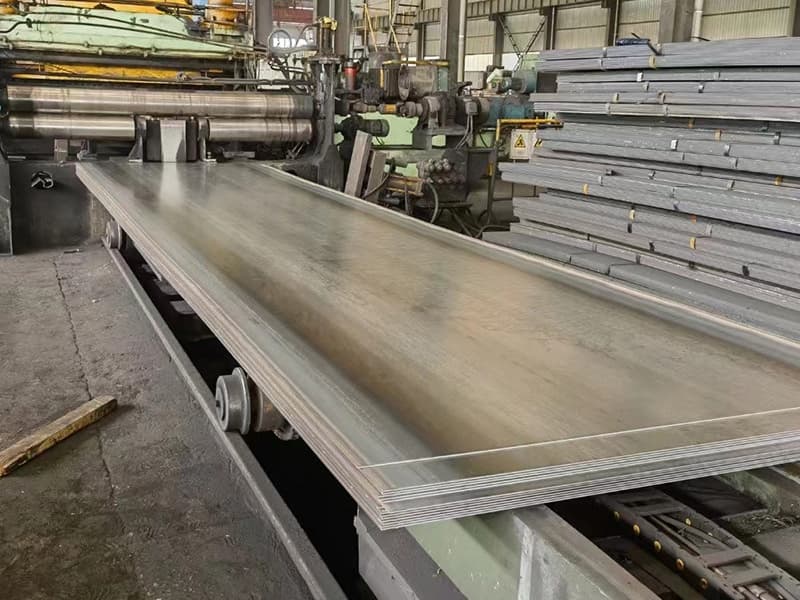
Factors Supporting Sustained Steel Price Levels
Multiple structural elements in the global steel industry prevent substantial price decreases in the medium term.
Steel Price Support Factors Analysis
| Support Factor | Impact Level | Duration | Regional Variation | Mitigation Strategies |
|---|---|---|---|---|
| Raw Material Costs | High | Long-term | Moderate | Alternative sourcing |
| Environmental Compliance | High | Permanent | Significant | Efficiency improvements |
| Energy Expenses | Medium-High | Medium-term | High | Energy mix optimization |
| Transportation Costs | Medium | Variable | High | Logistics planning |
| Geopolitical Tensions | Medium | Uncertain | Extreme | Supply chain diversification |
| Demand Stability | Medium-High | Stable | Moderate | Inventory management |
Raw material costs show no signs of substantial decrease. Iron ore prices remain structurally higher due to supply concentration and quality issues. Scrap steel availability faces constraints from collection infrastructure and export restrictions. Alloying elements like nickel and chromium experience supply chain uncertainties. These input costs form the price floor for finished steel products.
Environmental regulations permanently increase production costs. Carbon emission reduction requirements force mills to invest in new technologies and purchase carbon credits. Water usage restrictions and waste management standards add compliance expenses. These aren’t temporary measures but permanent industry transformations that embed higher costs in steel pricing.
Energy transition costs affect steel manufacturing. The shift from coal-based production to electric arc furnaces requires massive capital investment. Renewable energy integration increases short-term costs despite long-term benefits. Energy price volatility from geopolitical events and weather patterns creates additional uncertainty in production planning.
Global demand remains robust across multiple sectors. Construction activity continues in emerging markets while infrastructure renewal accelerates in developed economies. Automotive production recovery and renewable energy expansion create additional steel demand. This diversified demand base prevents the dramatic collapses seen during previous industry cycles.
Supply chain restructuring adds cost layers. The move from globalization to regionalization increases logistics expenses. Inventory strategies shift from just-in-time to safety stock approaches, increasing carrying costs. These structural changes in how steel moves through supply chains create permanent cost additions that support price levels.
How to predict steel prices?
Successful steel procurement requires understanding price prediction methodologies rather than relying on guesswork or outdated information.
Predict steel prices by monitoring iron ore costs, inventory levels, production data, and demand indicators. Use a combination of fundamental analysis, technical charts, and market sentiment tracking. Establish relationships with multiple suppliers for real-time market intelligence.
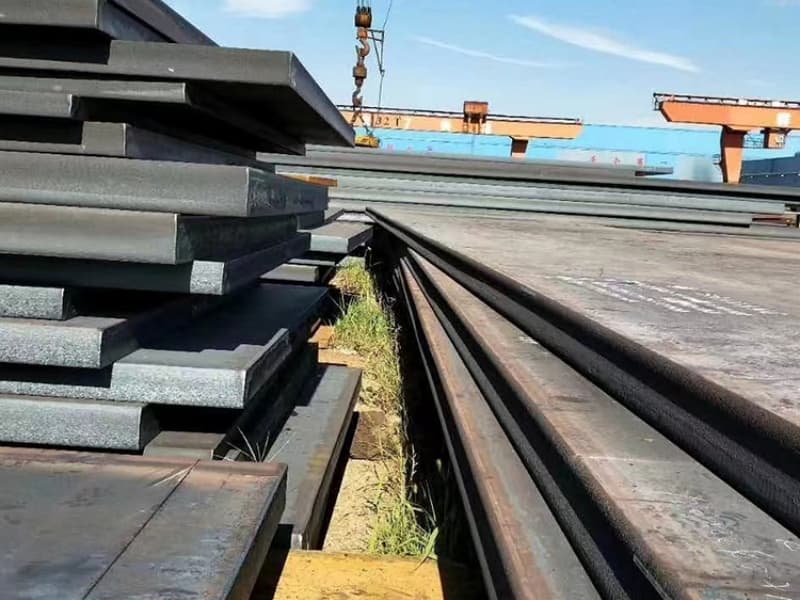
Comprehensive Guide to Steel Price Forecasting Techniques
Accurate price prediction combines multiple methodologies and data sources to form a complete market picture.
Steel Price Prediction Methodology Comparison
| Method | Data Sources | Time Horizon | Accuracy Level | Skill Requirement | Best For |
|---|---|---|---|---|---|
| Fundamental Analysis | Production reports, inventory data | 3-12 months | High | Advanced | Strategic planning |
| Technical Analysis | Price charts, volume data | 1-4 weeks | Medium | Intermediate | Timing purchases |
| Sentiment Analysis | News, social media, surveys | 1-8 weeks | Medium | Basic | Market turns |
| Econometric Models | Economic indicators, historical data | 6-24 months | Medium-High | Expert | Long-term trends |
| Supplier Intelligence | Mill announcements, order books | 1-6 months | High | Relationship-dependent | Tactical decisions |
Fundamental analysis examines supply-demand balance. Track Chinese daily steel production data from the National Bureau of Statistics. Monitor global crude steel output from worldsteel association reports. Follow inventory levels at major trading ports and mill stockpiles. Analyze demand indicators like construction starts, shipbuilding orders, and manufacturing indices. This approach provides the foundation for medium-term price direction.
Technical analysis uses price patterns and indicators. Study moving averages for trend identification. Watch support and resistance levels for potential breakout points. Monitor trading volumes for confirmation of price movements. Use relative strength indicators for overbought or oversold conditions. While less reliable for steel than financial markets, technical analysis helps with short-term timing decisions.
Sentiment analysis gauges market psychology. Follow industry news for mill maintenance announcements and capacity changes. Monitor social media for trader sentiment and rumor impacts. Track purchasing manager surveys for demand expectations. Attend industry conferences for firsthand intelligence from producers and consumers. Market sentiment often drives short-term price swings beyond fundamental justification.
Econometric models incorporate multiple variables. Use regression analysis to correlate steel prices with GDP growth, industrial production, and construction activity. Factor in currency exchange rates, inflation data, and interest rate policies. Include commodity prices for iron ore, coking coal, and energy inputs. While complex, these models provide structured frameworks for long-term forecasting.
Supplier intelligence offers practical insights. Maintain relationships with multiple mills and traders for order book visibility. Understand production schedules and capacity utilization rates. Learn about raw material procurement patterns and inventory strategies. This ground-level information complements quantitative analysis with qualitative context.
What is the future prediction for steel?
Long-term steel industry trends point toward significant transformation rather than simple continuation of historical patterns.
The steel industry’s future involves higher prices, green production methods, and regional supply chains. By 2030, prices will be 15-25% higher in real terms, with green premiums for low-carbon steel. Digitalization will improve supply chain efficiency but add technology costs.
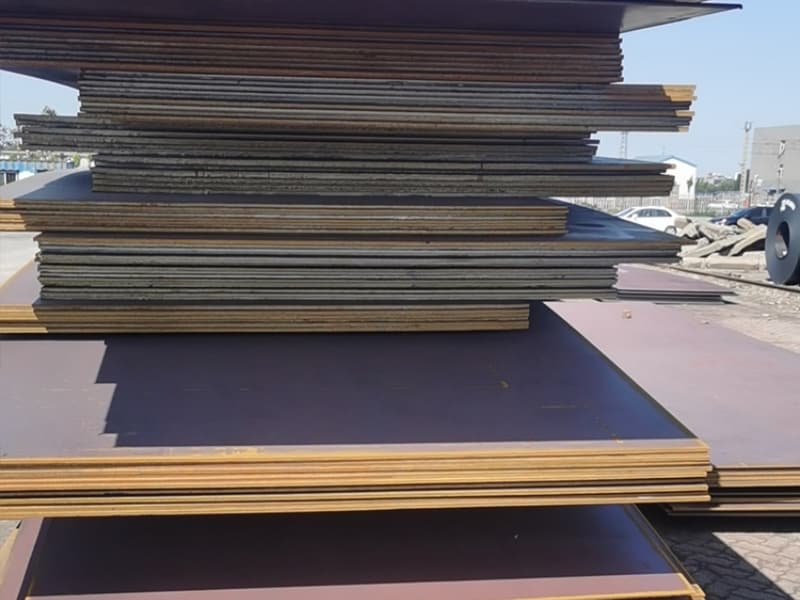
Long-Term Steel Industry Transformation Outlook
The steel industry faces fundamental changes that will reshape pricing, production, and procurement practices over the next decade.
Steel Industry 2030 Outlook Analysis
| Trend Category | 2025 Status | 2030 Projection | Impact on Buyers | Preparation Strategies |
|---|---|---|---|---|
| Production Methods | Basic oxygen furnaces dominant | Electric arc furnace expansion | Higher quality, more variety | Supplier qualification |
| Environmental Compliance | Carbon trading emerging | Full carbon cost integration | 10-15% green premium | Budget for sustainability |
| Digital Transformation | Basic tracking systems | AI-driven supply chains | Better visibility, higher costs | IT infrastructure investment |
| Regionalization | Global trade patterns | Regional self-sufficiency | Reduced volatility, less choice | Multiple regional suppliers |
| Product Innovation | Standard grades dominant | Customized solutions | Better performance, higher cost | Technical collaboration |
Green steel transition will redefine cost structures. Hydrogen-based direct reduction technology will replace traditional blast furnaces. Electric arc furnaces using renewable energy will dominate new capacity. Carbon capture utilization and storage will add to existing facility costs. These technologies require massive investment that will be recovered through higher steel prices over the long term.
Digitalization will transform supply chain management. Blockchain technology will provide material traceability from mill to final application. Artificial intelligence will optimize production planning and inventory management. Internet of Things devices will monitor material conditions during storage and transportation. These digital capabilities improve efficiency but require significant investment in systems and skills.
Regionalization will reshape trade patterns. Security of supply concerns will drive local production capacity development. Trade barriers and carbon border adjustments will favor regional over global sourcing. Logistics optimization will focus on shorter supply chains with lower transportation emissions. Buyers will need to develop relationships with regional suppliers rather than relying solely on cost advantages from distant producers.
Product innovation will accelerate performance improvements. Advanced high-strength steels will enable lighter ship structures with better fuel efficiency. Corrosion-resistant coatings will extend vessel service life with less maintenance. Custom alloy developments will address specific operational challenges in different marine environments. These innovations come with research and development costs that impact pricing.
Industry consolidation will continue globally. Larger steel producers will achieve better economies of scale and research capabilities. Smaller mills will specialize in niche products or regional markets. This consolidation creates more stable pricing but reduces negotiation flexibility for buyers. Long-term partnerships will become more important than transactional purchasing.
Conclusion
Understanding marine steel price trends helps buyers make informed decisions, manage budgets effectively, and maintain competitive advantage in shipbuilding projects.
-
Understanding current trends in steel prices can help you make informed decisions in construction and manufacturing. ↩ ↩
-
Learn about the factors driving production costs in the steel industry to better understand pricing trends and market forecasts. ↩
-
Comparing marine plate pricing trends to rebar can provide valuable insights into the broader steel market and investment strategies. ↩ ↩ ↩ ↩
-
Discover how Chinese production policies affect global steel markets, crucial for anticipating price movements and supply changes. ↩