
Shipping heavy steel plates across oceans? One wrong move and your cargo shifts, bends, or gets damaged.
Plan your marine steel plate shipping by matching plate size to vessel type (breakbulk for long plates, flat rack for heavy bundles), using steel dunnage and chain lashings, and coordinating crane capacity with bundle weight to avoid port delays.
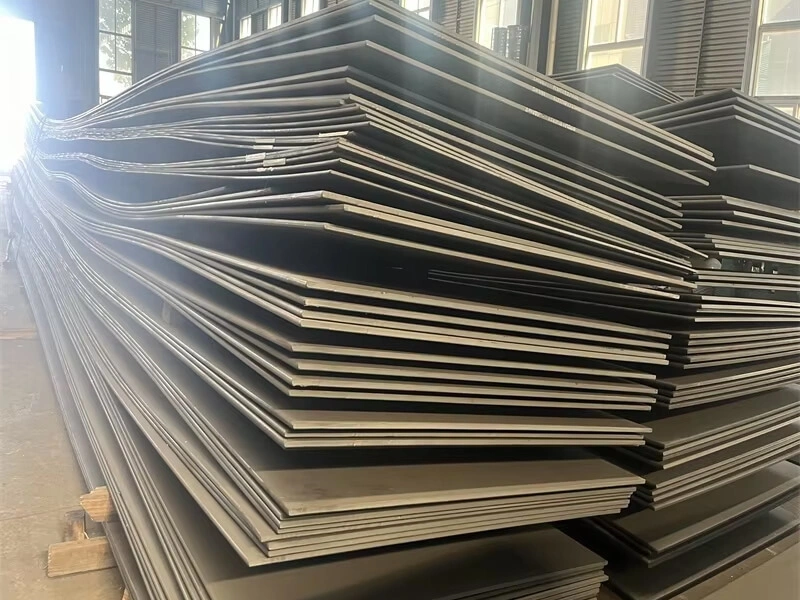
You might think shipping heavy steel plates is just about putting them on a boat. But after handling hundreds of shipments from our Liaocheng warehouse to places like Saudi Arabia and Vietnam, I have learned that small mistakes in planning can cost you weeks of delays and thousands of dollars. Let me walk you through the real steps that work.
How to Select the Right Vessel Type (breakbulk, Flat Rack, or Bulk Carrier) Based on Plate Dimensions and Weight?
Pick the wrong vessel type and your plates might not fit through the hatch or the crane cannot lift them.
Choose breakbulk vessels for plates longer than 12 meters or heavier than 20 tons per piece. Choose flat racks for medium-sized bundles that need containerized handling. Choose bulk carriers only when plates are short and stacked tightly with proper dunnage.
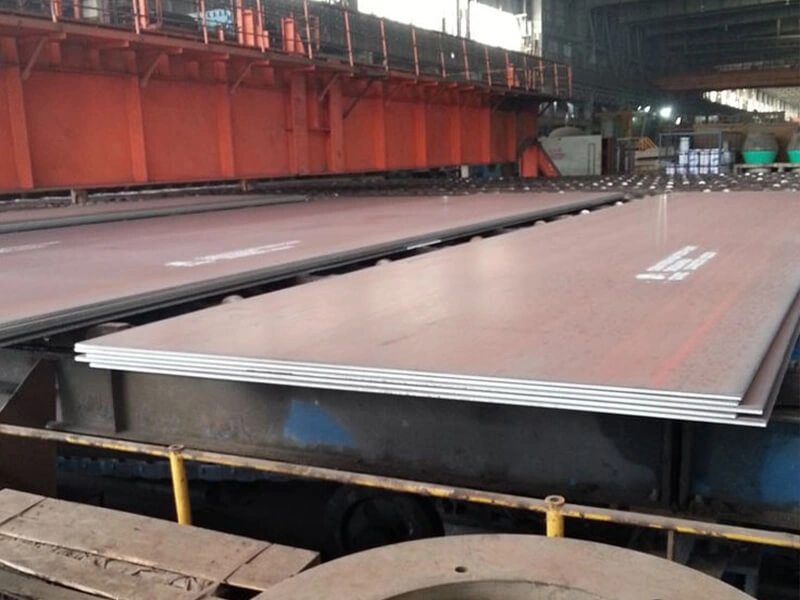
Many buyers come to me thinking a standard container works for everything. But marine steel plates are heavy and long. A 20-foot container can only take about 28 tons of cargo weight. A single marine steel plate of 25mm thickness and 2.5 meters width by 12 meters length weighs roughly 5.9 tons. You can only fit four such plates inside a standard container before hitting the weight limit. That is not efficient.
Breakbulk vessels are my first choice for long or heavy plates
Breakbulk ships have open holds and strong deck cranes. They can take plates up to 18 meters long without cutting. We recently sent a batch of marine angle steel to Qatar on a breakbulk vessel. The plates were 15 meters long. A regular bulk carrier could not handle them because the hatch covers limited the loading height. With breakbulk, we loaded the plates directly into the hold using spreader beams. The freight cost was 15% lower than trying to use flat racks.
Flat racks work for medium shipments
Flat racks are open-top containers with strong bases. They work well when you have 20 to 30 tons of plates in bundles, each bundle not exceeding 8 meters in length. The advantage is that ports almost everywhere handle flat racks like regular containers. So unloading is fast. But the downside is the weight limit. Most flat racks max out at 40 tons total including the container weight. For a typical marine steel plate bundle of six plates (around 35 tons), a flat rack is okay. But you need extra lashing because the plates can slide off the open sides.
Bulk carriers are tricky for plates
Bulk carriers are designed for grains, ores, and coal. Their holds have sloped bottoms. Steel plates do not sit flat on sloped surfaces. You would need to build a wooden platform level the floor. That adds cost and time. Also, bulk carriers rarely have strong lashing points for steel plates. So I only recommend bulk carriers for short plates under 6 meters, and even then you must bring your own dunnage and welding crew to secure them.
Here is a simple table I use with my clients to decide:
| Plate Dimension | Bundle Weight | Recommended Vessel | Why |
|---|---|---|---|
| Length > 12m | Any weight | Breakbulk | Hatch size fits long plates |
| Length 6-12m | > 25 tons | Breakbulk or Flat Rack | Breakbulk cheaper for heavy; Flat rack faster for ports with container cranes |
| Length < 6m | 8m | Prevents bending | |
| 5 | Test lift one bundle to 1 meter height | Check balance before full lift |
One personal story: We shipped marine L-shaped steel to a buyer in Romania. The port crane was old. The load chart was faded. I insisted on a test lift. The first bundle lifted crooked because one sling was shorter than the others. We fixed it. The buyer later thanked me because the previous supplier did not check and the plates fell off the slings, damaging six pieces. That small test lift saved us a $15,000 claim.
How to Optimize Loading Sequence and Hold Utilization to Reduce Freight Costs and Unload Time at Destination?
Loading plates in the wrong order turns the ship into a puzzle. Unloading becomes a nightmare of moving 20 plates to get to one.
Load the first-to-unload plates last. Stack plates of the same grade and size together. Leave a 50cm gap between stacks for forklift access. Use a color-coded stowage plan that matches each bundle to its destination discharge port.
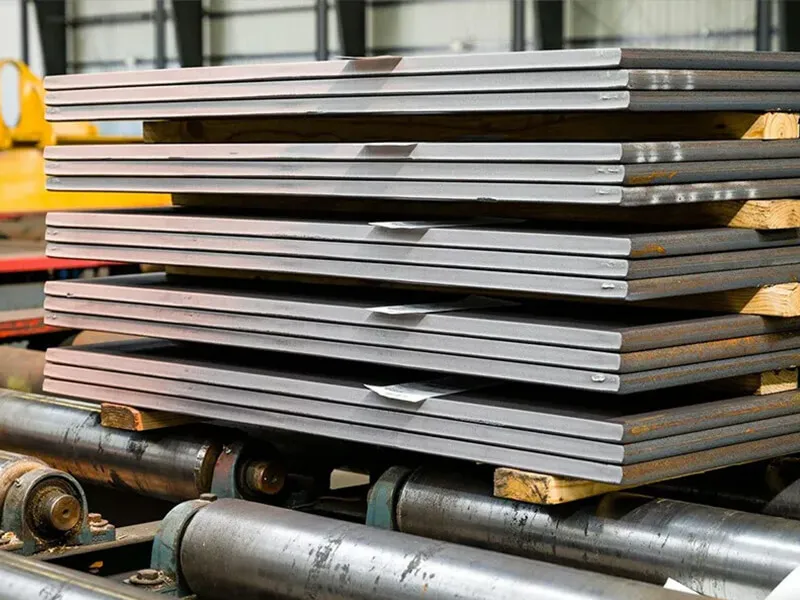
Freight cost is not just the ship rate. It includes port time. If your unloading takes three extra days because the stevedores cannot find the right plates, you pay demurrage. Demurrage can be $10,000 per day or more. So optimizing the loading sequence directly saves money. Let me show you how I plan for my clients.
Load reverse of unloading order
This is the golden rule. Write down the unloading sequence at the destination port. If the client needs the 12mm plates first, load them last. Put them on top of the stack or near the hatch. If you have multiple discharge ports, load the cargo for the last port first. Then the cargo for the first port sits on top. I learned this from a shipment to Vietnam where we had three discharge ports. We labeled each bundle with a colored tag: red for first port, blue for second, green for third. The stevedores at each port just looked for their color. Unloading took six hours instead of two days.
Group plates by size and grade
Do not mix 6-meter plates with 12-meter plates in the same stack. The long plates will overhang. Instead, create separate stowage areas. Put all 12-meter plates along the centerline of the hold. Put shorter plates on the sides. Also keep different steel grades separate. Marine steel plates for hull construction (Grade AH36) should not touch plates for decking (Grade A) because the client might have different inspection requirements. Mixing them forces the client to measure each plate at unloading.
Leave access paths for forklifts
Unloading a ship is not just lifting plates out. Forklifts need to drive inside the hold to reach stacks near the edges. So leave a corridor of at least 50cm between stacks. Mark these corridors with painted lines on the deck. Also, do not stack plates all the way to the hatch opening. Leave a clear area right under the hatch so the crane can lower the spreader beam straight down.
Calculate hold utilization
Hold utilization means how much of the ship’s volume and deck area you actually use with steel. Steel is heavy, so you often hit weight limits before volume limits. For a typical bulk carrier hold of 1000 cubic meters, you can load about 800 tons of marine steel plates (density 7.85 tons per cubic meter, but with dunnage and gaps you get about 0.8 cubic meters per ton). To reduce freight cost per ton, fill the hold both in length and height. Use every layer. But do not exceed the deck’s point load rating. The ship’s stability booklet tells you the maximum weight per square meter on the tank top. Usually it is around 15 tons per square meter for steel plates. Stay below that.
Here is a simple calculation I do for every shipment:
- Measure hold floor area: length x width in meters
- Calculate max weight = area x 15 tons/m² (example: 20m x 15m = 300m² x 15 = 4500 tons max)
- Calculate actual weight of plates you plan to load
- Divide actual by max to get utilization percentage
A good target is 85% utilization. Below that, you are wasting freight cost. Above 95%, you risk overloading the tank top.
I recently helped a buyer in Pakistan optimize his loading sequence. He used to just stack plates randomly. His unloading time was three days. We made a stowage plan with colors and corridors. He also grouped his marine angle steel separately from the flat steel. The next shipment unloaded in eight hours. His port cost dropped by $12,000. He now asks for a stowage diagram before every order.
Conclusion
Plan your vessel, securing, lifting, and stowage as one system. Each part affects the others.