
I recently inspected steel plates from a supplier in Thailand. The surface preparation quality directly determined how well the coating adhered during ship construction.
Shot blasting cleans steel surfaces using abrasive materials, while primer coating applies protective paint. Combined, these treatments create optimal surface profile for maximum coating adhesion and corrosion protection, extending marine steel lifespan in harsh seawater environments significantly.
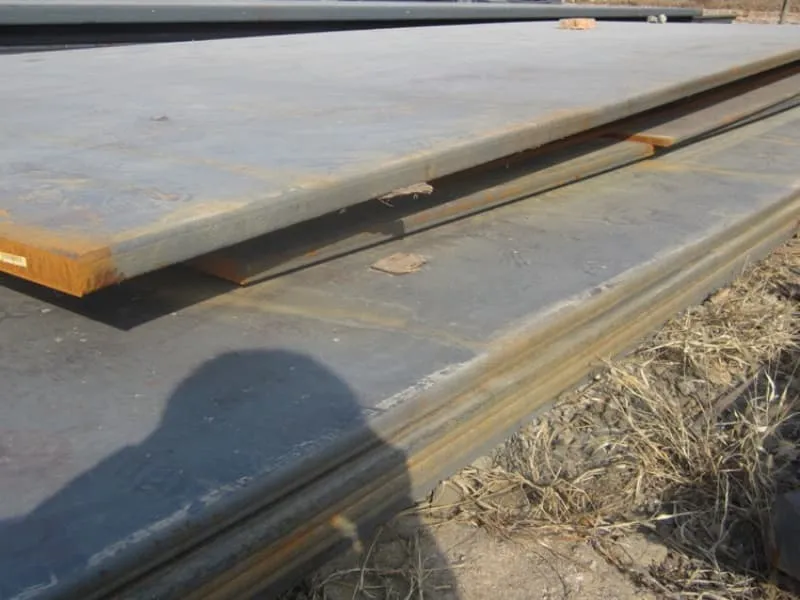
Surface treatment quality can make or break a marine project. Let me explain these crucial processes and why they matter for your vessel’s longevity.
What is shot blasted and primed?
A shipyard in Vietnam once received plates without proper surface treatment. They had to re-blast everything, causing project delays and cost overruns.
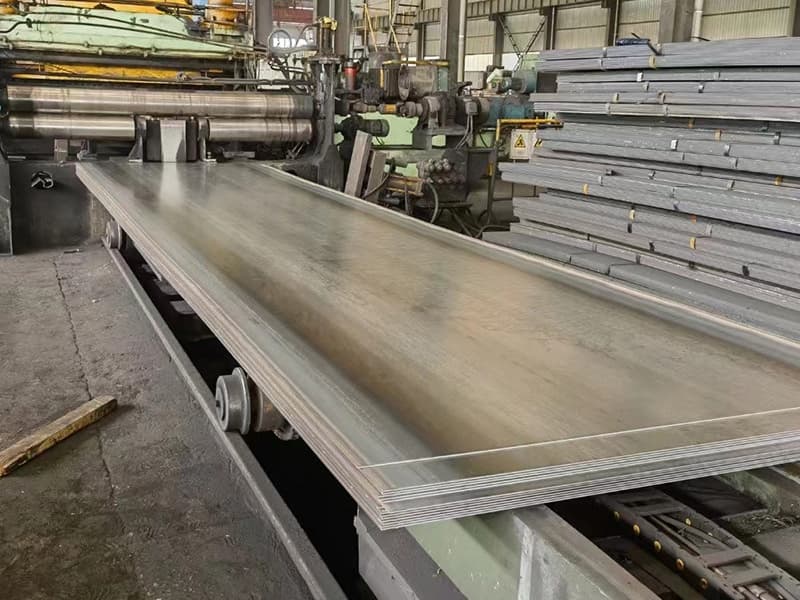
Shot blasted and primed steel has undergone surface cleaning using metal abrasives1, followed by immediate application of protective primer. This two-step process removes mill scale and rust while creating an anchor pattern for superior coating adhesion in marine applications2.
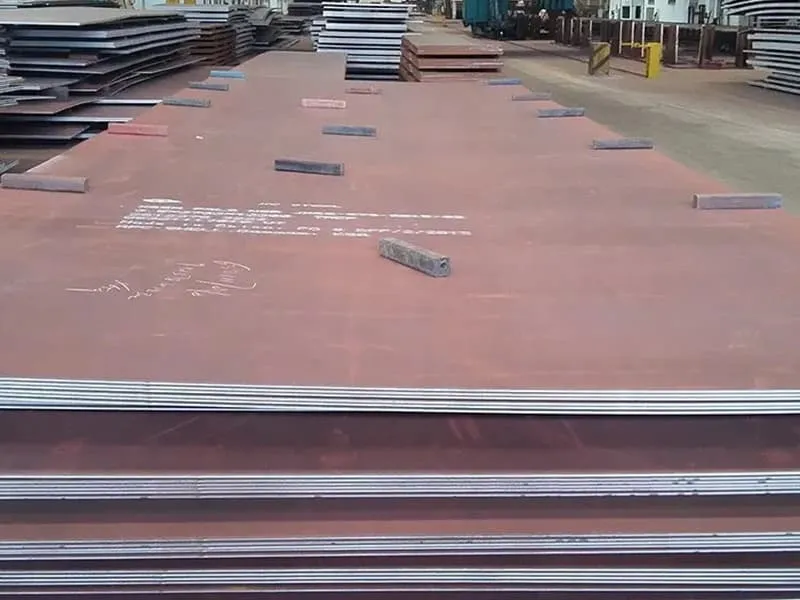
The Complete Surface Preparation Process
Shot blasting and priming work together as a system. Each step serves specific purposes that ensure long-term corrosion protection for marine structures.
Shot Blasting Explained
Shot blasting uses centrifugal force to propel steel abrasives against the plate surface. The abrasives hit the steel at high velocity. This impact removes contaminants and creates a clean, active surface. The process also generates a specific surface profile that helps coating mechanical adhesion.
Primer Application Details
After blasting, workers apply primer immediately. The time between blasting and priming is critical. Steel begins oxidizing quickly after exposure to air. Most specifications require priming within 4 hours. This prevents surface contamination before coating.
Equipment and Materials Used
Shot blasting requires specialized equipment. Blasting machines contain rotating wheels that throw abrasives. Common abrasives include steel grit and steel shot. Priming uses airless spray equipment for uniform application. The equipment must maintain proper pressure and nozzle distance.
Quality Control Measures
We inspect every batch for surface cleanliness. We check for residual contaminants. We measure surface profile depth. We verify primer thickness. We document all parameters for traceability. This ensures consistent quality for our clients.
Shot Blasting and Priming Standards
| Standard | Surface Cleanliness | Surface Profile | Primer Dry Film Thickness |
|---|---|---|---|
| ISO 8501-1 | Sa 2.5 minimum | 25-75 microns | 15-25 microns |
| SSPC SP10 | Near-white metal | 25-75 microns | 15-25 microns |
| NACE No. 2 | Commercial blast | 25-75 microns | 15-25 microns |
| ABS Rules | Sa 2.5 | 30-80 microns | 20-30 microns |
| Client Specific | As required | As specified | As specified |
Our facility in Shandong maintains strict quality control. We serve clients in Saudi Arabia and Qatar who demand perfect surface preparation. Their vessels operate in extreme conditions where coating failure is not an option.
What is the best primer to use on steel?
A bulk carrier operator in Mexico tried to save money using cheap primer. The coating failed within six months, requiring expensive dry-docking and repainting.
The best primer for marine steel is epoxy-based with zinc-rich properties1. Zinc phosphate epoxy primers2 provide excellent corrosion resistance and adhesion. They offer superior performance in saltwater environments and compatibility with most topcoat systems used in shipbuilding and offshore structures.
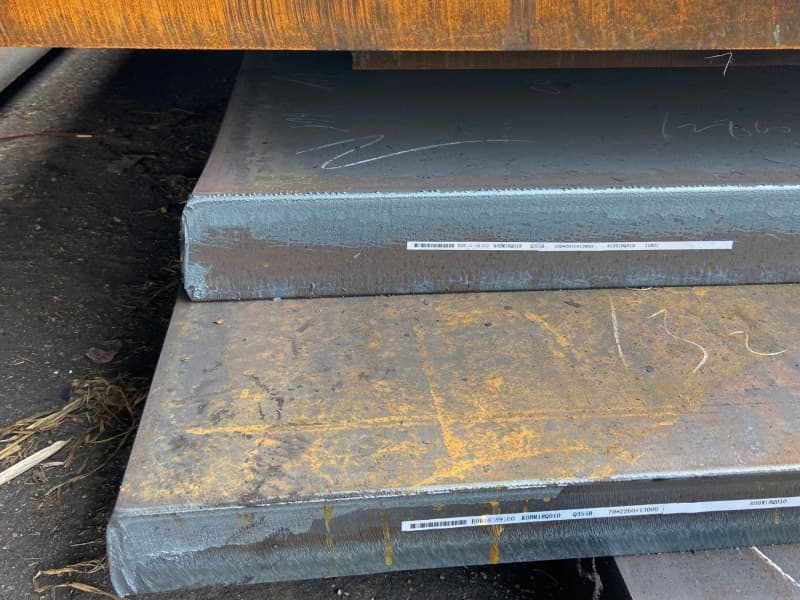
Comprehensive Primer Selection Guide
Choosing the right primer involves understanding different chemistry types and their performance characteristics. Each primer type serves specific marine applications.
Epoxy Zinc-Rich Primers
These primers contain high levels of zinc dust. The zinc provides cathodic protection to the steel. Zinc sacrifices itself to protect the base metal. Epoxy binders offer excellent adhesion and chemical resistance. This combination works well for submerged areas and ballast tanks.
Polyurethane Primers
Polyurethane primers3 provide good UV resistance. They maintain color and gloss better than epoxies. These primers work well for topside applications. They offer flexibility that withstands thermal expansion and contraction. However, they provide less corrosion protection than zinc-rich systems.
Inorganic Zinc Silicate Primers4
These primers offer the highest heat resistance. They can withstand temperatures up to 400°C. The silicate binder creates a very hard surface. This durability works well for deck areas and cargo holds. The surface tolerates mechanical abuse better than organic coatings.
Application Considerations
Primer selection depends on service environment. submerged areas need different protection than atmospheric zones. The primer must compatibility with intended topcoat. Application conditions affect primer choice. Temperature and humidity impact curing characteristics.
Marine Primer Performance Comparison
| Primer Type | Corrosion Protection | UV Resistance | Application Ease | Service Life |
|---|---|---|---|---|
| Epoxy Zinc-Rich | Excellent | Poor | Moderate | 10-15 years |
| Inorganic Zinc | Excellent | Good | Difficult | 15-20 years |
| Epoxy MIO | Good | Poor | Easy | 8-12 years |
| Polyurethane | Good | Excellent | Easy | 7-10 years |
| Chlorinated Rubber | Fair | Fair | Easy | 5-8 years |
We help clients in Philippines and Malaysia select the right primer for their specific conditions. High humidity and temperature variations require careful product selection. Our technical team provides detailed recommendations based on actual service environments.
What is ST21 and ST32 surface preparation?
A project contractor in Romania confused ST21 and ST32 standards. This mistake led to coating failure on their offshore platform project, costing thousands in repairs.
ST21 and ST32 are international standards for manual surface preparation. ST21 involves thorough hand tool cleaning to remove loose materials, while ST32 requires power tool cleaning to achieve bare metal surface. ST32 provides superior surface profile for coating adhesion compared to ST21 preparation.
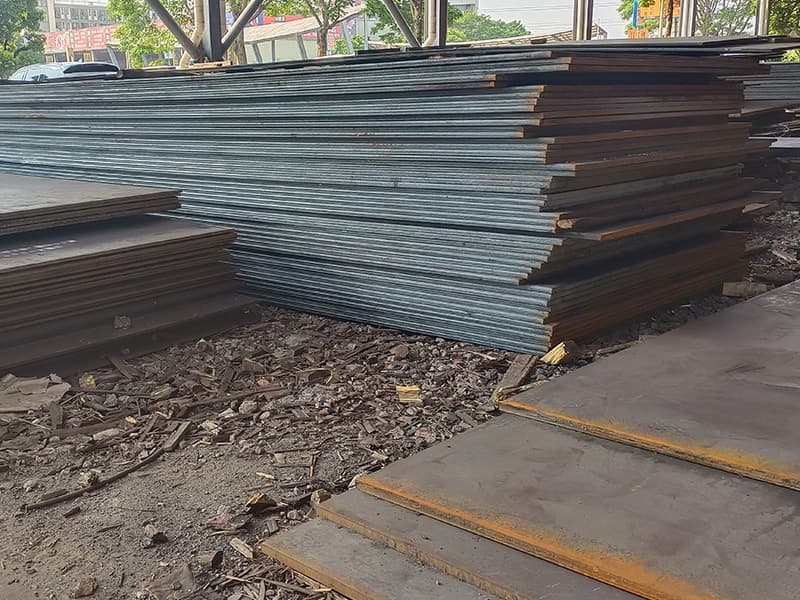
Understanding Surface Preparation Grades
ST standards define cleanliness levels for steel surfaces. These standards help ensure consistent quality across different projects and locations.
ST21 Manual Cleaning
ST21 preparation uses hand tools like wire brushes and scrapers. Workers remove all loose mill scale, rust, and foreign matter. Tightly adherent materials may remain. The surface must have minimal oil and grease contamination. This level suits maintenance work and less critical areas.
ST32 Power Tool Cleaning
ST32 requires power tools like needle guns and grinders. Workers remove all visible mill scale, rust, and old coatings. The surface must show metallic sheen over the entire area. Any remaining stains must be light and tightly adherent. This level works for most new construction and repair work.
Tool Requirements and Techniques
ST21 allows basic hand tools only. ST32 requires powered impact tools or rotary tools. The operator skill affects the final result. Proper technique ensures consistent surface quality. We train our workers to maintain standards consistently.
Visual Standards Reference
We use comparison photos to verify standards. ISO 8501-13 provides visual references for each grade. These photos help inspectors make accurate assessments. Digital tools now assist in standard verification.
Application Guidelines by Standard
| Standard | Tools Allowed | Surface Condition | Suitable Applications |
|---|---|---|---|
| ST21 | Hand tools only | Loose matter removed | Interior non-critical areas |
| ST21 | Scrapers, wire brushes | Tight scale may remain | Temporary protection |
| ST32 | Power tools required | Metallic sheen visible | Most ship areas |
| ST32 | Needle guns, grinders | Minimal staining allowed | New construction |
| ST32 | Rotary tools | No loose materials | Repair areas |
Our quality team conducts regular audits. We ensure all surface preparation meets project specifications. Clients in Thailand and Myanmar rely on our consistent adherence to these standards for their vessel construction and repair projects.
What is the purpose of primer coating?
A shipowner in Pakistan questioned why primer was necessary. After skipping this step on a test section, they saw rust breakthrough in just three months.
Primer coating serves three main purposes: corrosion protection1 through barrier and inhibitive properties, surface adhesion enhancement for topcoats, and surface uniformity2 creation for improved final appearance. It forms the essential foundation for complete coating system performance in marine environments.
The Multifunctional Role of Primer Coatings
Primers perform several critical functions that ensure coating system success. Understanding these functions helps appreciate why primers are indispensable.
Corrosion Protection Mechanisms
Primers create a physical barrier against moisture and oxygen. They contain corrosion-inhibiting pigments that slow down electrochemical reactions. Some primers provide cathodic protection through sacrificial metals like zinc. This multi-layer protection significantly extends steel life.
Adhesion Promotion Features
Primers penetrate surface profile created by blasting. They form mechanical bonds with the steel substrate. Primers have higher adhesion strength than topcoats. This strong foundation prevents underfilm corrosion and coating disbondment.
Surface Uniformity Creation
Primers fill minor surface imperfections. They create a uniform surface for topcoat application. This uniformity improves final appearance and performance. It also reduces topcoat consumption by providing consistent absorption characteristics.
Compatibility Bridge Function
Primers must adhere well to steel and provide good base for topcoats. They prevent chemical incompatibility between substrate and topcoat. Some primers isolate steel from reactive topcoat components. This prevents premature coating failure.
Additional Functional Benefits
Some primers provide build characteristics for better film thickness control. Others offer surface tolerance for less-than-perfect preparation. Special primers withstand construction damage before topcoat application. These properties protect steel during fabrication and storage.
Primer Function Performance Requirements
| Function | Performance Requirement | Test Method | Acceptance Criteria |
|---|---|---|---|
| Corrosion Protection | Salt spray resistance | ASTM B117 | 500 hours minimum |
| Adhesion Strength | Pull-off adhesion | ASTM D4541 | 5 MPa minimum |
| Surface Wetting | Contact angle measurement | ASTM D7334 | Complete wetting |
| Compatibility | Lift resistance | ASTM D7234 | No lifting |
| Recoatability | Intercoat adhesion | Cross-hatch | No removal |
We verify all primer functions through rigorous testing. Our clients in Saudi Arabia and Qatar operate in the world’s most corrosive marine environments. Their experience proves that proper primer application is the most cost-effective corrosion prevention method.
Conclusion
Proper surface treatment through shot blasting and primer coating forms the foundation for long-lasting marine steel performance. These processes directly determine corrosion resistance and service life in harsh marine environments.
-
Explore how corrosion protection enhances the longevity of marine structures and prevents costly repairs. ↩ ↩ ↩ ↩ ↩ ↩ ↩ ↩ ↩ ↩ ↩ ↩ ↩
-
Discover how achieving surface uniformity can improve the final appearance and performance of coatings. ↩ ↩ ↩ ↩ ↩ ↩ ↩ ↩ ↩ ↩ ↩ ↩ ↩ ↩
-
Find out how ISO 8501-1 provides visual references for surface preparation standards, aiding in accurate assessments. ↩ ↩
-
Find out why Inorganic Zinc Silicate Primers are ideal for extreme conditions and how they protect marine structures. ↩