
Ordering the wrong size L-shaped steel can derail an entire shipbuilding project. I’ve seen a yard in Thailand receive angle bars that were 5mm undersized, causing fit-up issues that delayed their hull assembly by two weeks.
Marine L-shaped steel comes in standardized dimensions defined by international standards like JIS, DIN, and ASTM, with common equal leg sizes ranging from 20x20mm to 200x200mm and thicknesses from 3mm to 20mm, typically supplied in standard lengths of 6, 9, or 12 meters for efficient shipping and fabrication. The exact dimensions depend on classification society requirements and specific structural applications within the vessel.

In my work supplying shipyards across Asia and the Middle East, I’ve learned that understanding these standard dimensions is crucial for efficient procurement and fabrication. Let me share the practical knowledge I’ve gained about marine angle steel sizing and specifications.
What size is L section steel?
A shipyard in the Philippines once ordered "L section steel" without specifying dimensions, assuming they’d receive standard shipbuilding sizes. Instead, they received commercial construction angles that didn’t meet their classification requirements.
L section steel sizes1 are specified by leg length and thickness (e.g., L100x100x10mm), with standard equal-leg sizes ranging from 20x20mm to 200x200mm and thicknesses from 3mm to 20mm. For marine applications2, common sizes include L75x75x8mm for secondary framing, L100x100x10mm for primary frames, and L150x150x15mm for heavy structural supports, all subject to classification society approval and specific project requirements. Unequal leg angles (like L100x75x8mm) are also available for specialized applications.
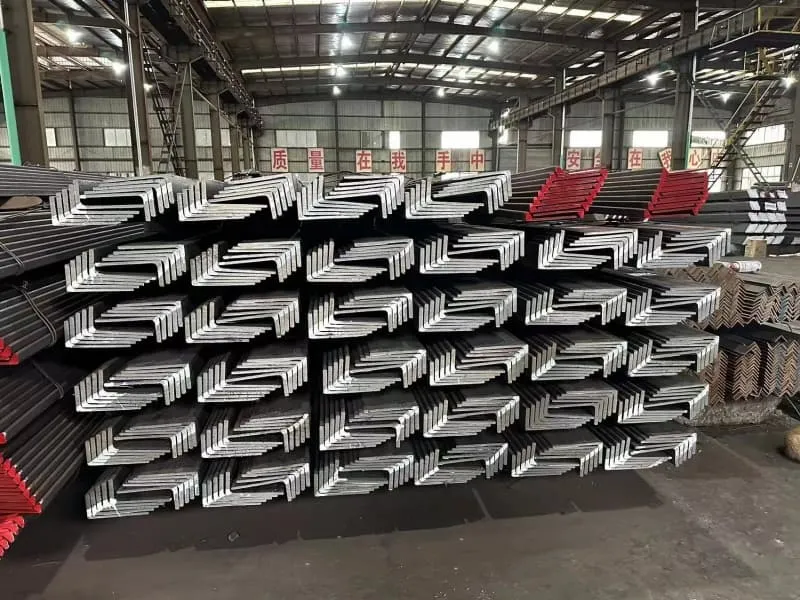
Understanding Standard Size Ranges and Applications
Based on my daily interactions with shipyards and fabricators, I’ve identified patterns in how different sizes are used in marine construction.
Standard Size Classification Systems
Marine L-shaped steel follows several international standards:
-
JIS G31923 (Japanese Standard):
- Common in Asian shipbuilding
- Sizes: 20x20mm to 200x200mm
- Thickness: 3mm to 20mm
- Well-documented and widely available
-
DIN 10254 (German/European Standard):
- Used in European shipyards
- Similar size ranges with different tolerances
- Often specified for offshore projects
-
ASTM A36/A65 (American Standard):
- Common in Americas and some Middle Eastern projects
- Imperial sizes also available (inches)
- Must meet classification society equivalency
Common Marine Applications by Size
From observing ship construction across different regions:
| Size (Equal Leg) | Typical Thickness | Common Marine Applications | Why This Size Fits |
|---|---|---|---|
| L50x50mm | 5-6mm | Light framing, small brackets | Lightweight, easy to handle |
| L75x75mm | 6-8mm | Secondary frames, walkway supports | Good strength-to-weight ratio |
| L100x100mm | 8-12mm | Primary hull frames, bulkhead stiffeners | Standard for main structural work |
| L150x150mm | 12-16mm | Heavy frames, foundation supports | High load capacity |
| L200x200mm | 16-20mm | Main longitudinal frames, keel supports | Maximum strength for critical areas |
Size Selection Considerations
Based on engineering discussions I’ve participated in:
- Load Requirements: Larger sizes handle greater loads
- Space Constraints: Smaller sizes fit in tight spaces
- Welding Considerations: Thicker sections require different procedures
- Weight Optimization: Engineers balance strength with weight savings
- Availability: Standard sizes have better availability and pricing
Unequal Angle Applications
Unequal L sections (like L100x75mm) serve specific purposes:
- Space optimization: Where one direction has more clearance
- Specialized bracketing: Custom connections between different members
- Cost saving: When full equal angle strength isn’t needed
Practical Procurement Advice
From helping clients like Gulf Metal Solutions:
- Reference drawings: Always check the naval architect’s specifications
- Consider tolerances: Marine standards have specific dimensional tolerances
- Plan for cutting: Standard lengths may need cutting to fit
- Order extras: Account for cutting waste and potential defects
I recall a project in Qatar where the engineer specified non-standard sizes to save weight. We explained that while possible, it would increase cost and lead time. They opted for standard sizes with slight design modifications, saving both time and money while meeting all structural requirements.
What is L shape steel1?
A contractor in Saudi Arabia once confused L-shaped steel with flat bar, ordering the wrong material for their ship repair project. This basic misunderstanding delayed their work until we clarified the fundamental differences between steel profiles.
L shape steel1, commonly called angle iron2 or angle bar, is a structural steel profile with an L-shaped cross-section formed by two legs meeting at a 90-degree angle. In marine applications3, it’s used for framing, bracing, stiffening, and supporting structures throughout ships and offshore platforms, with specific grades and dimensions certified by classification societies like ABS, LR, or DNV for maritime use. Its simple but effective shape provides strength in two directions while being relatively easy to fabricate and install.
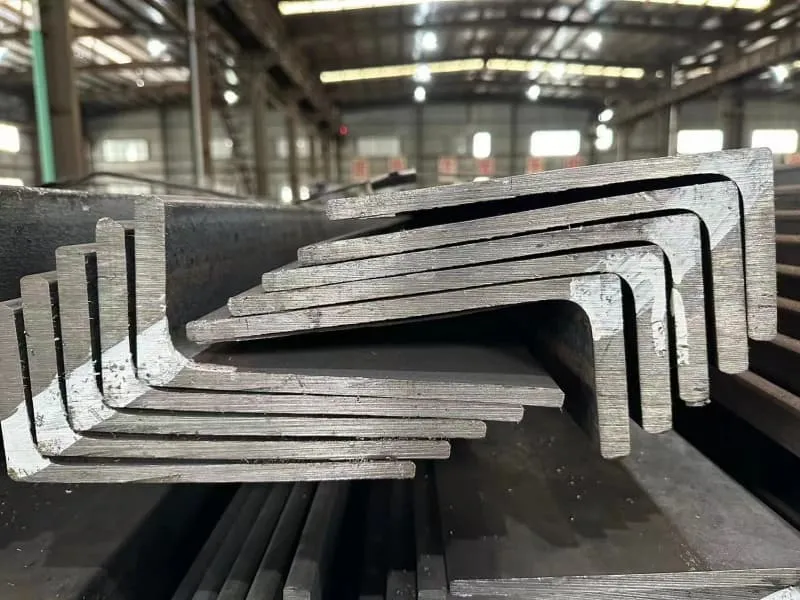
The Fundamental Characteristics of L-Shaped Steel
Through years of supplying marine projects, I’ve come to appreciate why this simple profile remains essential in shipbuilding.
Basic Geometry and Terminology
Every L-shaped steel has three key dimensions:
- Leg Length (A and B): The length of each perpendicular leg
- Thickness (t): The material thickness of the legs
- Length: The overall length of the bar (typically 6-12m)
The profile creates natural advantages:
- Inherent stiffness: Resists bending in two directions
- Easy connection: Multiple surfaces for welding or bolting
- Versatile orientation: Can be used in multiple positions
- Simple fabrication: Easy to cut, drill, and weld
Manufacturing Processes for Marine L-Shaped Steel
Based on mill visits and production discussions:
-
Hot Rolling (Standard Method):
- Steel is heated to 1100-1300°C
- Passed through rolling stands to form the L shape
- Produces the characteristic mill scale surface
- Creates material with good ductility and toughness
-
Quality Control Measures:
- Dimensional checks at multiple stages
- Straightness verification
- Surface inspection for defects
- Sampling for mechanical testing
Why L-Shaped Steel Dominates Marine Construction
From observing countless shipbuilding projects:
| Advantage | How It Benefits Marine Applications |
|---|---|
| Structural Efficiency | Provides strength where needed without excess material |
| Fabrication Friendly | Easy to cut, weld, and fit into complex structures |
| Cost Effective | Simple manufacturing process keeps costs reasonable |
| Space Efficient | Fits into tight spaces within hull compartments |
| Versatile | Serves multiple structural purposes |
Comparison with Other Structural Profiles
Understanding how L-shaped steel compares helps in material selection:
| Profile Type | Key Characteristics | Typical Marine Use |
|---|---|---|
| L-Shaped (Angle) | Simple, versatile, cost-effective | Framing, bracing, stiffening |
| Bulb Flat | High stiffness-to-weight ratio | Longitudinal stiffeners |
| T-Bar | Symmetrical stiffness | Some framing applications |
| Channel | Open section for routing services | Less common in primary structure |
Grade Considerations for Marine Use
Not all L-shaped steel is equal for marine applications3:
- Commercial grades: ASTM A36, S235JR – for general construction
- Marine grades: ABS A, B, D, E – with specific toughness requirements
- High-strength grades: AH36, DH36 – for weight-saving designs
In Vietnam, I worked with a shipyard that was using commercial grade angles in their hull. When classification surveyors discovered this, they had to replace all the non-compliant material. Now we ensure all our marine clients understand the importance of specifying the correct grade along with the correct dimensions.
What is the length of the L angle bar?
A fabricator in Mexico planned their cutting patterns based on assumed 6-meter lengths, but received 12-meter bars that didn’t fit their equipment. This mismatch caused production delays and material waste that could have been avoided with proper length specification.
Standard L angle bars1 are typically produced in lengths of 6, 9, or 12 meters, with 12 meters being most common for marine applications due to shipping efficiency and reduced welding requirements. However, mills can produce custom lengths2 up to 18 meters or more for specific projects, though these often require special orders with longer lead times and minimum quantity requirements. The choice of length affects shipping costs3, fabrication efficiency4, and material yield.
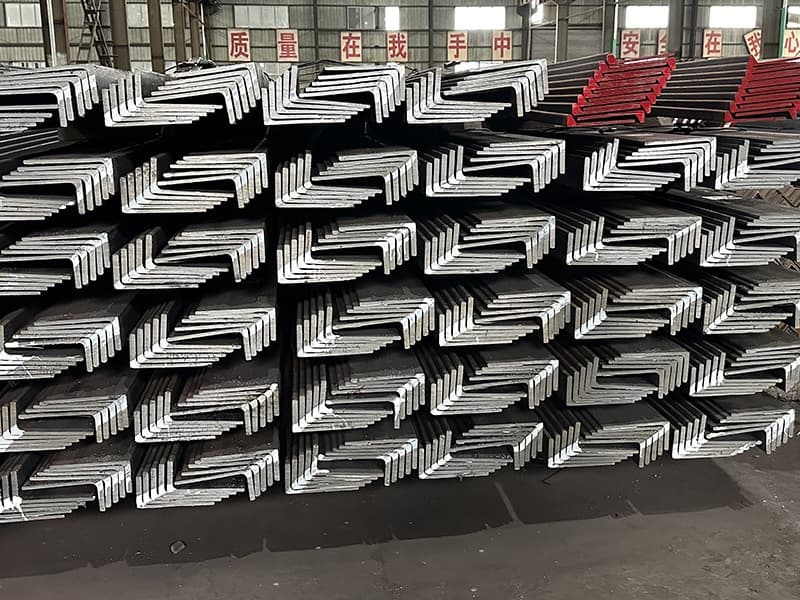
Practical Considerations for Length Selection
Based on coordinating shipments to shipyards worldwide, I’ve learned how length choices impact entire projects.
Standard Production Lengths
Mills typically produce in these lengths for efficiency:
-
6 Meters (19.7 feet):
- Easy to handle and transport
- Fits most standard trucks
- Common in smaller projects
- Disadvantage: More welding required for long runs
-
9 Meters (29.5 feet):
- Balance between handling and efficiency
- Less common than 6m or 12m
- May require special transportation
-
12 Meters (39.4 feet):
- Most common for marine projects
- Optimizes shipping container space
- Reduces welding connections
- Standard for international shipping
Factors Influencing Length Selection
From client discussions and project observations:
| Factor | How It Affects Length Choice | Practical Example |
|---|---|---|
| Shipping Method | Container dimensions limit lengths | 12m fits 40ft containers perfectly |
| Fabrication Equipment | Cutting bed capacities matter | Some yards can only handle 6m pieces |
| Design Requirements | Continuous runs need longer pieces | Hull longitudinals often use 12m |
| Transportation Limits | Road restrictions apply | Over-length loads need special permits |
| Welding Economy | Fewer welds save time and cost | Longer pieces reduce connection points |
Container Shipping Considerations
A significant insight from our export experience:
- 20ft container: Maximum length ~5.9m internally
- 40ft container: Maximum length ~12.03m internally
- 40ft High Cube: Same length with more height
- Open top/flat rack: For longer than 12m pieces
Custom Length Possibilities
For specialized applications:
- Up to 18 meters: Possible with some mills
- Pre-cut lengths: To exact project dimensions
- Random lengths: Within a specified range
- Trade-offs: Higher cost, longer lead times, minimum quantities
Yield Optimization Strategies
Based on material planning with clients:
- Design to standard lengths: Minimize cutting waste
- Consider cutting patterns: Plan cuts before ordering
- Account for end waste: Cutting operations create some loss
- Order extra: Typical 3-5% for cutting and defects
Real-World Example
A shipyard in Thailand was ordering 6m lengths for all their angles. We showed them that switching to 12m lengths would:
- Reduce welding by 50% for long runs
- Save 8% on material costs through bulk pricing
- Fit perfectly in containers for shipping from China
- Reduce handling time in their yard
After calculating the total savings, they switched their standard to 12m lengths for most applications, keeping 6m only for specific short pieces.
What is the size of steel?
A project manager in Romania asked for "size 200 steel" expecting 200x200mm angles, but different team members interpreted this differently—some thought plate thickness, others thought pipe diameter. This confusion highlights why precise terminology matters.
In steel terminology1, "size" can refer to different dimensions depending on the product: for L-shaped steel2 it means leg lengths and thickness (e.g., 100x100x10mm), for plates it means thickness x width x length, for pipes it means diameter and wall thickness, and for beams it means depth x flange width. In marine L-shaped steel2 specifically, size always refers to the three key dimensions: leg A x leg B x thickness, typically expressed in millimeters. Precise communication prevents costly misunderstandings in procurement.
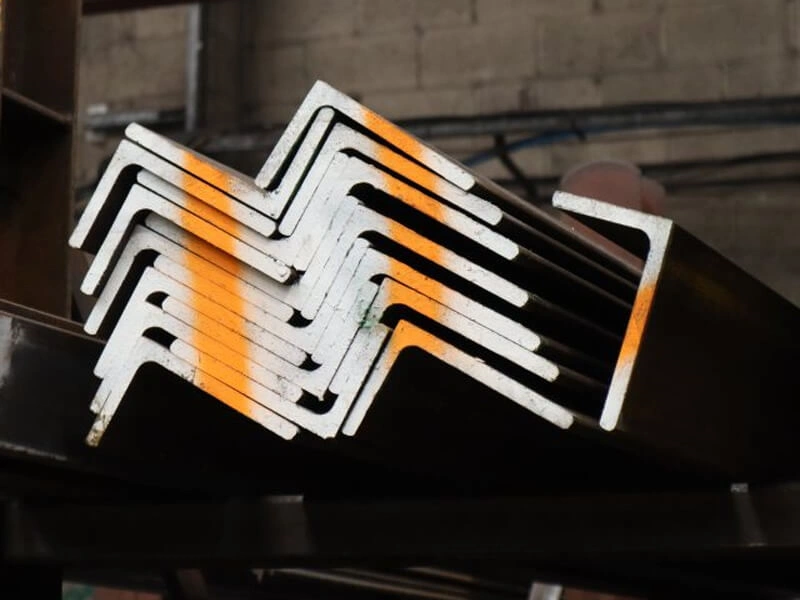
Navigating Steel Size Terminology Across Product Types
Through countless specification reviews and client consultations, I’ve developed a framework for clear size communication.
Size Definitions by Product Category
Understanding these differences prevents specification errors:
-
L-Shaped Steel (Angles):
- Format: L A x B x t
- Example: L100x100x10mm
- Meaning: 100mm legs, 10mm thickness
- Note: For equal angles, sometimes written as L100x10mm
-
Steel Plates (Our other major product):
- Format: Thickness x Width x Length
- Example: 10mm x 2000mm x 8000mm
- Meaning: 10mm thick, 2m wide, 8m long plate
-
Structural Beams (I-beams, H-beams):
- Format: Depth x Flange Width x Web Thickness
- Example: HE 300 A (European) or W12x30 (American)
- Meaning: Standardized section designations
-
Steel Pipes and Tubes:
- Format: Outside Diameter x Wall Thickness
- Example: 114.3mm x 6.0mm
- Meaning: Pipe with 114.3mm OD, 6mm wall
Common Specification Errors I’ve Corrected
| Incorrect Specification | What It Might Mean | Correct Format |
|---|---|---|
| "Size 100 steel" | Unclear – angle, pipe, or beam? | Specify product type first |
| "200mm steel" | Could be plate thickness or angle leg | L200x200x? or Plate 200mm |
| "10 gauge steel" | American gauge system varies by product | Convert to millimeters |
| "1 inch steel" | Imperial measurement needs clarification | 25.4mm or specify "L25x25x?" |
Marine-Specific Size Considerations
Based on classification society requirements:
| Dimension | Typical Tolerance | Why It Matters |
|---|---|---|
| Leg Length | ±2-3mm depending on size | Affects fit-up and welding |
| Thickness | ±0.5-1.0mm | Critical for strength calculations |
| Straightness | Allowance per meter length | Affects appearance and fit |
| Squareness | Angle must be 90° ± tolerance | Ensures proper load transfer |
Ordering Best Practices
From processing thousands of orders:
- Always use full specifications: "L100x100x10mm" not "100 angle"
- Include the standard: "Per JIS G3192" or "ASTM A36"
- Specify length: "12m random" or "cut to 5850mm"
- Add grade if needed: "ABS Grade AH36"
- Quantity format: Both pieces and weight (e.g., 100 pieces, ~2.5 tons)
Communication Protocol We’ve Developed
When clients contact us, we ask:
- What product exactly? (Angle, plate, beam, etc.)
- What are the dimensions? (In millimeters preferred)
- What standard applies? (JIS, DIN, ASTM, etc.)
- What grade is required? (Commercial or marine)
- What length works best? (Standard or custom)
Practical Example from Experience
A client in Saudi Arabia sent: "Need steel size 150." Through our clarification process, we determined they needed:
- Product: L-shaped steel2 (angles)
- Size: L150x150x12mm (equal leg)
- Standard: ASTM equivalent to their classification
- Grade: ABS Grade B for hull framing
- Length: 12 meters for container shipping
- Quantity: 5 tons for their project
This systematic approach ensures they receive exactly what they need, not what someone guessed they might need.
Conclusion
Understanding marine L-shaped steel dimensions requires knowing standard size ranges (20x20mm to 200x200mm), recognizing that "size" means leg lengths and thickness, selecting appropriate lengths (typically 12m), and using precise terminology to ensure accurate procurement for shipbuilding applications.
-
Understanding steel terminology is crucial for accurate specifications and avoiding costly errors in projects. ↩ ↩ ↩ ↩ ↩
-
Explore the specifications for L-shaped steel to ensure proper selection and application in your projects. ↩ ↩ ↩ ↩ ↩ ↩
-
Understand the impact of shipping costs on the choice of angle bar lengths. ↩ ↩ ↩ ↩
-
Discover how length selection can enhance fabrication efficiency in projects. ↩ ↩
-
Understanding this American standard is essential for projects in the Americas, ensuring proper material selection. ↩