
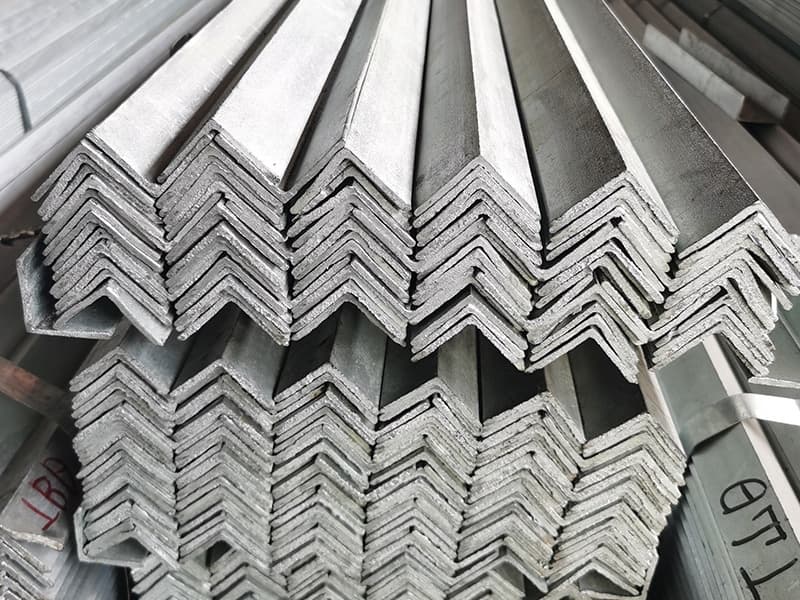
You receive a large shipment of marine angle steel, but the shipyard rejects it due to a certificate issue. This mistake can cost you weeks of delay and thousands of dollars. I will explain exactly what shipyards look for so you can avoid these problems.
Shipyards verify the basic information, mechanical properties, chemical composition, and classification society approvals on the certificate. They ensure every piece of steel is traceable, meets strength requirements, has the right chemistry for welding, and carries a valid stamp from a recognized body like ABS or DNV.
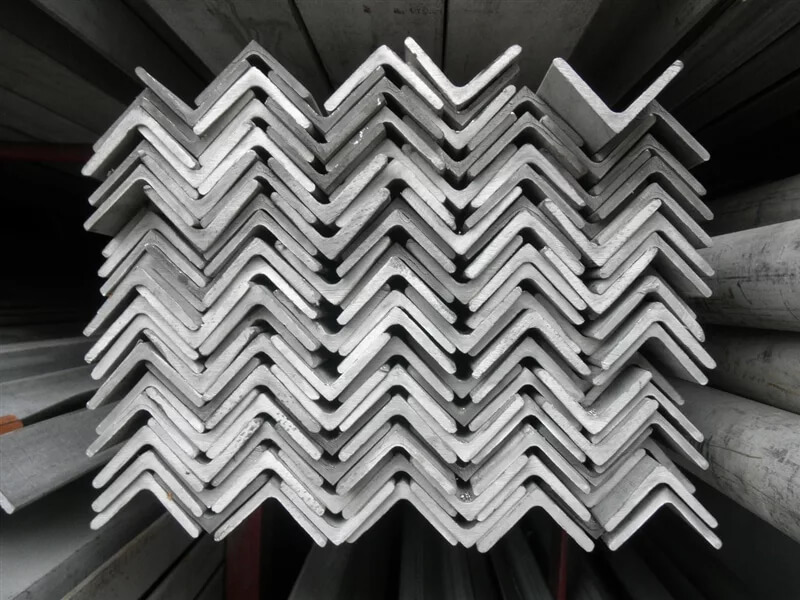
Many suppliers think a certificate is just a piece of paper. But in my years of exporting marine steel to shipyards in Vietnam, Saudi Arabia, and beyond, I have learned that a small mistake on a certificate can stop a whole shipment. Let me walk you through each checkpoint shipyards use, based on what my own customers have taught me.
The First Line of Defense: Verifying Basic Information and Traceability Marks?
Imagine a shipyard receives 500 tons of angle steel. They need to know exactly where each piece came from. If the basic info is wrong, they cannot trust the rest. This is why they start with the basics.
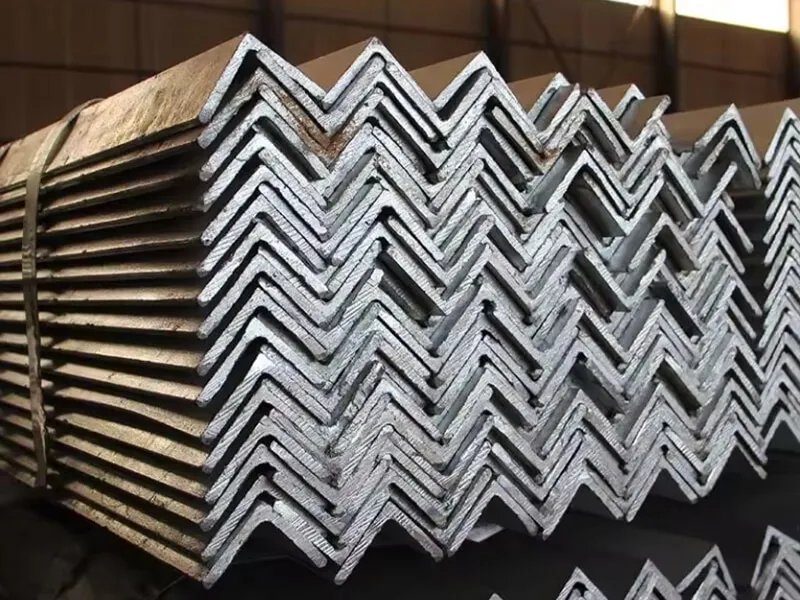
Shipyards check the manufacturer’s name1, steel grade2, size, heat number3, and batch number on the certificate. They also look for matching marks physically stamped on the steel itself. This ensures full traceability from mill to vessel.
What Information Do Shipyards Match?
Shipyards treat traceability as a chain. Every link must connect. They will compare the certificate against the steel and their own order documents. Here are the key items they verify:
| Checkpoint | What They Look For | Common Problems |
|---|---|---|
| Manufacturer Name | Must match the mill listed in their approved vendor list. | Name misspelled or different from mill stamp. |
| Steel Grade | Grade (e.g., A, B, AH36) must match the purchase order and ship design. | Grade misprinted or illegible on steel. |
| Dimensions | Angle size (e.g., 100x100x10mm) and length must match. | Dimensions listed do not match actual measurement. |
| Heat Number | The unique heat number on the certificate must be stamped on the steel. | Heat number missing or incorrect on steel. |
| Quantity | Number of pieces or total weight should align with the delivery note. | Discrepancies due to partial shipments. |
One time, a client in Mexico called me urgently. Their shipment was held up because the heat number on the physical steel was printed too lightly. The inspector could not read it. We had to send a technician with a portable etcher to re-mark every piece. That delay taught me to always double-check the physical marking before the steel leaves our warehouse in Liaocheng.
How Do Shipyards Verify Traceability Marks?
Shipyards often use a simple but strict method. An inspector walks to the storage yard with the certificate in hand. They randomly select a few pieces of angle steel. They look for the stamp or painted mark that shows the heat number. Then they compare it to the certificate.
If even one piece has a missing or mismatched mark, the inspector may flag the whole batch for further checking. In some cases, they will reject the entire lot. This is why we at our company always apply clear, durable marks. We also take photos during loading as proof for the customer.
Shipyards also check if the marks are permanent. Stickers or chalk marks are not acceptable. Only stamped or indented marks survive the outdoor environment of a shipyard. For high-strength steels like AH36, some yards even require additional color coding along with the stamp.
Mechanical Properties Under the Microscope: Yield, Tensile, and Elongation Requirements?
A ship’s hull bends with waves. The angle steel must handle this stress without breaking. If the mechanical properties are off, the structure can fail. Shipyards pay close attention here.
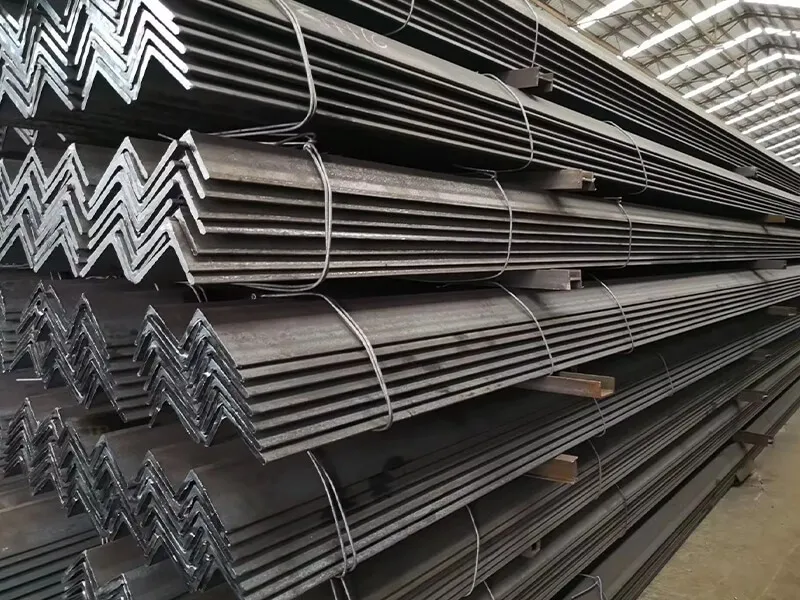
Shipyards check the certificate for yield strength1, tensile strength2, and elongation percentage3. They compare these numbers against the rules of the relevant classification society for that specific steel grade. For example, ordinary strength steel usually needs a minimum yield of 235 MPa.
What Are the Typical Mechanical Requirements?
Different grades have different requirements. Shipyards use tables from standards like ASTM A1314 or equivalents from classification societies. Here is a simplified example for common grades:
| Grade | Yield Strength (Min, MPa) | Tensile Strength (MPa) | Elongation (Min, %) |
|---|---|---|---|
| A (Ordinary) | 235 | 400-520 | 22 |
| B (Ordinary) | 235 | 400-520 | 22 |
| D (Ordinary) | 235 | 400-520 | 22 |
| AH36 (High Strength) | 355 | 490-620 | 21 |
| DH36 (High Strength) | 355 | 490-620 | 21 |
| EH36 (High Strength) | 355 | 490-620 | 21 |
These numbers are just the minimums. Shipyards also look at the actual test results. If the yield strength is exactly 235 MPa, it might pass, but some inspectors prefer a safety margin. Values well above the minimum show consistent mill quality.
How Do They Confirm the Tests Were Done Correctly?
Shipyards do not just read the numbers. They also check the test methods. The certificate should state that the tests followed a recognized standard, like ASTM or ISO. It should also show the sample location and orientation.
For marine angle steel, the test pieces are usually taken from the flange, in the longitudinal direction. If the certificate says the sample came from a different place, it raises a red flag. Some shipyards even send their own surveyors to witness the testing at the mill. This is common for big projects like oil tankers or bulk carriers.
I remember a case with a client from Qatar. They ordered a large quantity of angle steel for a new port project. Their inspector flew to China and spent two days in our partner mill. He watched every tensile test and marked the samples himself. After that, we gained his trust, and now he only asks for photos of the testing machine screen.
Shipyards also check the elongation value closely. Elongation shows ductility, or how much the steel can stretch before breaking. Steel that is too brittle can crack during welding or in cold weather. For grades like D and E, which are used in colder environments, the elongation requirement is often stricter.
Chemistry Counts: Scrutinizing Carbon Equivalent and Alloying Elements?
Welding is a huge part of shipbuilding. If the steel’s chemistry is wrong, welds can crack. Shipyards know this, so they study the chemical composition1 on the certificate carefully.
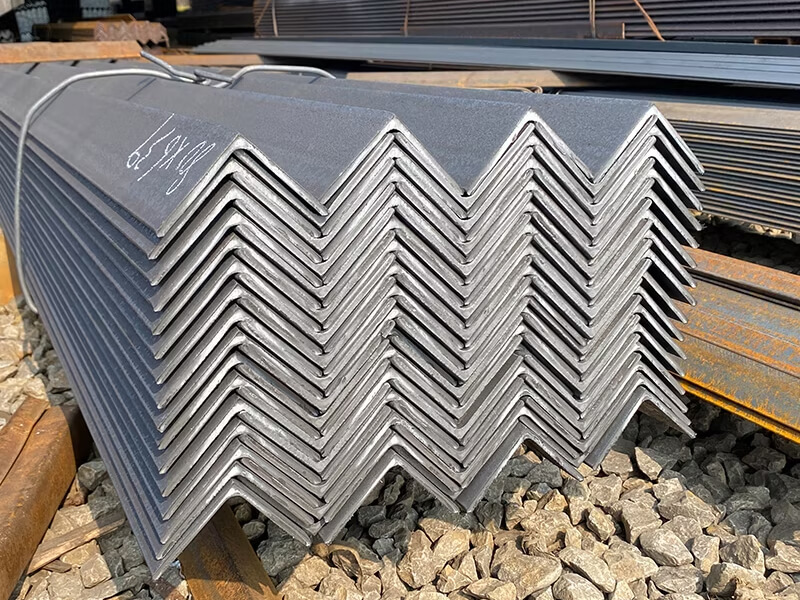
Shipyards focus on the carbon equivalent2 (CEV) because it affects weldability. They also check levels of carbon, manganese, silicon, phosphorus, and sulfur. Each element must fall within limits set by the classification society for the specific grade.
Why Is Carbon Equivalent So Important?
Carbon equivalent is a calculated value. It combines the effects of carbon and other elements like manganese and chromium. A high CEV means the steel is harder to weld and may need preheating to avoid cracks.
Shipyards have a maximum CEV they allow, depending on the grade. Here is an example of typical limits:
| Grade | Carbon (Max %) | Manganese (Max %) | CEV (Max %) |
|---|---|---|---|
| A | 0.21 | 2.5 (varies) | 0.40 |
| B | 0.21 | 2.5 (varies) | 0.40 |
| D | 0.21 | 2.5 (varies) | 0.40 |
| AH36 | 0.18 | 1.60 | 0.45 |
| DH36 | 0.18 | 1.60 | 0.45 |
| EH36 | 0.18 | 1.60 | 0.45 |
If the certificate shows a CEV of 0.43 for grade A steel, the shipyard will likely reject it. Even though the individual elements might be within range, the combination is too high for safe welding without special procedures.
What About Other Alloying Elements?
Besides carbon and manganese, shipyards watch for elements like silicon, phosphorus, and sulfur. Silicon helps deoxidize the steel, but too much can affect toughness. Phosphorus and sulfur are impurities that can cause brittleness. Their levels must be very low.
For higher strength steels like AH36, you will also see small amounts of niobium, vanadium, or titanium. These are added to improve strength. Shipyards check that these additions are within the specified ranges. Too much niobium, for example, can make welding difficult.
I once had a shipment to the Philippines stopped because the sulfur content was 0.06%, just slightly above the 0.05% limit. The buyer, a large project contractor, insisted on a full replacement. We had to reroll the steel. That experience taught me to always request the heat analysis from the mill before shipping, and to flag any values that are close to the limit.
Shipyards may also perform their own chemical tests on random samples. If their results do not match the certificate, they will reject the batch. This is why we offer SGS inspection support3. A third-party check before shipment gives both us and the customer peace of mind.
The Stamp of Approval: Validating Classification Society Symbols and Authorized Signatures?
A certificate without a recognized stamp is just a memo. Shipyards only accept steel certified by an authorized classification society1. This is the final and most important checkpoint.
Shipyards validate the certificate for the official stamp or logo of a recognized society like ABS, DNV, LR, CCS, or BV. They also check for the authorized signature2 of the surveyor and sometimes verify the certificate number3 online.
Which Classification Societies Are Accepted?
Every major shipyard works with a list of approved societies4. The choice depends on the ship’s flag state and the owner’s preference. Here are the most common ones:
| Society Name | Abbreviation | Logo/Symbol | Region |
|---|---|---|---|
| American Bureau of Shipping | ABS | ABS | USA |
| DNV GL (now DNV) | DNV | DNV | Norway/Germany |
| Lloyd’s Register | LR | LR | UK |
| China Classification Society | CCS | CCS | China |
| Bureau Veritas | BV | BV | France |
| Korean Register | KR | KR | South Korea |
| Nippon Kaiji Kyokai | ClassNK | NK | Japan |
Shipyards will only accept certificates from societies they have pre-approved. If your certificate carries a stamp from a smaller, unrecognized society, it will be rejected. In my experience, most of our clients in Saudi Arabia and Malaysia require ABS or DNV certificates. For projects in the Philippines, we often see NK or CCS.
How Do Shipyards Verify Authenticity?
Forgery is a real concern in the steel industry. Shipyards take steps to ensure the certificate is genuine. Here is what they commonly do:
- Check the stamp and signature: They compare the stamp with known samples. Some societies use special inks or holograms.
- Verify the certificate number: Many societies have online portals where you can enter the certificate number to see if it matches the issued one. Shipyards will use this.
- Contact the surveyor: If in doubt, they may call the local office of the classification society to confirm that the surveyor actually signed that certificate.
- Review the format: Official certificates follow a specific layout. Any deviation in font, logo placement, or paper quality raises suspicion.
I recall a situation with a new customer in Pakistan. He sent me a certificate he had received from another supplier, asking if it looked real. The stamp seemed faded, and the signature was printed, not original. I advised him to check with the local DNV office. He did, and found out the certificate was fake. That supplier lost the contract. We later supplied the steel with genuine DNV certificates.
Shipyards also check that the surveyor’s signature matches the one on file. Some yards keep a list of authorized surveyors in each region. If the name is not on the list, they will not accept it.
As a supplier, we make sure all our certificates come directly from the mill and are signed by the attending surveyor. We also offer to send high-resolution scans or photos of the original document before shipping. This helps our clients verify everything in advance.
Conclusion
Shipyards check certificates to guarantee safety and traceability. They verify basic info, mechanical tests, chemical makeup, and official stamps. Understanding this helps suppliers avoid costly rejections.
My Insights from the Front Lines
After years of working with shipyards and distributors across Vietnam, Mexico, and the Middle East, I have learned that a certificate is more than a technical document. It is a communication tool. When you provide a clear, accurate, and fully compliant certificate, you tell the shipyard that you are a reliable partner. I always tell my team: check the certificate like you are the shipyard inspector. Look at every number, every stamp, every mark. If something looks off, fix it before the steel ships. That is how we build trust. And trust is what keeps our customers coming back for marine steel plates, angle steel, and bulb flats, project after project.
-
Understanding classification societies is crucial for ensuring compliance and safety in maritime operations. ↩ ↩ ↩ ↩
-
Learn why authorized signatures are vital for validating certificates and preventing forgery. ↩ ↩ ↩ ↩
-
Find out how to verify certificate numbers to ensure they are legitimate and issued by recognized societies. ↩ ↩ ↩ ↩
-
Get a comprehensive list of approved classification societies that shipyards trust for certification. ↩ ↩