
You are designing a ship’s frame. You need a profile that is strong, lightweight, and easy to fabricate. You consider standard angles and tees, but they seem inefficient. There is a better solution that has been the backbone of shipbuilding for decades.
Bulb flat steel is ideal for ship frames and decks because its unique design provides high section modulus and moment of inertia in one direction. This offers superior bending strength with less weight compared to simple flat bars. The bulb allows for easier welding to plates and provides a clean, functional edge for deck supports, making construction faster and more efficient.
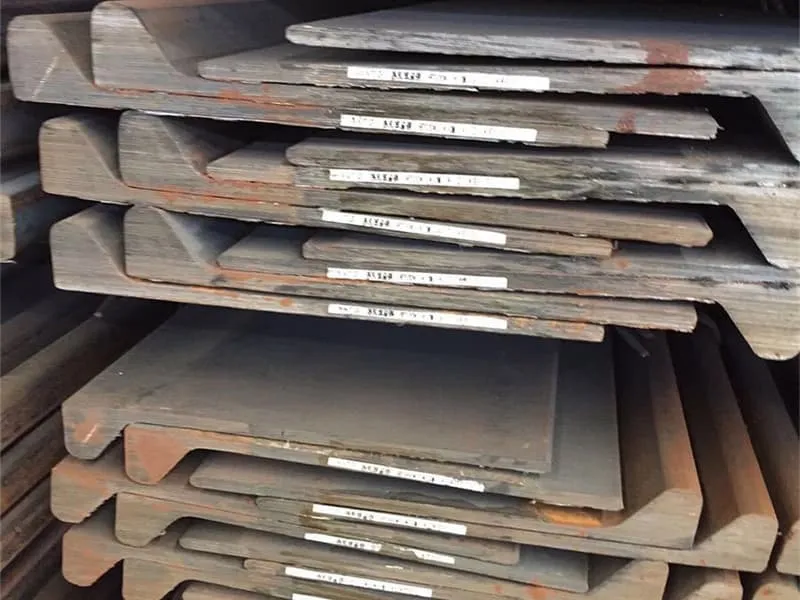
The bulb flat is not a new invention. But its continued dominance in shipyards worldwide proves its fundamental advantages. To understand why it is so ideal, we need to look at its uses, compare it to other steels, and even clear up a common naming confusion. Let’s start with its core functions.
What are bulb flats1 used for?
You see these T-shaped steel bars stacked in a shipyard. They look simple, but their design is precise for specific jobs. Using them correctly is key to a strong and cost-effective ship structure.
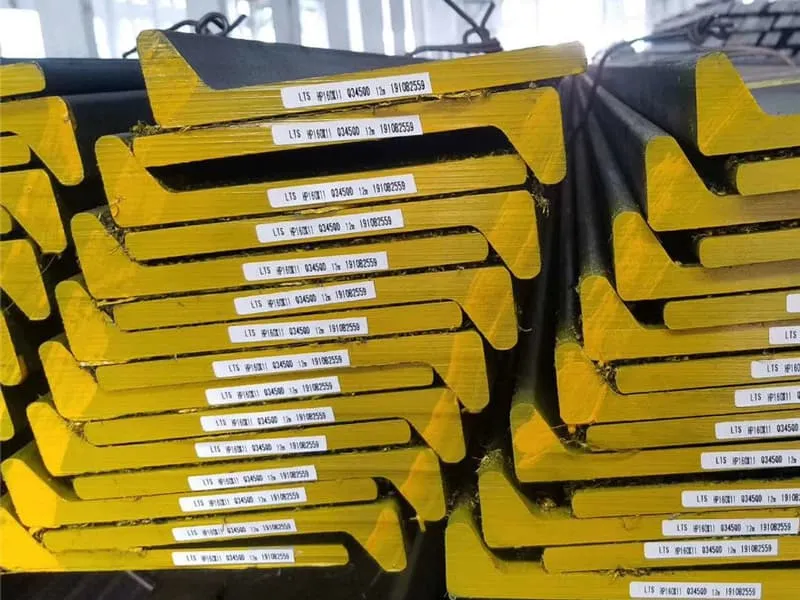
Bulb flats are primarily used as longitudinal and transverse stiffeners2 in shipbuilding. They are welded to steel plates to form the frame of the hull, decks, and bulkheads. Their main job is to reinforce large flat areas, like the ship’s side shell or deck plating, preventing buckling under load and increasing overall structural rigidity.
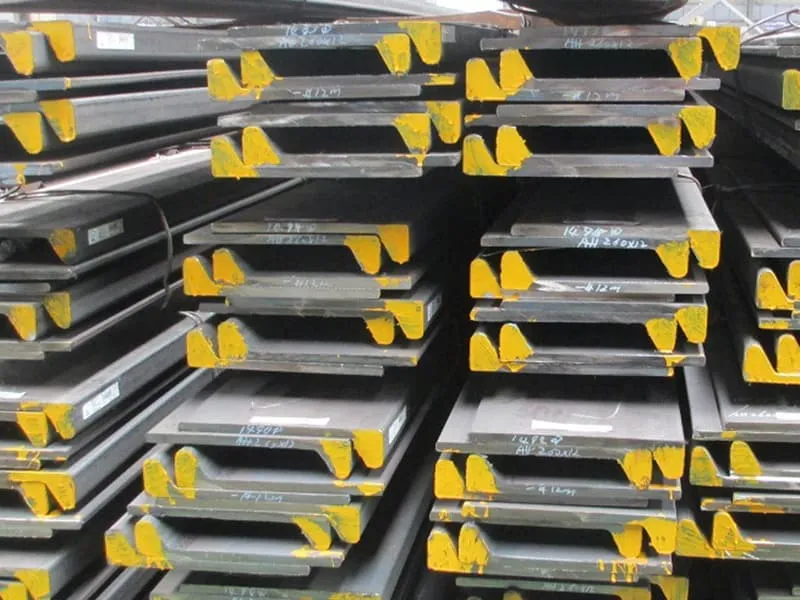
The term "stiffener" is central here. A ship’s hull is like a large metal box. The thin steel plates that form its walls can easily bend or buckle under water pressure and cargo loads. Bulb flats solve this problem.
The Role of a Stiffener: Turning a Plate into a Beam
Think of a sheet of paper. It is floppy. Now fold it into a U-shape. It becomes much stiffer. A bulb flat works on the same principle. When you weld it perpendicular to a plate, you create a "T-beam." This composite structure is incredibly resistant to bending along the length of the bulb flat.
- Longitudinals: These are stiffeners that run the length of the ship, from bow to stern. They are usually closely spaced and support the bottom shell, side shell, and deck plating. They are the ship’s primary resistance to longitudinal bending (sagging and hogging) in waves.
- Transverses: These are stiffeners that run across the ship’s width (athwartships). They support the longitudinals and transfer loads to the main transverse frames and bulkheads. They create the ship’s "ribs."
Specific Applications on a Ship
Bulb flats have a place in almost every major structural area:
- Hull Framing: This is their most common use. They form the skeleton that gives the hull its shape and strength.
- Deck Beams: Under the main deck, bulb flats1 provide support for the deck plating and distribute the weight of cargo, equipment, and containers.
- Bulkhead Stiffeners: Walls inside the ship (bulkheads) also need reinforcement, especially watertight bulkheads that must withstand flood pressure.
- Foundation Supports: They are used to create strong bases for mounting heavy machinery like main engines, generators, and cargo handling gear.
The advantage over a simple flat bar is the bulb. The bulb adds mass away from the plate (the "web"). This increases the section modulus dramatically without needing a very thick or wide flat bar. For our clients who are project contractors, this means they can achieve the required strength with less steel tonnage, reducing both material cost and the ship’s final weight. A lighter ship can carry more cargo or use less fuel. This is a direct economic benefit from choosing the right profile.
What is the best steel for ship building?
There is no single "best" steel. The best choice is the one that perfectly matches the specific location, function, and service conditions of each part of the ship. It is a balance of strength, toughness, weldability, and cost.
The best steel for shipbuilding depends on the application. For most hull structures, normal strength Grade A, B, D, or E steel is standard. For critical areas like the keel, sheer strake, or ice-going vessels, high-strength grades (AH, DH, EH) with superior low-temperature toughness are best. Corrosion resistance is also key, often addressed with coatings or specific alloys.
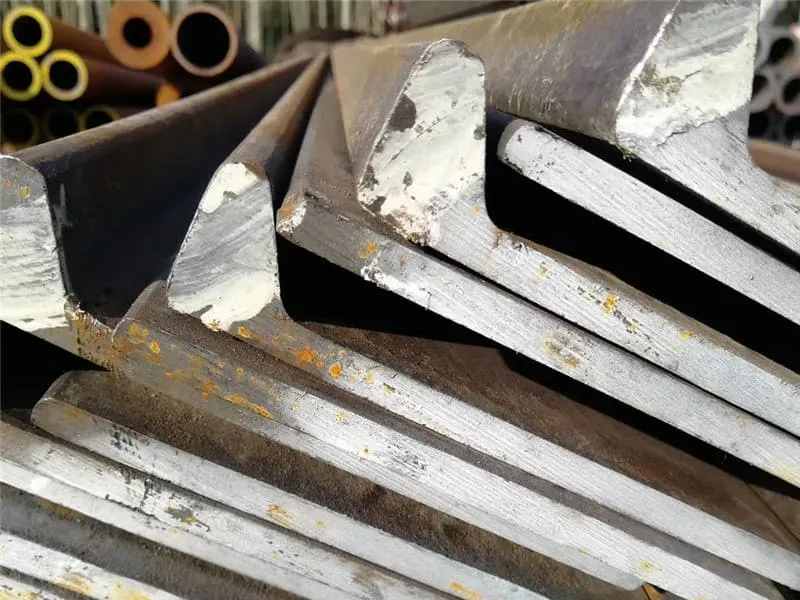
Calling one steel "the best" is like saying one tool is the best for all jobs. You need different tools for cutting, hammering, and measuring. Similarly, you need different steels for a ship’s bottom, sides, and deck.
Criteria for Selecting Marine Steel
We judge marine steel by several key properties:
- Strength (Yield Strength): The stress it can handle before it deforms permanently. High strength allows for thinner, lighter plates.
- Toughness: The ability to absorb energy and resist brittle fracture, especially in cold temperatures. This is critical for safety.
- Weldability: How easily and reliably the steel can be welded without cracking. This affects construction speed and cost.
- Corrosion Resistance: Resistance to rust from seawater and atmosphere. This impacts maintenance and longevity.
- Cost: The balance between performance and project budget.
The "Best" Steel for Different Ship Zones
We can make a practical map of the ship and assign the most suitable steel.
| Ship Area / Component | Recommended Steel Type | Primary Reason |
|---|---|---|
| Inner Bottom Plating, Non-critical Decks | Normal Strength Grade A or B | Cost-effective for areas with lower stress. Good weldability. |
| Midship Hull Plating, Main Deck | Normal Strength Grade D or High Strength Grade AH32/DH36 | These areas experience high bending stresses. Grade D offers good toughness; AH/DH grades offer high strength for weight saving. |
| Keel, Sheer Strake, Bilge Strake | High Strength Grade DH36, EH36 or higher | These are the most critically stressed parts of the hull. They require the highest toughness (Grade E/H) to prevent catastrophic crack propagation. |
| Ballast Tanks, Waterline Zone | Corrosion-Resistant Steel or coated standard steel with extra protection | These areas are constantly wet and prone to accelerated corrosion. Special paints, coatings, or steel with added corrosion resistance (like Cu, Cr, Ni alloys) are used. |
| Superstructure (above main deck) | Higher Grade Steels (e.g., DH36) or thinner HSLA steel | The superstructure needs strength but also wants to minimize top-side weight for stability. High-strength steels allow for lighter construction. |
For bulb flats themselves, they are typically made from the same grade as the plate they are welded to. If the hull plate is AH36, the bulb flat stiffener will also be AH36. This ensures uniform strength and weldability. When a client like a shipyard in Vietnam asks for the "best" steel, we don’t give one name. We ask about their ship design, the classification society rules (like ABS, LR, DNV), and the sailing route. Then we recommend a material plan. Sometimes, the "best" choice is a reliable Grade D steel for the whole hull from a certified mill, ensuring consistent quality and smooth class approval. Consistency can be more valuable than chasing the highest grade.
What is the purpose of the bulb on the front of a ship?
This is a common point of confusion. The "bulb" in "bulb flat steel" has nothing to do with the "bulbous bow" on the front of a ship. They are completely different things with different purposes. It is important to clear this up.
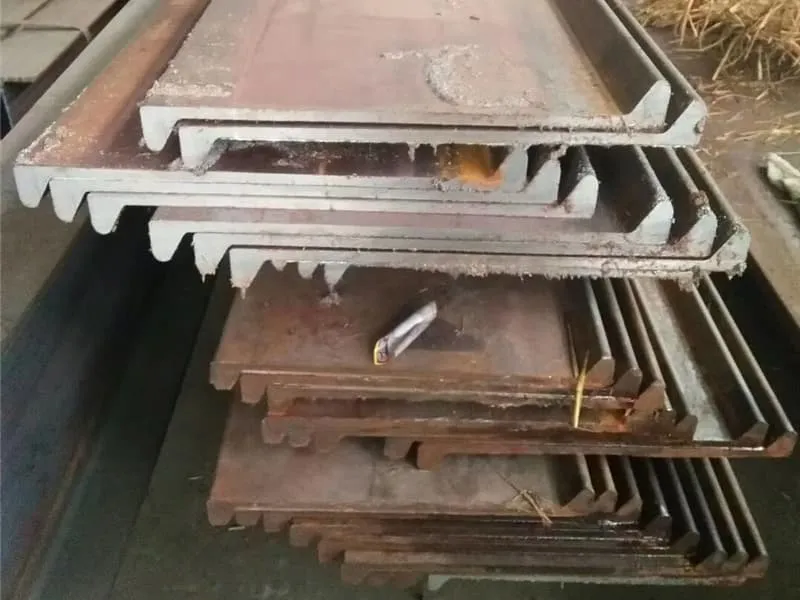
The bulb on the front of a ship is called a bulbous bow. Its purpose is hydrodynamic. It changes the water flow around the hull, reducing wave resistance and improving fuel efficiency at the ship’s design cruising speed. It has no structural relation to bulb flat steel, which is named for the bulb-like protrusion at the end of its cross-section.
Mixing up these terms can lead to misunderstandings in technical discussions. Let’s explain each "bulb" clearly.
Bulbous Bow: The Ship’s Nose Job
The bulbous bow is a large, rounded protrusion extending forward from the waterline at the ship’s bow. It is part of the hull itself.
- How it Works: As the ship moves, it creates waves. The bulbous bow creates its own wave system. Engineers design the bulb so that its wave interferes with the main hull wave. If done correctly, this interference reduces the size of the overall wave the ship has to push, requiring less engine power.
- The Benefit: For large, slow-moving vessels like tankers, bulk carriers, and container ships, a bulbous bow can reduce fuel consumption by 10-15% at cruising speed. This is a huge operational saving over the ship’s life.
- The Drawback: It is only efficient within a certain speed range. For ships that operate at various speeds (like naval vessels or tugs), a bulbous bow may not be beneficial.
Bulb Flat Steel: The Structural Rib
The "bulb" in bulb flat steel refers to the small, rounded end of the "T" profile. It looks like a bulb or a teardrop at the tip of the flat section (the "web").
- Its Functional Purpose:
- Increased Section Modulus: As explained earlier, it adds material away from the neutral axis, making the profile stiffer.
- Improved Weldability: The rounded bulb provides a smoother transition for the weld fillet when attaching the flat to a plate. This reduces stress concentration compared to a sharp corner, making the joint stronger and less prone to fatigue cracks.
- Handling Safety: The rounded edge is safer for workers to handle than a sharp-edged flat bar, reducing the risk of cuts.
So, while a ship’s bulbous bow saves fuel by shaping water flow, a bulb flat’s bulb saves weight and improves weld strength by shaping steel efficiently. They are both brilliant engineering solutions, but for entirely different domains: hydrodynamics versus structural mechanics. When we talk with technical buyers, using the correct terms shows professional knowledge and avoids confusion during the ordering process.
Which type of steel is most commonly used in shipbuilding due to its strength and durability?
Walk through any major shipyard. The plates being cut, the profiles being welded—the vast majority share a common family name. This is the workhorse steel that balances all the essential properties for safe and economical ship construction.
Normal strength Grade A through E hull structural steel is the most commonly used type in shipbuilding due to its good balance of strength, toughness, weldability, and cost. Among these, Grade A and Grade B are the most ubiquitous for general hull plating and internal structures where the highest toughness is not required.
"Common" does not mean "basic." It means "proven and optimal for the majority of applications." Let’s look at why this category wins.
The Dominance of Normal Strength Hull Steel
Classification societies (like ABS, LR, DNV) define strict standards for hull steel. Normal strength steel typically has a yield strength of 235 MPa (or 32,000 psi). Its popularity comes from a winning combination:
- Proven Performance: It has been used for over a century. Its behavior in all conditions—welding, forming, and at sea—is extremely well understood.
- Excellent Weldability: It has a relatively low Carbon Equivalent (CEV). This means shipyards can weld it quickly and reliably with standard procedures, without extensive pre-heating or special electrodes. This keeps construction costs down.
- Cost-Effectiveness: It is produced in enormous quantities worldwide. The mature production process and scale make it the most affordable marine-grade steel option.
- Adequate Toughness for Most Zones: For ships not operating in Arctic waters, the toughness of Grade B (tested at 0°C) or Grade D (tested at -20°C) is perfectly sufficient.
Where High-Strength Steel Fits In
High-strength steel (with yield strengths of 315 MPa, 355 MPa, 390 MPa and above) is also very common, but its use is more targeted. It is not used for the entire hull because it is more expensive and can be slightly more sensitive to welding.
- Its Role: High-strength steel is used strategically. You use it in key areas (sheer strake, keel) to get higher strength, or you use it in decks and upper hull to reduce weight (topside weight is critical for stability). A ship might have a hull of 60% normal strength and 40% high-strength steel.
The Real-World Material Mix
A typical Panamax bulk carrier might use this mix:
- Bottom Shell, Side Shell: Mostly Grade B, with Grade D at the bilge and turn of the bilge.
- Deck: Grade B or AH32 to reduce weight.
- Keel Plate, Sheer Strake: Grade D or DH32.
- Internal Decks, Bulkheads: Grade A.
This shows that while high-strength steel is crucial, the volume of normal strength Grade A/B is larger. For bulb flats, which are stiffeners, they follow the grade of the adjacent plate. So, a huge number of bulb flats are made from Grade B steel. When we supply to large importers and wholesalers, the bulk of their inventory request is for these common grades. They know it matches the demand from their shipyard customers. Our job is to ensure that even this "common" steel comes with full traceability, mill certificates, and consistent quality batch after batch. That reliability is what makes a supplier a long-term partner, not just a one-time vendor.
Conclusion
Bulb flat steel is ideal because its efficient shape delivers maximum strength with minimum weight, simplifying construction. Choosing the right common marine steel grade for it ensures a durable, cost-effective, and class-approved ship structure.