
Imagine you are inspecting the hull of a newbuild vessel. You find a slight imperfection in a steel plate. Do you accept it? If that plate is not ABS certified, the risk is not just a delay. It’s a potential catastrophic failure at sea. Your project’s safety and legality depend on the materials you choose from the very beginning.
Using ABS certified steel is not an optional upgrade. It is the fundamental requirement for ensuring the structural integrity and safety of any marine vessel. This certification guarantees the steel meets the rigorous quality and performance standards set by the American Bureau of Shipping for maritime applications.
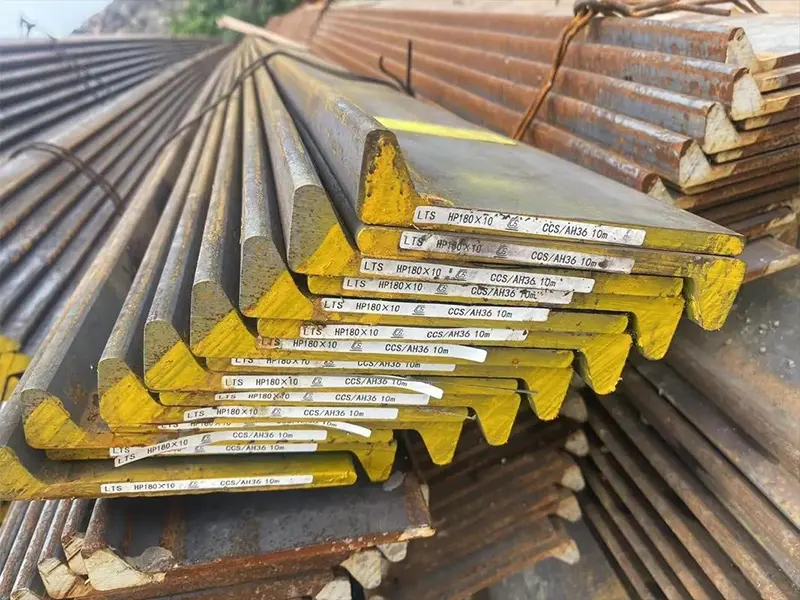
The ocean is the most unforgiving environment on Earth. As someone who has supplied marine steel to global projects for years, I have seen how the right material choices build trust, while the wrong ones lead to costly failures. Let’s break down exactly what ABS certification means and why it is the non-negotiable foundation of marine safety. Understanding this is your first step to securing a reliable supply chain and delivering successful, compliant projects.
What is ABS certification1 in marine?
Picture a shipowner facing a major insurance claim after a hull crack. The first question from investigators will be: "Was the vessel built to class?" Without ABS certification1, the owner has no defense. This scenario highlights the real-world power of a classification certificate.
ABS certification1 in marine is the official process where the American Bureau of Shipping verifies that a marine structure2, like a ship or offshore platform, or its components, like steel plates3, conform to their published Rules and standards for design, construction, and operational maintenance. It is a formal assurance of safety and quality.
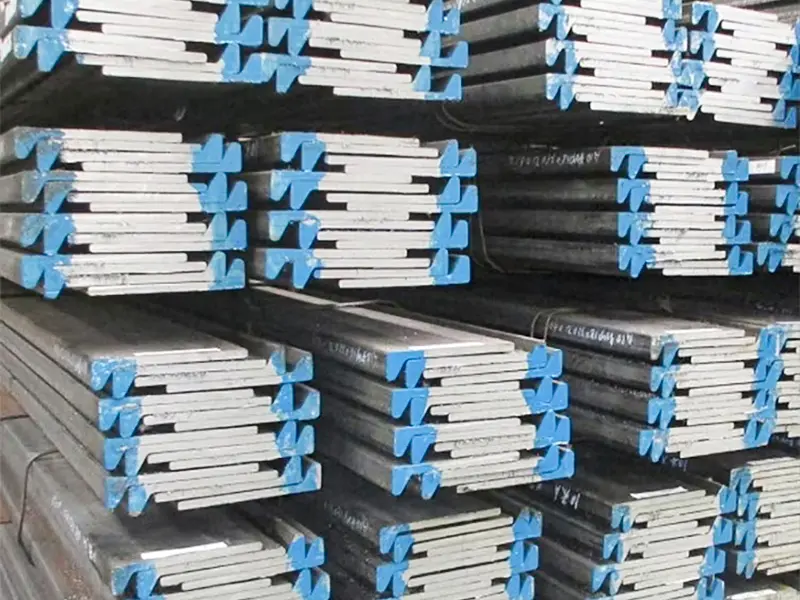
When we talk about ABS certification, it’s crucial to understand it operates on two main levels: the certification of the final structure (the ship) and the certification of the materials and components used to build it.
The Two Pillars of ABS Marine Certification
| Certification Type | What It Covers | Why It Matters to You |
|---|---|---|
| Class Certification4 (for the vessel) | This is the overall approval for the complete ship or offshore unit. ABS reviews design plans, surveys construction at the shipyard, and conducts periodic surveys throughout the vessel’s life. | This is the "license to operate." It satisfies regulatory bodies, insurers, and charterers. A vessel without class cannot trade internationally. |
| Product/Type Approval5 (for materials) | This is approval for specific items like steel plates3, pipes, valves, and engines. Mills and manufacturers are audited, and their products are tested to ABS Rules. | This is your guarantee of material quality. Using ABS-certified steel means every plate you purchase has a verifiable pedigree of strength, toughness, and chemical composition suited for marine service. |
The process starts long before steel is cut. A steel mill seeking ABS approval for its products undergoes a rigorous audit. ABS examines the mill’s entire production process—from melting and rolling to heat treatment and testing. They review quality control manuals, calibrate testing equipment, and witness actual production runs. Only after the mill’s system and sample products pass all checks does ABS issue a Product Designation Certificate. For you, the buyer, this means traceability. Each plate or section we supply comes with a Mill Certificate6 that references the ABS approval, allowing you and the shipyard to verify its fitness for purpose instantly.
The value of this system was made clear to me when a client in Saudi Arabia, Gulf Metal Solutions, was sourcing steel for a tanker repair project. Their previous supplier could not provide consistent certification documentation, causing delays at the shipyard. When we supplied ABS-certified plates with full, verifiable mill certificates, their project timeline stabilized immediately. The surveyor at the yard accepted the material without question, because the ABS stamp represented a trusted, global standard. This is the practical power of certification: it removes uncertainty and friction from the building process.
What is ABS certified steel1?
Think about a ship battling a North Atlantic storm. The steel in its hull must not just be strong; it must remain tough and resist cracking in freezing temperatures. Ordinary construction steel would fail. ABS certified steel1 is specifically engineered and tested to perform under these extreme conditions.
ABS certified steel1 refers to steel plates, sections, or bars that have been manufactured, tested, and documented in strict compliance with the material specifications and quality assurance procedures mandated by the American Bureau of Shipping. This steel carries the official approval for use in ABS-classed vessels and offshore structures.
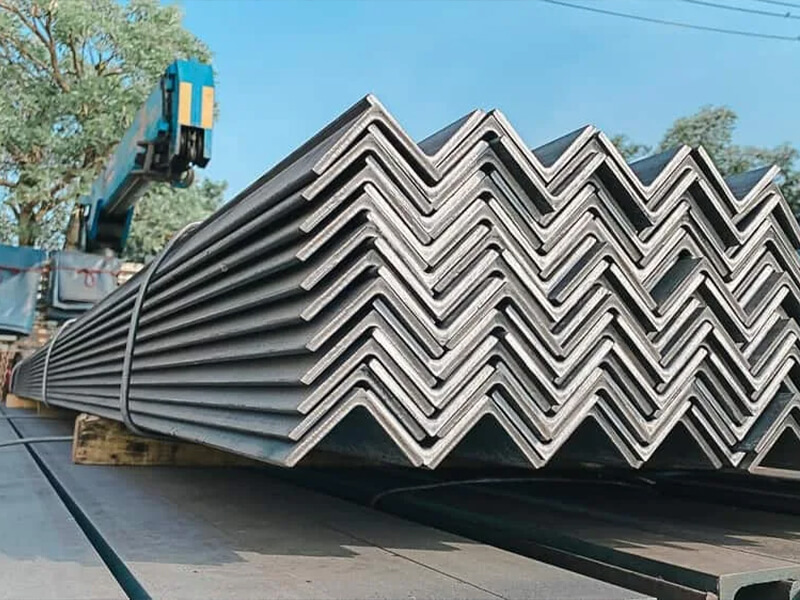
ABS certified steel1 is defined by a set of precise requirements that go far beyond basic national standards. It’s not just about chemistry and strength; it’s about guaranteed performance in the marine environment.
Key Requirements of ABS Certified Steel
| Requirement Category | Specific Standards | Practical Implication for Marine Use |
|---|---|---|
| Chemical Composition | Strict limits on elements like Carbon, Manganese, Sulfur, and Phosphorus. Alloying elements like Niobium or Vanadium may be required for higher grades. | Controls weldability, strength, and corrosion resistance. Low sulfur/phosphorus reduces the risk of cracking during or after welding. |
| Mechanical Properties | Minimum yield and tensile strength, along with elongation percentages, are specified for each grade (e.g., ABS Grade A, AH32, AH36). | Ensures the steel can withstand the structural loads and dynamic stresses experienced by a ship’s hull without deforming or breaking. |
| Toughness (Impact Testing) | Charpy V-Notch impact tests must be performed at specified low temperatures (e.g., -20°C, -40°C). The steel must absorb a minimum amount of energy. | This is critical for safety. It guarantees the steel will not become brittle and fracture in cold waters, which is a primary cause of catastrophic hull failure. |
| Testing & Documentation | Every single batch (cast) of steel is tested. A comprehensive Mill Test Certificate (MTC)2 must accompany the material, listing all test results and the ABS approval number. | Provides full traceability. This document is reviewed by the shipyard and ABS surveyor. It is the legal and technical record proving the steel’s conformity. |
The certification process is continuous. An ABS-approved mill doesn’t just get a one-time pass. ABS surveyors conduct regular, unannounced audits to witness testing and review records. They may randomly select plates from the warehouse for independent testing. This ongoing oversight is what maintains trust in the system.
In our daily business at CN Marine Steel, we see the difference this makes. For example, we stock ABS AH36 grade steel, a high-strength hull plate. Beyond the standard MTC, we often support clients with third-party SGS inspection to double-verify dimensions, surface quality, and marking. This extra step, which we offered to Gulf Metal Solutions, solves a common pain point: quality inconsistency. The surface finish of ABS certified steel1 is also controlled—free from excessive imperfections that could become nucleation points for corrosion or cracks. When our Saudi client remarked that our packaging was "the best they had received," it reflected this end-to-end commitment to preserving the certified quality of the product, from our mill partner’s production line to their fabrication shop in Dammam.
What is the ABS guide for marine management systems?
Consider a shipping company managing a fleet of 50 vessels. How do they ensure every ship, regardless of age or location, maintains its safety standards? Relying on memory or informal procedures is a recipe for disaster. The ABS Guide for Marine Management Systems1 provides the structured framework to prevent this.
The ABS Guide for Marine Management Systems1 is a formal set of requirements and best practices published by ABS to help marine companies establish, implement, and maintain a Safety Management System (SMS)2 and a Cybersecurity Management System3. It aligns with the International Safety Management (ISM) Code4 but provides additional, class-specific guidance.
This guide is not about steel chemistry. It’s about the organizational processes that ensure steel, and every other component, is correctly used and maintained throughout a vessel’s life cycle. It translates high-level safety goals into actionable procedures.
Core Components of the ABS Marine Management System Guide
| System Element | Primary Focus | How It Relates to Material Supply & Quality |
|---|---|---|
| Safety & Environmental Policy | Defines the company’s top-level commitment to safe operations and pollution prevention. | This policy should flow down to procurement. It mandates buying from reliable suppliers of certified materials to meet the policy’s safety objectives. |
| Company Responsibilities & Authority | Clearly outlines who is responsible for what, including the Designated Person Ashore (DPA). | Ensures there is accountable oversight for critical decisions, such as approving material suppliers or accepting alternative materials during repairs. |
| Resources & Personnel | Covers crew training, competence, and providing adequate resources (like proper tools and correct spare parts). | Trained personnel must be able to identify and handle certified materials. Procurement must be resourced to source genuine ABS-certified parts and steel. |
| Operational Procedures | Detailed instructions for critical shipboard operations, both normal and emergency. | Procedures for repairs and maintenance must specify the use of certified materials. A procedure for entering enclosed spaces, for instance, relies on the structural integrity of the steel space itself. |
| Emergency Preparedness | Plans and drills for responding to accidents and hazardous situations. | The effectiveness of emergency responses often depends on the structural integrity of the vessel, which is built on certified materials. |
| Cybersecurity Management | A newer, critical addition addressing threats to IT and operational technology (OT) systems on ships. | While not directly about steel, it protects the systems that control navigation and cargo, which operate within the physical steel structure of the ship. |
For a ship operator, implementing a system based on this guide is about proactive risk management. It means having a documented procedure for everything from ordering steel plates for a retrofit to investigating a minor hull dent. The system requires internal audits and management reviews5 to constantly identify and fix weaknesses before they cause incidents.
From a supplier’s perspective, understanding this guide helps us serve our clients better. When a project contractor like our clients in Vietnam or Mexico places an order, they are often working within the constraints of their own or their client’s SMS. They need documentation (MTCs, inspection reports) that seamlessly integrates into their system’s record-keeping. They need a reliable supply chain because their SMS mandates the use of certified materials. Our role is to be that reliable link—providing not just the ABS-certified steel plate but also the flawless documentation and consistent quality that supports our clients’ own management systems and compliance efforts. This alignment turns a simple transaction into a long-term partnership built on shared standards of safety and reliability.
What does ABS certified1 mean?
You receive a shipment of steel marked "ABS." But what does that stamp actually promise? It’s more than a logo. It is a chain of trust linking the mill’s furnace, the surveyor’s audit, your project, and ultimately, the safety of the crew and vessel at sea.
"ABS certified1" means that a specific product, material, or vessel has been independently verified by the American Bureau of Shipping2 to be in full compliance with its technical standards and quality assurance rules. This certification provides objective evidence of fitness for purpose in marine and offshore applications.
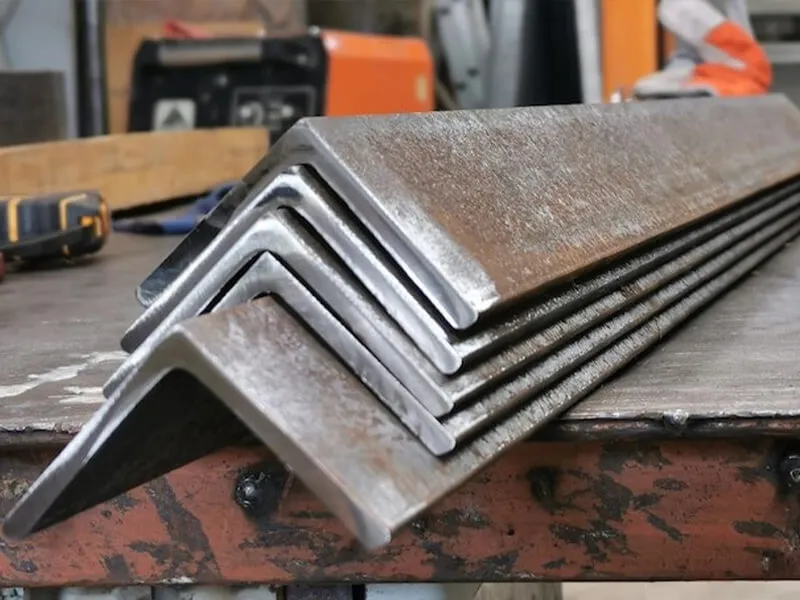
The term "ABS certified1" is a seal of approval that carries specific legal, commercial, and technical weight. It is not a vague claim of quality but a precise status with defined implications.
The Multi-Layered Meaning of "ABS Certified"
| Layer of Meaning | Explanation | Direct Impact on Your Business |
|---|---|---|
| Technical Compliance3 | The item meets precise material, design, and testing standards (e.g., ABS Rules for Materials & Welding, Steel Vessel Rules). | You can be confident in the technical performance of the product. It will behave as expected under load, in corrosive environments, and at low temperatures. |
| Quality Assurance4 | Its production was monitored under an ABS-approved Quality System. Every batch was tested, and records are traceable. | It reduces your inspection burden and quality risk. The Mill Test Certificate5 is your proof, simplifying acceptance by shipyards and surveyors. |
| Regulatory Acceptance6 | Most flag states and port state control authorities recognize ABS classification and certification as evidence of compliance with international conventions like SOLAS. | It facilitates smooth project approval and vessel registration. Using non-certified materials can lead to rejections, fines, or detention of the vessel. |
| Commercial & Insurance Value7 | Insurers (P&I Clubs, hull insurers) use class status to assess risk. Charterers often require vessels to be "in class." | It protects asset value and ensures marketability. A vessel built with certified materials supports its class status, which directly impacts insurance premiums and its ability to secure lucrative contracts. |
| Risk Mitigation8 | It represents due diligence in material selection. It shifts liability by proving a recognized standard was followed. | It protects you, the buyer or builder, from negligence claims if a material-related failure occurs. You can demonstrate you sourced materials according to the highest industry standards. |
It’s critical to distinguish between different types of certification. A "Type Approved" valve is certified as a design. An "ABS certified1 steel plate" is certified as a product from an approved mill. The famous "ABS sticker" or stamp on a completed vessel is the Class Certificate. All are part of the same ecosystem, but the certification applies to different entities.
In practice, for a B2B buyer like our clients, "ABS certified1" translates to procurement confidence. When Gulf Metal Solutions in Saudi Arabia evaluates suppliers, their rational, results-driven buyer is looking for this guarantee. They are not just buying a commodity; they are buying risk reduction. Our ability to supply genuine ABS-certified steel from our long-term cooperative mills, backed by SGS inspection support, directly addresses their core need for stable quality and reliable documentation. Their feedback on our fast response and excellent packaging underscores that "ABS certified1" from a reliable supplier encompasses the entire service experience—from the mill’s compliance to the supplier’s logistics and communication. It means the product on the delivery truck matches the promise on the certificate, every single time.
Conclusion
Choosing ABS certified steel is the definitive first step in building a safe, compliant, and seaworthy vessel. It is the non-negotiable foundation that supports every other safety system and operational decision in the maritime industry.
-
Understanding ABS certification is crucial for ensuring safety and compliance in marine projects. ↩ ↩ ↩ ↩ ↩ ↩ ↩ ↩ ↩ ↩ ↩ ↩ ↩ ↩ ↩ ↩
-
Explore how the American Bureau of Shipping ensures quality and safety in marine and offshore industries. ↩ ↩ ↩ ↩
-
Learn about the importance of technical compliance for product performance and safety. ↩ ↩ ↩ ↩
-
Discover how quality assurance processes enhance reliability and reduce risks in procurement. ↩ ↩ ↩
-
Learn about the significance of Mill Test Certificates in verifying material quality and compliance. ↩ ↩ ↩
-
Find out how regulatory acceptance impacts vessel registration and compliance with international standards. ↩ ↩
-
Understand the financial implications of ABS certification for vessels and their marketability. ↩
-
Explore how ABS certification helps in reducing liability and ensuring material safety. ↩