
A shipowner recently discovered his vessel’s steel plates lacked proper certification. The repair costs exceeded his initial savings three times over.
CCS certification ensures marine steel plates meet China Classification Society’s rigorous standards for shipbuilding. CCS certified steel undergoes strict testing for mechanical properties, chemical composition, and impact toughness, providing guaranteed quality and international recognition for vessel safety and compliance.
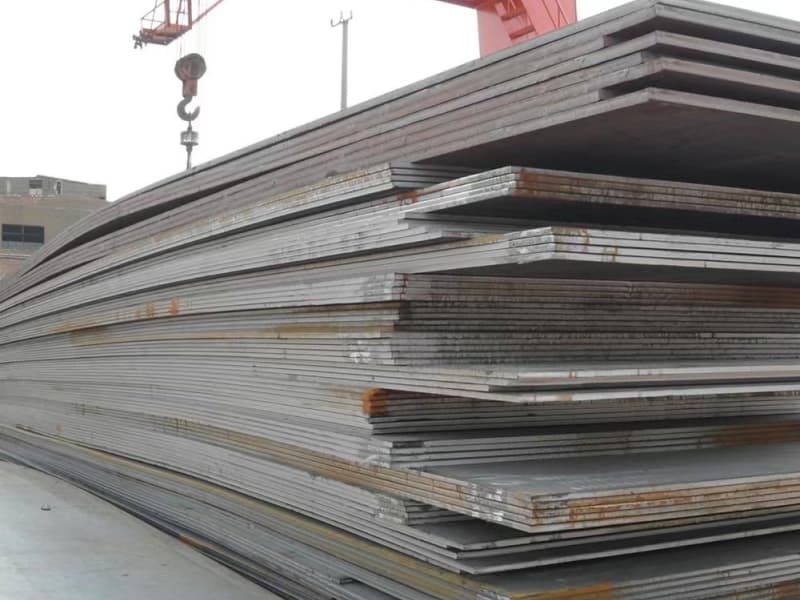
Choosing properly certified steel prevents costly problems down the line. Let me explain why CCS certification matters for your marine projects.
What is the best type of stainless steel for marine applications?
Many shipbuilders choose stainless steel based on price alone. This approach often leads to premature corrosion and replacement costs.
316 stainless steel1 is the best choice for marine applications because it contains molybdenum for superior saltwater corrosion resistance2. 304 stainless works for interior uses, while duplex grades like 22053 offer higher strength for demanding marine environments.
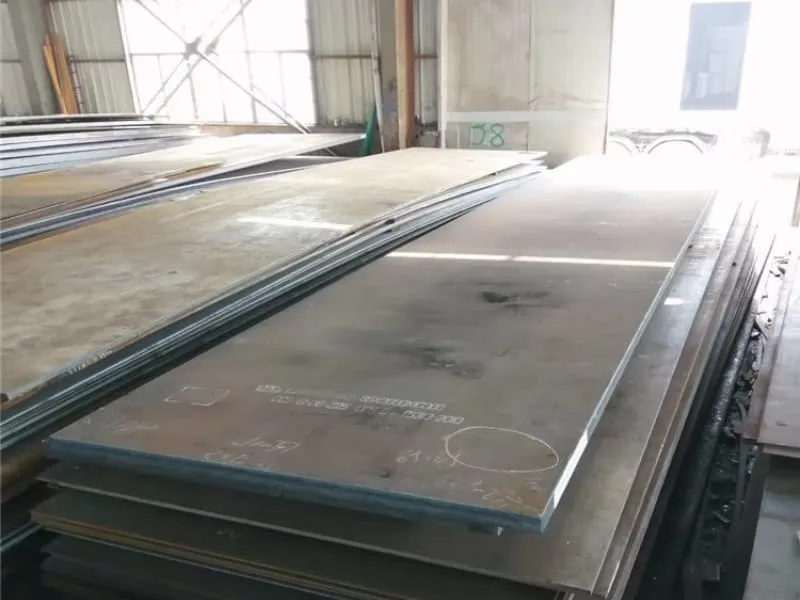
Comprehensive Guide to Marine Stainless Steel Selection
Different stainless steel grades serve specific marine applications with varying performance characteristics and cost considerations.
Marine Stainless Steel Grade Comparison
| Grade | Composition | Corrosion Resistance | Strength | Cost Factor | Best Applications |
|---|---|---|---|---|---|
| 304 | 18% Cr, 8% Ni | Moderate | 515 MPa | Low | Interior components |
| 316 | 16% Cr, 10% Ni, 2% Mo | High | 515 MPa | Medium | Deck fittings, hardware |
| 316L | Low carbon version | Very High | 485 MPa | Medium-High | Welded structures |
| 2205 | 22% Cr, 5% Ni, 3% Mo | Excellent | 620 MPa | High | Propeller shafts, fasteners |
| 904L4 | 20% Cr, 25% Ni, 4.5% Mo | Superior | 490 MPa | Premium | Chemical tankers |
| 254 SMO5 | 20% Cr, 18% Ni, 6% Mo | Extreme | 650 MPa | Premium | Seawater systems |
316 stainless steel1 provides the best balance for most marine applications. The molybdenum content (2-3%) significantly improves resistance to pitting and crevice corrosion from chlorides in seawater. This grade maintains good mechanical properties and weldability while offering reliable performance in splash zones and submerged applications.
304 stainless steel6 serves adequately for limited marine exposure. It works well for interior components, superstructures above the splash zone, and freshwater systems. However, 304 lacks molybdenum protection against saltwater corrosion, making it unsuitable for continuous saltwater immersion or critical exterior components.
Duplex stainless steels like 2205 offer enhanced properties. These grades combine high strength with excellent corrosion resistance2. The dual-phase microstructure provides roughly twice the yield strength of standard austenitic grades. Duplex steels resist stress corrosion cracking better than 316 in warm seawater conditions.
Specialized grades address extreme conditions. 904L4 and 254 SMO5 contain higher alloy content for aggressive marine environments. These premium grades handle high chloride concentrations, acidic conditions, and elevated temperatures. They suit specialized vessels like chemical tankers and offshore platforms where corrosion risks are extreme.
Application location determines the appropriate grade selection. Areas with continuous saltwater exposure need 316 or higher grades. Intermittent exposure zones might use 304 with proper maintenance. Interior dry areas can use economical alternatives with basic corrosion protection.
Cost-performance optimization requires careful analysis. While premium grades offer better performance, their higher cost may not be justified for all applications. Most commercial vessels find 316 stainless provides the best value for money across most marine components.
What is the preferred steel grade1 for plates?
Shipbuilders often debate which steel grade1 offers the optimal balance for hull construction. The answer depends on vessel type and operating conditions.
AH362 is the preferred steel grade1 for most shipbuilding plates due to its excellent strength-to-weight ratio and widespread classification society approvals. For colder waters, DH363 provides enhanced toughness, while EH364 serves Arctic operations with superior low-temperature performance.
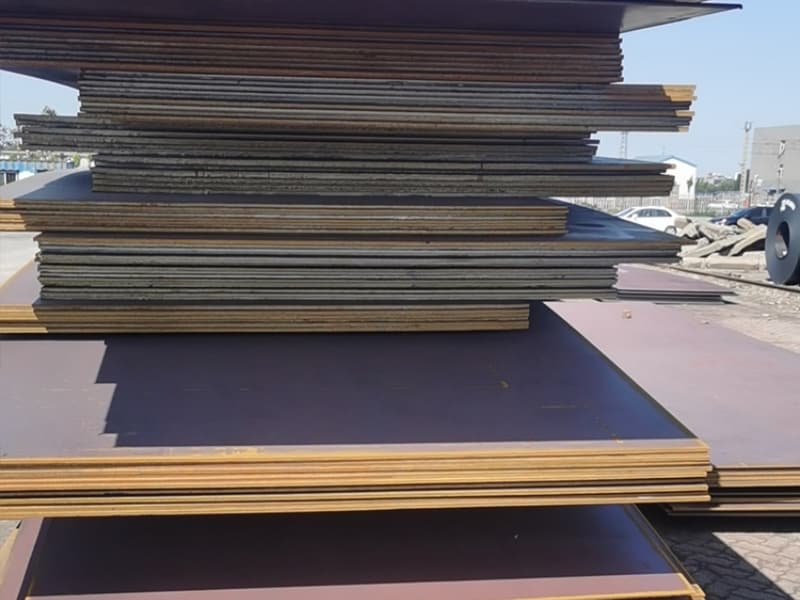
Analysis of Preferred Steel Grades for Different Marine Applications
Selecting the right steel grade1 involves matching mechanical properties to specific operational requirements and environmental conditions.
Marine Steel Grade Application Guide
| Grade | Yield Strength | Impact Test | Best For | Cost Level | Availability |
|---|---|---|---|---|---|
| Grade A | 235 MPa | Not required | Non-critical areas | Low | Excellent |
| Grade B | 235 MPa | 0°C | Warm water vessels | Low-Medium | Good |
| Grade D | 235 MPa | -20°C | Cold water operations | Medium | Good |
| AH32 | 315 MPa | 0°C | Medium strength needs | Medium | Very Good |
| DH32 | 315 MPa | -20°C | Enhanced applications | Medium-High | Good |
| AH362 | 355 MPa | 0°C | Main hull structures | Medium-High | Excellent |
| DH363 | 355 MPa | -20°C | Advanced vessels | High | Good |
| EH364 | 355 MPa | -40°C | Arctic operations | Premium | Limited |
AH362 represents the industry standard for commercial vessel construction. The 355 MPa yield strength5 allows weight reduction through thinner plates while maintaining structural integrity. This grade offers good weldability and widespread availability across global markets. Most shipyards standardize on AH362 for hull plating to simplify procurement and fabrication.
Grade A and B steels serve specific applications economically. These ordinary strength grades work well for non-critical structures, interior components, and vessels operating in warm waters. Their lower cost makes them attractive for budget-sensitive projects, though they lack the toughness requirements for demanding environments.
DH363 provides crucial performance enhancement for cold waters. The -20°C impact test requirement ensures toughness in North Atlantic, Southern Ocean, and other cold water operations. The additional cost over AH362 is justified by the safety margin in unpredictable weather conditions and cold water immersion.
EH364 delivers maximum low-temperature performance. The -40°C impact rating makes this grade essential for ice-class vessels and Arctic operations. The strict chemical controls and manufacturing requirements ensure reliable performance in the most challenging marine environments, though availability can be limited.
Selection criteria extend beyond basic grade specifications. Consider vessel design life, maintenance schedules, and operational routes. Trading patterns that include seasonal cold water passages may justify upgrading from AH362 to DH363 for enhanced safety margins.
Cost considerations must balance initial investment against long-term performance. While higher grades cost more initially, they may reduce maintenance costs and extend vessel service life. The optimal choice depends on specific operational profiles and owner risk tolerance.
What is the difference between marine grade stainless steel1 and stainless steel?
Many people assume all stainless steel works equally well in marine environments. This misunderstanding leads to material failures and costly replacements.
Marine grade stainless steel contains additional alloying elements like molybdenum for superior saltwater corrosion resistance2. Regular stainless steel lacks these enhancements and may suffer pitting, crevice corrosion, and stress corrosion cracking in marine environments.
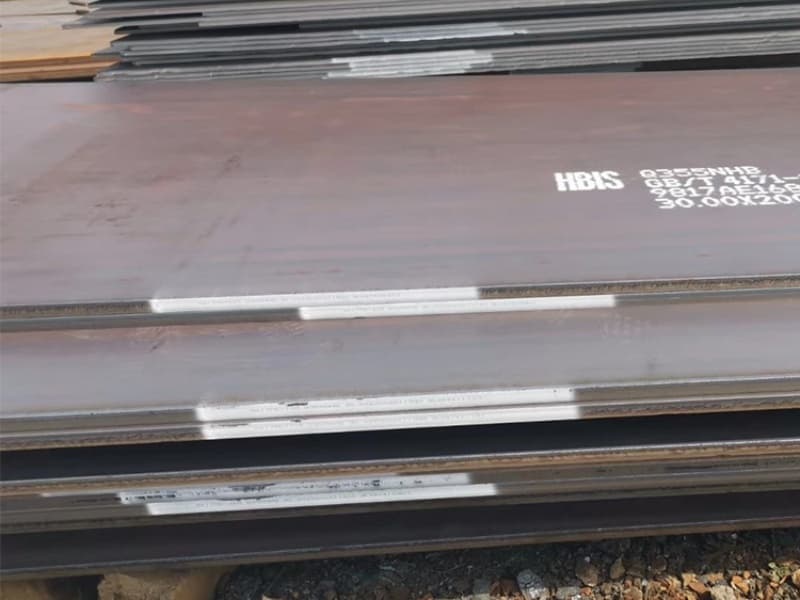
Detailed Comparison of Marine Grade and Regular Stainless Steel
The performance differences between marine and regular stainless steels stem from composition variations and manufacturing standards.
Marine vs Regular Stainless Steel Properties
| Property | Marine Grade Stainless | Regular Stainless | Impact on Marine Performance |
|---|---|---|---|
| Molybdenum Content | 2-6% | 0% | Saltwater corrosion resistance2 |
| Nickel Content | 10-25% | 8-10% | Austenitic stability |
| Chromium Content | 16-22% | 16-18% | Passive layer formation |
| PREN Value | 25-45 | 18-20 | Pitting resistance |
| Surface Finish | Controlled roughness | Standard mill | Coating adhesion |
| Certification | Marine classification | Commercial standard | Quality assurance |
Molybdenum content creates the fundamental performance difference. Marine grades like 316 contain 2-3% molybdenum, while premium grades like 2205 and 254 SMO contain 3-6%. This element dramatically improves resistance to chloride-induced pitting corrosion, which is the primary failure mechanism for stainless steel in seawater.
Pitting Resistance Equivalent Number3 (PREN) quantifies corrosion resistance2. PREN = %Cr + 3.3×%Mo + 16×%N. Marine grades have PREN values above 25, while regular stainless typically scores below 20. Higher PREN values indicate better performance in chloride-containing environments like seawater.
Nickel content affects microstructure stability. Marine grades often have higher nickel content to maintain austenitic structure in aggressive environments. This stability prevents phase transformations that could compromise corrosion resistance2 during welding or forming operations.
Surface finish requirements differ significantly. Marine grade stainless often undergoes special surface treatments to improve corrosion resistance2. Controlled surface roughness enhances coating adhesion for additional protection in splash zones and submerged applications.
Certification and testing standards are more rigorous for marine grades. Classification societies require specific tests for marine applications, including extended salt spray testing, stress corrosion cracking tests, and microstructural examination. Regular stainless steel undergoes basic quality control without marine-specific verification.
Application experience demonstrates the performance gap. We’ve seen regular 304 stainless fail within months in marine environments, while properly selected marine grades last decades with minimal maintenance. The initial cost difference is quickly offset by reduced replacement frequency and maintenance expenses.
What is the best steel for ship building?
The "best" steel for shipbuilding depends on multiple factors including vessel type, operating routes, budget constraints, and regulatory requirements.
AH36 high-strength steel1 is the best choice for most commercial shipbuilding due to its optimal strength-to-weight ratio and classification society approvals. For specialized applications, DH362 offers better low-temperature toughness, while EH363 provides Arctic performance for ice-class vessels.
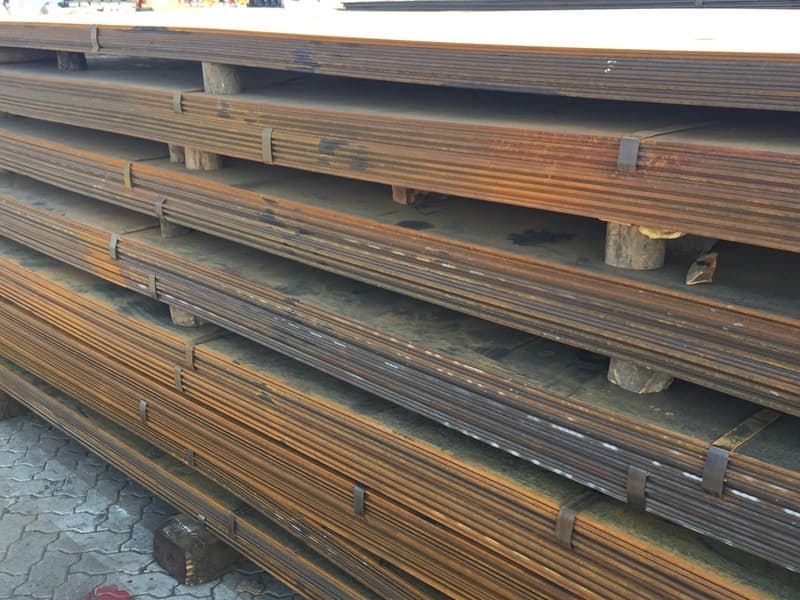
Comprehensive Analysis of Optimal Steel Selection for Shipbuilding
Choosing the best steel involves balancing mechanical properties4, availability, cost, and regulatory compliance5 for specific vessel requirements.
Shipbuilding Steel Selection Matrix
| Vessel Type | Primary Grade | Alternative Grades | Key Considerations | Cost Impact |
|---|---|---|---|---|
| Container Ships | AH36 | DH32, AH32 | Weight savings, cargo capacity | Medium |
| Bulk Carriers | AH36 | DH362, EH363 | Global trading routes | Medium-High |
| Tankers | AH36/DH362 | EH363, AH32 | Cargo compatibility, safety | Medium |
| Fishing Vessels | Grade B | Grade D, AH32 | Operational economy, maintenance | Low-Medium |
| Offshore Support | DH362 | EH363, AH36 | Dynamic positioning, stability | High |
| Naval Vessels | Special Grades | EH40, AH40 | Ballistic protection, stealth | Premium |
| Ice-Class Vessels | EH363 | DH362, AH36 | Arctic operations, ice navigation | Premium |
Container ships prioritize weight reduction and strength. AH36’s 355 MPa yield strength allows thinner hull plates, increasing container capacity within the same displacement. The widespread availability and competitive pricing make AH36 the logical choice for most container vessel construction.
Bulk carriers benefit from AH36’s balanced properties. These vessels operate worldwide, encountering various environmental conditions. AH36 provides adequate strength for heavy cargoes while maintaining good toughness for most operating temperatures. Vessels trading in colder waters might upgrade to DH362 for enhanced safety.
Tankers require careful grade selection based on cargo type. Chemical tankers might need specialized stainless or coated steels for cargo compatibility. Oil tankers typically use AH36 or DH362 depending on trading patterns. The selection considers both structural requirements and cargo interaction concerns.
Fishing vessels often use economical grades for cost control. Grade B or D steels provide adequate performance for most fishing operations at lower cost. The shorter design life and different operational patterns of fishing vessels justify this economical approach compared to large commercial ships.
Offshore support vessels need enhanced properties. DH362‘s improved toughness handles the dynamic loads from positioning systems and heavy weather operations. The additional cost is justified by the demanding operational requirements and safety considerations in offshore environments.
Naval vessels use specialized high-strength steels. Military specifications often exceed commercial requirements for strength, toughness, and special properties like ballistic protection or magnetic characteristics. These premium grades come with strict manufacturing controls and higher costs.
Ice-class vessels require EH363 or equivalent grades. The -40°C impact test requirement ensures structural integrity in polar conditions. The strict chemical composition controls and manufacturing processes guarantee performance where failure could have catastrophic consequences.
Conclusion
CCS certification provides quality assurance for marine steel plates, ensuring vessel safety, regulatory compliance, and long-term performance in marine environments.
-
Explore the advantages of AH36 steel, known for its strength-to-weight ratio, making it ideal for commercial shipbuilding. ↩ ↩ ↩ ↩ ↩ ↩ ↩ ↩
-
Learn about DH36’s low-temperature toughness, perfect for specialized applications in shipbuilding. ↩ ↩ ↩ ↩ ↩ ↩ ↩ ↩ ↩ ↩ ↩ ↩ ↩ ↩ ↩ ↩ ↩ ↩ ↩ ↩ ↩
-
Discover why EH36 is essential for Arctic performance and ice navigation in shipbuilding. ↩ ↩ ↩ ↩ ↩ ↩ ↩ ↩ ↩ ↩ ↩ ↩
-
Understanding mechanical properties is crucial for selecting the right steel for various ship types. ↩ ↩ ↩ ↩ ↩ ↩
-
Explore the importance of regulatory compliance in ensuring safety and performance in shipbuilding. ↩ ↩ ↩ ↩
-
Learn about the limitations of 304 stainless steel and why it may not be suitable for all marine uses. ↩