
Shipbuilders face constant pressure. Delays from material sourcing can stop your production line. Cost overruns from poor quality can destroy your project budget. These are real, daily problems.
An integrated marine steel supply strategy saves time and cost by providing a single, reliable source for all structural steel needs. It eliminates multi-supplier coordination, ensures material consistency, reduces procurement overhead, and leverages volume for better pricing and faster logistics.
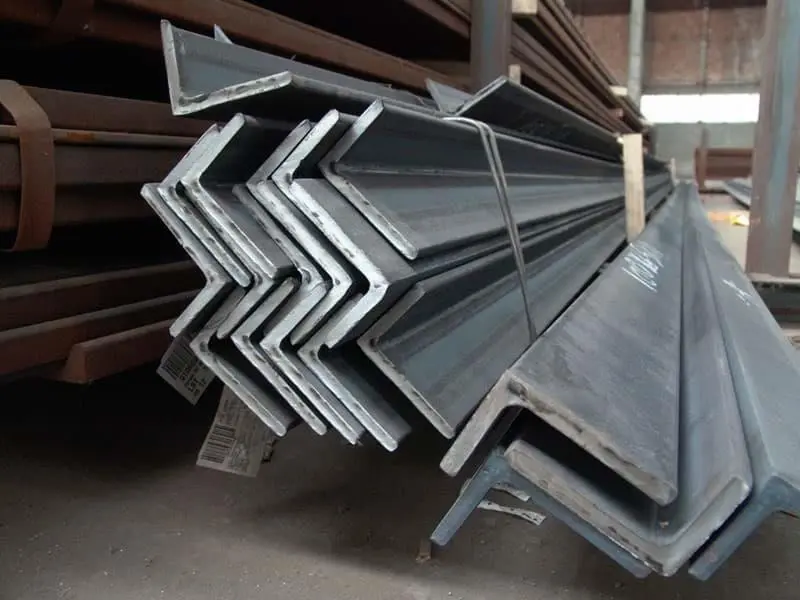
This idea of "integration" is powerful, but it’s often misunderstood. It’s not just about buying from one company. It’s about connecting the right material, from the right source, with the right logistical support, directly to your project. To see why this works, we need to start with the basics: why steel itself is so critical to marine success.
Why is steel important in marine technology1?
Some might think modern ships use advanced composites or aluminum for everything. But for the main hull structure, steel remains the undisputed champion. Choosing the wrong steel, or sourcing it poorly, puts the entire vessel at risk.
Steel is the foundational material in marine technology1 because it offers an unmatched combination of high strength, toughness, good weldability2, and relatively low cost. It forms the durable, load-bearing skeleton of ships, from small boats to giant tankers and container vessels.
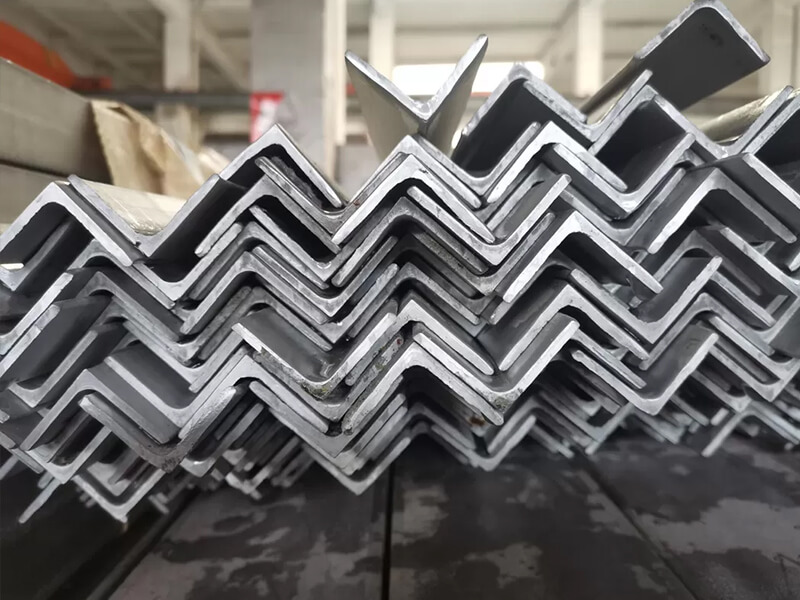
This fundamental role means that every decision about steel has massive consequences. The importance of steel dictates the importance of how you buy it.
The Pillars of Steel’s Dominance in Shipbuilding
Steel isn’t just used because it’s traditional. It’s used because it reliably meets a set of extreme demands that no other material can match as cost-effectively.
1. Structural Strength and Toughness: The Safety Pillar
A ship’s hull must withstand immense forces.
- Global Bending: As a ship rides waves, the hull flexes like a giant beam. The steel must have high yield strength to resist permanent deformation and high tensile strength to avoid breaking.
- Dynamic Loads: Impacts from waves, docking, and cargo handling create shock loads. Steel must be tough—it must absorb energy without cracking, especially in cold temperatures. This is why marine grades (DH, EH) specify impact toughness at low temperatures.
- Fatigue Resistance: A ship experiences millions of stress cycles over its life. Steel’s fatigue properties are well-understood and engineered for, preventing crack growth from these repeated loads.
2. Fabrication Practicality: The Buildability Pillar
A material must be easy to work with on a massive scale.
- Weldability: Modern shipbuilding is based on block construction, which relies entirely on welding. Marine steels are specifically designed with controlled chemical compositions (like Carbon Equivalent) to weld easily and reliably without defects.
- Formability: Steel plates need to be cut and curved into complex hull shapes. Good steel allows for cold and hot forming without cracking.
- Repairability: During construction and throughout a ship’s life, sections need repair. Steel can be cut out and re-welded reliably anywhere in the world, a crucial advantage for maintenance.
3. Economic Viability: The Cost Pillar
Despite its performance, steel remains cost-effective.
- Material Cost per Strength: The cost of steel per unit of strength is lower than most alternatives like aluminum or advanced composites.
- Scale of Production: The global steel industry produces at a scale that meets the massive demands of shipbuilding, keeping prices competitive.
- Predictable Supply Chain: The supply chain3 for shipbuilding steel is mature and global, from integrated mills in East Asia to service centers worldwide.
Here is a table comparing steel to other potential hull materials:
| Material | Key Advantage | Major Limitation for Main Hull | Impact on Procurement |
|---|---|---|---|
| Marine Steel (AH/DH/EH) | Optimal balance of strength, toughness, weldability2, and cost. | Requires corrosion protection (coatings, anodes). | Requires sourcing certified grades; supply chain3 is key. |
| Aluminum Alloys | Lightweight, corrosion resistant. | Much higher cost per ton; lower strength; welding is more complex and expensive. | Niche use for superstructures; requires separate, specialized supply chain3. |
| Fiber-Reinforced Composites | Lightweight, corrosion-free. | Extremely high material and fabrication cost; poor fire resistance; repair complexity. | Not feasible for large commercial hulls; procurement is highly specialized. |
Because steel is so important, any inefficiency in its supply becomes a major problem for the shipbuilder. Inconsistent quality from multiple suppliers leads to welding issues and rework. Waiting for different components (plates, angles, bulb flats) from different sources delays block assembly. This is why moving from a fragmented purchasing model to an integrated one isn’t a luxury—it’s a direct response to the critical importance of the material itself.
What is the difference between integrated steel mill1 and mini mill2?
When you source steel, you’re not just buying from a "mill." You are buying from a specific type of production system. The choice between an integrated mill and a mini mill2 supplier affects the steel’s characteristics, availability, and your supply chain stability3.
An integrated steel mill1 makes new steel from raw materials (iron ore, coal) using blast furnaces4. A mini-mill (or electric arc furnace5 mill) makes steel primarily by melting scrap metal. Integrated mills excel in large-volume, high-quality flat products like plates, while mini-mills are often more flexible and cost-effective for long products like bars.
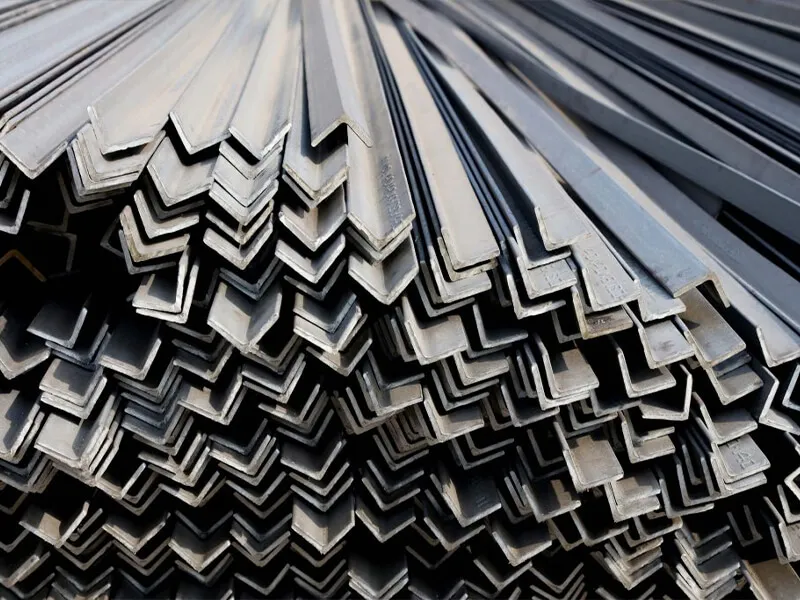
This distinction is crucial for marine steel buyers. The type of mill defines the potential quality, consistency, and scale of your supply.
Choosing the Right Mill Type for Marine Steel Needs
Your project’s requirements should guide which mill type you source from. Each has a different role in the supply ecosystem.
1. The Integrated Steel Mill: The Foundation for Quality Plate
- Process: Starts with iron ore and coke in a blast furnace to produce molten iron. This is then refined into steel in a basic oxygen furnace (BOF). The steel is continuously cast into slabs and then rolled into plates.
- Advantages for Marine:
- Superior Internal Quality: The BOF process allows for very precise control of chemical composition6 and low levels of impurities and gases (like nitrogen, hydrogen). This results in cleaner steel with better internal soundness—critical for thick plates used in hulls.
- High Consistency: Producing from raw materials allows for tight control over the input, leading to batch-to-batch consistency7.
- Massive Scale: Can produce very wide and heavy plates in large, continuous runs. This is ideal for the large plate needs of shipbuilding.
- Disadvantages: Higher capital and energy costs. Less flexible in switching grades for small batches.
2. The Mini-Mill (EAF): The Flexible Recycler
- Process: Melts scrap steel in an Electric Arc Furnace. The molten steel is cast and rolled, often into long products like beams, bars, and rods.
- Advantages:
- Lower Cost & Energy Use: Using scrap is generally cheaper and more energy-efficient.
- Flexibility: Can start and stop production easily and switch between grades quickly.
- Excellent for Long Products: Highly efficient for producing sections, angles, and rebar.
- Disadvantages for Marine Plate:
- Residual Elements: Scrap can contain copper, tin, and other residuals that are hard to remove. These can harm weldability and toughness.
- Nitrogen Content: EAF steel typically has higher nitrogen, which can require more alloying to control.
- Scale Limitations: Historically less suited for the highest-quality, widest plates, though technology is improving.
For Marine Buyers:
For the primary hull plates—the large, thick, critical plates that form the shell—ship classification societies often prefer or explicitly accept steel from integrated BOF processes due to its proven record of cleanliness and consistency. For smaller sections, angles, and bulb flats, quality EAF steel from reputable mini-mills is perfectly acceptable and cost-effective.
| Characteristic | Integrated Mill (BOF) | Mini-Mill (EAF) | Implication for Marine Procurement |
|---|---|---|---|
| Primary Raw Material | Iron Ore, Coal | Scrap Steel | BOF offers more "virgin" control over chemistry. |
| Typical Best Products | Wide, Heavy Plate, Coiled Sheet | Long Products (Bars, Sections), some Plate | Source plates from BOF mills for critical applications. |
| Internal Cleanliness | Excellent (Low inclusions, gases) | Good, but can have residuals | BOF plate is preferred for critical thick plates. |
| Batch-to-Batch Consistency | Very High | Good | Consistency reduces risk in fabrication. |
| Cost Structure | Higher fixed cost, economies of scale | Lower fixed cost, flexible | BOF plate may have a premium, but offers value in reliability. |
An integrated supply strategy for marine steel8 often means partnering with a supplier who has deep ties to integrated mills for plates and reputable mini-mills for sections. This gives you the best of both worlds: the foundational quality of BOF plate and the cost-effectiveness of EAF sections, all managed through one point of contact. Our long-term cooperation with certified mills allows us to offer this blended, optimized supply chain.
What is the primary advantage of using 316 stainless steel in marine applications?
Stainless steel is common in marine environments, but not all types are equal. Many specify "stainless steel" and get a surprise when it rusts. The grade makes all the difference, and 316 stands out for a key reason.
The primary advantage of using 316 stainless steel (over the more common 304) in marine applications is its significantly higher resistance to pitting and crevice corrosion caused by chloride ions in seawater. This is due to the addition of 2-3% Molybdenum (Mo) in its composition.

This molybdenum advantage is the main reason 316 is called "marine-grade stainless steel." However, understanding this advantage also reveals its limits and informs smarter procurement.
The Molybdenum Edge and Its Procurement Implications
The story of 316 stainless steel is the story of molybdenum. This single alloying element changes the material’s performance in a saltwater environment.
1. The Science of the Advantage
- The Problem with 304: Type 304 stainless steel forms a protective chromium oxide layer. Chloride ions in seawater can locally break down this layer, leading to pitting corrosion.
- The 316 Solution: The added molybdenum strengthens the passive layer. It makes it more stable and much more resistant to chloride attack. It effectively raises the "Pitting Resistance Equivalent Number (PREN)," a key indicator of corrosion performance.
2. Key Marine Applications for 316 Stainless
Because of this advantage, 316 is specified for components where failure due to corrosion is unacceptable:
- Deck Fixtures: Cleats, bollards, railings, and hatches exposed to salt spray.
- Piping Systems: For seawater cooling lines, ballast systems, and fuel lines on sophisticated vessels.
- Fasteners and Hardware: Bolts, nuts, and hinges in exposed locations.
- Exhaust Systems: For wet exhaust components on yachts and workboats.
3. The Critical Limitations Buyers Must Know
The advantage of 316 is not absolute. Calling it "marine-grade" can create a false sense of security.
- It is Not Immune: In stagnant, low-oxygen seawater (like inside crevices, under biofilm, or in warm climates), even 316 can suffer crevice corrosion and pitting.
- Not for All Marine Uses: For fully submerged applications, more highly alloyed steels like Duplex (2205) or Super Austenitics (904L) are often required.
- Fabrication Matters: The corrosion resistance can be ruined by poor fabrication. Welding must be done correctly to avoid "sensitization" (chromium depletion). Contamination from carbon steel tools (causing "iron staining") will lead to rust spots.
Procurement Guidance for 316 Stainless:
When you buy 316 stainless steel, you are buying a performance promise based on chemistry. Your procurement must verify this promise.
- Certification is Mandatory: You must receive a Mill Test Certificate confirming the chemistry, especially the Molybdenum content (should be >2.0%).
- Specify the Finish: A smooth, polished finish is more corrosion-resistant than a rough, mill finish.
- Consider the Environment: For harsh, warm, or stagnant seawater applications, discuss with your supplier if 316 is sufficient or if a higher-grade like 316L (low carbon, better for welding) or Duplex is needed.
- Source from Specialists: A supplier familiar with marine applications will ask the right questions and not just sell you the cheapest "stainless."
Integrating 316 stainless steel supply into your overall marine steel procurement means having a source that understands these nuances. They can provide the right grade, with the right certification, and advise on its proper use, preventing costly material failures down the line.
What is the meaning of integrated steel?
We’ve talked about integrated mills and integrated supply. Now let’s define "integrated steel" itself. This term can be confusing. It doesn’t just describe a type of steel; it describes a holistic approach to the entire material ecosystem.
In a procurement context, "integrated steel" refers to a supply solution that consolidates the provision of all necessary steel products (plates, sections, profiles) and related services (sourcing, certification, logistics) from a single, coordinated source. It focuses on the seamless flow of material, not just the making of it.
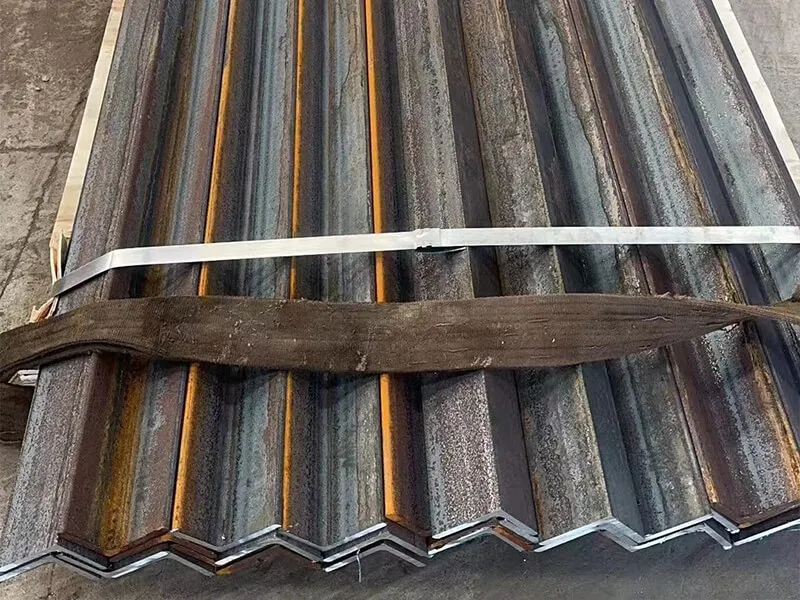
This is the ultimate answer to the time and cost savings promised in the title. It’s the practical application of all the previous concepts.
The Components of a Truly Integrated Steel Supply
An integrated supply model is built on several interconnected pillars that together create efficiency and reliability.
1. Product Integration: One Stop for All Shapes
A shipbuilder doesn’t just need plate. They need a full kit of materials:
- Marine Steel Plate for the hull shell and decks.
- Marine Angle Steel (L-shaped) for brackets, stiffeners, and framing.
- Bulb Flat Steel for primary and secondary stiffeners on hulls and decks.
- Other Sections: Channels, beams, tees, as required.
An integrated supplier stocks or can source all these from their network of mills. This eliminates the need for you to manage five different purchase orders and deliveries.
2. Service Integration: Bundling Value Beyond the Material
The material cost is just the start. The real savings come from bundled services.
- Unified Certification & Documentation: One set of coordinated Mill Test Certificates and inspection reports for the entire material package, simplifying class approval.
- Consolidated Logistics: One shipment containing plates, angles, and bulb flats is cheaper and easier to track than multiple partial shipments from different origins. We provide this to ports like Dammam for our Middle East clients.
- Technical & Quality Integration: A single point of contact for all quality issues, welding procedure advice, and technical support. This solves the communication pain point highlighted by clients like Gulf Metal Solutions.
- Supply Chain Visibility: You get one clear view of the status of all your steel, from production to delivery.
3. Relationship Integration: Partnership Over Transaction
This model shifts the dynamic from a simple buyer-seller transaction to a partnership.
- Forecasting and Planning: The integrated supplier can help you plan material needs based on your project schedule, securing mill capacity in advance.
- Risk Management: They absorb the risk of dealing with multiple mills and logistics providers. Their performance is measured on the final delivery to you, not on excuses.
- Continuous Improvement: Feedback on fabrication performance feeds back to the mills through the supplier, creating a cycle of quality improvement.
The Cost and Time Savings in Action:
Let’s compare a fragmented purchase to an integrated one for a ship block:
| Activity | Fragmented Purchase (Multiple Suppliers) | Integrated Purchase (Single Supplier) | Time & Cost Saving |
|---|---|---|---|
| Sourcing & RFQ | Contact 3+ suppliers for plates, angles, bulb flats. Negotiate separately. | Contact 1 supplier with the full BOM. One negotiation. | Saves: Weeks of back-and-forth. Administrative cost. |
| Order Management | Manage 3+ POs, 3+ sets of documents, 3+ payment terms. | Manage 1 PO, 1 document set, 1 payment process. | Saves: Significant admin/overhead time. Reduces errors. |
| Quality Assurance | Arrange separate inspections or trust different mills’ QC. | Rely on the supplier’s unified QC system, with optional third-party like SGS for the whole lot. | Saves: Inspection costs and time. Ensures consistent standard. |
| Logistics | Coordinate multiple shipments, arrivals, and customs entries. | Receive one consolidated shipment with one booking and one customs clearance. | Saves: Freight costs, port fees, and days/weeks of wait time. |
| Problem Resolution | Chase different suppliers if plates don’t match angles, or if there’s a defect. | Have one responsible party to solve any issue with any component. | Saves: Days of delay and frustration. Clear accountability. |
This integrated approach is exactly what rational, results-driven buyers seek. They don’t want to be logistics managers or quality arbiters between arguing suppliers. They want a partner who delivers a complete, reliable steel package on time, so they can focus on building ships. That is the true meaning and power of integrated steel supply.
Conclusion
An integrated marine steel supply strategy saves time and cost by simplifying procurement, ensuring consistency, and creating a reliable partnership, turning material sourcing from a source of risk into a foundation for project success.
-
Explore the advantages of integrated steel mills, especially for high-quality steel production, crucial for marine applications. ↩ ↩ ↩ ↩
-
Learn about mini mills and their flexibility in producing various steel products, which can be cost-effective for certain applications. ↩ ↩ ↩ ↩
-
Investigate the elements that enhance supply chain stability, crucial for maintaining a reliable steel supply. ↩ ↩ ↩ ↩
-
Discover how blast furnaces operate and their significance in producing high-quality steel from raw materials. ↩
-
Find out how electric arc furnaces work and their benefits in recycling scrap steel efficiently. ↩
-
Explore the importance of controlling chemical composition in steel for ensuring quality and performance. ↩
-
Learn why consistency in steel production is vital for reducing risks in fabrication and ensuring reliability. ↩
-
Understand the unique characteristics and standards required for marine steel, essential for shipbuilding. ↩