
Your phone rings. It is the project manager. The bulb flats for the new vessel have arrived, but the Mill Test Certificates are missing. Customs is holding the shipment. The shipyard is waiting. You call your supplier. No answer. You email. No response. This is the reality of fragmented supply chains. One missing document stops everything. This is why one-stop supply matters.
One-stop supply for bulb flat steel means a single supplier manages the entire procurement process: sourcing from certified mills, quality control, third-party inspection, documentation, logistics, and delivery. This integrated approach eliminates the risk of miscommunication, ensures all certificates are correct and complete, and provides a single point of accountability. For shipyards, it means less stress and more project certainty.
The value of one-stop supply becomes clear when you understand the complexity of the product itself. If your supplier does not understand the basic terminology, they cannot manage the process. Let’s start with the fundamentals.
What is a bulb flat1?
You are talking to a potential supplier. You ask for bulb flat1 steel. They hesitate. They ask, "Do you mean flat bar?" This is a red flag. If they do not know what a bulb flat1 is, they cannot source it correctly. They cannot verify the quality. They cannot manage the certification. A one-stop supplier must have this basic product knowledge.
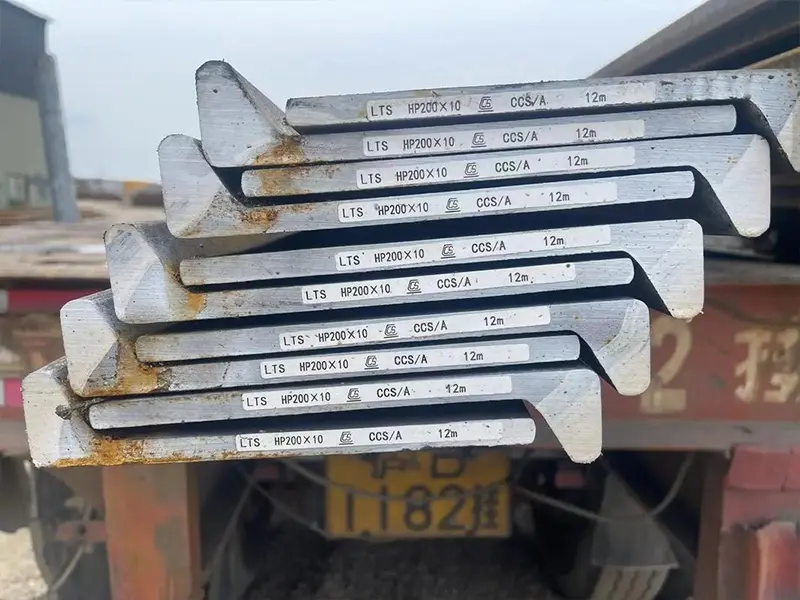
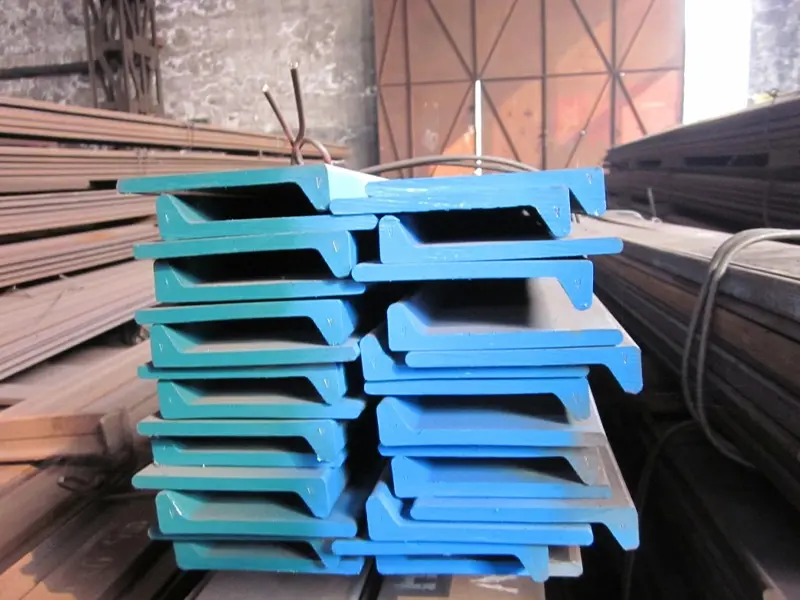
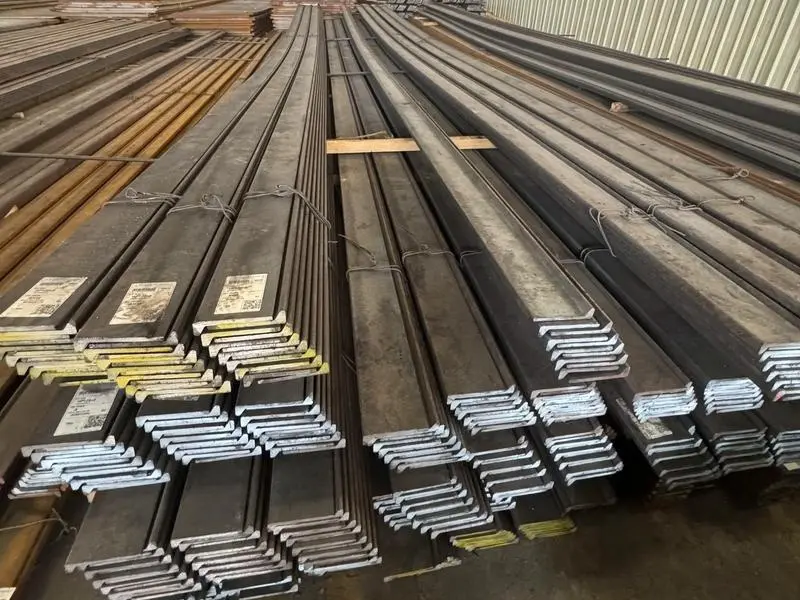
A bulb flat1 is a specialized hot-rolled steel profile2 with a flat web and a rounded bulb on one edge. It is designed to provide maximum stiffness with minimum weight. It is used primarily as a stiffener in ship hulls, decks, and bulkheads. It is not a general-purpose product. It requires specific rolling mills and certification. A supplier who does not know this cannot serve you well.
Why Product Knowledge is the Foundation of One-Stop Supply
A one-stop supplier is not just an order-taker. They are a partner who understands your needs.
1. The Supplier Must Know the Product’s Critical Features.
- Shape Matters: A bulb flat1 is not a flat bar. It is not an angle. It is a unique profile with a specific engineering purpose. A knowledgeable supplier can explain this to you, not the other way around.
- Production Matters: Bulb flats are rolled on specialized section mills3. Not every steel mill has this capability. A knowledgeable supplier has relationships with the right mills.
- Certification Matters: Marine-grade bulb flat1s require classification society certification4 (ABS, LR, DNV, etc.). A knowledgeable supplier knows which mills are approved by which societies.
2. The Supplier Must Ask the Right Questions.
A one-stop supplier does not just accept your order blindly. They ask questions to ensure they understand your needs.
- "Which classification society requires the certification?"
- "What is the operating temperature of the vessel? This determines the grade (AH, DH, EH)."
- "What is your delivery schedule? This affects which mill we use."
- "Do you need third-party inspection5?"
3. The Cost of a Supplier Who Does Not Know.
If your supplier does not understand the product, you face multiple risks:
- Wrong Material: They might source a flat bar instead of a bulb flat1.
- Wrong Certification: They might provide a mill certificate without class approval.
- Wrong Mill: They might source from a mill that cannot roll the profile correctly, leading to dimensional errors.
- Delays: All of these problems lead to delays while you sort out the mess.
My Insight from the Field
A shipyard in Romania once contacted us in a panic. Their previous supplier had delivered "bulb flat1s" that were actually flat bars with a small ridge welded on. The supplier had fabricated them to save cost. The classification society surveyor rejected them immediately. The shipyard lost weeks and had to pay for emergency replacement material. They came to us because we understood the difference. We sourced certified, hot-rolled bulb flat1s from an approved mill, with proper documentation. The project got back on track. This experience showed me that product knowledge is not a luxury. It is a necessity. A one-stop supplier must know the product inside and out.
What is a flat steel1?
Your project needs more than just bulb flats. You also need plates for the hull and flat bars for brackets. If you have to manage three different suppliers for three different products, your workload triples. You have three sets of documents to track. Three delivery schedules to coordinate. Three people to call when something goes wrong. This is the opposite of efficient.
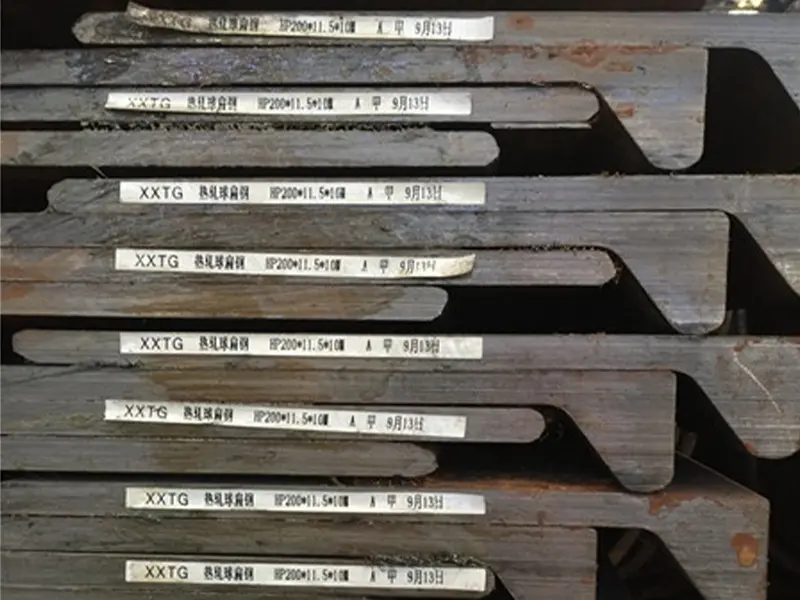
Flat steel is a broad category that includes plates, sheets, coils, and flat bars. For a shipbuilding project, you need several types: heavy plate for the hull, medium plate for decks, and flat bars for fabrication. A one-stop supplier2 can source all these products from integrated mills, bundling them into single shipments with unified documentation, saving you time and reducing complexity.
The Power of Bundling: Why One-Stop Supply Saves Time and Money
When one supplier handles all your flat steel needs, the benefits multiply.
1. Simplified Procurement Process.
- One Inquiry: You send one request for quotation covering all your flat steel1 needs: plates, bulb flats, flat bars. The supplier quotes everything together.
- One Purchase Order: You issue one PO, not three or four. This reduces your administrative workload3.
- One Set of Documents: You receive one package of shipping documents, including all Mill Test Certificates organized by item. No chasing missing papers from multiple sources.
- One Point of Contact: When you have a question, you call one person. That person knows your entire order and can answer immediately.
2. Logistics Efficiency.
- Consolidated Shipments: A one-stop supplier2 can combine different products into full container loads (FCL) or break-bulk shipments, saving on freight costs.
- Coordinated Delivery: They can schedule all your flat steel1 to arrive together, or in phases as you need it, but coordinated from one source.
- Reduced Handling: Fewer shipments mean less crane time, less unpacking, and less storage chaos at your yard.
3. Quality Consistency.
- Single Mill Source: Whenever possible, a one-stop supplier2 can source all products from the same mill group. This ensures consistent metallurgy and quality across your project.
- Unified Certification: All certificates come from the same source, making verification easier for your quality team and the classification society surveyor.
4. Cost Savings.
- Volume Discounts: Bundling products increases the total order volume, which can lead to better pricing from mills.
- Reduced Freight: Consolidated shipments are cheaper per ton than multiple small shipments.
- Lower Administrative Cost: Your team spends less time on procurement, freeing them for other tasks.
My Insight from the Field
A client in Mexico used to buy their plates from one supplier, bulb flats from another, and flat bars from a third. Every project, they spent weeks managing these relationships. When something went wrong, they had to figure out which supplier was responsible. After a particularly frustrating delay caused by a missing certificate from one supplier, they decided to try a one-stop approach with us. We quoted and supplied their entire flat steel1 package for their next project. Their procurement manager told me, "I cannot believe I used to do this the hard way. Now I send one email and get one delivery. It is so much simpler." This is the value of one-stop supply.
What is a bulb bar1?
You hear the term "bulb bar1." Is it the same as bulb flat2? Usually, yes. But in some contexts, it might mean something slightly different. If your supplier is not paying attention, this slight difference could lead to confusion. A one-stop supplier3 clarifies terminology before it becomes a problem.
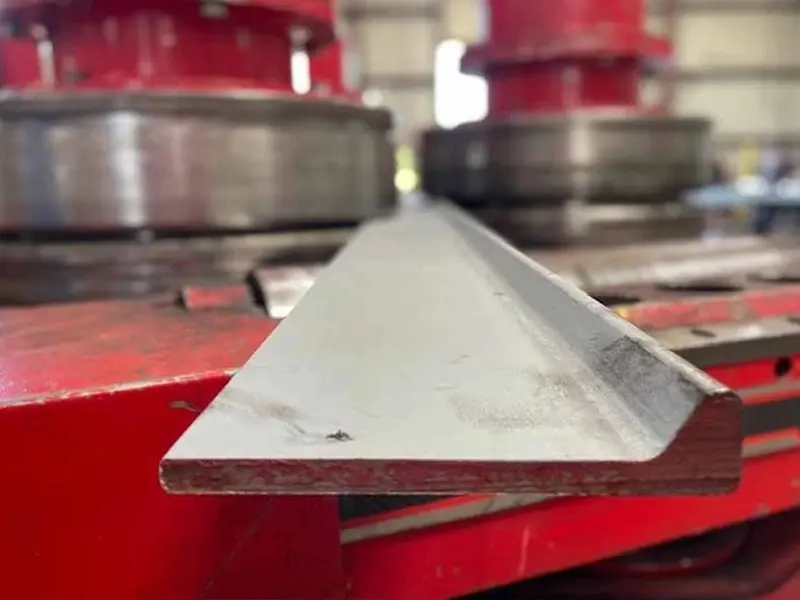
A bulb bar1 is another term for a bulb flat2. The two terms are used interchangeably in the marine industry. "Bulb bar" is common in some regions and older specifications. Both refer to the same product: a hot-rolled steel stiffener4 with a flat web and a rounded bulb. A one-stop supplier3 recognizes both terms and ensures you get the correct product regardless of the name used.
Terminology Management: A Hidden Benefit of One-Stop Supply
A good supplier acts as a translator, ensuring that what you order is what you receive, regardless of the words used.
1. The Supplier’s Role in Clarifying Ambiguity.
- They Ask Questions: If your inquiry uses "bulb bar1," a good supplier might ask, "Just to confirm, you need hot-rolled bulb flat2 profiles per EN 10067, correct?" This simple question prevents misunderstandings.
- They Educate: They can explain that "bulb bar1" and "bulb flat2" are the same, but "flat bar" is different. This helps your team use more precise terminology in the future.
- They Document: On the purchase order, they will use the precise, standardized term to ensure the mill understands exactly what to produce.
2. The Cost of Unmanaged Terminology.
If your supplier does not manage terminology:
- Misinterpretation: The mill might interpret "bulb bar1" differently. In some contexts, "bar" implies a smaller product. They might roll a smaller profile than you need.
- Documentation Errors: The Mill Test Certificate5 might use a different term, causing confusion with your classification society surveyor.
- Internal Confusion: Your warehouse might store "bulb bar1s" separately from "bulb flat2s," thinking they are different products.
3. How One-Stop Supply Solves This.
- Standardized Specs: The supplier converts all your requirements into a standardized format that mills understand.
- Unified Documentation: All documents use the same terminology, matching your purchase order and the physical material.
- Single Point of Truth: You have one person who can explain exactly what each term means and how it relates to your order.
My Insight from the Field
A client in Qatar sent us an inquiry for "bulb bar1s, 300×12, DH36." Their specification was clear enough. But we still confirmed: "You require bulb flat2 profiles, 300mm web height, 12mm thickness, DH36 grade, per EN 10067, correct?" They said yes. We then asked, "Do you have any other names for this product in your internal system? We want to ensure our shipping documents match your receiving documents." They told us their system used "bulb flat2." So we used "bulb flat2" on all our documents. When the shipment arrived, the warehouse matched it perfectly. This small step prevented the "oh, this is not what we ordered" moment that happens when terminology mismatches.
What is a bulb plate1?
This is the most dangerous term of all. "Bulb plate" sounds like it might be what you need. It is not a standard term. If a supplier uses it without question, they do not know what they are doing. A one-stop supplier2 will stop, ask, and clarify. They will not let ambiguity pass.
"Bulb plate" is an ambiguous, non-standard term that should be avoided. It most likely refers to a bulb flat, but it could be misinterpreted. A one-stop supplier2 will immediately flag this term and seek clarification. They will work with you to translate it into a precise, standard specification that mills can produce and classify. This proactive approach prevents costly errors.
The Supplier as Your Quality Gatekeeper
A one-stop supplier does not just process orders. They protect you from your own mistakes and from the mistakes of others.
1. The Supplier’s Responsibility to Challenge Ambiguity.
- Red Flag Detection: When they see "bulb plate1," they know it is a red flag. They do not ignore it.
- Proactive Communication: They contact you immediately to ask for clarification. They do not assume.
- Expert Guidance: They explain why the term is problematic and suggest the correct, standardized terminology.
2. The Process of Clarification.
- Step 1: Supplier receives inquiry with ambiguous term.
- Step 2: Supplier issues a formal Request for Information (RFI)3 or simply calls/emails to ask.
- Step 3: Supplier provides options: "Do you mean bulb flat per EN 100674? Or do you require a special fabricated plate?"
- Step 4: Once clarified, supplier updates the specification and uses the correct term on all subsequent documents.
- Step 5: Supplier may add a note to the file: "Client originally inquired for ‘bulb plate1.’ Clarified as bulb flat per EN 100674. This note is for future reference."
3. The Value of This Service.
- Error Prevention: The biggest value. You avoid ordering the wrong product.
- Time Savings: You do not have to figure out the correct term yourself. The supplier guides you.
- Knowledge Transfer: Over time, your team learns the correct terminology, improving your own procurement processes.
- Audit Trail: The clarification is documented. If questions arise later, you have a record of the decision.
My Insight from the Field
A new client in Thailand sent us an inquiry for "Bulb Plate, 300×12, Grade DH36." Our sales rep immediately responded: "Thank you for your inquiry. To ensure we provide the correct product, could you please confirm if you require bulb flat profiles (stiffeners) per a standard like EN 10067?" The client replied, "Yes, bulb flat. Our engineer used the wrong term." We then provided a quote for the correct product. The client later told us that another supplier had quoted them for actual steel plate, assuming "bulb plate1" meant a special plate product. If they had accepted that quote, they would have received 300mm wide steel plates, useless for their stiffening application. Our simple question saved them. This is what one-stop supply means. It is not just selling steel. It is protecting the customer from error.
Conclusion
One-stop supply for bulb flat steel matters because it simplifies your life, reduces risk, and ensures you get the right product. A knowledgeable supplier manages the complexity so you can focus on building ships.
-
Understanding the term ‘bulb plate’ can prevent costly errors in procurement and ensure accurate specifications. ↩ ↩ ↩ ↩ ↩ ↩ ↩ ↩ ↩ ↩ ↩ ↩ ↩ ↩ ↩ ↩ ↩ ↩ ↩ ↩ ↩ ↩ ↩ ↩ ↩
-
Exploring the concept of a one-stop supplier can help you find partners who prioritize clarity and quality in your orders. ↩ ↩ ↩ ↩ ↩ ↩ ↩ ↩ ↩ ↩ ↩ ↩ ↩ ↩
-
Understanding RFIs can improve your communication with suppliers and ensure you receive the right products. ↩ ↩ ↩ ↩ ↩
-
Familiarizing yourself with EN 10067 can help you specify the correct materials for your engineering projects. ↩ ↩ ↩ ↩
-
Explore the importance of Mill Test Certificates in ensuring material quality and compliance in your projects. ↩ ↩