
Imagine an oil rig leg cracking in a storm because the steel was "good enough." For offshore projects, "good enough" steel is a direct threat to human life, the environment, and your entire financial investment.
You need certified marine steel for offshore projects because it guarantees the material’s strength, toughness, and weldability under extreme conditions. This third-party certification ensures compliance with international safety rules and protects against catastrophic failure in hostile ocean environments.
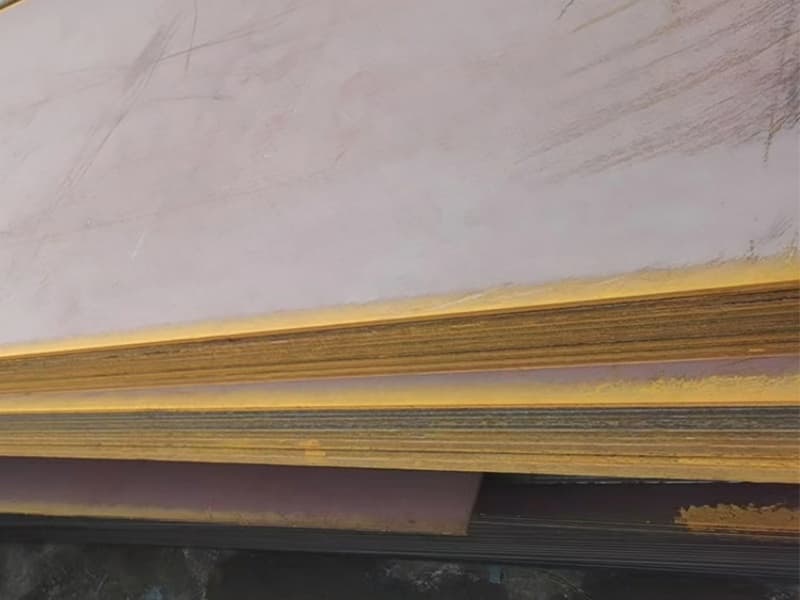
A contractor in Qatar once shared a story with me. They were building a small service platform. To save costs, they used cheaper, uncertified structural steel for some braces. A few years later, during an inspection, surveyors found cracks initiating from weld points in those braces. The replacement cost and platform downtime were ten times the initial "savings." This is not a rare story. Offshore is unforgiving. In this article, I will explain the non-negotiable reasons for using certified steel and clear up common material misconceptions.
What grade material is used for offshore structures?
Offshore structures fight a 24/7 war against wind, waves, and corrosion. The steel grades used are the specially trained soldiers for this war, chosen for their proven performance under extreme stress.
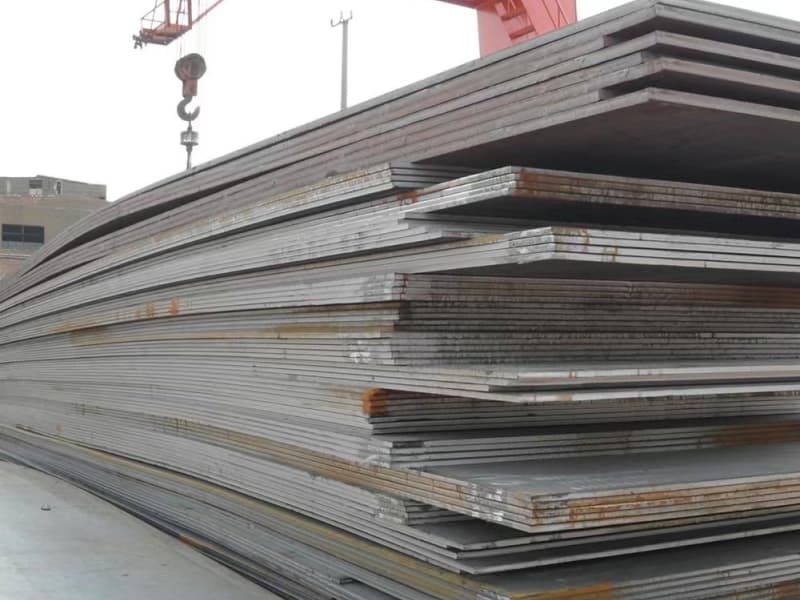
Offshore structures primarily use certified marine-grade steel plates1 and sections. Common grades include AH36, DH36, EH36 for general hulls, and higher grades like FH460 or special "Z-quality" plates for critical, highly stressed nodes in jackets and floating platforms.
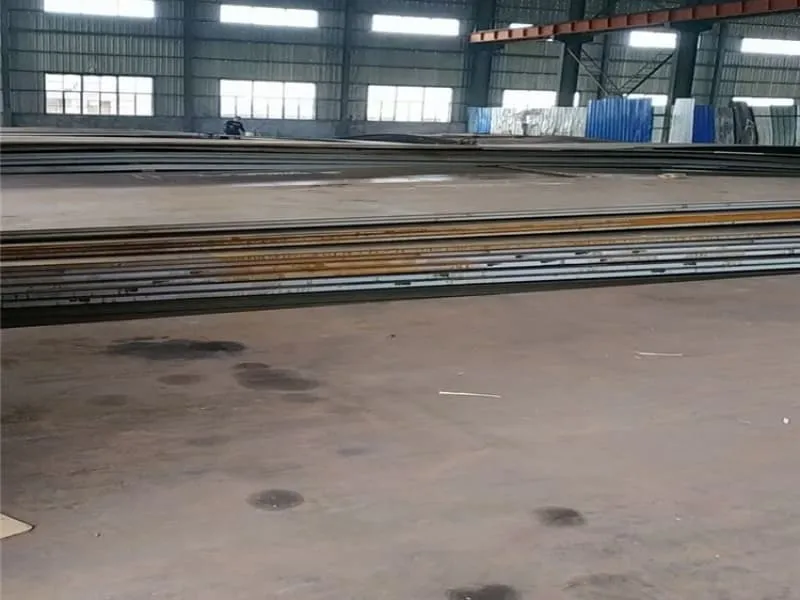
The Hierarchy of Steel in Offshore Engineering
Not all parts of an offshore platform are equal. The steel grade is selected based on the specific demands of each location.
Primary Structural Steel: The Backbone
This is the steel for the main legs (jackets), decks, and hulls of floating platforms. It must handle massive static and dynamic loads.
- Standard Grades: Normal Strength (A, B, D, E) and High Strength (AH32/36, DH32/36, EH32/36) steels are widely used. For example, DH36 is a common choice for many North Sea platforms. The ‘D’ grade ensures toughness at -20°C, which is crucial for cold water service.
- High Strength & Thick Plates: For large, deep-water platforms, engineers use even higher strength steels like AH40, DH40, EH40 (yield strength 390 MPa) or FH460 (yield strength 460 MPa). Using stronger steel allows for thinner, lighter sections, which reduces weight and cost.
- "Z-direction" or "Through-thickness" Quality: This is critical. In thick plates at welded joints (nodes), forces can try to pull the steel apart through its thickness, causing lamellar tearing2. Plates with a "Z" designation (e.g., DH36 Z25) have guaranteed ductility in the through-thickness direction to prevent this. This is often mandatory for node joints.
Special Application Steels
- Ice-Class Steels3: For Arctic platforms, grades like EH36, EH40, FH32, FH40 are required. The ‘E’ and ‘F’ grades guarantee impact toughness at -40°C and -60°C respectively, preventing brittle fracture in icy conditions.
- Fatigue-Resistant Steels: Offshore structures are subject to millions of wave cycles. Some projects specify steels with improved fatigue crack growth resistance4, often achieved through very clean steel-making and fine grain structure.
The Role of Certification
The grade name alone is not enough. An AH36 plate from an uncertified mill is not the same as a DNV AH365 plate from an approved mill. The certification confirms the steel was made to a specific, audited standard that includes extra checks for offshore service, like stricter impurity controls and more comprehensive testing.
Here is a typical grade selection for different zones:
| Platform Zone | Typical Steel Grade | Key Property Required | Why? |
|---|---|---|---|
| Jacket Legs & Bracings | DH36, EH36 (with Z-quality for nodes) | High toughness, weldability, Z-property | Withstands wave impact, fatigue, and complex stress at joints. |
| Deck Structure | AH36, DH36 | High strength-to-weight ratio | Supports heavy equipment while keeping topside weight low. |
| Splash Zone | DH36 + Enhanced Coating | Superior corrosion resistance + toughness | Faces constant wet/dry cycles, high corrosion, and impact from waves. |
| Subsea Members | DH36, Seawater resistant alloys | Corrosion fatigue resistance | Constant immersion, cathodic protection, and cyclic loading. |
| Arctic Module | EH40, FH40 | Exceptional low-temperature toughness | Prevents brittle fracture in extreme cold. |
Choosing the right certified grade is an engineering decision, not a purchasing one. It is the first and most important step in building a safe, durable offshore asset.
Can 304 stainless be used in a marine environment1?
People see "stainless steel" and think it’s the ultimate solution for anything near saltwater. For offshore structures, using 304 stainless in the wrong place is a recipe for hidden, rapid, and expensive failure.
304 stainless steel2 can be used in a marine environment1 only for non-critical, above-water, and well-maintained applications like railings or trim. It is completely unsuitable for submerged, structural, or safety-critical parts due to its high susceptibility to pitting and crevice corrosion3 in saltwater.
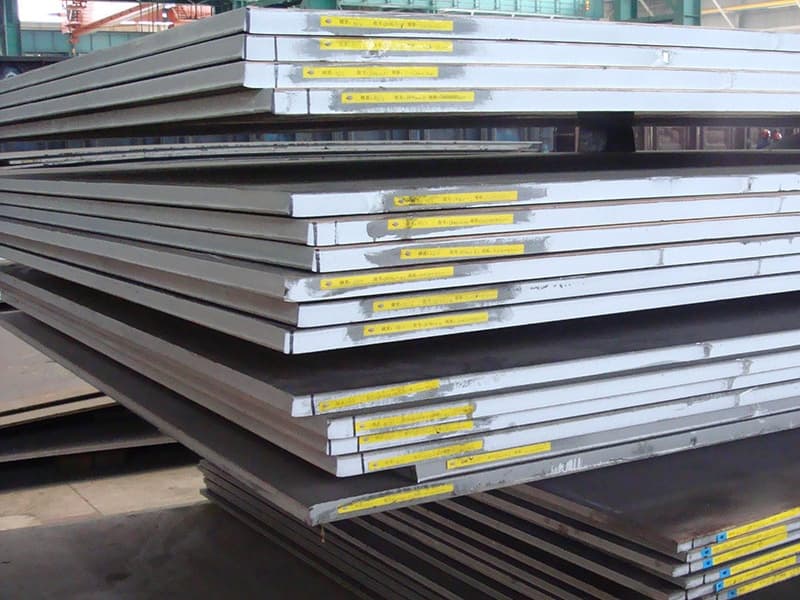
The Harsh Reality of Chlorides
The marine environment1, especially offshore, is saturated with chloride ions from salt. Chlorides are the enemy of the passive chromium oxide layer that makes stainless steel "stainless."
Why 304 Fails in Key Offshore Applications
- Pitting Corrosion: Chlorides can break through the passive layer at weak points. They create small, deep pits that penetrate the metal rapidly. These pits are hard to see but drastically reduce strength and can become crack starters. A pitted bolt or fitting can fail suddenly.
- Crevice Corrosion: This is the most common and dangerous failure mode for 304 offshore. It occurs anywhere oxygen is restricted: under bolt heads, inside threaded connections, under gaskets, under marine growth, or in weld defects. The stagnant seawater inside the crevice becomes acidic and corrosive, attacking the metal aggressively. Many offshore component failures are due to crevice corrosion3.
- Stress Corrosion Cracking (SCC): Under tensile stress (like in a tightened bolt or a pressured pipe) and in warm chloride water, 304 can develop catastrophic cracks without warning.
Where You Might See 304 Offshore (And Why It’s Risky)
- Handrails, Ladders, Stair Treads: This is a common but debated use. In a constantly washed, open-air location, 304 might last. But in the splash zone or in humid, salt-laden air, it will pit and stain. Most modern specs now call for 316 as a minimum here.
- Galley or Accommodation Fit-out: For interior sinks and surfaces, 304 is acceptable because exposure to raw seawater is minimal.
- Non-critical Covers or Panels: Where failure has no safety consequence.
The Offshore Cost of Using 304
An operator in the Gulf of Mexico once used 304 bolts for a deck-level piping support. Within 18 months, many bolts had seized or snapped during routine maintenance due to crevice corrosion3 under the nuts. The cost of cutting them out and replacing them with proper materials far exceeded the initial savings. For a structural component or a seawater system, such a failure could lead to a major hydrocarbon release or injury.
The verdict: In the professional offshore industry, 304 stainless is generally not specified for any external application. Its use is a sign of poor material selection. The risk of unexpected corrosion failure is too high. The baseline material for any stainless component exposed to the marine atmosphere or seawater is 316/L.
What is the difference between marine steel and stainless steel?
This confusion costs projects millions. One is a tough, coated workhorse for massive structures. The other is a corrosion-resistant specialist for specific components. They are different tools for different jobs.
Marine steel1 is a high-toughness carbon steel used for primary structures like hulls and platforms, requiring paint coatings for corrosion protection. Stainless steel2 is a corrosion-resistant alloy used for fittings, pipes, and components where corrosion resistance is the primary need, not structural mass.
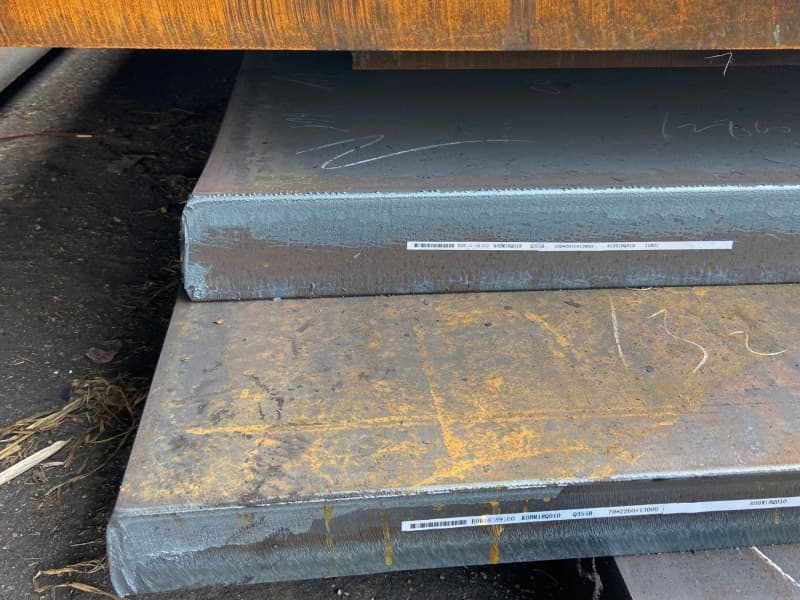
A Fundamental Comparison of Two Material Philosophies
You cannot understand offshore materials without clearing this up. Let’s break it down by their core purposes.
Marine Steel: The Structural Skeleton
- Primary Job: To carry the enormous loads of the structure—its own weight, equipment, and environmental forces from waves and wind.
- Key Property: Notch Toughness3. Its ability to absorb impact energy and resist cracking, especially at low temperatures. This is tested and certified.
- Corrosion Strategy: It expects to corrode if exposed. Therefore, it is always protected by a robust, multi-layer coating system (epoxy, polyurethane) combined with sacrificial anodes4 (zinc or aluminum blocks). This is a managed, defensive system.
- Cost: Relatively low per ton. This is essential because you use thousands of tons.
- Form: Thick plates (20-100mm), wide flanges, bulb flats. It is about bulk strength.
- Example: The entire jacket, decks, and hull of a Floating Production Storage and Offloading (FPSO)5 unit are made from certified DH36, EH36 marine steel.
Stainless Steel: The Corrosion-Fighting Component
- Primary Job: To resist corrosion and oxidation in aggressive environments, often where coatings are impractical.
- Key Property: Corrosion Resistance, measured by its chromium content and Pitting Resistance Equivalent Number (PREN)6.
- Strength/Toughness: It can be strong, but its low-temperature toughness is not the primary design driver. Some grades can be brittle.
- Corrosion Strategy: Inherent resistance from a self-healing chromium oxide passive layer on its surface.
- Cost: High per ton, often 3-5 times more than marine steel.
- Form: Pipes, tubes, valves, bolts, small plates, instrument housings.
- Example: Seawater cooling system pipes, chemical injection skid fittings, valve trim, and specific tanks on an FPSO might be made from 316L or Duplex stainless steel.
The Critical Takeaway: They Are Not Interchangeable
You cannot build an offshore jacket from stainless steel—it would be impossibly expensive and potentially brittle. You cannot make seawater pipes from coated carbon steel—the coating would damage easily and the pipes would corrode through quickly.
Here is a definitive comparison table:
| Aspect | Marine (Carbon) Steel (e.g., DH36) | Stainless Steel (e.g., 316) |
|---|---|---|
| Material Family | High-Strength Low-Alloy (HSLA) Carbon Steel | Chromium-Nickel Alloy Steel7 |
| Core Design Goal | Structural Strength & Fracture Toughness | Corrosion & Oxidation Resistance |
| Corrosion Protection8 | External System (Paint + Anodes) | Inherent Property (Passive Layer) |
| Key Certification | Impact Toughness at Low Temperature | Chemical Composition (Cr, Mo, Ni) |
| Typical Offshore Use | Platform legs, decks, hulls, primary structure. | Piping, valves, fasteners, equipment housings. |
| Relative Cost | Low (Economical for mass) | High (Used selectively) |
In an offshore project, both materials work together. The marine steel forms the strong, certified skeleton. The stainless steel forms the corrosion-resistant circulatory system and fittings. Knowing the difference ensures you specify and purchase the right material for every single part.
What stainless steel is used in seawater application?
When you need stainless steel to handle raw seawater, you must step up from the common grades. Seawater is one of the most corrosive natural environments on Earth, especially when it is warm, stagnant, or under stress.
For seawater applications, 316/L stainless steel1 is the minimum acceptable grade. For more critical, long-life, or stagnant systems, higher grades like Duplex (2205, 2507), Super Duplex2, or 6% Molybdenum austenitic steels3 (254 SMO) are used for their superior pitting and crevice corrosion resistance4.
Selecting the Right Stainless Steel for the Sea
The selection is based on the severity of the service conditions. The key metric is the Pitting Resistance Equivalent Number (PREN)5. A higher PREN means better resistance to chloride attack.
Grade 316/L: The Baseline
- Composition: ~16-18% Cr, 10-14% Ni, 2-3% Mo. The ‘L’ version has low carbon for better weldability.
- PREN: ~24-26.
- Use Case: Flowing, aerated seawater at moderate temperatures. Examples include seawater intake lines, overboard discharge lines, and cooling water pipes where water velocity is high and stagnation is minimal. It is common but requires careful monitoring. In warm or polluted waters, it may still suffer pitting.
Duplex Stainless Steels: The Workhorse Upgrade
Duplex steels have a mixed microstructure (austenite + ferrite). They offer a great balance.
- Common Grade: 2205 (UNS S32205/S31803)
- Composition: ~22% Cr, 5% Ni, 3% Mo, 0.15% N.
- PREN: ~34-36.
- Advantages: Twice the yield strength of 316, excellent resistance to stress corrosion cracking, good weldability, and better pitting/crevice resistance.
- Use Case: Seawater piping systems, heat exchangers, pumps, valves. It is now a standard choice for many offshore seawater systems.
Super Duplex2 and High-Mo Austenitics: For the Toughest Jobs
- Super Duplex2 (e.g., 2507): PREN >40. Used for high-pressure, high-temperature seawater systems, and subsea components.
- 6% Molybdenum Austenitics (e.g., 254 SMO): PREN >43. Used in extremely aggressive conditions, hot seawater, or where crevice corrosion is a major concern.
Factors That Dictate the Choice
The "best" grade depends on:
- Temperature: Corrosion rates double with every 10°C increase. Warm Gulf seawater needs a higher grade than cold North Atlantic water.
- Stagnation: Stagnant water in dead legs, under deposits, or in tanks allows chlorides to concentrate and oxygen levels to drop. This is the perfect condition for crevice corrosion. Higher grades are essential here.
- Pollution: Seawater containing sulfides (from oil/gas or pollution) is much more corrosive.
- Applied Stress: Components under tension (bolts, pressured pipes) risk Stress Corrosion Cracking (SCC)6. Duplex steels are much more resistant to SCC than 316.
Here is a selection guide for offshore seawater systems:
| Application / Condition | Recommended Stainless Steel Grade | Rationale |
|---|---|---|
| General seawater piping (cooling, firewater) | Duplex 2205 | Now the cost-effective standard, offering high strength and good corrosion resistance4. |
| Seawater pump casings & impellers | Duplex 2205 or Super Duplex2 | Handles high velocity, potential for cavitation, and requires strength. |
| Ballast water tanks (coated) | Coated Carbon Steel | Stainless is too expensive. A high-integrity coating is the standard solution. |
| Fasteners in splash zone | At least 316, preferably Duplex | Prone to crevice corrosion; needs high resistance. |
| Heat exchanger tubes | Titanium or high-grade stainless | Thin walls, hot temperatures, and risk of deposit under tubes demand the best. |
| Mooring chain accessories | Special high-strength, corrosion-resistant alloys | Extreme stress and full immersion require unique materials. |
Certification is key here too: Even for stainless steel, offshore projects require certified material with full traceability (Heat Number) and Mill Test Certificates7 confirming the chemical composition meets the specified grade, often with additional testing like pitting corrosion tests. Using uncertified "equivalent" stainless steel is a major risk.
Conclusion
For offshore projects, certified marine steel is not an option; it is a mandatory insurance policy. It guarantees the material’s performance where failure is not an option, protecting lives, the environment, and your capital.
-
Explore the unique properties of 316/L stainless steel and its suitability for seawater applications. ↩ ↩ ↩ ↩ ↩ ↩
-
Discover the high-performance characteristics of Super Duplex stainless steel for demanding seawater environments. ↩ ↩ ↩ ↩ ↩ ↩ ↩
-
Find out how 6% Molybdenum austenitic steels excel in aggressive seawater conditions. ↩ ↩ ↩ ↩ ↩ ↩
-
Explore the varying levels of corrosion resistance in stainless steel grades for seawater use. ↩ ↩ ↩ ↩
-
Understand the significance of PREN in selecting stainless steel for seawater applications. ↩ ↩ ↩
-
Learn about SCC and its implications for stainless steel used in seawater applications. ↩ ↩
-
Understand the importance of Mill Test Certificates in ensuring the quality and traceability of stainless steel. ↩ ↩
-
Find effective corrosion protection strategies to enhance the longevity of marine structures. ↩