
I have seen buyers receive a container of bulb flat steel. They open it. The steel looks fine. But when their fabricator starts cutting and welding, they find problems. The dimensions are off. The surface has defects. The steel does not pass the surveyor’s inspection. By then, the project is behind schedule. The money is spent. And the supplier is not answering emails.
A proper quality control flow for bulb flat steel starts at the raw material, continues through the rolling process, includes a thorough pre-shipment inspection, and ends with full traceability from billet to bundle. When you follow this flow, you catch problems early and deliver steel that passes inspection the first time.
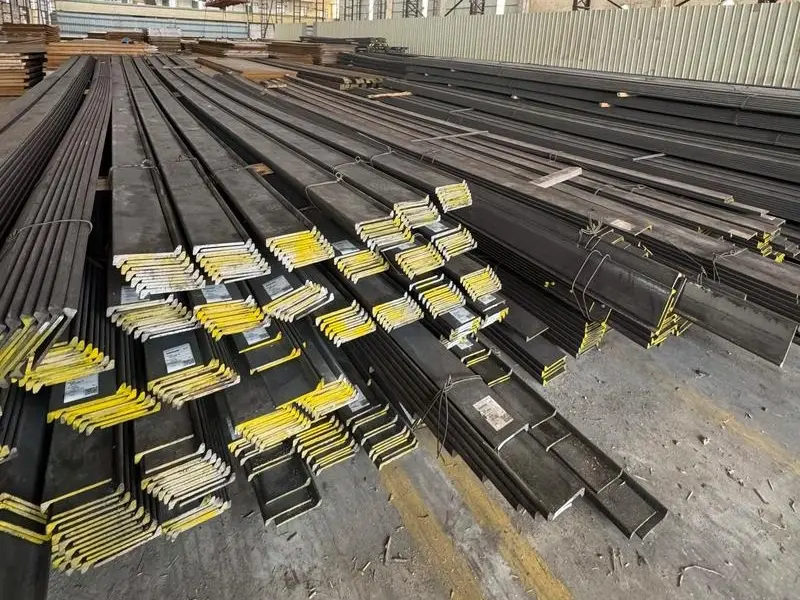
I run quality control for every export order that leaves our facility. I learned this process from years of shipping to clients in Vietnam, Saudi Arabia, and the Philippines. The clients who trust us with their bulb flat steel orders know what to expect. In this article, I will walk you through our quality control flow step by step. I will show you what we check and why it matters.
What raw material checks1 should be done before production starts?
I had an order for a client in Malaysia a few years ago. The order was for 200 tons of bulb flat steel. We started production on time. But halfway through, we found a problem. The steel billets from the mill had inclusions. If we had not caught it early, we would have shipped defective steel. The client would have rejected it. And we would have lost money and trust.
Before production starts, you need to check the steel billet source, verify the chemical composition, inspect the billet surface, and confirm the billet dimensions2 match the rolling requirements. These checks make sure the raw material is clean and correct before it goes into the furnace.
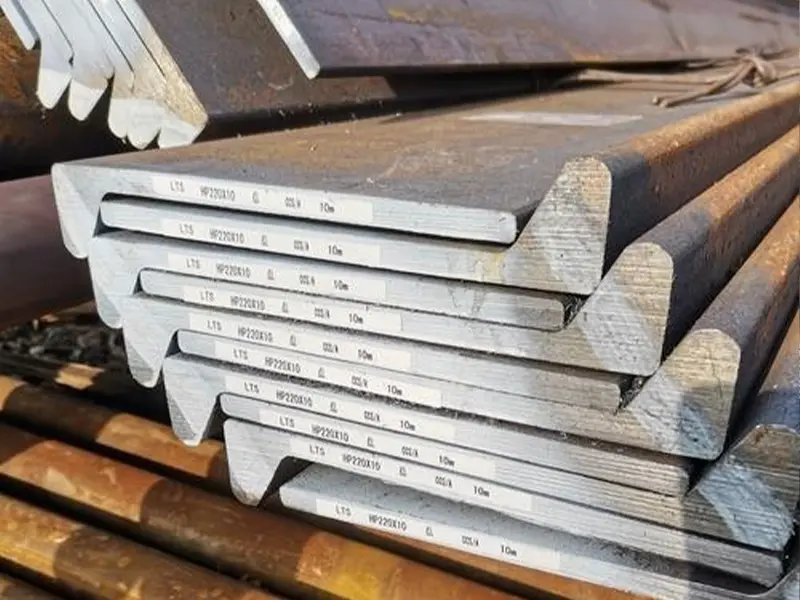
Billet Source Verification3
The first thing I check is where the steel billet comes from. Not all billets are the same. Some mills use recycled scrap with unknown origins. Others use controlled raw materials from certified sources.
For marine bulb flat steel, the billet needs to come from a mill approved by the classification society your project requires. I ask for the billet mill certificate before we start. I check the mill name against the approved list. If the billet mill is not approved, we do not proceed.
Chemical Composition Testing4
This is where many problems start. The chemical composition of the steel determines its strength, weldability, and corrosion resistance.
I run a test on every batch of billets before production. I look at:
- Carbon content. Too high, and the steel becomes hard to weld.
- Manganese content. Too low, and the strength drops.
- Sulfur and phosphorus. Too high, and the steel becomes brittle.
I keep a record of these tests. If a client asks for the chemistry later, I can show them the data from the billet stage.
Surface and Dimension Inspection5
This step surprises some buyers. They think we only check the finished steel. But checking the billet surface saves time later.
I look for:
- Surface cracks. Small cracks in the billet become big cracks in the finished steel.
- Blowholes or porosity. These create weak spots.
- Billet size. The billet needs to be the right size to roll into the correct bulb flat profile.
Here is a simple breakdown of what I check at the raw material stage:
| Check Item | What We Look For | Why It Matters |
|---|---|---|
| Billet mill source | Approved classification society mill | Ensures steel meets marine standards |
| Chemical composition | Carbon, manganese, sulfur, phosphorus levels | Affects strength, weldability, and corrosion resistance |
| Billet surface | Cracks, blowholes, scale | Surface defects carry through to finished steel |
| Billet dimensions | Width, thickness, length | Wrong billet size leads to wrong finished profile |
My Rule for Raw Material
I do not start rolling until I have all these checks done. If the billet fails any check, I send it back. It costs time. But it costs less than shipping bad steel to a client and dealing with a rejection.
How to monitor dimensional accuracy1 during the rolling process?
Bulb flat steel has a unique shape. The bulb at the top is not a simple angle. It has a curve. The dimensions need to be exact. If the bulb is too small, the structural strength drops. If the bulb is too large, the steel does not fit with other components.
Monitoring dimensional accuracy during rolling requires continuous measurement of key points. You check the bulb height2, the web thickness3, the flange width4, and the straightness. You take samples at regular intervals. And you adjust the rolling mill when dimensions start to drift.
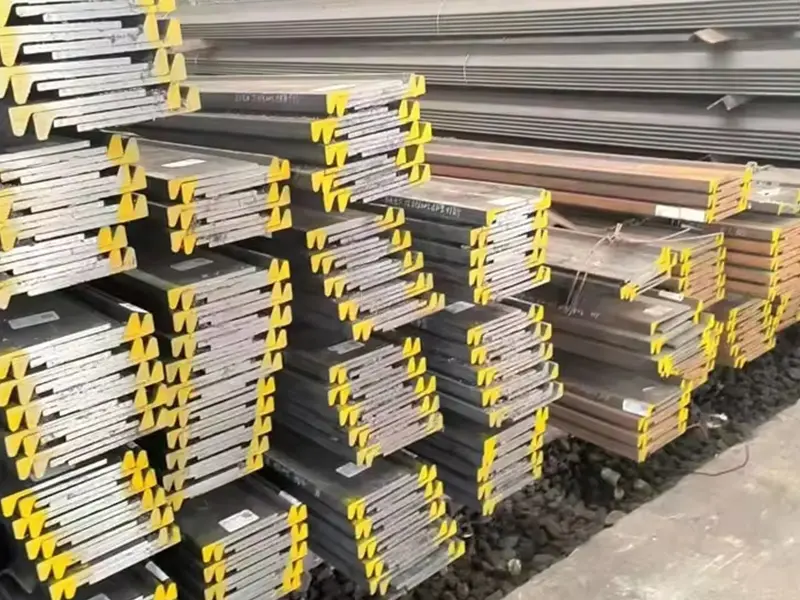
Key Dimensions to Monitor
When I watch the rolling process, I focus on four critical dimensions. These are the ones that surveyors check when the steel arrives at the shipyard.
- Bulb height. This is the distance from the top of the bulb to the bottom of the web. It needs to match the specification within a small tolerance.
- Web thickness. The vertical part of the profile. Too thin and the strength drops. Too thick and the weight increases.
- Flange width. The bottom part that sits against the ship hull. This needs to be consistent across the whole length.
- Straightness. Bulb flat steel should be straight. If it bends, it creates problems during welding and installation.
Sampling Frequency
I learned that checking every piece is not realistic. The rolling mill moves fast. So I use a sampling plan.
I take samples:
- At the start of each rolling batch
- Every 50 pieces during production
- At the end of the batch
If I see a problem, I increase the frequency. I check every 20 pieces until the problem is fixed.
Real-Time Adjustments
The rolling mill has controls. The operators can adjust the rolls to change the dimensions. But they need to know when to adjust.
I tell my team to watch the measurements closely. If the bulb height starts to drift, we adjust the rolls immediately. We do not wait until the end of the day. Waiting means we have a batch of out-of-spec steel to scrap or rework.
Here is a table I use to track dimensional tolerances:
| Dimension | Standard Tolerance | Action If Out of Spec |
|---|---|---|
| Bulb height | +/- 1.0 mm | Stop line. Adjust rolls. Check next 10 pieces |
| Web thickness | +/- 0.5 mm | Flag pieces. Separate for reinspection |
| Flange width | +/- 1.5 mm | Check if usable. Mark deviations |
| Straightness | 3 mm per 3 meters | Reject bent pieces. Adjust cooling process5 |
Cooling and Straightening
One thing buyers do not always know. The steel moves as it cools. A straight piece coming out of the mill can bend as it cools down.
I watch the cooling process carefully. We use cooling beds that keep the steel flat. After cooling, we run the steel through a straightening machine if needed. This step makes sure the steel stays straight from the mill to the container.
What pre-shipment inspection steps ensure export readiness?
I remember a shipment to Qatar. The client asked for third-party inspection. We did the inspection at the mill. Everything passed. But when the steel arrived, the client’s surveyor found rust on some pieces. How did that happen? The steel sat at the port for two weeks in humid weather. The packing was not sealed enough.
Pre-shipment inspection1 includes final dimensional check, surface condition review, packing verification, marking confirmation, and third-party inspection if required. These steps make sure the steel is ready to travel and will arrive in the same condition it left.
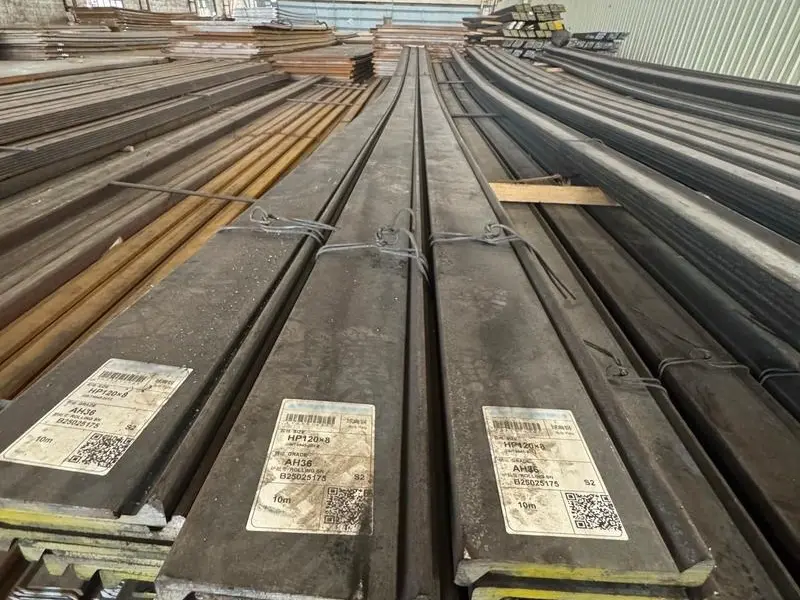
Final Dimensional and Surface Check
Before we pack the steel, I do one final walkthrough. I check:
- The dimensions of the last pieces in the batch
- The surface for rust, scale, or handling damage
- The straightness after cooling and storage
I do this with the production team. We go piece by piece. If something does not look right, it does not go into the bundle.
Packing Standards
Bulb flat steel needs to travel a long way. Sometimes by truck, then by ship, then by truck again. The packing protects the steel during this journey.
I use:
- Steel bands to hold bundles together. Tight enough to stay but not so tight that they bend the steel.
- Edge protectors under the bands. These keep the bands from cutting into the steel.
- Protective wrapping for bundles that go by sea. This keeps moisture off the steel.
- Wooden separators between layers. These let air flow and prevent condensation.
The client in Qatar taught me a lesson. Now I use extra wrapping for humid destinations. It costs a little more. But it costs less than dealing with rust claims.
Marking and Identification
This seems simple. But I have seen shipments held up because the markings were wrong.
I check:
- The steel grade is stamped on each piece
- The bundle tags show the size, grade, and quantity
- The packing list matches the physical bundles
- The shipping marks match the client’s requirements
I take photos of the markings before loading. I send them to the client. This gives them confidence that the steel is labeled correctly.
Third-Party Inspection Coordination
Many of my clients use third-party inspection. SGS, Bureau Veritas, or other companies come to our facility. They check the steel before we load.
I make sure:
- The inspector has all the documents. Mill certificates, test reports, packing lists.
- The steel is ready and accessible. No bundles hidden behind other products.
- I am available to answer questions. If the inspector finds something, I want to address it right away.
Here is my pre-shipment checklist:
| Step | What We Do | Who Confirms |
|---|---|---|
| Final dimensional check2 | Measure random pieces from each bundle | Production supervisor |
| Surface condition | Visual inspection for rust, damage, defects | Quality control team |
| Packing | Check bands, protectors, wrapping, separators | Packing team leader |
| Markings | Verify steel stamp, bundle tags, packing list | Shipping coordinator |
| Third-party inspection3 | Coordinate schedule, provide documents, support on-site | Export sales rep |
How to maintain traceability1 from steel billet to delivered bundle?
A client in the Philippines called me last year. They had a surveyor at their site. The surveyor wanted to see the test report for a specific bundle. I pulled up the record. I told them the billet number, the production date, and the test results. They passed the inspection that day.
Traceability means you can connect every delivered bundle back to the steel billet it came from. You do this with batch numbers, production records2, test reports, and clear labeling. When you have traceability, you can answer any question about any piece of steel you shipped.
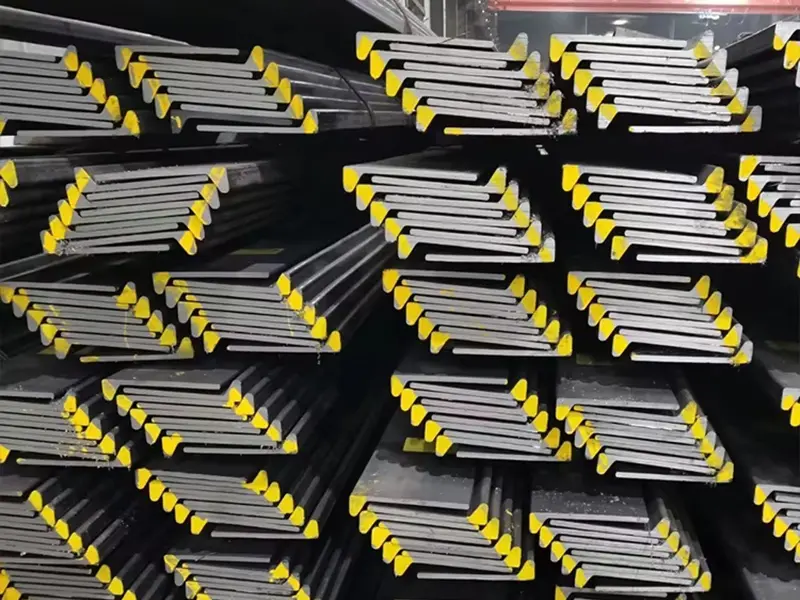
The Batch Number System
I use a simple batch number system3. Each batch of billets gets a unique number. That number follows the steel through the whole process.
The batch number includes:
- The billet mill source
- The production week
- A sequential batch count
When the steel goes into the furnace, we record the batch number. When the steel comes out of the mill, we stamp the batch number on each piece. When we pack the steel, the bundle tag shows the batch number.
Production Records
I keep records for every batch. These records stay in our system forever. A client from five years ago can ask about an order, and I can find the records.
My production records include:
- Billet mill certificate with chemistry
- Rolling start and end dates
- Dimensional inspection logs
- Heat treatment records if applicable
- Final inspection report
- Packing list with bundle details
Test Report Matching
When a surveyor asks for a test report, they want to see a report that matches the steel they are looking at.
I make sure:
- The test report has the same batch number as the steel
- The mechanical properties in the report match the steel grade
- The chemical composition in the report matches what we tested
- The report is signed and dated
I also keep extra copies. If the client loses the report, I can send a new one.
The Complete Traceability Flow
Here is how traceability flows from start to finish:
| Stage | What We Track | How We Track It |
|---|---|---|
| Billet receiving | Billet mill, chemistry, dimensions | Billet log with unique batch number |
| Production start | Which billets go into which batch | Production order linked to batch number |
| Rolling | Which pieces come from which batch | Batch number stamped on each piece |
| Inspection | Inspection results by batch | Test report linked to batch number |
| Packing | Which bundles contain which batch | Bundle tag shows batch number |
| Shipping | Which bundles go on which container | Packing list with batch numbers per bundle |
| Delivery | Full record for client | Complete file with all documents |
Why Traceability Matters to Clients
I learned this from Gulf Metal Solutions. When they receive steel, their surveyor checks everything. They want to see the test report for each batch. They want to confirm the steel matches the certificate.
When I have full traceability, I can give them what they need quickly. They pass their inspection. They trust us more. And they come back for the next order.
Conclusion
Quality control for bulb flat steel export orders is a step-by-step process. Check the raw material first. Monitor the rolling dimensions. Inspect everything before shipment. Keep full traceability from billet to bundle. Do these steps, and your steel will pass inspection every time.
-
Understanding traceability is crucial for ensuring quality and compliance in steel production. ↩ ↩ ↩ ↩
-
Learn about the significance of maintaining production records for accountability and quality assurance. ↩ ↩ ↩ ↩
-
Explore how a batch number system enhances tracking and quality control in manufacturing processes. ↩ ↩ ↩ ↩
-
Flange width consistency is key for fitting. Explore its impact on production and quality control. ↩ ↩
-
The cooling process can alter dimensions. Learn how to manage it for optimal results. ↩ ↩