
Your email inbox fills with new inquiries. Shipyards in Vietnam, the Philippines, and Malaysia are all asking for the same thing: marine L-shaped steel. The volume surprises you. Just a few years ago, these requests were occasional. Now they are weekly. Something has shifted in the Asian shipbuilding market. Understanding this demand growth helps you prepare for what comes next.
The demand growth of marine L-shaped steel in Asian shipyards is driven by the expansion of shipbuilding capacity in countries like Vietnam, the Philippines, and Malaysia, coupled with the need for modern, high-strength materials in new vessel construction. As these yards move from simple repairs to building complex ocean-going ships, their consumption of certified structural steel, including L-shaped sections, increases significantly.
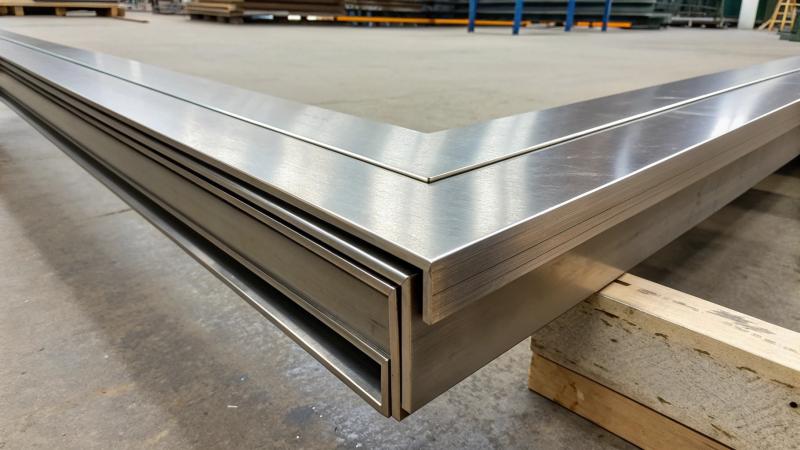
To understand this trend, we must first understand the product itself. The terminology around L-shaped steel can be confusing. Different names are used interchangeably, but they can mean different things. Let’s start by clarifying what we are talking about.
What is L-shaped steel called?
You are talking to a supplier in China. You say "L-shaped steel." They look confused. You try "angle steel1." They nod. Later, you see a specification sheet that says "L-section2." The same product has many names. Knowing these names is not just vocabulary. It is essential for effective communication and ensuring you get the right material.
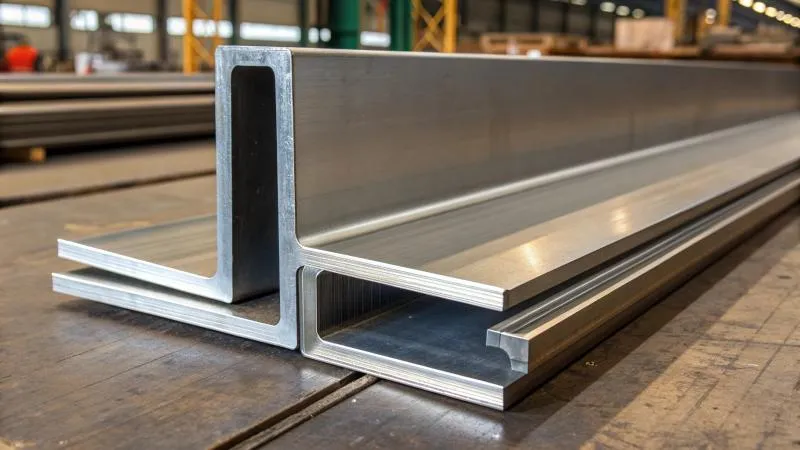
L-shaped steel is most commonly called angle steel1 or angle bar3 in general construction and fabrication. In shipbuilding and marine engineering, it is often referred to as ship angle steel1 or marine L-section4n](https://cnmarinesteel.com/how-to-read-l-shaped-steel-drawings-and-specifications/)[^2] [citation:4]. The technical term in standards and classification society documents is often L-section or angle section [citation:2][citation:10]. All these terms refer to the same basic product: a hot-rolled steel profile with an L-shaped cross-section.
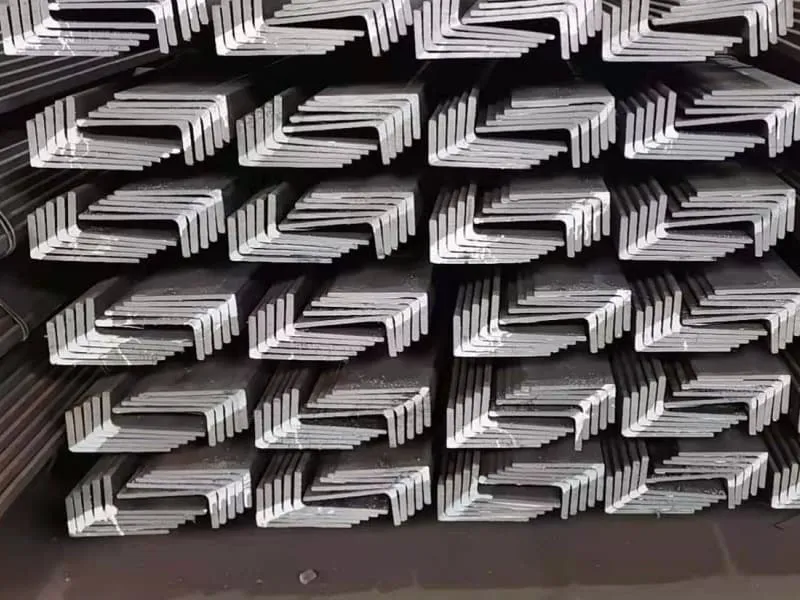
Navigating the Terminology Landscape
Understanding the different names helps you communicate effectively with different audiences.
1. The Common Names and Where They Are Used.
- Angle Steel / Angle Bar: This is the most universal term. It is used in construction, general fabrication, and by most steel suppliers. If you use this term, almost everyone will understand you [citation:6].
- L-Shaped Steel: This is a descriptive term, often used by non-specialists or in casual conversation. It is clear but less technical.
- L-Section: This is the precise technical term used in engineering drawings, material standards, and classification society documents. The IALA Dictionary, for example, defines an "angle section" as a rolled metal section shaped like an "L" [citation:2]. In shipbuilding terminology, "L-section2" is also used [citation:10].
- Ship Angle Steel / Marine L-Section: These terms specify that the product is intended for marine use and meets the relevant classification society requirements [citation:4]. They imply a higher quality and certification standard than general angle steel1.
- L-Bar: This term is sometimes used, particularly in older references or in specific regional contexts [citation:10].
2. Why Multiple Names Exist.
The different names reflect different perspectives:
- Shape-Based (L-shaped, L-section2): Focuses on the geometry.
- Product-Based (Angle steel, angle bar3): Focuses on the product category in the steel industry.
- Application-Based (Ship angle steel1): Focuses on the intended use and the associated quality requirements.
3. The Procurement Implication.
When you are sourcing material, using the right term signals your expertise and ensures clarity.
- If you are buying for general fabrication: "Angle steel" is sufficient.
- If you are buying for a classed vessel: Use "marine angle steel1" or specify the grade and classification (e.g., "ABS AH36 angle steel1"). This tells the supplier that certification is required.
My Insight from the Field
A new client from Thailand once sent us an inquiry for "L-bar5, ship grade." Our team understood what they meant, but we still asked for clarification. We sent them our product data sheet for "Marine Angle Steel" with the various grade options. They confirmed that was exactly what they needed. If we had just quoted for "angle steel1" without asking, we might have supplied a general construction grade that would have failed their class inspection. This experience taught me that clarifying terminology is not pedantic. It is a critical step in understanding the customer’s real needs and preventing costly mistakes.
What is the L-shaped piece of steel?
You are on the fabrication floor. A worker holds up a piece of steel cut from a larger plate. It is L-shaped. But is it the same as rolled L-shaped steel? The answer is no. Understanding the difference between a fabricated L-shape and a rolled L-shape is crucial. One is a structural product with certified properties. The other is a piece of scrap with unknown strength.
An L-shaped piece of steel can refer to two different things. First, it is the common description of a rolled angle section1 manufactured in a steel mill [citation:2]. Second, it can refer to a fabricated corner piece2 cut from a steel plate and welded or bolted into place as a connection [citation:3][citation:7]. The rolled section is a primary structural member. The fabricated piece is typically a connection component.
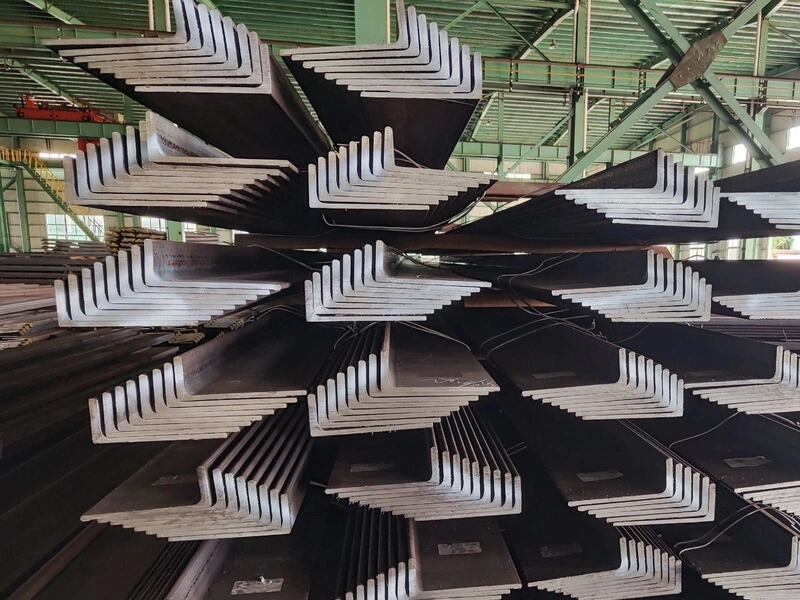
Rolled vs. Fabricated: A Critical Distinction for Quality and Strength
This distinction has major implications for structural integrity and procurement.
1. The Rolled Angle Section (The Structural Member).
- How It’s Made: Heated steel is passed through a series of rollers that gradually shape it into an L-shaped profile. This is a hot-rolling process.
- Properties: The rolling process aligns the grain structure of the steel, giving it consistent mechanical properties throughout. The entire section, including the corner radius, is engineered for structural performance.
- Certification: Rolled angles come with Mill Test Certificates3 (MTCs) that verify the chemical composition and mechanical properties of the specific heat of steel used.
- Use: Used as primary framing, stiffeners, and load-bearing members.
2. The Fabricated L-Shaped Piece (The Connection or Bracket).
- How It’s Made: A piece is cut from a flat steel plate (often using plasma or laser cutting) and then bent or left as two pieces welded together to form an L-shape. This is a fabrication process4.
- Properties: The strength depends on the original plate’s properties and the quality of the welding or bending. The corner is either a bent radius or a welded joint, which can be a stress concentration point.
- Certification: It is certified as part of the plate it came from, but the fabricated piece itself does not have a separate section property certificate like a rolled angle.
- Use: Used as connection gussets, brackets, lifting lugs, and local reinforcements [citation:4][citation:7].
3. The "L-Shaped Connection" in Shipbuilding.
Research and patents show that L-shaped connections5 are critical areas in ship structures. For example, studies have examined the strength of L-shaped joints connecting composite superstructures to steel hulls [citation:3]. Patents exist for "L-shaped distribution sandwich panel connection systems" that use specially fabricated L-shaped components to join complex structures [citation:7]. These are not rolled angles; they are engineered fabrications.
My Insight from the Field
A shipyard in Vietnam once asked us to quote a large quantity of "L-shaped steel" for a new project. When we asked for the detailed specification, they sent a drawing showing fabricated brackets made from 20mm plate. They wanted us to supply the cut and formed pieces, not rolled angles. If we had assumed they meant rolled angle steel, our quote would have been completely wrong. By asking for clarification, we were able to provide a quote for the fabricated parts they actually needed. This experience reinforced that the phrase "L-shaped piece of steel" is ambiguous. A good supplier always seeks clarification before quoting.
What is the L shape steel connection?
You are reviewing the structural drawings for a new vessel. You see details labeled "L-shaped connection." These are the points where beams meet, where stiffeners attach to bulkheads, where critical loads transfer. The integrity of the entire structure depends on these connections. Understanding what they are and how they are made helps you appreciate why the steel in them matters.
An L-shaped steel connection1 is a structural joint where two steel members meet at an angle, typically 90 degrees, and are connected using an L-shaped bracket or by directly welding the members. These connections are critical load transfer points2 in ship structures, found at beam-to-column joints, plate stiffener intersections, and equipment foundations [citation:3][citation:4].
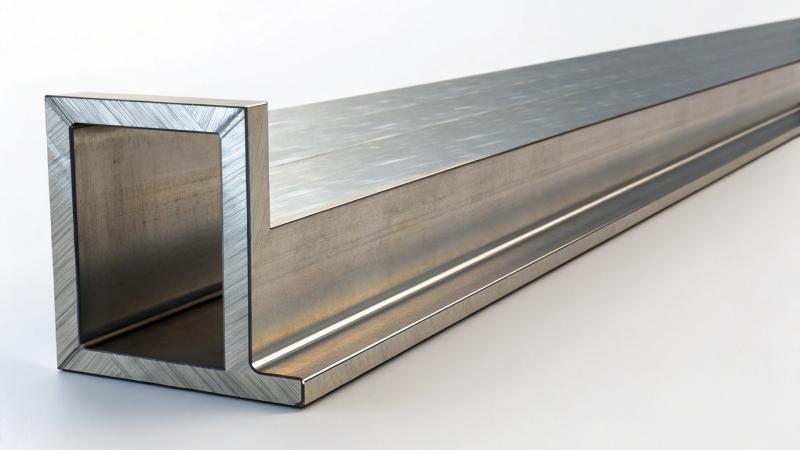
The Critical Role of L-Shaped Connections in Ship Structures
Connections are often the most highly stressed areas in a structure. Their design and material quality3 are paramount.
1. Types of L-Shaped Connections.
- Bracketed Connections: An L-shaped bracket (often cut from plate or a rolled angle) is used to connect two members. For example, a deck beam connecting to a frame. The bracket distributes the load over a larger area, reducing stress concentration4s [citation:4].
- Direct Welded Connections: The end of one member is cut to fit against the other, and they are welded directly. This is common for stiffener-to-plate connections.
- Gusset Plate Connections: A flat plate (gusset) is welded at the corner to reinforce the joint. This is often L-shaped in effect, if not in form.
2. Why Connections Are Critical.
- Load Transfer: All the forces in a structure flow through the connections. A weak connection means the whole structure is weak.
- Stress Concentration: Corners are natural stress raisers. The geometry of the connection and the quality of the welds determine how well the structure handles these stresses.
- Fatigue Sensitivity: Ships experience cyclic loading from waves. Connections are the most common locations for fatigue cracks to initiate. This is why "fatigue-conscious detailing5" is emphasized in marine steel specifications [citation:4].
3. Material and Quality Considerations for Connections.
- Bracket Material: If the connection uses a bracket cut from plate, the plate must be of the same grade and quality as the members it connects. Using a lower grade creates a weak point.
- Weldability: The steel must have good weldability6 to ensure sound, defect-free welds in the connection.
- Toughness: The steel in connections must have adequate toughness to resist crack initiation and propagation, especially in cold environments.
My Insight from the Field
We supplied steel for a project in Malaysia where a critical L-shaped connection failed during load testing. Investigation showed that the fabricator had used a piece of scrap A36 steel to make a bracket for an AH36 frame. The bracket was too weak and yielded under load. The cost of rework was significant. This incident led the shipyard to implement a strict policy: all connection material must be traceable to certified stock, and no scrap or off-cut can be used for primary structure. It reinforced for me that in connections, the steel quality is just as important as in the main members.
What does L mean in steel?
You are reading a steel specification. You see "L 100x100x10." What does the "L" stand for? Is it a grade? Is it a property? Understanding this simple notation is fundamental to reading drawings, placing orders, and verifying deliveries. It is the language of the steel industry.
In steel industry notation, "L" stands for "L-shaped section1" or "angle." It is the standard prefix used on drawings and in material lists to indicate that the section is an angle profile2. For example, "L 100x100x10" means an equal angle with 100mm legs and 10mm thickness. The "L" does not indicate the steel grade3; it indicates the shape [citation:4][citation:6].
Decoding Steel Section Notation
The "L" is just one part of a standardized naming system.
1. The Prefix: Shape Indicator.
- L: Angle section (L-shaped). This is the most common prefix for angles.
- HP: Bulb flat section (HP 300×12).
- FB: Flat bar (FB 100×12).
- UB / UC: Universal beam / column (I or H sections).
- P: Plate (P 20x2000x6000 means plate 20mm thick, 2000mm wide, 6000mm long).
2. The Dimensions: Size Specification.
After the prefix, the dimensions are given in a specific order.
- For Equal Angles: L 100x100x10 (Leg A length, Leg B length, Thickness). Since legs are equal, sometimes it is written as L 100×10.
- For Unequal Angles: L 150x90x12 (Longer leg, Shorter leg, Thickness). The order matters. The longer leg is always given first.
- For Other Sections: Similar logic applies, always following the standard for that profile.
3. The Grade: Separate from Shape.
The "L" tells you the shape. The steel grade3 is specified separately. For example:
- "L 100x100x10, Grade AH36" means an angle shape, 100x100x10mm, made from AH36 steel.
- "L 150x90x12, ABS Grade DH36" means an unequal angle shape, made from ABS-certified DH36 steel.
4. Why This Matters.
Using the correct notation prevents errors. If you order "100x100x10 angle" without the "L," it is usually understood. But in a complex drawing with many different sections, the "L" prefix provides clarity. It tells the reader instantly that this item is an angle, not a flat bar or a bulb flat.
My Insight from the Field
A client in the Philippines once sent us a purchase order for "100x100x10 AH36." The item was clear enough. But when they sent the drawing for a different project, it was full of notations like "L100x10" and "L150x90x12 DH36." Their drawing package was professional and easy to read because they used the standard "L" prefix. This made it simple for us to extract the material list and prepare a quote. It also gave us confidence that they were an experienced buyer. Using standard notation4 is a small thing, but it signals professionalism and reduces the risk of misunderstandings.
Conclusion
The demand for marine L-shaped steel in Asian shipyards is growing. Understanding its names, its forms, its role in connections, and the meaning of "L" in specifications helps buyers navigate this expanding market with confidence.
-
Understanding the L-shaped section is crucial for interpreting steel drawings and ensuring accurate orders. ↩ ↩ ↩ ↩ ↩ ↩ ↩ ↩ ↩ ↩ ↩
-
Exploring angle profiles will enhance your knowledge of steel shapes and their applications in construction. ↩ ↩ ↩ ↩ ↩ ↩
-
Learning about steel grades helps in selecting the right materials for structural integrity and safety. ↩ ↩ ↩ ↩ ↩ ↩
-
Understanding standard notation is essential for clear communication and reducing errors in steel orders. ↩ ↩ ↩ ↩
-
Discover how fatigue-conscious detailing helps prevent structural failures in marine environments. ↩ ↩ ↩
-
Understanding weldability can help you appreciate its role in ensuring strong and durable connections. ↩