
You pick a bulb flat steel supplier. Then quality drops. Delivery slips. Your shipbuilding project suffers.
Set up a structured onboarding process. Track clear KPIs for quality, delivery, and responsiveness. Then review performance regularly with joint improvement plans.
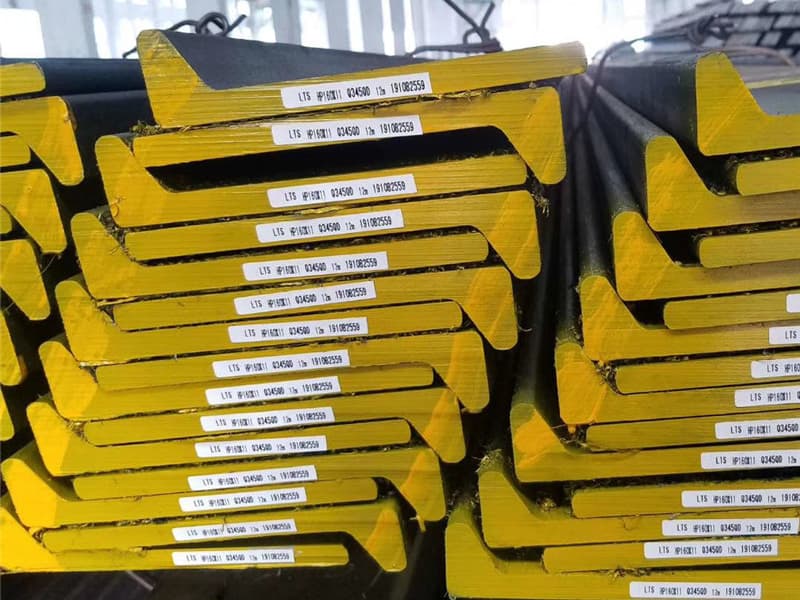
Managing a supplier is not a one‑time job. It takes daily attention. Let me share four proven practices that keep your bulb flat steel supply reliable.
How Do You Establish a Structured Supplier Qualification and Onboarding Process?
You find a supplier online. Their price looks good. You send a PO. Then you discover they have no real mill relationship.
Create a qualification checklist. Visit their office or ask for a video tour. Request mill contracts and past export records. Then run a small trial order before full commitment.
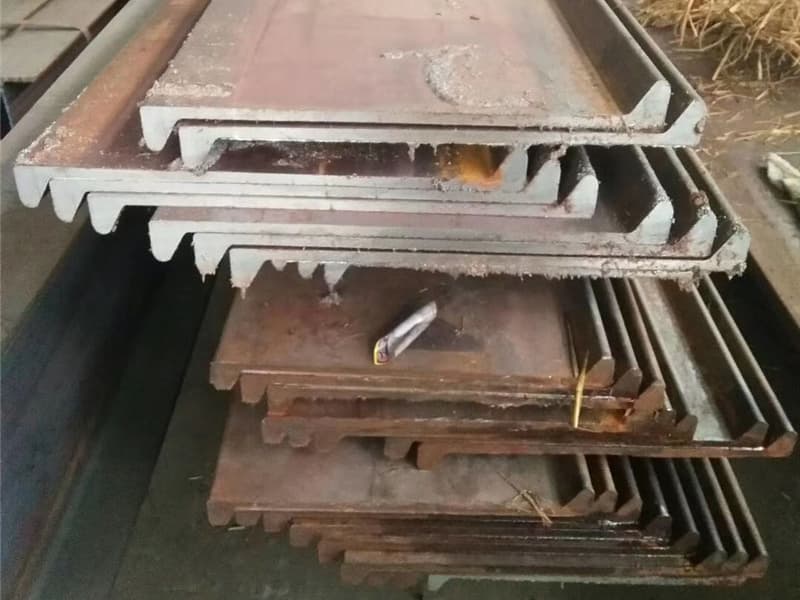
What Should a Qualification Checklist Include?
Many buyers skip this step. They pay later with delays and returns. I have seen a client in the Philippines order 150 tons of bulb flat steel from an unqualified trader. The steel arrived with wrong dimensions. Two months of negotiation followed. In the end, the buyer lost $30,000.
Here is a checklist I recommend. Use it for every new supplier.
| Qualification item | What to verify | How to verify |
|---|---|---|
| Mill cooperation proof | Long-term contract or rolling slot commitment | Ask for a signed agreement or mill confirmation email |
| Export track record | Past bills of lading for your target country | Request 3–5 BL copies from the last 12 months |
| Third-party inspection support | Willing to accept SGS or similar inspection | Put it in the PO as a condition |
| English communication | One dedicated rep who replies within 24 hours | Send a test inquiry and measure response time |
| Financial stability | Company registration and bank reference | Use a credit check service or ask for trade references |
After you check these five items, run a trial order. The trial order should be small, like 20–30 tons. Use it to test quality, delivery, and communication. Only after a successful trial should you place bigger orders.
How Do You Onboard a Supplier Smoothly?
Onboarding is more than sending a PO. You need to share your expectations clearly. I suggest you prepare a simple supplier onboarding pack. This pack includes:
- Your standard PO terms (delivery date, penalty for late delivery)
- Quality specification sheet (thickness tolerance, surface finish, chemical limits)
- Inspection and document requirements (MTC, packing list, commercial invoice)
- Communication protocol (weekly report, named contact person)
Send this pack to the supplier before you sign the contract. Ask them to sign an acknowledgment. That way, everyone knows the rules from day one.
At our company, we receive such packs from large importers in Vietnam and Mexico. We follow them strictly. For example, one client asks for a video of the steel being measured. We send that video every week. That builds trust.
So start with a strong qualification process. Then onboard with clear documents. Your bulb flat steel supply will become much more stable.
What Key Performance Indicators (KPIs) Should You Track for Quality, Delivery, and Responsiveness?
You feel your supplier is doing okay. But you have no numbers. Then a problem comes and you cannot prove it.
Track three simple KPIs: rejection rate (quality), on‑time delivery rate (delivery), and average response time (responsiveness). Measure them every month.
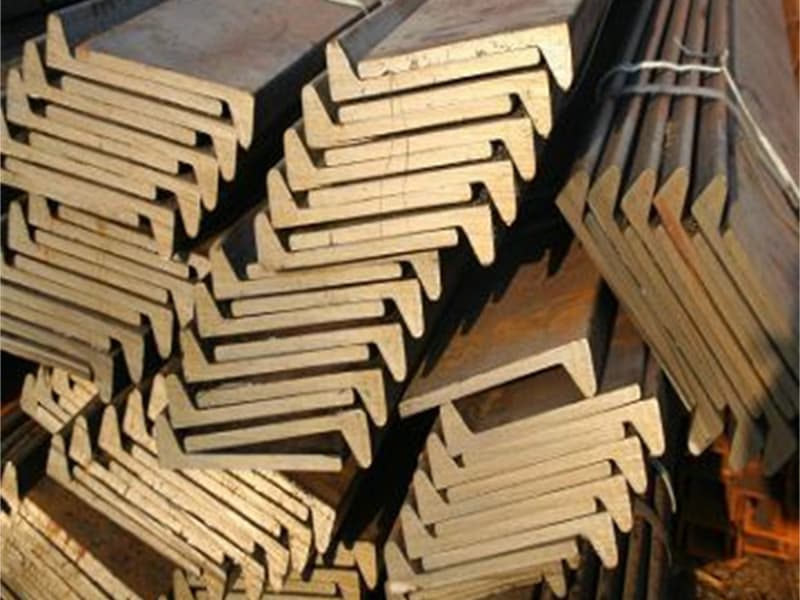
Why Do You Need KPIs for a Steel Supplier?
KPIs turn feelings into facts. You might think your supplier is always late. But without numbers, you cannot be sure. You also cannot show the supplier where they need to improve.
I remember a buyer from Qatar. He complained about his bulb flat steel supplier every week. But he had no records. When I asked for his on‑time delivery rate, he said “maybe 70%.” Then he checked his emails. The real number was 45%. That shocked him. He changed suppliers after that.
What Are the Most Useful KPIs for Bulb Flat Steel?
Keep it simple. Do not track 20 metrics. You will get bored and stop. Track only these three.
| KPI | Formula | Target | How to collect data |
|---|---|---|---|
| Rejection rate | (Tons rejected / Total tons received) x 100% | 95% | Compare promised ship date with actual BL date |
| Average response time | Total hours to answer an urgent query / Number of queries | < 24 hours | Use email timestamps or WhatsApp read receipts |
I also add a fourth KPI for long‑term projects: schedule adherence. This measures how often the supplier meets weekly production milestones. You can track it with a simple red/yellow/green status.
How Do You Track KPIs Without Extra Work?
You do not need expensive software. A simple Excel sheet works. Create one tab with four columns: Date, Supplier name, Order number, and KPI value. Spend 10 minutes every Friday to update it.
For example, when a shipment arrives, write down the rejection rate for that shipment. If no rejection, put 0%. If 2 tons out of 100 tons are rejected, put 2%. For delivery, mark “on time” or “late” next to each order. At the end of the month, count the “on time” percentage.
Then share this sheet with your supplier. Most suppliers do not see their own performance numbers. When you show them, they pay attention. I have seen suppliers improve their delivery from 70% to 90% just because someone started tracking and sharing the data.
So start tracking these three KPIs today. They cost almost nothing. But they give you power to manage your bulb flat steel supplier effectively.
How Can Regular Business Reviews and Joint Improvement Plans Strengthen Supplier Performance?
You never talk to your supplier except to chase orders. Then a crisis happens. The supplier does not care.
Hold a formal business review every quarter. Discuss KPIs. Then create a joint improvement plan for the next 90 days. Both sides sign it.
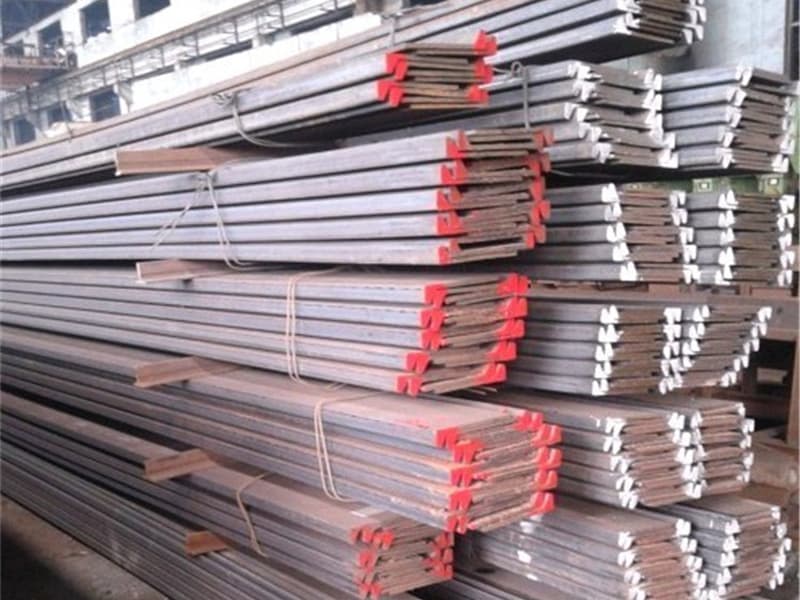
What Is a Business Review and Why Do You Need One?
A business review is a structured meeting. You sit down with your supplier. You look at the past quarter’s performance. You celebrate good results. Then you discuss problems openly. After that, you agree on small actions to fix those problems.
Without a review, small issues grow into big fights. For example, your supplier’s packaging might be getting worse. You notice it but do not say anything. After six months, you get a damaged shipment. Then you get angry. But the supplier says “you never told us.” A quarterly review would have caught the problem early.
How Do You Run a Simple 30‑Minute Business Review?
You do not need a fancy presentation. Here is a simple agenda.
| Time | Topic | What to do |
|---|---|---|
| 5 min | Review last quarter’s KPIs | Show rejection rate, on‑time delivery, response time |
| 10 min | Discuss top 2 problems | Let the supplier explain. Then suggest fixes. |
| 10 min | Create a joint improvement plan | Write 2–3 specific actions with deadlines |
| 5 min | Agree on next quarter’s targets | Set slightly better targets than last quarter |
After the meeting, write a one‑page summary. Send it to the supplier. Ask them to confirm. That written record is important. It makes both sides accountable.
I do this with our key clients, not as a supplier but as a partner. For example, Gulf Metal Solutions and I have a quick review call every month. We look at their order history. We check if any delivery was late. We talk about surface quality. They tell me what they need. I tell them what I can improve. That simple habit has kept our relationship strong for two years.
What Is a Joint Improvement Plan?
A joint improvement plan is not a penalty. It is a list of small changes that both sides agree to make. For example:
- Supplier agrees to send packing photos 3 days before loading.
- Buyer agrees to send monthly forecasts 4 weeks in advance.
- Supplieragrees to add extra plastic sheet on top of each bundle to prevent rain damage.
- Buyeragrees to accept partial shipments to ease supplier’s mill scheduling.
Each action has a deadline. At the next quarterly review, check what was done. If some actions are not done, ask why. Then adjust the plan.
I have seen a supplier’s rejection rate drop from 5% to 1% after just two quarters of joint improvement plans. The buyer did not change the supplier. They just started talking regularly and fixing small things one by one.
So schedule your next business review today. Even a 30‑minute call can save you months of future pain.
Why Is Risk Management – Including Backup Sourcing and Supply Chain Visibility – Essential for Supplier Management?
Your only bulb flat steel supplier has a fire at the mill. Or a strike at the port. You have no plan. Your project stops.
Identify a backup supplier now. Map your supply chain steps. Build visibility so you see problems before they hit you.
What Are the Biggest Risks with a Single Supplier?
Many buyers stick to one supplier for simplicity. That is comfortable. But it is also dangerous. Sole-source suppliers are often exposed to supply disruptions, financial issues, and other operational risks. Here are the top risks.
I have seen each of these happen. One client in Malaysia bought all his bulb flat steel from one Chinese trader. That trader had a cash flow problem. He delayed shipments for three months. The client could not finish his oil tanker on time. He paid $50,000 in penalty fees.
After that, he started working with us as a backup. He still buys 70% from his main supplier. But he buys 30% from us. That way, if one supplier fails, he can ramp up the other quickly.
How Do You Build a Simple Backup Sourcing Plan?
You do not need to split orders equally. Just qualify one or two backup suppliers. Keep their contact information. Get a price quote from them every six months. That way, when a crisis comes, you can place an order within days, not weeks.
Here is a simple backup sourcing checklist:
- Identify 2 potential backup suppliers in a different region (e.g., different province in China)
- Verify they have mill relationships for bulb flat steel
- Get a sample or small trial order from them once a year
- Keep their commercial offer on file (valid for 6 months)
- Share your quality specs with them in advance
I also recommend you build supply chain visibility. That means you know the status of your steel at every step. Ask your main supplier to share a simple tracking table.
| Step | Location | Estimated date | Actual date | Status |
|---|---|---|---|---|
| Mill rolling | Liaocheng mill | March 1 | March 2 | Done |
| Quality inspection | Supplier's warehouse | March 5 | March 6 | Done |
| Packing and loading | Liaocheng warehouse | March 8 | Pending | In progress |
| Truck to Qingdao port | Highway | March 10 | Not started | On track |
| Vessel departure | Qingdao port | March 15 | Not started | On track |
| Arrival at Dammam | Dammam port | April 5 | Not started | On track |
You can build this table in Excel. Ask your supplier to update it every Monday. When you see a “pending” or “delayed” status, you can call the supplier immediately. You do not need to wait for the final delay.
Why Is This Visibility More Important Than Price?
A low price means nothing if the steel arrives late. I have seen buyers save $10 per ton on price but lose $50,000 in project delay penalties. That math does not work.
Supply chain visibility gives you control. You can see a port strike coming because your supplier tells you “truck drivers are protesting.” Then you can ask to reroute to another port. Without visibility, you only find out when the cargo is already stuck.
I personally send a weekly status video to all our project clients. I walk through the warehouse. I show them their steel bundles with their order number on a whiteboard. That one video takes 5 minutes. But it gives the client complete visibility. They do not need to guess.
So build a backup plan. Get visibility. These two actions will protect your shipbuilding project from most supply disruptions.
Conclusion
Qualify suppliers. Track KPIs. Hold reviews. Manage risks. These four practices keep bulb flat steel supply reliable.