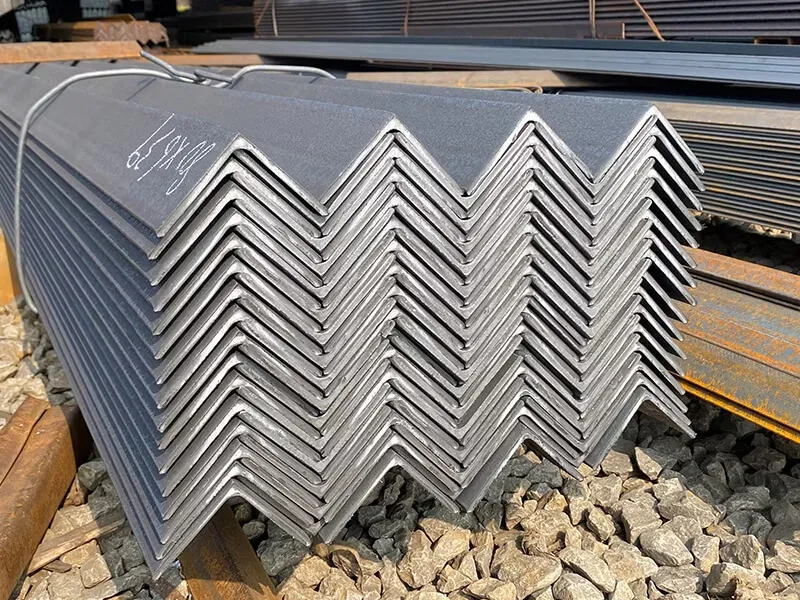
The global marine industry is shifting fast. Many buyers ask me: where is angle steel demand really going?
Marine angle steel demand will grow steadily over the next five years. Offshore wind and repair projects are the biggest drivers. Oil and gas still matter, but wind is catching up fast.
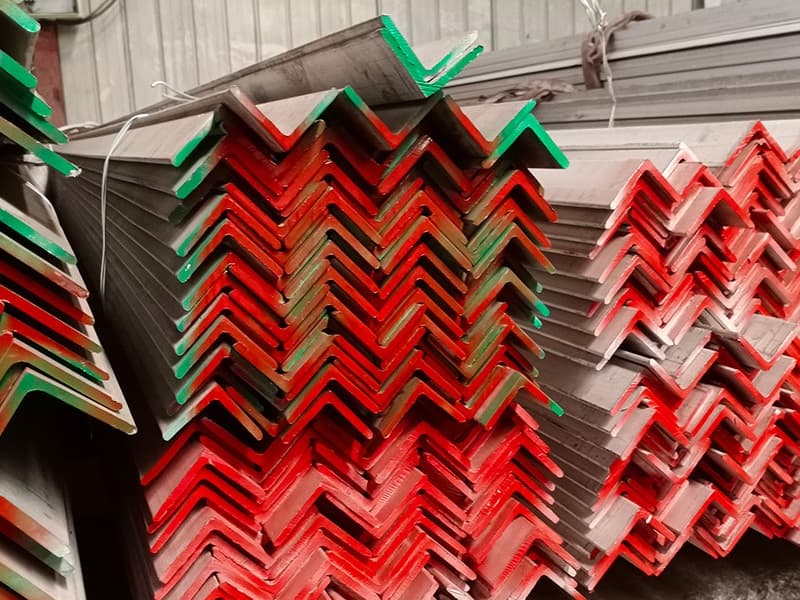
You might think new shipbuilding drives the market. But that is only half the story. Let me walk you through what I see every day from my export desk in Liaocheng, China. I have shipped thousands of tons of marine angle steel to Vietnam, Saudi Arabia, Mexico, and more. The real demand now comes from two very different places: deep offshore projects and crowded dry docks.
Which Offshore Sectors (Oil & Gas, Wind, Subsea) Are Driving Marine Angle Steel Demand in the Coming Years?
Oil prices go up and down. But offshore wind is growing without stopping. So which sector should you bet on?
Offshore wind is the fastest growing sector for marine angle steel. Oil and gas still needs large volumes for jackets and topsides. Subsea structures use less tonnage but need higher grades like DH36/EH36.
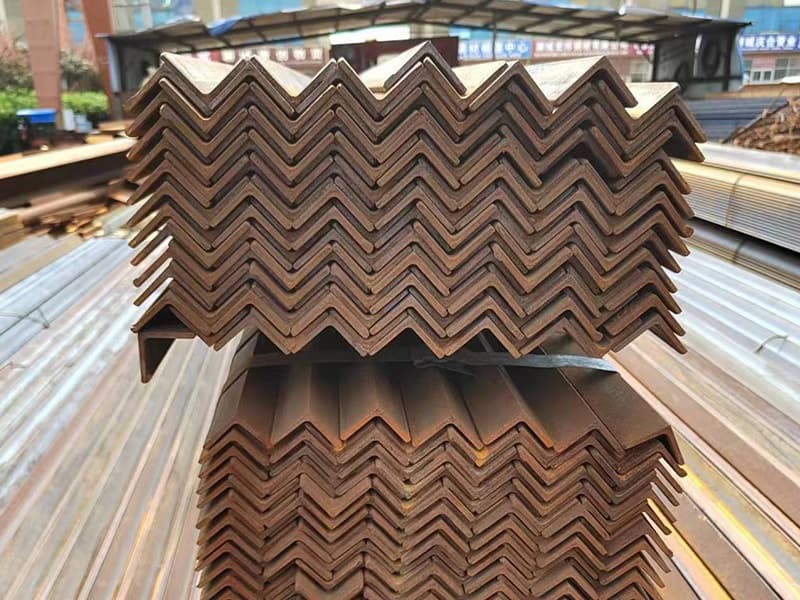
Why wind is winning right now
I talk to buyers from Europe and Southeast Asia every week. Three years ago, most of them asked for oil and gas project specs. Today, more than half ask for wind farm standards. Why? Governments are pushing renewable targets. The North Sea alone plans to add 300 GW of offshore wind by 2050. Each turbine needs a heavy foundation. That foundation uses a lot of angle steel for bracing, legs, and transition pieces.
But do not ignore oil and gas. The Middle East is still spending on gas field development. Qatar‘s North Field expansion needs huge offshore structures. Saudi Arabia‘s Marjan and Zuluf fields are also active. These projects use massive amounts of marine angle steel – often in grades like A36 to AH36. The tonnage per platform is much higher than a wind turbine. So oil and gas still moves the volume needle.
Subsea is small but special
Subsea structures like manifolds, templates, and pipeline end terminals do not use as much angle steel. But they need higher performance. I have sent many small orders for DH36 and EH36 angle steel to subsea equipment makers. These buyers care less about price and more about certification. They want EN10204 3.2 certificates and third-party inspection. The profit margin is better here. But the sales cycle is long.
A real example from my work
Last year, a buyer from Malaysia asked for 800 tons of marine angle steel. Half was for an oil and gas platform. The other half was for a wind farm project near Penang. The same material – AH36 – worked for both. That told me something. The line between sectors is blurring. Smart buyers buy for multiple projects at once.
| Sector | Growth Rate (2024-2030) | Typical Grade | Tonnage per Project |
|---|---|---|---|
| Offshore Wind | High (15-20% per year) | A36, AH36 | Medium (500-2000 tons) |
| Oil & Gas | Medium (3-5% per year) | A36, AH36, DH36 | High (2000-10000+ tons) |
| Subsea | Low (1-2% per year) | DH36, EH36 | Low (50-300 tons) |
So here is my take. If you are a wholesaler or contractor, keep stock of AH36 angle steel. It works for wind and oil and gas both. But also carry a small amount of EH36 for the subsea niche. That mix covers most of the demand coming in the next two to three years.
How Is the Growing Fleet Age and Repair Volume Shaping Angle Steel Consumption in Dry Docks?
The average ship age is now over 22 years. Old ships break more often. So how does that affect angle steel?
Older ships need more structural repairs. Dry docks are busier than ever. Each repair job uses small but frequent orders of marine angle steel. This creates steady, predictable demand that is not tied to new building cycles.
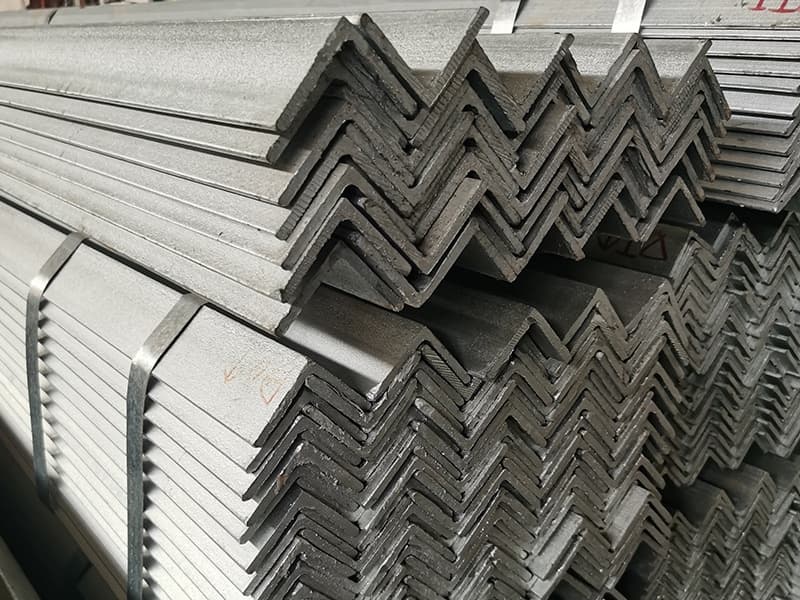
Repair is different from new building
New shipbuilding uses angle steel in long, continuous runs. A shipyard building a bulk carrier will order 500 tons of the same size and grade. Repair is the opposite. A dry dock fixing a 15-year-old tanker might need five different sizes – 50x50mm, 75x75mm, 100x100mm – all in small quantities. This is a headache for many suppliers. But for me, it is an opportunity.
I learned this lesson from a customer in Vietnam. He runs a repair yard near Haiphong. His first order with me was only 45 tons. But he ordered again every six weeks. Over two years, that added up to over 400 tons. The profit per ton was better than new building orders because he valued flexibility and fast delivery.
Which ship types need the most angle steel repairs?
Not all ships are equal. Based on my shipping records, these three types create the most repair demand:
- Bulk carriers: Corrosion in cargo holds is a big problem. Angle steel stiffeners need replacement often.
- Tankers (oil and chemical): Coating breakdown leads to pitting. Many repair projects replace the angle steel frames in ballast tanks.
- Container ships: High stress on hull structure. Fatigue cracks appear around hatch corners and need angle steel reinforcements.
The grade question in repair
Most repair buyers ask for A36 or AH36. They do not need DH36 or EH36 because the repair is usually not in the most critical zones. However, I have seen a trend toward AH36 even for repairs. Why? Ship owners want extra strength for the next 10 years. The price difference is small. So many buyers just pay a little more for AH36.
Another thing. Repair projects almost always use corrosion-resistant coatings. The angle steel must come with a good primer or even epoxy coating. I learned to ask about coating specs before quoting. A buyer in Mexico once rejected a shipment because the primer was not the right color for their yard’s standard. Now I always confirm coating requirements first.
| Ship Type | Average Annual Repair Tonnage (Angle Steel) | Typical Grade | Typical Coating |
|---|---|---|---|
| Bulk Carrier | 20-50 tons per yard | A36, AH36 | Epoxy primer |
| Oil Tanker | 30-80 tons per yard | AH36 | High-build epoxy |
| Container Ship | 15-40 tons per yard | A36 | Standard primer |
So here is my advice for buyers. Do not ignore the repair market. It is not flashy. But it pays the bills. Keep a mixed stock of common sizes – 65x65mm, 75x75mm, 100x100mm – in AH36 grade. Offer fast delivery and flexible MOQ. You will get repeat orders from dry docks even when new building slows down.
What Regional Hotspots – Middle East, Southeast Asia, North Sea – Offer the Best Growth Opportunities for Angle Steel?
Not all regions grow the same. Some are hot for wind. Others are hot for repair. Which one should you focus on?
Southeast Asia leads for repair and new building growth. The Middle East is strong for oil and gas platforms. The North Sea is the center for offshore wind. Each region needs different grades and sizes.

Southeast Asia: The repair hub
Vietnam, the Philippines, Malaysia, and Thailand are seeing more dry docks open every year. Why? Labor costs are lower than in Europe or Japan. Ship owners send their vessels here for repairs. I have seen this firsthand. My customers in Vietnam used to order twice a year. Now they order every month.
The most common request from Southeast Asia is for smaller sizes of marine angle steel – 50mm to 80mm leg length. Grades are usually A36 or AH36. Buyers here care a lot about delivery speed. A dry dock cannot keep a ship waiting. When a customer in Malaysia needed 30 tons in 10 days, I shipped air freight for part of the order. That is not normal for steel. But it kept the customer happy.
The Middle East: Big projects, big tonnage
Saudi Arabia, Qatar, and the UAE are spending billions on offshore gas. These projects use heavy angle steel – often 150mm and above. Grades like AH36 and DH36 are common. I sent a 1,200-ton order to Dammam last year for a gas field platform. The buyer was Gulf Metal Solutions. They told me later that our rapid response and SGS support made the difference.
The Middle East also cares about certification. Every shipment needs mill certificates, third-party inspection reports, and sometimes even project-specific approvals. I work with mills that can provide EN10204 3.1 and 3.2 certificates. Without those, you cannot even bid on a Saudi Aramco or Qatargas project.
The North Sea: Wind and high standards
The North Sea is different. Buyers here want high grades like EH36 and even higher. Why? The water is deep. The weather is rough. And wind turbine structures face constant wave loading. I have sent only a few orders to this region. But each order had strict requirements: full traceability, ultrasonic testing, and impact testing at -40°C.
The North Sea market is not for every supplier. You need mill partnerships with European or Korean-style quality systems. But the prices are higher. So if your mill can meet DNV or ABS class requirements, it is worth the effort.
Quick comparison for busy buyers
| Region | Top Sector | Best Grade | Best Size | Key Customer Need |
|---|---|---|---|---|
| Southeast Asia | Ship Repair | A36/AH36 | 50-80mm | Fast delivery |
| Middle East | Oil & Gas | AH36/DH36 | 150mm+ | Certification + third-party inspection |
| North Sea | Offshore Wind | EH36 | 100-120mm | High strength + low temperature testing |
My personal view? If you are new to this market, start with Southeast Asia. The entry barrier is lower. You do not need expensive certifications. Just keep common sizes in stock and reply to emails fast. Then move to the Middle East once you have the right mill certificates. The North Sea is for advanced players only.
How Do Higher Grades (DH36/EH36) and Corrosion-Resistant Coatings Influence Market Specifications and Pricing?
Many buyers ask me: is DH36 worth the extra cost? And what about coatings? Let me break it down.
DH36 and EH36 cost 15-25% more than A36. But they offer better strength and toughness. Coatings add another 10-15%. For critical offshore projects, the extra cost is necessary. For simple repairs, A36 with standard primer is enough.
Breaking down the grades
Let me start with the basics. A36 is the standard mild steel. It works for most non-critical structures. AH36 is the high-strength version. It has a minimum yield strength of 355 MPa. DH36 and EH36 are even tougher. They have the same yield strength but better impact resistance at low temperatures.
Here is a table I share with all my buyers:
| Grade | Yield Strength (MPa) | Impact Test Temp | Best Use Case |
|---|---|---|---|
| A36 | 250 | None | Repair, non-critical structures |
| AH36 | 355 | 0°C | Offshore wind, bulk carriers |
| DH36 | 355 | -20°C | Oil and gas platforms, cold regions |
| EH36 | 355 | -40°C | North Sea wind, Arctic vessels |
The price difference comes from the alloying elements and the testing. DH36 needs more manganese and sometimes niobium. It also requires impact testing for every heat. That adds cost. My mill charges about 18% more for DH36 than AH36. EH36 adds another 5-7% on top of that.
When to pay more and when to save
I once had a buyer from Romania who needed 200 tons for a Black Sea platform. The water temperature there drops to near zero in winter. He asked for A36. I told him to use DH36 instead. The extra cost was about $8,000. But the safety benefit was huge. He listened. A year later, he thanked me because the platform passed all inspections without problems.
On the other hand, I have a buyer in Mexico who repairs fishing boats. He always buys A36. That is smart. The boats are small. The water is warm. DH36 would be a waste of money.
Coatings matter more than you think
Corrosion-resistant coatings are not optional for offshore use. Salt water eats bare steel fast. Most of my buyers ask for a shop primer – usually zinc-rich epoxy. But some want full coating systems. That can add 10-15% to the price.
I learned an expensive lesson about coatings early in my business. A buyer in the Philippines rejected a 60-ton order because the coating thickness was uneven. He measured it with a gauge. Some areas had only 20 microns instead of the specified 40 microns. I had to take the steel back and recoat it. Now I always ask for a coating report from the mill before shipping.
Price trends for 2024-2025
Raw material costs are going up. I see higher prices for DH36 and EH36 because of the alloy elements. Manganese prices have risen 12% this year. That pushes DH36 prices up more than A36. My advice? If you have a project coming in six months, buy the higher grades now. Do not wait. The trend is up.
Also, coating material costs are rising. Epoxy resins are tied to oil prices. With oil above $80 per barrel, coating surcharges are common.
| Grade + Coating | Price Index (A36 base = 100) | Lead Time (weeks) |
|---|---|---|
| A36 + shop primer | 100 | 2-3 |
| AH36 + shop primer | 115 | 3-4 |
| DH36 + shop primer | 135 | 4-5 |
| EH36 + full coating | 160 | 6-8 |
So here is my final take. For repair and non-critical work, stick with A36 or AH36 and standard primer. For offshore wind and oil platforms, use DH36 at minimum. For Arctic or deep North Sea, EH36 is the only choice. Always confirm coating specs in writing before production. That simple step will save you from costly rejections.
Conclusion
Marine angle steel demand is shifting toward wind and repair. Stock AH36 for flexibility. Focus on Southeast Asia and the Middle East for growth.