
You receive a shipment of marine steel plates. You inspect them. Some are too thin. Others have deep pits. Your project schedule is at risk.
To handle non‑conforming marine steel plates, first document every defect with photos and measurements. Then stop using those plates. Notify your supplier immediately. Negotiate for replacement, credit, or repair. For minor issues, consider rework or a class society waiver to avoid project delays.
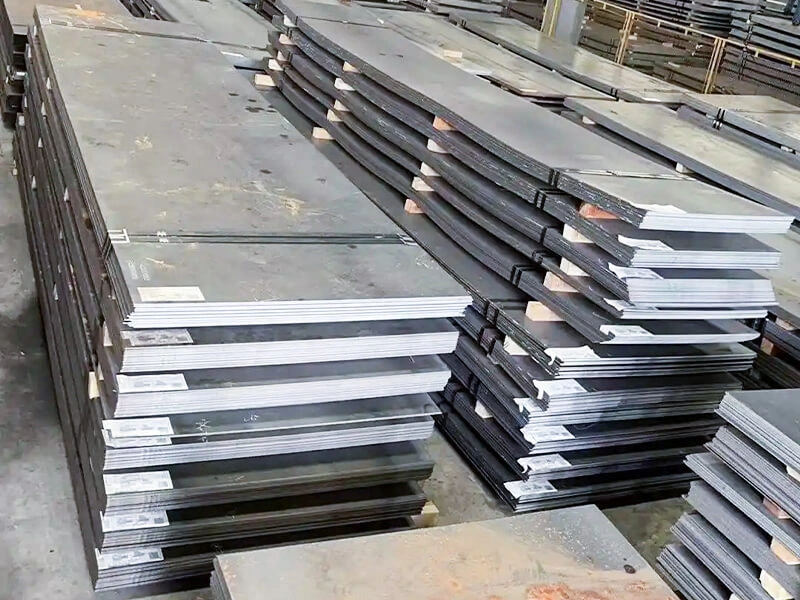
I am Zora Guo from cnmarinesteel.com. I have seen many customers panic when they find bad plates. But there is a clear process to follow. Let me walk you through it step by step. These steps come from real projects I helped rescue.
How to Identify and Document Non-Conformities (Thickness, Surface, Mechanical Properties) During Incoming Inspection?
You cannot fix a problem you do not measure. Many yards just look at plates and say “this looks bad.” That is not enough. You need proof.
During incoming inspection, identify non‑conformities by measuring thickness with an ultrasonic gauge at multiple points, checking surface for laminations, pits, or cracks visually, and verifying mechanical properties against the mill certificate. Document everything with photos, videos, and written records. Tag each non‑conforming plate with a red sticker or paint mark.
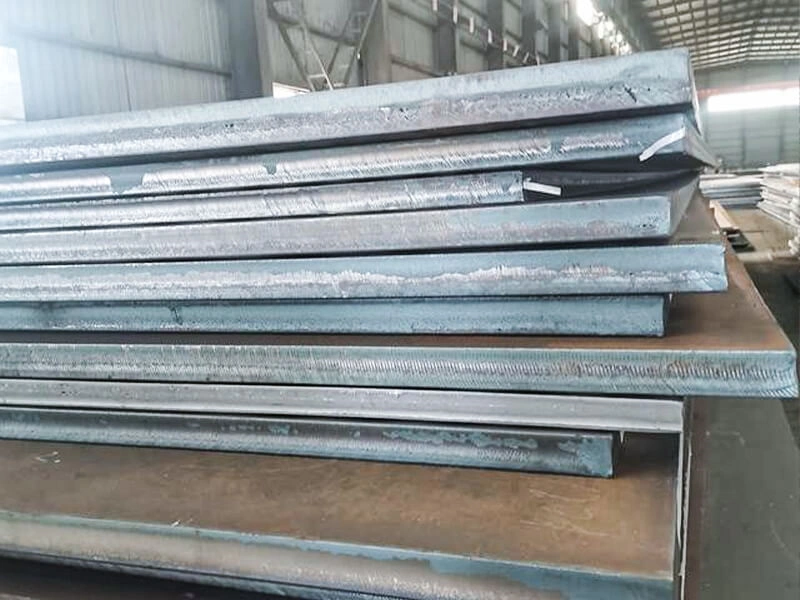
Let me break down the three main types of non‑conformities and how to check them.
Type 1: Dimensional Non‑Conformities (Thickness and Shape)
Thickness is the most common rejection reason. The plate may be thinner than the purchase order requires, even if it is within mill tolerance. But class rules have strict limits.
How to check:
- Use a calibrated ultrasonic thickness gauge.
- Take measurements at four corners and the center.
- Also check along the edges (where plates are often thinner).
- Compare with the required thickness.
| Typical rejection criteria: | Nominal thickness (mm) | Permissible under‑tolerance (ABS/DNV) | Action if below |
|---|---|---|---|
| 6‑12 mm | -0.3 mm | Reject if more than 0.3mm under | |
| 12‑20 mm | -0.4 mm | Reject | |
| 20‑30 mm | -0.5 mm | Reject | |
| Over 30 mm | -0.6 mm | Reject |
Also check flatness (bowed or twisted plates). A plate that is warped more than 5mm per meter may be rejected.
Type 2: Surface Defects
What to look for:
- Laminations (layers that separate) – visible as lines or cracks on the surface or edge.
- Deep pits or cavities – more than 1mm deep.
- Heavy rust or pitting that exceeds the corrosion allowance.
- Edge cracks from shearing or rolling.
- Rolled‑in scale (hard, dark patches).
How to document:
- Take close‑up photos with a ruler next to the defect.
- Mark the defect location with chalk or a permanent marker.
- Video the scanning of the plate surface.
Type 3: Mechanical Properties Not Meeting Certificate
Sometimes the plate looks fine, but the lab test fails. You cut a sample and test for yield, tensile, or impact.
What to check:
- Yield strength (should be within 5‑10% of certificate value).
- Tensile strength.
- Elongation percentage.
- Charpy impact energy at specified temperature.
Documentation needed:
- Sample test report from an accredited lab (SGS, BV, or your own lab).
- The heat number linking the test sample to the plate.
- A comparison table between certificate values and test results.
A Real Example
A customer in Vietnam received 50 plates of AH36. Their ultrasonic check showed thickness of 11.6mm on a 12mm nominal plate. That is 0.4mm under, which is above tolerance. They took photos, recorded the measurements, and tagged each plate with red tape. They also cut two samples for mechanical tests. Both passed. So only thickness was the issue. That made negotiation easier – they asked for a price reduction rather than replacement.
What Steps Should You Take Immediately After Discovering Non-Conforming Steel Plates?
You find bad plates. Your first reaction is anger. But do not act emotionally. Follow a clear protocol.
Immediately after discovering non‑conforming plates, stop all handling of those plates. Isolate them in a marked quarantine area. Notify your quality manager and the supplier in writing (email + phone). Do not cut, weld, or move the plates to production. Then start a formal non‑conformance report (NCR).
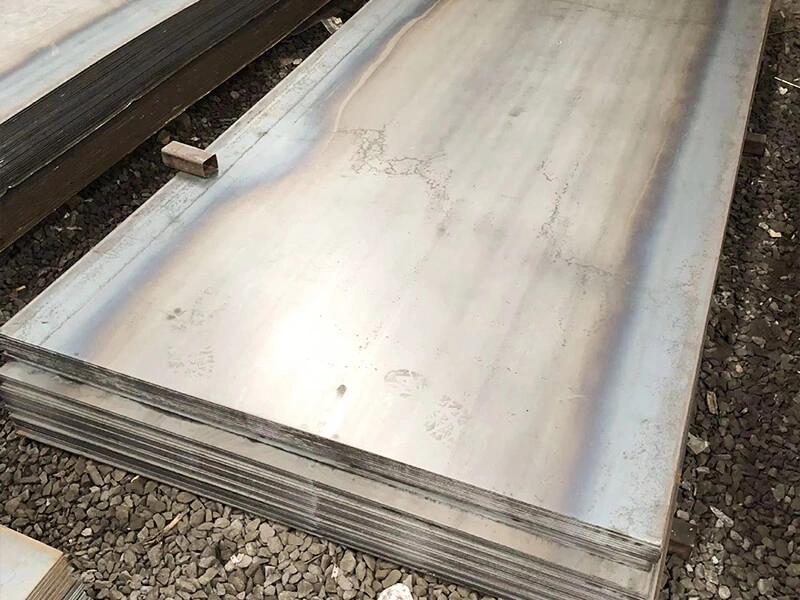
Here is the exact sequence I recommend.
Step 1: Stop and Isolate
As soon as you find a plate that does not meet specifications:
- Do not unload it if still on the truck. Take photos there.
- If already in your yard, move it to a separate, marked area.
- Use red tape or paint to mark the quarantine zone.
- Put a sign: “NON‑CONFORMING – DO NOT USE.”
Why this matters: If the plate gets mixed with good plates, someone may accidentally cut it. Then the defect becomes your cost, not the supplier’s.
Step 2: Document Everything
Create a non‑conformance report (NCR) immediately. Include:
- Purchase order number.
- Date of discovery.
- Plate identification (heat number, plate number, dimensions).
- Description of defect (with photos and measurements).
- Name of inspector.
Step 3: Notify the Supplier
Send the NCR to your supplier within 24 hours. Use email for a written record. Also call them to speed up response.
What to say:
- “We found non‑conforming plates in shipment [number].”
- “Here are the details and photos.”
- “We are stopping use of these plates.”
- “Please advise within 2 days: replacement, credit, or repair?”
Step 4: Decide on Immediate Replacement Need
If the rejected plates are critical for your next production step, you need replacement steel fast. Ask the supplier if they can air freight or expedite from their stock. If not, you may need to buy from another supplier and claim the cost from the original supplier.
A Real Example
A shipyard in Malaysia received 30 plates of DH36 for the bottom shell. Their inspector found laminations on 8 plates. They immediately isolated the 8 plates. They called me (the supplier) within 2 hours. I checked my stock and found 12 replacement plates. I shipped them by express truck (3 days). The yard used the good plates first and waited for the replacements. Their schedule lost only 4 days instead of weeks. That is because they acted fast.
How to Negotiate with Your Supplier for Replacement, Credit, or On-Site Repair of Rejected Plates?
You have the evidence. Now you need the supplier to make it right. But not all suppliers are cooperative. You need a negotiation strategy.
When negotiating with a supplier over non‑conforming plates, start with the purchase order and class rules as your legal ground. Ask for replacement plates with expedited shipping at no cost. If replacement is not possible, negotiate a credit (partial refund) or arrange on‑site repair at the supplier’s expense. For minor defects, a 10‑30% price reduction is often fair. Always get the agreement in writing before using or repairing any plates.
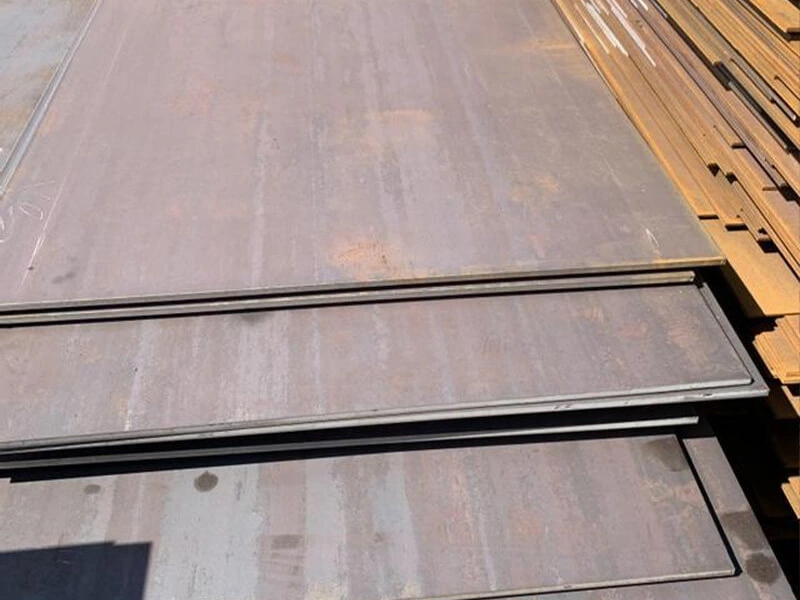
Let me share what works based on my experience as a supplier and what I see from buyers.
Option 1: Full Replacement (Best for Critical Defects)
When to ask:
- Thickness under tolerance.
- Mechanical properties fail.
- Laminations or cracks that affect strength.
- More than 20% of the shipment is bad.
What to ask for:
- Replacement plates of the same grade and size.
- Expedited shipping (air or express truck) at supplier’s cost.
- Inspection of the replacement plates before shipment (third party).
Typical outcome: Reputable suppliers will agree. It may take 2‑6 weeks. Ask for a firm delivery date.
Option 2: Credit or Price Reduction (Best for Minor Issues)
When to ask:
- Surface defects that can be ground and welded (cosmetic only).
- Thickness slightly under tolerance but still above class minimum.
- Small percentage of plates affected (under 10%).
| How much to ask: | Defect severity | Typical credit (% of plate value) |
|---|---|---|
| Minor surface pits (grindable) | 10‑15% | |
| Thickness 0.2‑0.3mm under | 15‑20% | |
| Mixed grades (some plates lower grade) | 25‑40% | |
| Rust beyond typical mill scale | 5‑10% |
Tip: Offer to accept the plates “as is” with a credit. This avoids return shipping costs for the supplier. Many will agree faster.
Option 3: On‑Site Repair (Best for Local Surface Defects)
When to ask:
- Small laminations that can be gouged and welded.
- Edge cracks that can be cut off.
- Localized pitting that can be filled with weld.
What to ask for:
- Supplier pays for a qualified welder to come to your yard.
- Supplier pays for materials (welding rods, grinding discs).
- Supplier covers any third‑party inspection after repair.
Note: Repair must be approved by the class society. Get a written waiver.
What If the Supplier Refuses?
If the supplier denies responsibility or delays:
- Escalate to senior management at the supplier’s company.
- Threaten to go to a third‑party arbitrator if the contract allows.
- Leave a factual review on Alibaba or other platforms (only as last resort).
- Switch suppliers for future orders. I have gained many customers because previous suppliers did not honor claims.
A Real Example from My Own Company
We once shipped 200 tons of AH36 plates to a customer in Saudi Arabia. The customer found 15 plates with minor edge cracks from shearing. The cracks were 5‑10mm deep. The plates were otherwise fine.
The customer asked for a 20% credit on those 15 plates. We offered 15%. We settled at 18%. The customer ground out the cracks and welded them. The plates passed class inspection. Both sides were satisfied. The key was that the customer sent clear photos and a reasonable request. They did not demand full replacement for a minor issue.
What Rework, Derating, or Waiver Options Can Salvage Slightly Non-Conforming Plates Without Project Delay?
Sometimes replacement takes too long. Your project cannot wait. But you do not want to throw away plates that might still be usable.
For slightly non‑conforming plates, you have three salvage options: rework (grinding and welding surface defects), derating (using the plate in a lower‑stress area than originally intended), or seeking a class society waiver (written permission to use the plate as is). All three can keep your project moving while avoiding full rejection.
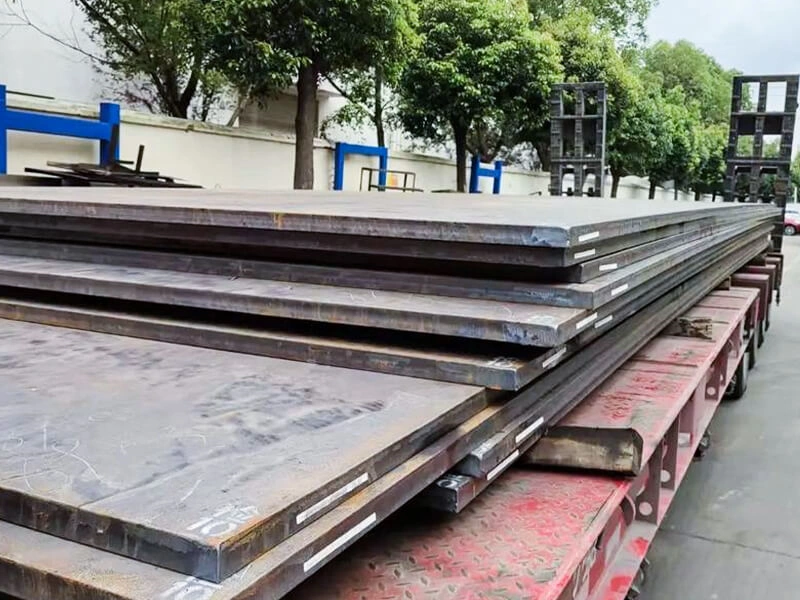
Let me explain each option with real examples.
Option 1: Rework – Grinding and Welding
Applicable for: Surface pits, small laminations, edge cracks, and shallow gouges.
Process:
- Mark the defect area.
- Grind out the defect to clean metal (use a grinder or carbon arc gouging).
- Visually inspect the cavity – no remaining crack or lamination.
- Fill the cavity with a low‑hydrogen welding rod (approved by class).
- Grind the weld smooth.
- Inspect again (dye penetrant or magnetic particle test if required).
What to watch: Do not grind too deep. If the defect is more than 20% of plate thickness, rework may not be allowed. Check class rules.
Option 2: Derating – Use in a Lower‑Stress Area
If a plate fails mechanical tests for its intended grade (e.g., AH36 fails yield but still meets A grade), you may be able to use it in a less critical location.
Example:
- Plate ordered as AH36 for bottom shell.
- Test shows yield of 330 MPa (AH36 requires 355 MPa).
- But 330 MPa is above A grade (235 MPa).
- Ask class surveyor to approve the plate as Grade A instead of AH36.
- Then use that plate in the superstructure or a non‑critical bulkhead.
Documentation needed:
- Test results.
- A letter from the class society re‑certifying the plate to the lower grade.
- Updated drawings showing the new location.
Option 3: Class Society Waiver (Concession)
For minor dimensional or surface issues that do not affect safety, you can request a waiver (also called a concession) from the classification society.
When waivers are possible:
- Thickness under‑tolerance by 0.1‑0.2mm beyond class limit but still within 5% of design requirement.
- Small laminations outside the weld zone.
- Minor surface pitting that does not reduce thickness below corrosion allowance.
How to get a waiver:
- Prepare a technical justification (why the defect is not critical).
- Submit photos, measurements, and calculations to the class surveyor.
- Pay a fee (usually $200‑500 per waiver).
- Receive a signed waiver letter.
Warning: Waivers are not guaranteed. Some surveyors are strict. But for minor issues, they often approve to avoid project delays.
Real Example – Derating Saved a Project
A yard in the Philippines ordered 500 tons of DH36 for a tugboat hull. Fifteen plates failed the Charpy impact test at -20°C (they passed at 0°C but not at -20°C). The tugboat was for tropical waters only. The class surveyor agreed to re‑certify those plates as AH36 (which requires impact at 0°C). The yard used those plates on the deck and superstructure instead of the bottom shell. No replacement was needed. The project was delayed by only 3 days instead of 8 weeks.
Decision Matrix for Salvage Options
| Defect type | Best salvage option | Time needed | Cost |
|---|---|---|---|
| Surface pits or laminations (<10% thickness) | Rework (grind and weld) | 1‑2 days | Low (labor) |
| Mechanical properties below grade but above next grade | Derating to lower grade | 3‑5 days (approval) | Low (admin fee) |
| Thickness slightly under tolerance | Class waiver | 2‑7 days | $200‑500 |
| Edge cracks (<5mm deep) | Grind out and blend (no weld) | A few hours | Very low |
| Heavy rust beyond typical scale | Shot blast + coating at supplier’s cost | 2‑3 days (blast) | Medium |
When to Reject Completely
Do not try to salvage plates with:
- Through‑thickness laminations (layers separating).
- Cracks longer than 50mm or deeper than 10% of thickness.
- Yield strength more than 10% below minimum.
- Brittle fracture (Charpy value less than 20J).
These plates are unsafe. Return them.
Conclusion
Document defects fully, isolate bad plates, negotiate fairly, and use salvage options for minor issues. This keeps your project on track without unnecessary delays.