
Are you paying too much for marine steel plates — or worse, buying the wrong ones?
The seven most common mistakes buyers make when ordering marine steel plates include unclear specifications, price-only sourcing, ignoring quality certifications, and overlooking surface quality. Each mistake can cost you thousands of dollars in rework, delays, or rejected materials.
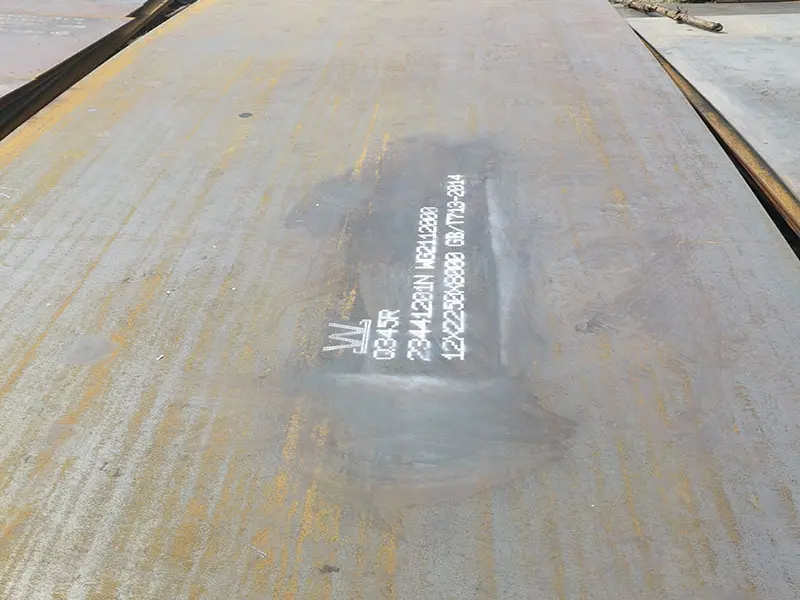
I have been in the marine steel business for years. I work with shipbuilders, fabricators, and project contractors across Asia, the Middle East, and beyond. And I can tell you this: I see the same mistakes over and over again. Buyers keep making the same errors. And each error costs them time, money, and reputation.
Let me walk you through the seven most common mistakes — and how to avoid them.
Why Do Unclear Specifications and Wrong Steel Grades Cause Costly Rework?
Have you ever received steel plates that did not match what you actually needed for your project?
Unclear specifications and incorrect steel grades are among the most frequent and costly errors in marine steel procurement. Specifying the wrong thickness, width, or grade — such as using Q235 instead of Q355 — can compromise structural integrity and lead to rejected materials or complete project delays.
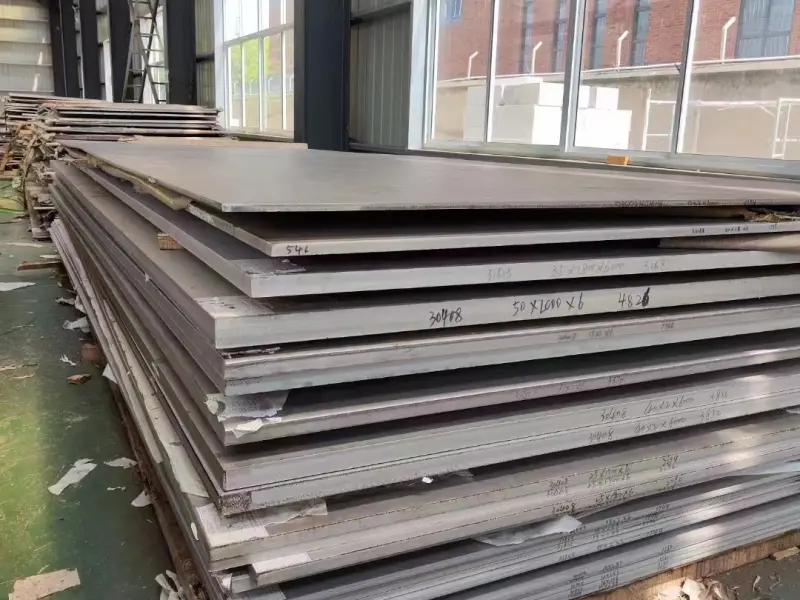
What goes wrong with specifications?
Let me be straight with you. The number one mistake I see is buyers not being specific enough about what they need. This happens all the time.
Vague dimensional requirements. Buyers often say things like "we need steel plates for shipbuilding" without specifying exact thickness, width, or length. This leaves room for interpretation. The supplier might send plates that are close but not exact. And close is not good enough in shipbuilding.
Wrong grade selection. Marine steel plates come in many grades. There is Q235, Q355, ASTM A36, AH32, AH36, and many more. Each grade has different mechanical properties. Q235 is a general-purpose structural steel. Q355 offers higher strength. AH32 and AH36 are high-strength shipbuilding grades.
I have seen buyers specify Q235 when they actually needed Q355. The plates arrived. They looked fine. But the strength was not sufficient for the design requirements. The result? The plates had to be replaced. The project was delayed. And the buyer had to pay for two sets of plates.
Missing tolerances. Steel plates are not manufactured to exact dimensions. There are standard tolerances for thickness, flatness, and camber. Many buyers forget to specify which tolerance standard they require. The supplier uses the standard that benefits them. The plates arrive and do not fit the design.
How can you avoid this mistake?
Here is what I tell my clients. Be specific. Write down everything.
| Specification Element | What to Specify |
|---|---|
| Thickness | Exact measurement in mm (e.g., 10mm, 15mm, 20mm) |
| Width | Exact measurement in mm |
| Length | Exact measurement in mm or meters |
| Steel Grade | Full grade designation (e.g., Q355B, ASTM A36, AH36) |
| Tolerance Standard | Which standard applies (e.g., ASTM A6, EN 10029) |
| Classification Society | Which society will certify (e.g., ABS, DNV, LR, CCS) |
Always get it in writing. Do not rely on verbal agreements. Put your specifications in your purchase order. Ask the supplier to confirm in writing that they can meet every specification. If there is any ambiguity, clarify it before the order is placed.
I learned this lesson from a client in Vietnam. They ordered steel plates for a bulk carrier project. They specified the thickness but not the tolerance standard. The plates arrived with thickness variations at the high end of the tolerance range. They were technically within tolerance. But the variation caused alignment issues in the assembly. The project was delayed by two weeks.
What is the lesson?
Never assume. Always specify. A few extra minutes spent on the specification can save you weeks of rework.
How Does Focusing Only on Price Lead to Hidden Long-Term Losses?
Are you choosing the cheapest steel supplier — and paying for it later in unexpected costs?
Focusing solely on price when ordering marine steel plates is a common but costly mistake. The lowest-priced steel often comes with hidden costs — inconsistent quality, late deliveries, poor communication, and inadequate after-sales support — that far exceed any upfront savings.
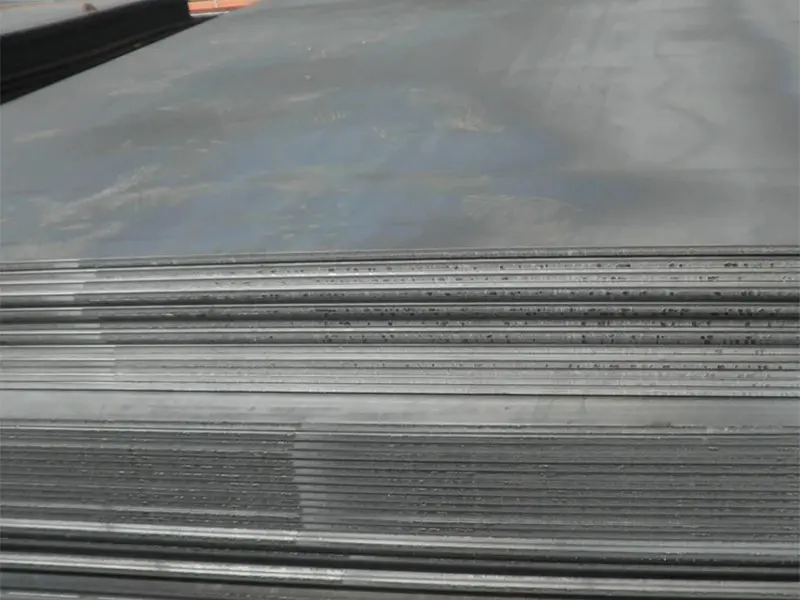
What is the real cost of cheap steel?
Let me tell you a story. A client in Saudi Arabia came to us after a bad experience with a low-cost supplier. They had ordered marine steel plates at a price that seemed too good to be true. And it was.
The plates arrived late. The surface finish was inconsistent. Some plates had rust spots. Others had dimensional deviations. The supplier was difficult to reach when problems arose. The English-speaking support was almost non-existent.
The client ended up spending more on rework and delays than they saved on the purchase price. They switched to a supplier with a slightly higher price but stable quality and reliable communication. The total cost of procurement went down.
Price is not the same as cost. The purchase price is only one part of the total cost of steel. Here is what else you need to consider:
Inspection and testing. If the steel quality is inconsistent, you will need to inspect more plates. You might need third-party testing. This costs money and time.
Rework and rejection. Plates that do not meet specifications must be reworked or rejected. This costs materials, labor, and schedule delays.
Project delays. A two-week delay can cost thousands of dollars in lost productivity, idle labor, and late delivery penalties.
Reputation risk. If your project is delayed or your vessel fails inspection, your reputation suffers. That can cost you future business.
How can you evaluate total cost?
I recommend looking beyond the unit price. Ask yourself these questions:
| Cost Factor | Questions to Ask |
|---|---|
| Quality stability | Does the supplier have a consistent quality record? Can you visit their mill? |
| Delivery reliability | Do they ship on time? What is their track record? |
| Communication | Do they respond quickly? Do they speak your language? |
| After-sales support | What happens if there is a problem? Can you reach someone? |
| Certification | Do they offer SGS or third-party inspection support? |
Remember this. The cheapest steel is not always the most expensive. But very often, it is. I have seen buyers make this mistake again and again. Do not be one of them.
What is the lesson?
Look at the total cost, not just the unit price. Pay a fair price for reliable quality. It will save you money in the long run.
What Are the Risks of Ignoring Quality Certifications and Traceability?
Can you prove that every plate in your project meets the required standards — and can you trace it back to the original mill?
Ignoring quality certifications and traceability is a dangerous mistake in marine steel procurement. Without a valid Mill Test Certificate (MTC) that matches the actual steel plates, your materials can be rejected by classification societies, customs authorities, or your own quality control team.
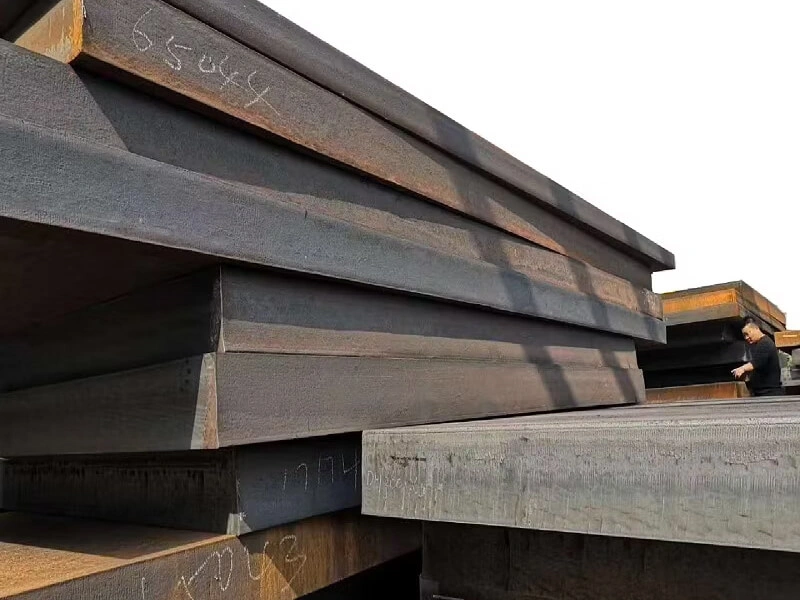
What is the problem with certifications?
Here is the reality. Marine steel plates are not ordinary steel. They are subject to strict quality requirements. Classification societies like ABS, DNV, LR, and CCS set standards for every plate used in shipbuilding. And they require proof.
The Mill Test Certificate (MTC). Every plate must come with an MTC. This document shows the chemical composition and mechanical properties of the steel. It proves that the plate meets the specified grade requirements.
The traceability gap. But here is where the problem starts. The MTC must match the actual plates. The heat number on the certificate must match the heat number stamped on each plate. If they do not match, the plates are not traceable.
I have seen buyers accept MTCs that were generic or did not match the plates. They did not check. They assumed everything was fine. But when the classification society inspector arrived, they checked. And they rejected the plates.
Counterfeit certificates. This is more common than you might think. Unscrupulous suppliers sometimes provide fake or altered certificates. They might change the grade designation. They might alter the test results. Without verification, you cannot tell the difference.
What happens when traceability fails?
The consequences are severe.
Rejected materials. The classification society will reject any plates that cannot be traced to a valid MTC. You will have to remove and replace them.
Customs issues. Customs authorities in many countries require valid MTCs for steel imports. Without them, your shipment can be held at the port. This adds demurrage charges and delays.
Quality disputes. If a plate fails in service, you need to trace it back to the mill for a warranty claim. Without traceability, you have no recourse.
Legal and safety risks. The most serious risk is safety. If a plate does not meet the required grade, the vessel could be compromised. And you could be held liable.
How can you protect yourself?
Here is what I recommend to every buyer.
| Action | Why It Matters |
|---|---|
| Verify MTCs before shipment | Check that the heat numbers match the plates. Check that the grades are correct. |
| Request third-party inspection | SGS or a similar agency can inspect the plates at the mill and verify the certificates. |
| Keep all documentation | Maintain copies of MTCs, inspection reports, and shipping documents. |
| Use trusted suppliers | Work with suppliers who have a track record of proper documentation. |
One more thing. Do not accept MTCs that are "to follow." This is a common phrase from suppliers who are rushing. It means they will send the certificate later. This is a red flag. The certificate should accompany the shipment. Always.
What is the lesson?
Certifications are not paperwork. They are proof. Without them, your steel is not fit for purpose. Check everything before you ship.
Why Are Surface Quality and Logistics Planning Often Overlooked Until It’s Too Late?
Do you check the surface of your steel plates before they are shipped — or only after they arrive damaged?
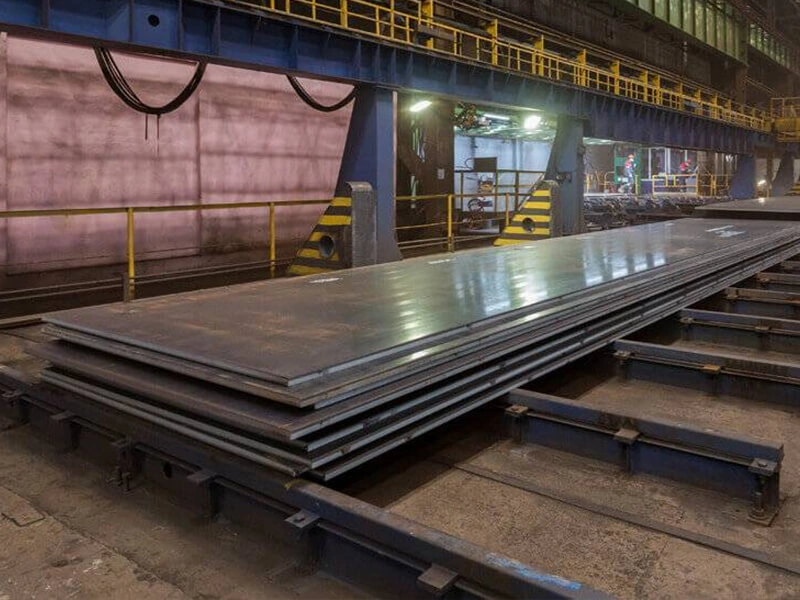
Surface quality and logistics planning are two of the most overlooked areas in marine steel procurement. Poor surface preparation and inadequate packaging can lead to rust, scratches, or bending during transit. These issues often go unnoticed until the plates arrive at the shipyard, causing delays and additional costs.
What is the surface quality problem?
Let me walk you through this. Marine steel plates are large, heavy, and exposed to harsh conditions during shipping. If they are not properly protected, they can arrive in poor condition.
Rust and corrosion. Steel plates will rust if they are not properly coated or protected. Surface rust can be cleaned, but heavy pitting corrosion is more serious. It can reduce the plate thickness below the required minimum. This means the plate must be rejected or repaired.
Scratches and gouges. Plates can be scratched or gouged during handling or shipping. Deep scratches can create stress concentration points. They must be ground out and inspected. This takes time and labor.
Bending and warping. Steel plates can bend or warp if they are not properly supported during shipping. Dimensional deviations can cause alignment problems in the assembly. And rework is expensive.
I remember a client in Malaysia. They ordered a large quantity of steel plates for a series of container vessels. The plates arrived. The surface was fine. But when they inspected them more closely, they found that many plates had developed slight camber during shipping. The bend was within tolerance but not acceptable for their assembly process. They had to straighten every plate. It cost them extra labor and time.
What is the logistics planning problem?
Logistics is about more than just moving steel from point A to point B. It is about getting it there in good condition. And on time.
Inadequate packaging. Some suppliers do not pack plates properly. They use insufficient banding, no edge protection, and no protective coating. This leaves the plates vulnerable to damage during handling and transport.
Poor handling. Port handling can be rough. Plates that are not properly stacked and supported can shift during transit. This can cause bending, scratching, or even falling hazards.
Customs clearance. Every country has different customs requirements for steel imports. If you do not plan for these requirements, your shipment can be held at the port. This causes demurrage charges and delivery delays.
Transit insurance. Many buyers do not think about transit insurance until something goes wrong. If your plates are damaged during shipping and you are not insured, you bear the full loss.
How can you avoid these problems?
Here is what I tell my clients.
| Action | Why It Matters |
|---|---|
| Specify packaging requirements | Tell the supplier how you want the plates packed. Ask for edge protection, proper banding, and anti-rust coating. |
| Use experienced logistics partners | Work with freight forwarders who understand steel handling and customs requirements. |
| Ask for shipping photos | Request photos of the plates being loaded and secured. This gives you a record of their condition before transit. |
| Plan for customs | Understand the import requirements in your country. Have the necessary paperwork ready. |
Inspection before shipment. This is one of the most effective ways to avoid surface quality problems. Third-party inspection at the mill can catch issues before the plates are packed and shipped. SGS or a similar inspection agency can check surface condition, dimensions, and packaging. They can provide a report. And if there are issues, they can be corrected before the plates leave the mill.
What is the lesson?
Surface quality and logistics are not afterthoughts. They are part of the procurement process. Plan for them from the start. Your shipyard will thank you.
Conclusion
Avoiding these seven common mistakes — unclear specs, price-only decisions, ignored certifications, and surface or logistics oversights — saves time, money, and protects your project.