
Are you still sourcing the same bulb flat steel grades you used five years ago?
The global bulb flat market is projected to grow from USD 3.2 billion in 2024 to USD 4.8 billion by 2033, at a CAGR of 4.6%[reference:0]. Green shipbuilding regulations — including the IMO Net-Zero Framework set to take effect in 2027 — are fundamentally reshaping how shipbuilders design vessels and procure structural steel[reference:1].
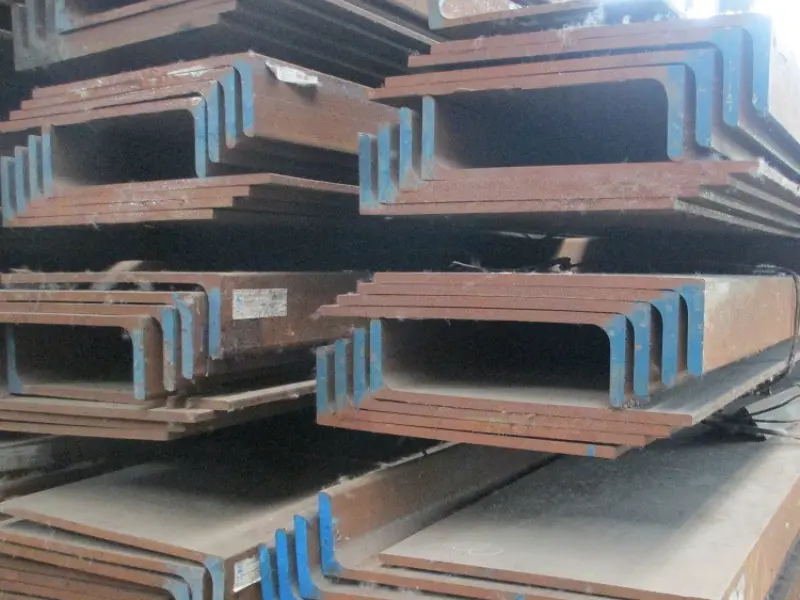
I have been in the marine steel business for years. I work with shipbuilders, fabricators, and project contractors across Asia, the Middle East, and beyond. And I can tell you this: the demand for bulb flat steel is not just growing — it is transforming. Green shipbuilding is changing the game. If you are a procurement manager, a shipyard owner, or a steel wholesaler, you need to understand what is coming.
Let me walk you through the four key trends driving this shift.
What Is the Market Growth Forecast for Bulb Flat Steel Through 2033?
Do you know how fast the bulb flat steel market is growing — and what is fueling that growth?
The global bulb flat market was valued at approximately USD 3.2 billion in 2024 and is projected to reach around USD 4.8 billion by 2033, growing at a compound annual growth rate of 4.6%[reference:2]. Shipbuilding remains the largest application segment, accounting for 42.3% of market share[reference:3].
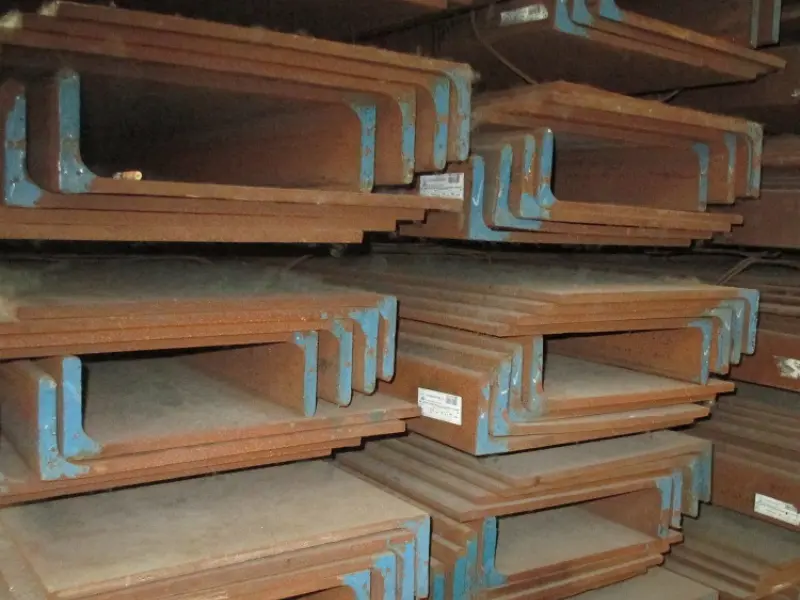
What is driving this market growth?
Three main forces are pushing the bulb flat steel market higher. Let me break them down for you.
Rising shipbuilding activity. The shipbuilding industry is experiencing steady growth. Container shipping lines are placing record vessel orders through 2027 to replace aging fleets and meet IMO decarbonization mandates[reference:4]. LNG carriers are reaching peak construction cycles, particularly in South Korean and Japanese shipyards[reference:5]. More ships mean more steel. And bulb flat steel is an essential component in hull construction, deck stiffening, and structural framing.
Offshore energy expansion. The expansion of offshore wind farms in the North Sea and Southeast Asia is driving demand for bulb flats in jacket structures and support vessels[reference:6]. Offshore oil and gas projects are also contributing to market growth[reference:7]. These projects require specialized steel profiles that can withstand harsh marine environments while maintaining structural integrity.
Infrastructure renewal. Infrastructure renewal projects across the Asia Pacific region — particularly bridge construction and harbor modernization in Vietnam, Indonesia, and India — are consuming significant volumes of bulb flat steel[reference:8]. This trend is not slowing down.
How does green shipbuilding fit into this picture?
Here is where it gets interesting. The push for sustainability is not just a regulatory burden. It is a market driver. Bulb flats are known for their strength-to-weight ratio. They offer significant advantages in terms of strength, weight savings, and corrosion resistance[reference:9]. These attributes make them indispensable in marine structures, where reducing weight without compromising strength is crucial[reference:10].
The global trend toward sustainability and energy efficiency is pushing shipbuilders to adopt materials that can reduce fuel consumption[reference:11][reference:12]. Bulb flats contribute to lighter and more fuel-efficient ships. This is exactly what green shipbuilding demands.
I have seen this firsthand. Shipbuilders who previously specified standard-grade bulb flats are now asking about high-strength options. They want to reduce weight. They want to improve fuel efficiency. And they are willing to pay for it.
What does this mean for you?
If you are a shipbuilder or a steel buyer, the message is clear: demand for bulb flat steel is rising. Competition for quality material will increase. Prices will reflect that. The buyers who act early — who build relationships with reliable suppliers — will have the upper hand.
How Are IMO Net-Zero Regulations Accelerating Bulb Flat Steel Demand?
Have you considered how the IMO’s new emissions regulations will affect your steel procurement strategy?
The IMO Net-Zero Framework, approved at MEPC 83 in April 2025, combines mandatory emissions limits and GHG pricing across the shipping industry[reference:13]. These measures will apply to ships over 5,000 gross tonnage, which emit 85% of international shipping CO₂, and are set to enter into force in 2027[reference:14][reference:15].
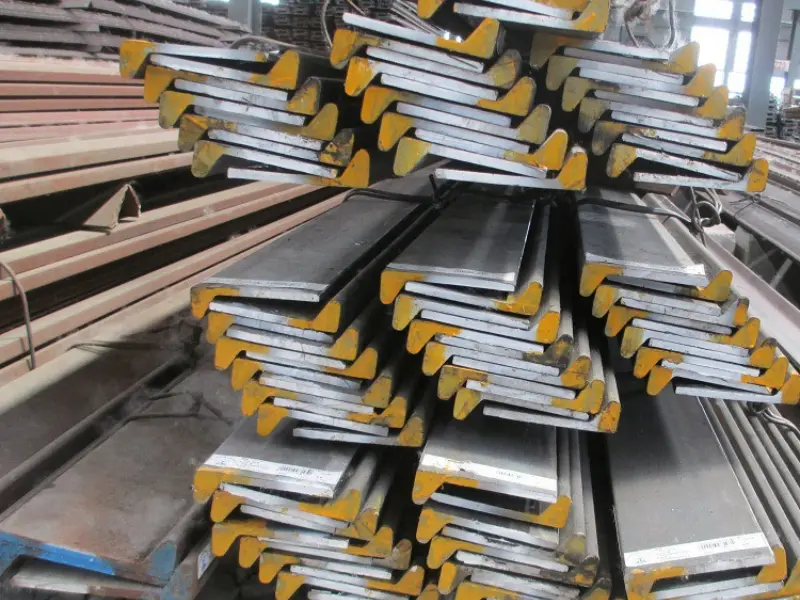
What exactly is the IMO Net-Zero Framework?
Let me give you the straight answer. The IMO Net-Zero Framework is the first regulatory framework in the world to combine mandatory emissions limits and GHG pricing across an entire industry sector[reference:16]. It was approved by the Marine Environment Protection Committee during its 83rd session in April 2025[reference:17]. The framework will be included in a new Chapter 5 of MARPOL Annex VI[reference:18].
The framework has two key elements[reference:19]:
Global fuel standard. Ships must reduce, over time, their annual greenhouse gas fuel intensity (GFI) — that is, how much GHG is emitted for each unit of energy used[reference:20]. This is calculated using a well-to-wake approach, which means the entire fuel lifecycle is considered.
Global economic measure. Ships emitting above GFI thresholds will have to acquire remedial units to balance their deficit emissions[reference:21]. Ships using zero or near-zero GHG technologies will be eligible for financial rewards[reference:22].
There will be two levels of compliance: a Base Target and a Direct Compliance Target[reference:23]. Ships that fail to meet the Direct Target must offset their excess emissions by paying USD 100 per GHG tonne into the IMO Net-Zero Fund[reference:24].
How does this drive bulb flat steel demand?
Here is the connection. To meet these emissions targets, shipbuilders need to design vessels that are lighter and more fuel-efficient. Bulb flats are a critical part of that equation.
Weight reduction. Bulb flats offer an excellent strength-to-weight ratio[reference:25]. Compared to other forms of steel, such as angle or flat bar, bulb flat steel is stronger in terms of strength to weight ratio[reference:26]. When you reduce weight, you reduce fuel consumption. And when you reduce fuel consumption, you reduce emissions.
Hull design optimization. The transition to alternative fuels like methanol and ammonia is requiring specialized hull designs that utilize premium-grade bulb flats meeting rigorous certification standards[reference:27]. These new designs are more complex. They require higher-quality materials.
Structural efficiency. Bulb flats are used as stiffeners in ship hulls, decks, and offshore structures[reference:28]. They increase resistance to stress and improve safety margins[reference:29]. As vessels become larger and more complex, the demand for high-quality bulb flats increases.
What is the timeline?
The measures are set to be formally adopted in October 2025 and will enter into force in 2027[reference:30]. The regulations will be fully implemented starting in 2028[reference:31].
This gives shipbuilders a clear timeline. They need to prepare now. They need to secure their supply chains. And they need to start specifying the right steel grades for the vessels they will build.
I tell my clients the same thing: do not wait until 2027 to start thinking about this. The shipyards that act early will have the advantage. The ones that wait will scramble.
Why Are High-Strength and Lightweight Bulb Flat Steels Becoming the New Standard?
Are you still specifying general-strength bulb flats when high-strength options could save you money and weight?
High-strength bulb flat steels like AH32 and AH36 offer superior strength-to-weight ratios compared to general-strength grades[reference:32]. These materials allow shipbuilders to reduce hull weight by 10-15% without compromising structural integrity, directly supporting the fuel efficiency goals of green shipbuilding.
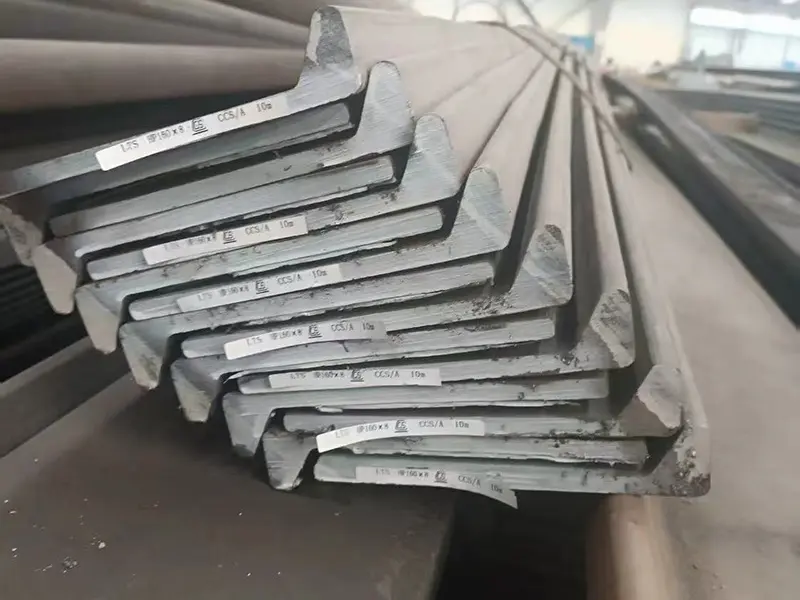
What are the different grades of bulb flat steel?
The steel industry classifies bulb flat steel into two main categories[reference:33]:
General strength grades. These include Grade A, B, D, and E. They are suitable for standard shipbuilding applications where extreme conditions are not a primary concern.
High-strength grades. These include AH32, DH32, EH32, AH36, DH36, and EH36[reference:34]. They offer superior mechanical properties and are designed for demanding marine environments.
Why are high-strength grades becoming more popular?
The shift toward high-strength bulb flats is driven by several factors.
Strength-to-weight ratio. Compared to other forms of steel, bulb flat steel is stronger in terms of strength to weight ratio[reference:35]. High-strength grades take this advantage even further. They allow shipbuilders to use thinner sections while maintaining the same structural performance. This reduces weight without compromising safety.
Corrosion resistance. AH36 grade steel offers triple the corrosion resistance of AH32, making it ideal for saltwater exposure in shipbuilding[reference:36]. In harsh marine environments, corrosion resistance translates to longer service life and lower maintenance costs.
Hot-rolled process advantages. The hot-rolled process achieves 20% higher tensile strength compared to cold-rolled alternatives[reference:37]. Hot-rolled bulb flats are manufactured by heating steel billets above the recrystallization point and precisely rolling them into the required shape. This process produces a more consistent product with better mechanical properties.
How do these steels support green shipbuilding?
Here is where the green connection becomes clear.
| Steel Grade | Strength Level | Key Benefit for Green Shipbuilding |
|---|---|---|
| Grade A, B | Normal Strength | Standard applications, lower cost |
| AH32 | High Strength | 30% strength increase over benchmark[reference:38] |
| AH36 | High Strength | Triple corrosion resistance of AH32[reference:39] |
High-strength bulb flats allow shipbuilders to:
- Reduce hull weight. Less weight means less fuel consumption. Less fuel consumption means lower emissions.
- Use less steel. Higher strength means you can use thinner sections. This reduces the total amount of steel required per vessel.
- Improve vessel performance. Lighter vessels can carry more cargo or travel faster with the same fuel input.
I have seen shipbuilders switch from general-strength to high-strength bulb flats and achieve weight savings of 10-15%. That is real money. That is real emissions reduction.
What should you specify?
If you are designing a new vessel or retrofitting an existing one, you should be evaluating high-strength bulb flats. The upfront cost may be slightly higher. But the long-term benefits — in fuel savings, emissions compliance, and vessel performance — far outweigh the initial investment.
Which Regions Are Leading the Green Shipbuilding Boom and Driving Consumption?
Do you know where the hottest demand for bulb flat steel is coming from — and how that affects your sourcing strategy?
Asia Pacific currently holds the largest share of the bulb flat market at approximately 45%, driven by strong shipbuilding industries in China, South Korea, and Japan[reference:40]. Europe is expected to witness the highest CAGR, supported by advancements in naval shipbuilding and increasing offshore energy infrastructure projects[reference:41].
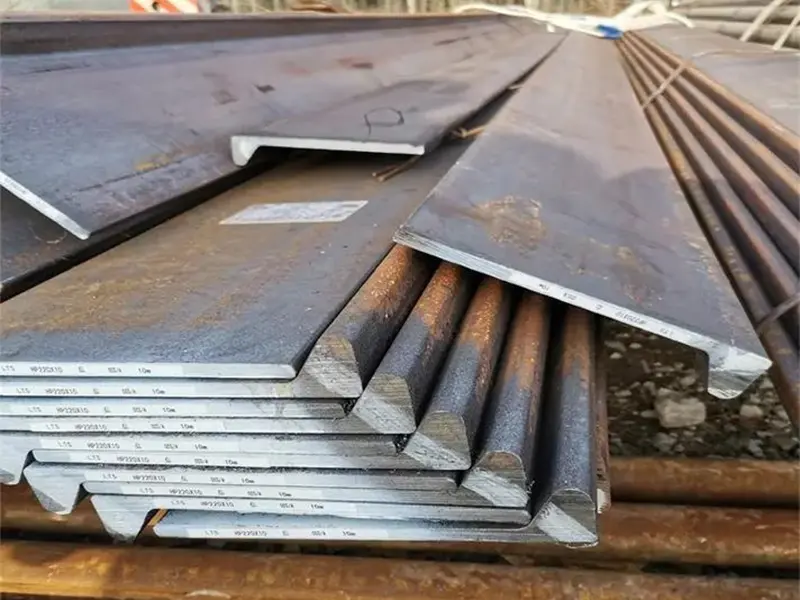
What is happening in Asia Pacific?
Asia Pacific remains the dominant region for bulb flat steel consumption[reference:42]. And the numbers tell the story. Asia Pacific accounted for 58.6% of global revenue in 2025[reference:43]. This dominance reflects the region’s unmatched shipbuilding capacity[reference:44].
South Korea, Japan, and China account for approximately 90% of global commercial vessel orders[reference:45]. These countries are constructing ultra-large container vessels with over 24,000 TEU capacities. Each of these vessels requires hundreds of tons of Grade A and Grade AH36 bulb flats[reference:46].
South Korean builders — Hyundai Heavy Industries, Samsung Heavy Industries, and Daewoo Shipbuilding — are commanding premium prices for LNG carrier construction[reference:47]. This is driving demand for specialty-grade bulb flats with enhanced low-temperature toughness.
Japanese builders — Imabari Shipbuilding and Japan Marine United — are focusing on bulk carriers and tankers[reference:48]. These vessels also require significant quantities of bulb flat steel.
What is happening in Europe?
Europe is expected to witness the highest CAGR in the bulb flat market[reference:49]. Several factors are driving this growth.
Naval shipbuilding advancements. European countries are investing in modernizing their naval fleets. This requires high-quality steel profiles that meet stringent military specifications.
Offshore energy infrastructure. The expansion of offshore wind farms in the [North Sea](https://www.offshore-mag.com/renewable-energy/news/55301222/allseas-lankhorst-slings-support-borwin-5-offshore-jacket-installati …) is driving demand for bulb flats in [jacket structures](https://www.offshore-mag.com/special-reports/france/article/14206754/eiffage-metal-expanding-yard-capacity-for-floating-offshore …) and support vessels[reference:50]. These projects require specialized steel that can withstand harsh marine conditions.
Green steel initiatives. The EU Carbon Border Adjustment Mechanism (CBAM) is driving demand for low-carbon profiles[reference:51]. Shipbuilders in Europe are increasingly specifying green steel for new builds. This is creating opportunities for suppliers who can demonstrate low-carbon production methods.
What about other regions?
| Region | Market Share | Key Drivers |
|---|---|---|
| Asia Pacific | 58.6%[reference:52] | China, South Korea, Japan shipbuilding dominance |
| Europe | Highest CAGR[reference:53] | Naval shipbuilding, offshore wind, CBAM |
| North America | Growing | Infrastructure renewal, naval programs |
| Middle East & Africa | Emerging | Oil & gas projects, port development |
What does this mean for your sourcing strategy?
If you are sourcing bulb flat steel for shipbuilding, you need to pay attention to regional dynamics.
Asia Pacific is the production hub. Most bulb flat steel is manufactured in this region. If you are a buyer outside Asia, you need to understand the logistics and lead times.
Europe is setting the green standard. CBAM is changing how steel is sourced in Europe[reference:54]. Shipbuilders in this region are demanding low-carbon steel. This trend will likely spread to other regions over time.
Demand is growing everywhere. Whether you are in Asia, Europe, or the Middle East, demand for bulb flat steel is increasing. The buyers who secure reliable supply chains now will have the advantage.
I work with clients across all these regions. The ones who succeed are the ones who understand these regional dynamics and build relationships with suppliers who can meet their specific needs.
Conclusion
Green shipbuilding regulations are accelerating bulb flat steel demand to USD 4.8 billion by 2033, making high-strength grades and supply chain resilience critical for shipbuilders worldwide[reference:55].