
Are you still specifying the same bulb flat steel grades you used for vessels built five years ago?
The global bulb flat market was valued at USD 3.2 billion in 2024 and is projected to reach USD 4.8 billion by 2033, growing at a 4.6% CAGR. Next-generation vessels demand higher strength grades like AH36 and EH40, driven by IMO decarbonization regulations.
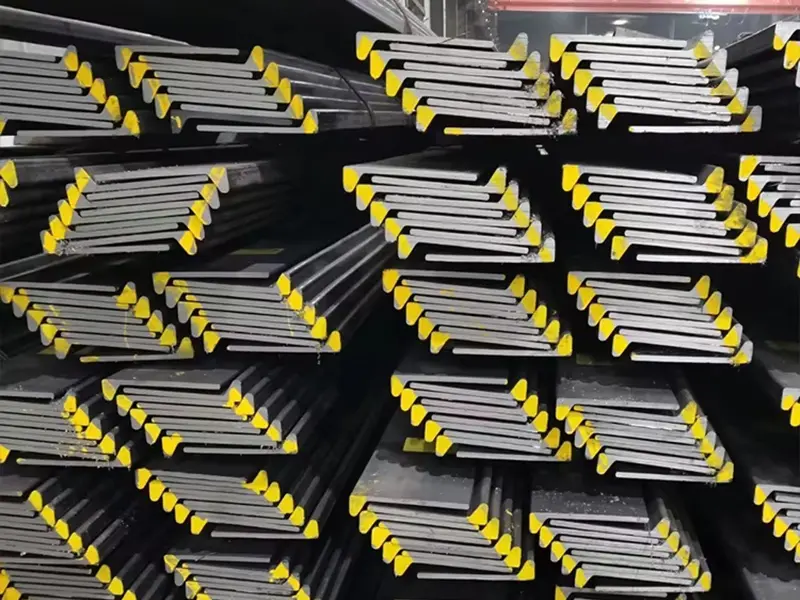
I have been in the marine steel business for years. I work with shipbuilders, fabricators, and project contractors across Asia, the Middle East, and beyond. And I can tell you this: the requirements for bulb flat steel are changing fast. Next-generation vessels are not built like the ships of ten years ago. They are lighter. They are stronger. They are more fuel-efficient. And the steel you specify needs to keep up.
Let me walk you through four key areas that will shape how you think about bulb flat steel for your next project.
What Are the Key Market Trends and Growth Forecasts for Bulb Flat Steel Through 2033?
Do you know how fast the bulb flat steel market is growing — and what that means for your procurement strategy?
The global bulb flat market is projected to grow from USD 3.2 billion in 2024 to USD 4.8 billion by 2033, at a CAGR of 4.6%[reference:3]. Shipbuilding remains the largest application segment, and demand is accelerating as next-generation vessel orders ramp up through 2028.
What do the numbers tell us?
Let me share the key data points you need to know. The bulb flat market is growing steadily, and the numbers from multiple sources tell a consistent story.
The bulb flat market was valued at approximately USD 3.2 billion in 2024. It is anticipated to reach USD 4.8 billion by 2033, growing at a compound annual growth rate of 4.6% during the forecast period[reference:4]. Another source indicates that the global bulb flat market reached $8.7 billion in 2025 and is projected to grow to $13.2 billion by 2034, representing a robust 4.8% CAGR[reference:5].
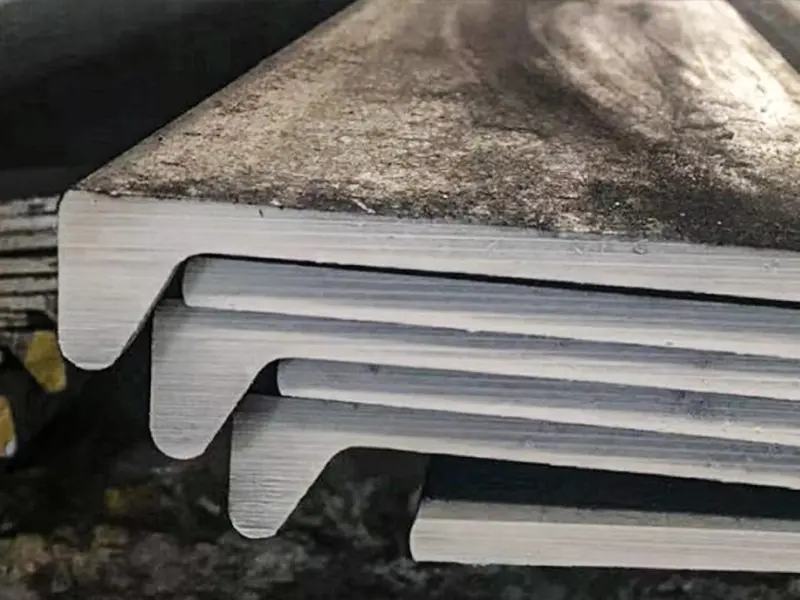
The shipbuilding industry is the primary driver of this growth. Bulb flats are used extensively as structural stiffeners in ship hulls, decks, and offshore structures[reference:6]. Their unique shape — a flat web with a rounded bulb edge — provides an excellent strength-to-weight ratio that makes them indispensable in marine construction.
What is driving this market growth?
Three main forces are pushing the bulb flat steel market higher.
Rising shipbuilding activity. Global shipbuilding orders remain strong. Container shipping lines are placing record vessel orders. LNG carriers are reaching peak construction cycles. The next-generation vessel delivery peak is expected between 2026 and 2028. More ships mean more steel. And bulb flat steel is an essential component in hull construction, deck stiffening, and structural framing.
Next-generation vessel designs. The shift toward more fuel-efficient and environmentally friendly vessels is driving demand for advanced steel profiles. Next-generation vessels require materials that offer higher strength, better corrosion resistance, and improved weldability. Bulb flats meet all these requirements.
Offshore energy expansion. The expansion of offshore wind farms in the North Sea and Southeast Asia is driving demand for bulb flats in jacket structures and support vessels. Offshore oil and gas projects are also contributing to market growth.
What does this mean for your procurement strategy?
Here is the bottom line. Demand for bulb flat steel is rising. Competition for quality material will increase. Prices will reflect that. The buyers who act early — who build relationships with reliable suppliers — will have the upper hand.
The Asia Pacific region remains the dominant market for bulb flats, driven by the strong shipbuilding industries in China, South Korea, and Japan. China alone accounts for a significant portion of global bulb flat production and consumption. If you are sourcing from this region, you need to understand the local market dynamics.
I have seen shipbuilders wait too long to secure their bulb flat supply. They end up paying premium prices or accepting lower-quality material. Do not be that buyer. Plan ahead. Secure your supply chain now.
Why Are High-Strength Steel Grades Like AH36 and EH40 Becoming the New Standard for Next-Generation Vessels?
Are you still specifying general-strength bulb flats when high-strength options could save you weight, money, and emissions?
High-strength bulb flat steels like AH36 (yield strength ≥355 MPa) allow shipbuilders to use thinner hull plating, reducing steel weight by 15-20%[reference:7]. EH40 offers even higher strength for critical structural areas, making these grades the new standard for next-generation vessels.
What are the different bulb flat steel grades?
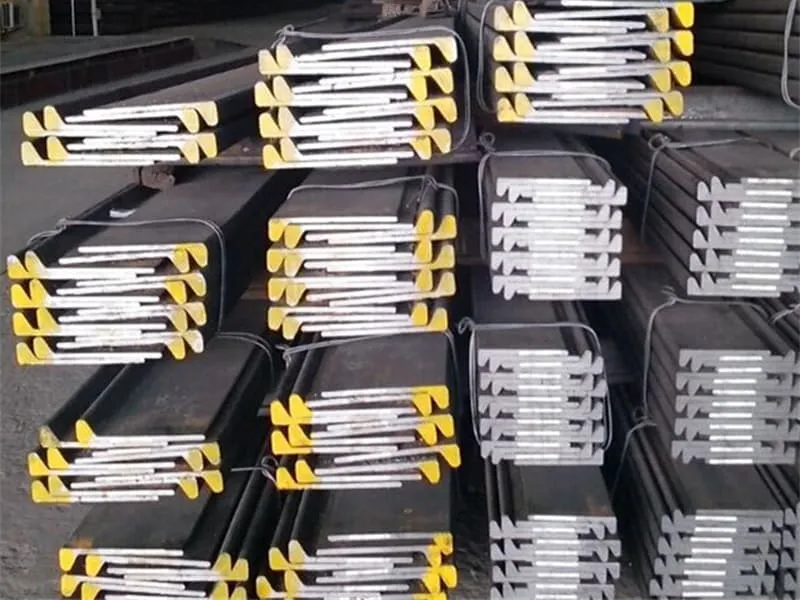
Let me break this down clearly. Bulb flat steel is classified into two main categories based on strength.
Normal strength grades. These include Grade A, B, D, and E. They are suitable for standard shipbuilding applications where extreme conditions are not a primary concern[reference:8].
High-strength grades. These include AH32, DH32, EH32, AH36, DH36, EH36, AH40, DH40, and EH40[reference:9]. They offer superior mechanical properties and are designed for demanding marine environments[reference:10].
The "A," "D," and "E" designations indicate the impact toughness temperature. A-grade steel is tested at 0°C. D-grade is tested at -20°C. E-grade is tested at -40°C[reference:11]. For vessels operating in cold climates or polar routes, E-grade steels are essential.
Why are high-strength grades becoming the new standard?
The shift toward high-strength bulb flats is not a trend. It is a necessity. Here is why.
Weight reduction. AH36 offers a yield strength of at least 355 MPa. This is significantly higher than normal strength grades[reference:12]. The higher strength allows shipbuilders to use thinner hull plating. Thinner plating means less steel. Less steel means less weight. And less weight means better fuel efficiency.
The numbers are compelling. Using AH36 instead of normal strength steel can reduce steel weight by 15-20%[reference:13]. On a large vessel, that translates to hundreds of tons of steel savings. That is real money. That is real emissions reduction.
Fatigue resistance. Next-generation vessels are designed for longer service lives and more demanding operating conditions. Fatigue-resistant designs in high-stress areas favor EH40 over Grade A[reference:14]. EH40 offers superior fatigue performance, making it ideal for critical structural components.
Critical area reinforcement. EH36 grade steel is one of the strongest products available. It is placed in critical areas to reinforce the strength and structural integrity of shipping structures[reference:15]. For vessels that will operate in harsh conditions, EH36 and EH40 are becoming the default choices.
Weldability. Steel grades such as AH36 and DH36 are prized for their excellent weldability. They are frequently used to fabricate core structural components of ships and vessels[reference:16]. Good weldability means faster construction and lower labor costs.
How do these grades compare?
| Grade | Yield Strength (MPa) | Impact Test Temperature | Typical Application |
|---|---|---|---|
| Grade A | 235 | 0°C | General shipbuilding |
| AH32 | 315 | 0°C | High-strength applications |
| AH36 | 355 | 0°C | Thinner hull plating, weight reduction |
| DH36 | 355 | -20°C | Cold climate applications |
| EH36 | 355 | -40°C | Critical structural areas, polar routes |
| EH40 | 390 | -40°C | Highest strength, most demanding applications |
What should you specify?
Here is my advice. If you are designing a next-generation vessel, you should be evaluating high-strength bulb flats as your default option.
For most applications, AH36 offers the best balance of strength, cost, and availability. For critical structural areas or vessels operating in cold climates, consider EH36 or EH40. The upfront cost may be slightly higher. But the long-term benefits — in weight savings, fuel efficiency, and vessel performance — far outweigh the initial investment.
How Are Lightweight Design and IMO Decarbonization Regulations Reshaping Bulb Flat Steel Requirements?
Have you considered how the IMO’s new emissions regulations will affect the steel you specify for your next vessel?
The IMO Net-Zero Framework, approved in April 2025, will enter into force in 2027 and apply to ships over 5,000 gross tonnage, which emit 85% of international shipping CO₂[reference:17][reference:18]. This regulatory pressure is accelerating the shift toward lightweight designs and high-strength bulb flats that reduce fuel consumption.
What are the key IMO regulations?
Let me give you the straight answer. The IMO has implemented a series of regulations that are fundamentally reshaping ship design and steel requirements.
EEXI (Energy Efficiency Existing Ship Index). This regulation became mandatory on 1 January 2023. All ships of 400 GT and above are required to calculate their EEXI and implement technical means to improve their energy efficiency[reference:19]. The EEXI framework is used to assess the technical energy efficiency of existing ships against required levels[reference:20].
CII (Carbon Intensity Indicator). Also mandatory from 1 January 2023, the CII requires ships of 5,000 gross tonnage and above to report their annual operational carbon intensity and receive a rating[reference:21]. The CII rating reflects the operational energy efficiency of ships[reference:22].
IMO Net-Zero Framework. This is the game-changer. Approved in April 2025, the Net-Zero Framework is the first in the world to combine mandatory emissions limits and GHG pricing across an entire industry sector[reference:23]. It will enter into force in 2027 and become mandatory for large ocean-going ships over 5,000 gross tonnage, which emit 85% of total CO₂ emissions from international shipping[reference:24].
The framework includes a global fuel standard and a carbon pricing mechanism starting at US$100 per excess ton of CO₂[reference:25]. Ships must reduce their annual greenhouse gas fuel intensity (GFI) over time[reference:26].
How do these regulations drive bulb flat steel demand?
Here is the connection. To meet these emissions targets, shipbuilders need to design vessels that are lighter and more fuel-efficient. Bulb flats are a critical part of that equation.
Weight reduction is the key. The lighter the vessel, the less fuel it consumes. And the less fuel it consumes, the lower its emissions. High-strength bulb flats allow shipbuilders to use thinner sections while maintaining the same structural performance. This reduces weight without compromising safety.
| Regulation | Requirement | Impact on Steel Selection |
|---|---|---|
| EEXI (2023) | Calculate energy efficiency for existing ships | Retrofits may require lighter materials |
| CII (2023) | Report carbon intensity, receive rating | Poor ratings drive efficiency upgrades |
| IMO Net-Zero Framework (2027) | Mandatory emissions limits, carbon pricing | New builds must maximize efficiency |
Next-generation vessel designs. The transition to alternative fuels like methanol and ammonia is requiring specialized hull designs that utilize premium-grade bulb flats meeting rigorous certification standards. These new designs are more complex. They require higher-quality materials.
The timeline is clear. The measures are set to enter into force in 2027 and will be fully implemented starting in 2028[reference:27]. This gives shipbuilders a clear deadline. They need to prepare now. They need to secure their supply chains. And they need to start specifying the right steel grades for the vessels they will build.
What does this mean for your steel selection?
I tell my clients the same thing. Do not wait until 2027 to start thinking about this. The shipyards that act early will have the advantage. The ones that wait will scramble.
Specify high-strength grades. AH36 and EH40 should be your default choices for next-generation vessels. The weight savings alone justify the slightly higher cost.
Consider lifecycle costs. A slightly higher upfront cost for better steel can save you millions in fuel costs over the life of the vessel.
Plan for future regulations. The IMO is not done. More regulations are coming. Specifying higher-grade steel now will give you a buffer against future requirements.
What Should Shipbuilders Look for in Bulb Flat Steel Supply Chains for Future-Proof Vessels?
Are you confident that your bulb flat steel supply chain can meet the quality, certification, and delivery requirements of next-generation vessels?
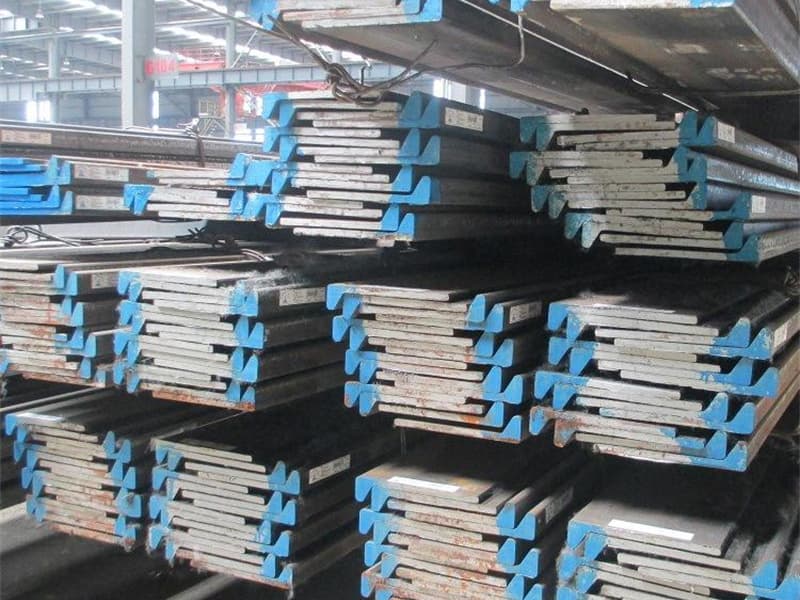
Shipbuilders should prioritize suppliers with classification society approvals (CCS, ABS, DNV, LR, NK), robust quality management systems, and the ability to provide complete Mill Test Certificates with traceable heat numbers[reference:28][reference:29]. GB/T 9945-2025, effective January 2026, sets new quality standards for bulb flats[reference:30].
What are the key certification requirements?
Let me walk you through what you need to know. Bulb flat steel used in shipbuilding must meet strict certification requirements to ensure quality and safety[reference:31].
Classification society approval. Marine-grade bulb flats must be approved by a recognized classification society. Common approvals include CCS, ABS, GL, LR, NK, BV, DNV, KR, and RINA[reference:32]. Each society has its own requirements for material testing, documentation, and quality control.
Mill Test Certificate (MTC). Every shipment of bulb flat steel must be accompanied by an MTC. This document shows the chemical composition and mechanical properties of the steel. It proves that the material meets the specified grade requirements.
Traceability. The heat number on the certificate must match the heat number stamped on each piece of steel. Without traceability, the material cannot be verified. And without verification, it cannot be used in shipbuilding.
SOLAS requirements. The Safety of Life at Sea (SOLAS) convention includes requirements for the physical properties of materials used in shipbuilding, including strength, durability, and corrosion resistance[reference:33].
What are the new quality standards?
The industry is not standing still. New standards are being introduced that raise the bar for bulb flat steel quality.
GB/T 9945-2025, the new Chinese national standard for bulb flats, was released on 30 June 2025 and will take effect on 1 January 2026[reference:34]. This standard sets strict limits on bulb deformation (≤2mm) and other quality parameters. Suppliers who meet this standard demonstrate a commitment to quality.
In July 2026, CCS issued a factory approval certificate for marine bulb flat steel to Guangdong Caiyuan Special Steel[reference:35]. This approval fills a gap in high-end bulb flat steel production and sets a new benchmark for quality.
What should you look for in a supplier?
Based on my experience working with shipbuilders around the world, here are the qualities that matter most.
| Supplier Quality | Why It Matters |
|---|---|
| Classification society approvals | Ensures material meets industry standards |
| Complete MTCs with traceability | Proves material quality and enables verification |
| Quality management system | Consistent quality, fewer defects |
| Fast response time | Delays cost money. You need answers within hours. |
| Third-party inspection support | SGS or equivalent inspection gives you peace of mind |
| Flexible MOQ | You should not have to over-order to get the steel you need |
I learned this lesson working with Gulf Metal Solutions in Saudi Arabia. Before they found us, they dealt with delayed responses, quality inconsistency, and a lack of English-speaking support. After they switched to a supplier who offered dedicated export sales reps, third-party inspection, and flexible MOQ, their experience changed completely.
The feedback they gave us? "The steel company was the first supplier to respond within two hours, and maintained this rapid response speed throughout the entire delivery process. The product quality is stable, and the packaging is the best among all the packaging for ship plates we have received so far."
What about next-generation vessel requirements?
Next-generation vessels place additional demands on bulb flat steel supply chains.
Higher strength grades. AH36 and EH40 require more precise manufacturing processes and tighter quality control. Not every supplier can produce these grades consistently.
Low-temperature toughness. Vessels operating in polar regions or cold climates require E-grade steels with impact toughness tested at -40°C[reference:36]. This requires specialized production capabilities.
Certification complexity. Different classification societies have different requirements. A supplier who can meet multiple society approvals is more valuable than one who can only meet one.
Delivery reliability. Next-generation vessels have tight construction schedules. Any delay in steel delivery can cascade through the entire project. Reliable delivery is non-negotiable.
What should you do?
I tell my clients the same thing. Do your homework before you place your order.
Verify certifications. Ask for copies of classification society approvals. Check that they are current and relevant to your project.
Request MTC samples. Ask to see sample MTCs before you place your order. Check that they are complete and properly formatted.
Visit the supplier. If possible, visit the supplier’s facility. See their quality control processes firsthand. Meet the people who will be handling your order.
Start with a trial order. If you are working with a new supplier, start with a small order. Verify the quality and delivery before committing to a larger quantity.
Conclusion
Next-generation vessels demand higher-strength bulb flats like AH36 and EH40, driven by a growing market and IMO regulations, making supply chain quality and certification critical.