
A project ends. The leftover marine angle steel stays in the yard, unlabelled and unallocated. It rusts, loses its heat numbers, and becomes worthless. A closeout routine saves it.
Manage leftover marine angle steel between projects with a closeout steel audit: count every remnant by grade, size, and heat number, classify it by length, keep the heat number on the tag, and book usable lengths into a shared ledger that the next project checks before ordering new steel.

I have walked too many yards where the racks of Project A quietly became the confusion of Project B. The steel was never the problem. The handover was. In this article I will show you the four steps that separate yards that reuse their remnants from yards that sell them as scrap: understand why leftovers strand, run a closeout audit on the day the last bar is cut, protect certification across the project boundary, and let the leftover ledger discipline the next purchase order. None of it needs new software. It needs one afternoon, a paint marker, and the discipline to finish a project properly.
Why Does Leftover Marine Angle Steel Go Missing Between Projects?
Leftover marine angle steel rarely disappears in one dramatic loss. It fades away through small, unowned moments, and each one converts certified, paid-for steel back into anonymous scrap.
Leftover angle steel goes missing between projects because its project allocation ends while its physical life continues: nobody owns the pile, heat numbers stay on lost tags, bars get scattered as ad-hoc material, and within weeks the yard cannot prove what the steel is, so it cannot use it.
The Steel Loses Its Owner Before It Loses Its Value
On a live project, every bar has a job. The material controller issues it against a block, the weld map references it, and the ledger row matches a bundle on the rack. The day the last block closes, all of those references expire at once. The steel does not change. Its context does.
I saw this at a yard I visited in [Zora will replace] last year. The project team had been demobilised on a Friday. By the following Wednesday, the leftover angle bars were already scattered. A few had been carried off for a gantry repair, a few more for a temporary ladder, and the rest had been pushed to the edge of the bay to clear space for the next keel. Every single bar was still certified AH36. Within three weeks, none of them could prove it.
Where Remnants Actually Go
The losses are boring, which is why they repeat. In most yards I visit, steel is not stolen; it is borrowed. A fitter needs a brace and takes the nearest bar. A subcontractor returns late material to the wrong rack. The remnant tag, a paper label wired to the bundle, weathers and falls off. Each event looks harmless on its own. Together, they dissolve the line between stock that belongs to a project and stock that belongs to nobody.
The cost shows up twice. First in steel: a remnant sold as scrap recovers only a small fraction of what you paid. Scrap sits around $120–200 per tonne, while new marine angle steel costs several times that. Every stranded tonne loses most of its value. Second in schedule: when the next project starts, the planner cannot trust the pile, so he orders a full new container, and the leftover steel pays rent in yard space while it rusts. One yard admitted to me that its scrap rate ran near double the design estimate, and that almost all of it came from remnants of finished projects that were never re-nested.
| How it strands | What actually happens | What it costs |
|---|---|---|
| Lost ownership | The project team demobilises; allocations, issue records, and weld maps expire with it | Steel becomes unallocated and nobody is accountable for it |
| Borrowed bars | Fitters and subcontractors take a quick brace from the leftover pile | Lengths and quantities drift; the pile can no longer be planned against |
| Weathered tags | Paper bundle tags fall off in the rain and take the heat numbers with them | The remnant cannot enter a classed structure, whatever its grade |
| Space pressure | The next keel needs the bay, so leftovers get pushed outside onto open ground | Surface rust, re-blasting cost, edge damage from rough handling |
| Blind reordering | The next project orders fresh steel because the pile cannot be trusted | Double payment: full-price steel plus scrap-value loss on the old |
What Should a Project Closeout Steel Audit Record?
A closeout audit is not an inventory count. It is the handover that turns one project’s leftovers into the next project’s starting stock, done while the paperwork is alive.
A project closeout steel audit records four things for every leftover marine angle bar: grade, section size, taped length, and heat number, plus a disposition decision per length band. Run it on the day fabrication ends, while the mill test certificates and issue records are still current.
Count Pieces and Taped Lengths, Not Tonnes
Weighing a leftover pile tells you almost nothing useful. Tonnage hides the detail that matters: how many metres of L100×100×10 can the next project actually nest? Walk the pile with two people, one to tape and one to write. Count the bars, tape every usable length to the nearest 50 mm, and write the result straight onto the ledger line together with the grade and the heat number copied from the bar or its tag. Twenty minutes per size group is enough. I have run this drill myself, and the tape measure settles arguments that a weighbridge never could.
The Four Length Bands That Decide Everything
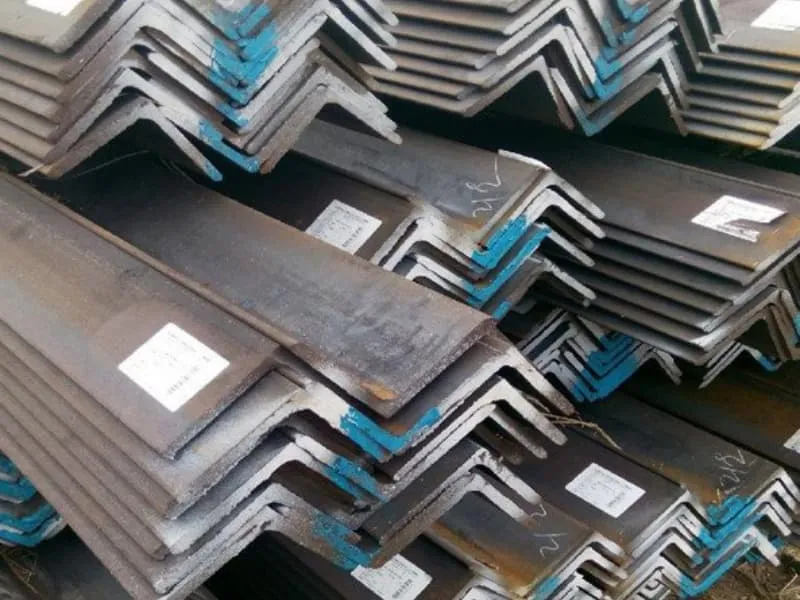
Every yard I trust sorts remnants into the same four bands, because the band decides the disposition without debate. Bars of 3,000 mm and above go back into the size rack as normal stock. Bars of 1,000 to 2,999 mm go to a secondary remnant rack: still fully traceable, still certifiable, just not first-choice material. Bars of 300 to 999 mm become the clip rack for brackets, stiffener ends, and small fittings. Anything under 300 mm goes to scrap, unless your bracket schedule genuinely consumes shorter pieces. The banding sounds simple, and it is. Its value is that it removes the argument. Nobody has to decide whether a 1.8 metre bar of DH36 is worth keeping; the rule already decided.
| Length band | Disposition | Why |
|---|---|---|
| 3,000 mm and above | Return to the main size rack as usable stock | Long enough to nest like new bars |
| 1,000–2,999 mm | Secondary remnant rack, fully traceable | Usable for stiffeners, brackets, and short members |
| 300–999 mm | Clip rack for small parts | Fits brackets, end fittings, and tack fixtures |
| Under 300 mm | Scrap bin | Handling cost exceeds any realistic reuse |
Close the audit with signatures. The outgoing project’s material controller signs the ledger page, and the incoming planner countersigns it. From that moment, the remnants are book stock, not a pile. Value them at their reuse value, not their scrap value. A ledger that prices a traceable 4 metre bar as scrap will quietly push your whole team to treat it as scrap.
The audit also needs a date rule, not just a content rule. Run it on the day the last bar is cut, or within the same week at the latest. Every week of delay costs tags, lengths, and heat numbers. I tell buyers to put the closeout audit into the project plan as a milestone, next to sea trials and delivery, so it happens even when the yard is busy demobilising. A closeout audit that runs three months late is not an audit; it is archaeology.
Can a Remnant Keep Its Certification Across a Project Boundary?
Certification decides whether a leftover bar is stock or scrap. Classification rules do not care how good the steel is; they care whether you can prove what it is.
Yes, if the heat number survived the last cut. Transfer the heat number onto every offcut before it leaves the saw, keep the mill test certificate archive through the gap between projects, and a remnant stays certifiable for the next hull. Lose the link and the bar is scrap.
The Five Links a Surveyor Follows
A surveyor auditing material for a classed hull follows one chain: bundle tag heat number, then mill test certificate, then storage location, then issue record, then weld map or block number. Five links. If any one of them breaks, the material is treated as untraceable, and untraceable marine steel does not go into a classed hull no matter how clean its surface is. A leftover bar from a finished project must re-enter that same chain, not bypass it. The tag heat number must still be readable on the bar. The MTC must still be filed under that heat number, which means the certificate archive has to survive the gap between projects, not just the project itself. Our own practice is to file MTCs by heat number, not by client or project, so a remnant can always find its certificate no matter which hull it started on. If you want a second pair of eyes on this, read our guide to organizing angle steel by grade, size, and heat number.
The Equal-Period Rule for Mixing Remnants
Shipyards that manage remnants at scale go one step further than tagging. The remnant code carries a region code and a sequence code, so a remnant is consumed inside the same block region it came from, and remnants produced in the same or an adjacent cutting period are mixed with each other rather than with strangers. The reason is schedule, not chemistry. A remnant cut in the same campaign as the parts around it enters fabrication at the same time, so it does not stall a work package while someone hunts for its paperwork. When I plan remnant reuse with a client, I ask for the cutting dates as well as the heat numbers. Steel that was cut in the same month tends to fit back into the same phase of construction.
When a Remnant Stops Being Stock
Paint the heat number on the offcut before it leaves the saw, or the offcut is already dead. If the tag is gone and nobody can prove the heat, the bar cannot go into a classed structure. Re-inspection is technically possible: cut samples, send them to a laboratory, book the surveyor. In practice it costs more than the bar is worth, so the pile grows and the yard pretends it is not there. An inspector cannot verify steel that has no clear identification, which is one reason we welcome third-party inspection on remnant-heavy orders: it forces the tagging discipline to stay honest long after the project team has moved on.
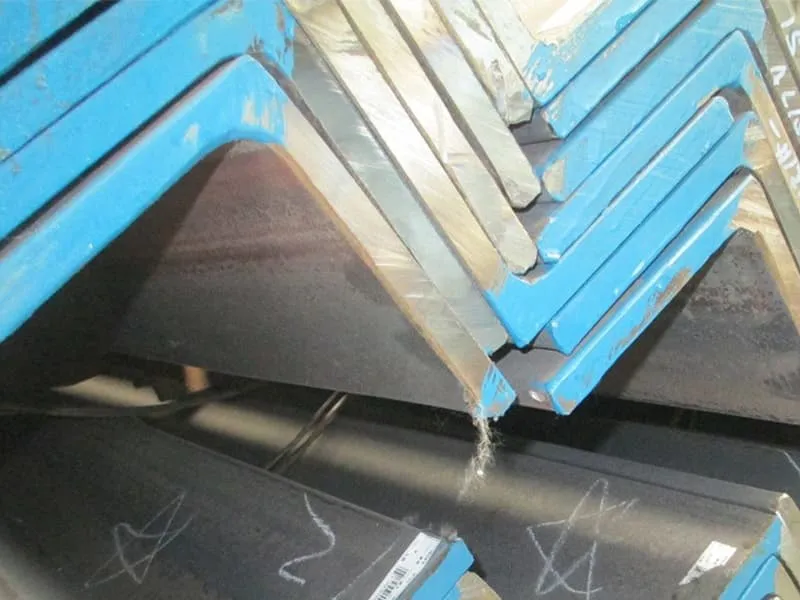
There is a paperwork side to this as well, and it is the half most yards forget. The mill test certificate archive must outlive the project. If certificates are filed under the project number and that folder is archived into a container when the ship delivers, the remnant rack loses its brain. File every MTC by heat number in a permanent register, and keep the register where the next project’s planner can reach it without an archivist. We also recommend keeping the original certificates with the shipping documents for at least the warranty period of the vessel, because a remnant query can arrive two years after the project closed, and the answer must still exist. When a client asks for EN 10204 3.2 certification with third-party attendance, the surveyor signs against specific heats, which makes the heat-level archive even more important: the signed report references the steel, not the project.
| Chain link | What proves it | What happens if it breaks |
|---|---|---|
| Tag heat number | Paint or stamp on the bar end plus a wire tag | Bar cannot be identified; treated as untraceable |
| Mill test certificate | MTC (EN 10204 3.1 or 3.2) filed by heat number | Chemistry and impact values cannot be proven |
| Storage location | Location code recorded in the ledger | Bar exists but cannot be found when needed |
| Issue record | Signed issue against a work order | No record of which structure consumed the steel |
| Weld map or block number | Fabrication record linking material to the hull | The surveyor cannot close the chain at assembly |
How Should the Next Project’s Order Be Planned Against the Leftover Ledger?
The leftover ledger only earns its keep if it changes the next purchase order. Make the remnant rack a mandatory check before any requisition for a size leaves your desk.
Plan the next project against the leftover ledger by nesting the new material list against recorded remnants first, releasing requisitions only for the net shortfall, and standardising sizes and grades across sister vessels so future leftovers stay compatible instead of multiplying.
Nest the New Project Against the Remnant Rack First
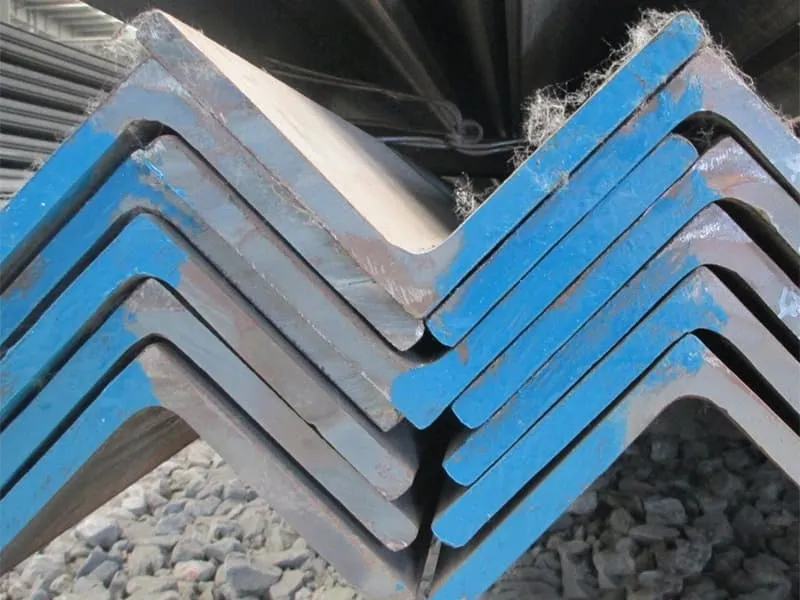
Large yards do this automatically: at the design stage, the steel order demand is netted against common stock and single-ship stock before it ever reaches the mill, and remnants are coded so planners can find them while nesting. A buyer without that software can run the same logic in one spreadsheet column. For each section size, take the ledger metres, subtract the next project’s consumption, and release a requisition only for the net shortfall. If 114 metres of usable L100×100×10 is sitting on the remnant rack, a requisition for that size is wrong by default. The remnant rack is not a museum. It is the cheapest steel your yard will ever buy, because you already own it.
Standardise Sizes and Grades Across Sister Vessels
Leftovers only transfer between projects when both projects speak the same dialect of steel. A yard that builds a tugboat series on two angle sizes and four plate thicknesses will find that Project A’s leftovers fit Project B exactly. One yard we know cut its scrap rate from 18 percent to 9 percent in a single year purely by standardising thicknesses across two hull types. Every extra grade or odd size you introduce is a size the leftover ledger can never match, and it multiplies the racks, the tags, and the chances of a mixed pick. Standardisation is not a design compromise. It is the precondition for remnant reuse.
Carry, Transfer, or Sell: The Economics
Run the numbers once and the default answer becomes obvious. New marine angle steel runs in the region of several hundred dollars per tonne [Zora will replace], while scrap recovers $120–200 per tonne. Carrying a traceable remnant on the rack costs modestly per tonne per year in space and handling. The spread between reuse and scrap is therefore the largest number on the page, and it argues for carrying or transferring almost everything above the clip rack. Sell only what the ledger says you will never nest: odd lengths in sizes no current or scheduled project uses. Buyers like Gulf Metal Solutions in Saudi Arabia plan their angle steel orders in batches against real consumption lists; that same habit is what makes remnant carry-over work on their side of the water. If you are rebuilding a balance after a long project, see how to calculate remaining stock after fabrication.
| Practice | Clean-slate ordering (pile ignored) | Ledger-driven ordering (remnants first) |
|---|---|---|
| Requisition basis | Full consumption list of the new project | Net of recorded remnant metres per size |
| Leftover fate | Rusts in the corner, then sold as scrap | Nested into the early blocks of the new hull |
| Traceability | Chain broken at the project boundary | Heat transfer rule keeps the chain alive |
| Cash flow | Double payment: new steel plus scrap loss | Reduced steel spend in the first months |
| Yard space | New container arrives while the old pile holds racks | Rack space freed as remnants are consumed |
| Waste rate | 15–20% scrap when remnants are ignored | 3–5% achievable when nesting starts from remnants |
Conclusion
Treat the gap between projects as part of the project. Audit on the last cutting day, keep heat numbers alive, and let the leftover ledger open the next order.