
A shipyard in Saudi Arabia asked me to recommend reliable L-shaped steel suppliers in China. Their previous supplier delivered inconsistent quality that caused fabrication problems.
The best L-shaped steel suppliers for marine use include Baowu Group, Shagang Group, and Ansteel, along with specialized marine steel exporters like our company. These suppliers offer classification society certified AH36, DH36, and EH36 grades with proven quality, reliable delivery, and competitive pricing for international shipbuilding projects.
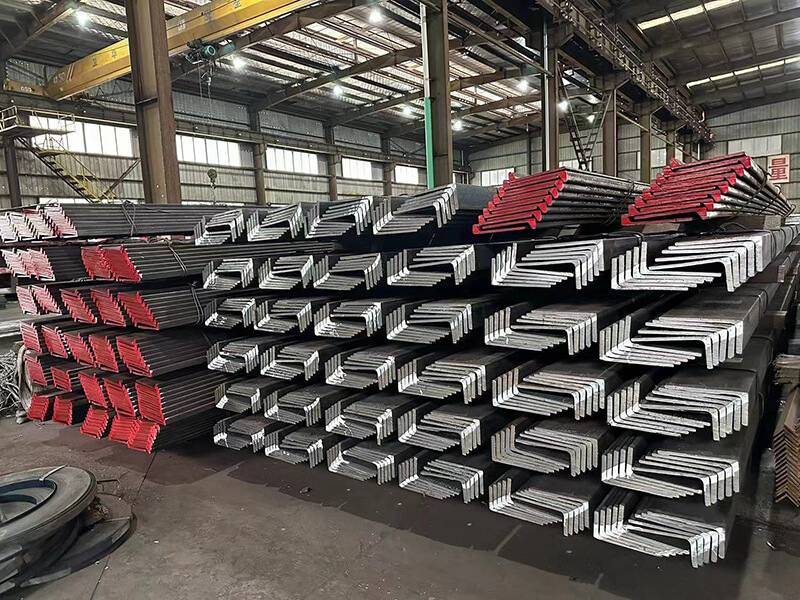
Choosing the right supplier ensures quality materials and project success. Let me guide you through the top suppliers and selection criteria.
Who is the largest steel manufacturer in China?
A shipowner from Qatar needed to understand China’s steel industry structure1. Knowing the major players helped them evaluate supplier credibility.
China Baowu Group2 is the largest steel manufacturer in China, producing over 115 million tons annually and ranking as the world’s biggest steel producer. The company results from the merger of Baosteel and Wuhan Iron & Steel, offering comprehensive product ranges including marine-grade L-shaped steel3 with international certifications.

China’s Steel Industry Leadership
China’s steel industry is dominated by several giant corporations that have evolved through consolidation and technological advancement. Understanding these players helps in supplier assessment.
China Baowu Group2 Dominance
Baowu Group represents the pinnacle of Chinese steel production. The company operates multiple advanced production bases across China. Their product portfolio covers virtually all steel types and grades. Marine steel production includes classification society approved materials. The company invests heavily in research and technology development. Their scale ensures consistent quality and reliable supply.
Major State-Owned Enterprises
Several state-owned enterprises4 form the industry backbone. Ansteel Group operates in Northeast China with significant production capacity. Shougang Group serves Northern China with diverse product offerings. These companies have long histories and extensive experience. They maintain high quality standards and export capabilities. Their government backing ensures stability and continuity.
Private Sector Leaders
Private companies have grown significantly in recent years. Shagang Group ranks among the world’s largest steel producers. Jianlong Group has expanded through acquisitions and modernization. These companies offer competitive pricing and flexibility. They have invested in modern production facilities. Their entrepreneurial approach drives innovation and efficiency.
Specialized Marine Steel Producers
Some manufacturers focus on marine applications. These specialized producers understand shipbuilding requirements. They maintain relationships with classification societies. Their product development targets marine industry needs. They offer technical support and application expertise. Their specialization benefits shipbuilders with specific requirements.
Regional Production Distribution
Steel production is distributed across China’s regions. Hebei province leads in total production volume. Jiangsu province hosts advanced specialty steel mills. Shandong province has growing steel industry presence. Liaoning province maintains traditional steel production bases. The distribution affects logistics and delivery times.
Production Capacity and Capability
Major producers have impressive capabilities. Advanced continuous casting ensures quality consistency. Computer-controlled rolling achieves precise dimensions. Automated testing guarantees property compliance. Environmental controls meet international standards. These capabilities support high-quality marine steel production.
Top Chinese Steel Manufacturers
| Company | Annual Production | Key Marine Products | Classification Approvals |
|---|---|---|---|
| China Baowu | 115 million tons | Plates, sections, profiles | ABS, DNV, LR, BV |
| Ansteel Group | 40 million tons | Ship plates, angles | ABS, DNV, LR |
| Shagang Group | 38 million tons | Structural sections | ABS, DNV, BV |
| Shougang Group | 35 million tons | Marine steel products | ABS, LR, NK |
| HBIS Group | 30 million tons | Plates, sections | DNV, BV, ABS |
We partner with several major mills to supply marine L-shaped steel. Our clients benefit from mill relationships and quality assurance.
Why is Chinese steel1 so cheap?
A naval architect from Mexico questioned Chinese steel1 pricing. Understanding the cost structure helped them evaluate supplier offers properly.
Chinese steel1 offers competitive pricing due to large-scale production efficiencies2, government policy support3, lower labor costs4, optimized supply chains, and modern manufacturing technology5. However, quality variations6 exist between suppliers, making careful selection crucial for marine applications where reliability matters more than initial cost savings.
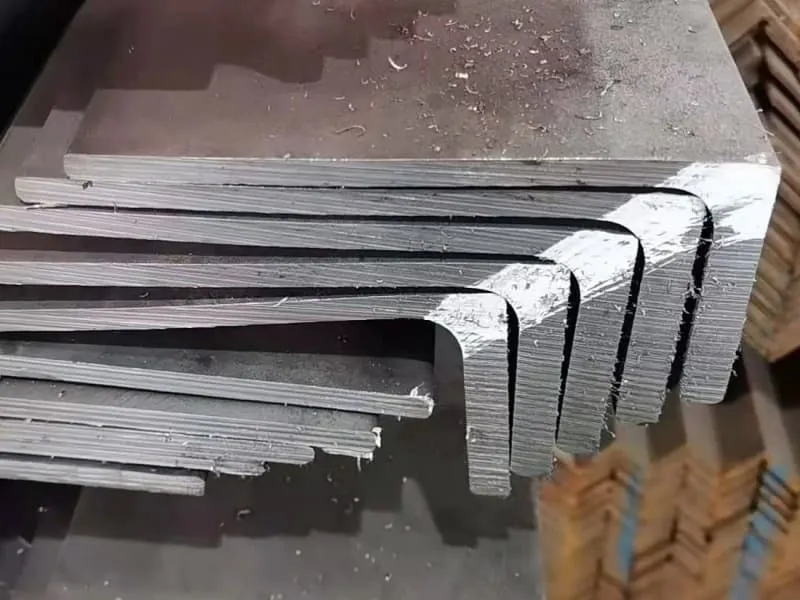
Chinese Steel Competitive Analysis
Chinese steel1‘s price advantage comes from multiple factors that create cost efficiencies while maintaining quality standards for export markets.
Production Scale Advantages
Chinese steel1 mills operate at massive scales that reduce unit costs. Large production volumes spread fixed costs over more output. Continuous operation maximizes equipment utilization rates. Bulk raw material purchasing achieves significant discounts. The scale advantage is difficult for smaller international producers to match. This efficiency translates directly to competitive export pricing.
Government Policy Support
The steel industry receives various forms of government assistance. Energy subsidies reduce electricity and fuel costs significantly. Tax incentives specifically encourage export activities. Infrastructure investments lower transportation expenses. Research funding promotes technological advancement and efficiency. These policies collectively contribute to price competitiveness in global markets.
Labor Cost Structure
Labor costs in China remain favorable for manufacturing. Skilled steel workers are available at competitive wage rates. Technical education systems produce qualified workforce efficiently. Manufacturing expertise has developed over decades of industrial growth. Labor productivity has increased through automation and training. The overall labor cost advantage persists despite recent wage increases.
Raw Material Supply Chain
China has established efficient raw material supply chain7s. Domestic iron ore production supplements imported materials. Extensive coal resources support coke production for steelmaking. Transportation networks efficiently move raw materials to production sites. Long-term supply contracts ensure material cost stability. The integrated supply chain reduces overall material costs.
Manufacturing Technology
Modern Chinese mills employ advanced production technology. Automated processes increase productivity and reduce labor requirements. Energy-efficient equipment lowers operating costs substantially. Computer-controlled quality systems minimize material waste. Continuous technology upgrades maintain competitive advantages. The technology investment delivers long-term cost benefits.
Logistics and Export Efficiency
The export supply chain is highly optimized for cost efficiency. Major ports handle large volumes with streamlined procedures. Transportation networks connect production centers to export hubs. Export documentation processes are well-established and efficient. Bulk shipping arrangements reduce per-ton transportation costs. These logistics efficiencies benefit international buyers.
Quality and Price Relationship
Price differences often reflect genuine quality variations6. Standard structural steel offers the most competitive pricing. Marine grades with certification command reasonable premiums. Specialized products with enhanced properties cost more to produce. Understanding this relationship helps buyers select appropriate quality levels. The best value balances performance requirements with budget constraints.
Chinese Steel Cost Components
| Cost Factor | Chinese Advantage | Impact on Price | Quality Considerations |
|---|---|---|---|
| Raw Materials | Domestic and imported sources | Lower input costs | Material consistency varies |
| Labor | Competitive wage rates | Reduced production cost | Skill levels differ by mill |
| Energy | Subsidized electricity | Lower operating cost | Environmental compliance |
| Scale | Massive production volume | Economies of scale | Quality control important |
| Technology | Modern equipment | Higher efficiency | Maintenance standards vary |
We help clients understand these cost dynamics for informed purchasing decisions. Buyers in Philippines and Thailand achieve optimal value through proper supplier selection.
What is the best steel for ship building?
A shipbuilder from Saudi Arabia needed to select optimal materials for their new vessel series. The choice balanced performance, cost, and classification requirements.
AH36 marine steel is considered the best general-purpose choice for shipbuilding due to its optimal balance of 355 MPa yield strength, good toughness, excellent weldability, and cost-effectiveness. For specific applications, DH36 offers enhanced low-temperature toughness while higher grades provide additional strength for specialized vessel requirements.
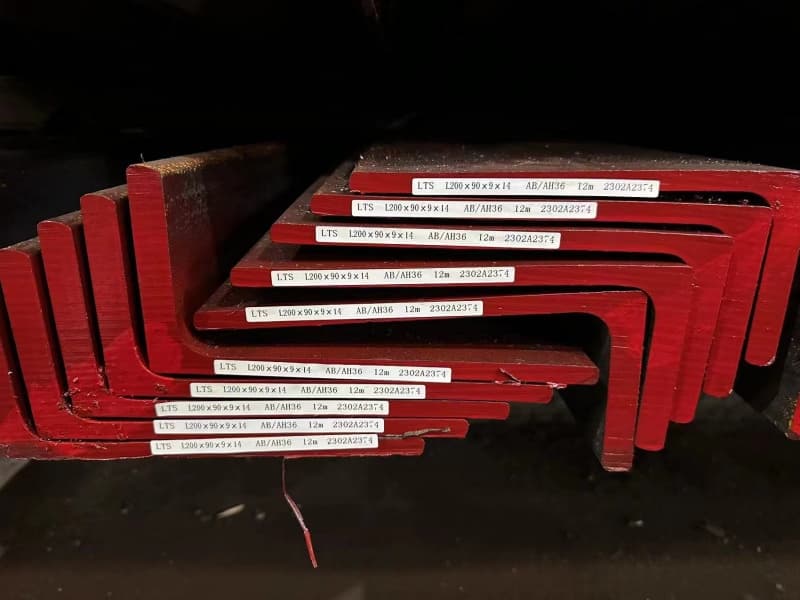
Optimal Steel Selection for Shipbuilding Applications
The "best" steel depends on vessel type, operating environment, structural location, and specific performance requirements. Different grades serve different purposes in modern ship construction.
AH36 – The Industry Standard
AH36 serves as the workhorse grade for most commercial shipbuilding. It offers 355 MPa minimum yield strength with adequate toughness for most operating conditions. The grade undergoes Charpy V-notch impact testing at 0°C temperature. It provides the best balance between cost and performance characteristics. Most ship structures utilize AH36 for primary and secondary components. The grade meets classification society requirements for vessels operating in tropical and temperate waters.
DH36 – Enhanced Toughness Grade
DH36 provides superior low-temperature performance compared to AH36. Impact testing occurs at -20°C instead of 0°C, ensuring better fracture resistance in colder waters. The mechanical strength remains identical to AH36 at 355 MPa yield strength. The improved toughness comes from tighter chemical composition controls and optimized manufacturing processes. Many shipowners specify DH36 for enhanced safety margins and extended operational flexibility.
EH36 – Maximum Toughness Performance
EH36 offers the highest toughness level among standard shipbuilding steel grades. Charpy V-notch testing takes place at -40°C temperature, making it essential for arctic and ice-class vessels. The material maintains structural integrity under extreme low-temperature conditions without risk of brittle fracture. While the strength remains at 355 MPa minimum yield, the production requires more careful processing and additional testing. The cost premium is justified for specific environmental requirements.
Higher Strength Options
Advanced grades provide opportunities for weight reduction and optimization. AH40 and DH40 offer 390 MPa yield strength, allowing thinner sections and reduced steel weight. EH40 maintains this enhanced strength level with -40°C toughness characteristics. These higher strength grades find application in weight-critical vessel areas and specialized structures. The selection considers both technical benefits and economic factors.
Chemical Composition Considerations
All marine grades maintain strict chemical composition controls. Carbon content typically ranges from 0.14% to 0.18% to ensure good weldability. Manganese levels vary from 0.90% to 1.60% to enhance strength and toughness properties. Silicon content remains below 0.50% for proper deoxidation during steelmaking. Phosphorus and sulfur limits ensure good toughness and weldability characteristics. Micro-alloying elements like niobium and vanadium may be added for grain refinement.
Classification Society Requirements
All shipbuilding steels require approval from recognized classification societies. American Bureau of Shipping (ABS) sets comprehensive material standards. Det Norske Veritas (DNV) provides detailed rules for marine applications. Lloyd’s Register (LR) maintains rigorous certification processes. Bureau Veritas (BV) offers global acceptance of approved materials. These societies ensure material quality and reliability through mill audits and product testing.
Shipbuilding Steel Selection Guide
| Grade | Yield Strength | Impact Test Temperature | Best Applications | Classification Approvals |
|---|---|---|---|---|
| AH36 | 355 MPa | 0°C | Tropical and temperate waters | ABS, DNV, LR, BV |
| DH36 | 355 MPa | -20°C | Colder operating areas | ABS, DNV, LR, BV |
| EH36 | 355 MPa | -40°C | Arctic and ice-class vessels | ABS, DNV, LR, BV |
| AH40 | 390 MPa | 0°C | Weight-critical structures | ABS, DNV, LR, BV |
| DH40 | 390 MPa | -20°C | High strength, cold environments | ABS, DNV, LR, BV |
We help clients select the most appropriate grade for their specific vessel requirements. Projects in Vietnam and Romania achieve optimal performance through proper material specification.
Are China steel mills facing a wave of bankruptcies?
A concerned buyer from Qatar asked about industry stability. Understanding the market dynamics reassured them about supply reliability.
While some smaller Chinese steel mills have faced financial challenges, major producers remain stable and profitable. Government consolidation policies have strengthened the industry by eliminating inefficient capacity, with the top 10 producers now controlling over 60% of output and maintaining reliable supply for international markets.
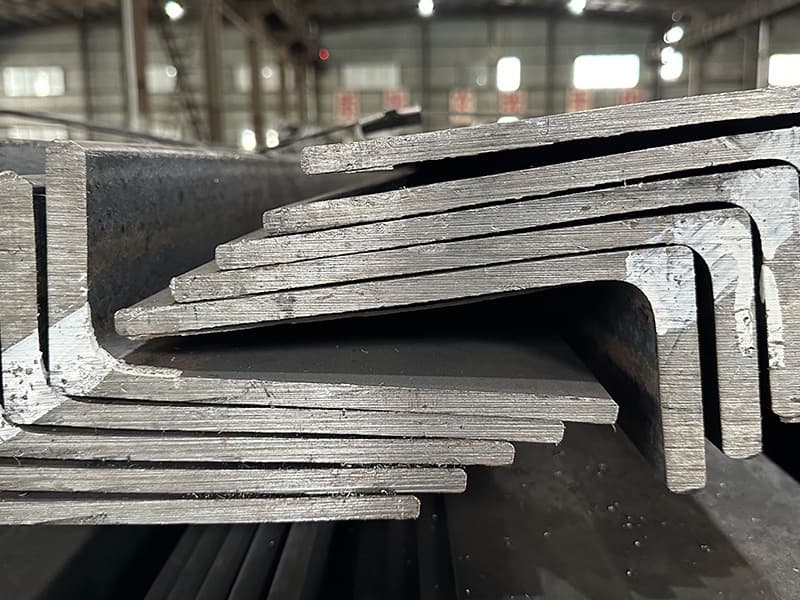
Chinese Steel Industry Financial Health
The Chinese steel industry has undergone significant transformation in recent years. Understanding the current landscape helps assess supply reliability and future stability.
Industry Consolidation Trends
The Chinese government has actively promoted industry consolidation. Smaller, inefficient mills have been closed or merged into larger groups. Production capacity has been rationalized to match market demand. Environmental regulations have eliminated polluting operations. The consolidation has created stronger, more efficient producers. This restructuring has improved overall industry health.
Financial Performance Indicators
Major Chinese steel producers maintain reasonable financial health. Profitability has improved through cost control and efficiency measures. Debt levels have been reduced through restructuring programs. Cash flow generation supports ongoing operations and investment. The financial improvement enhances supply reliability for international buyers.
Government Support and Policies
Strategic industry policies support key producers. Energy allocation prioritizes efficient large mills. Credit access supports working capital needs. Infrastructure investments maintain domestic demand. Export policies facilitate international trade. These measures ensure stability for major industry players.
Environmental Compliance Costs
Stricter environmental regulations have increased costs. Pollution control equipment requires significant investment. Operating costs have risen for environmental compliance. These costs have been absorbed through efficiency improvements. The environmental focus has driven technological upgrades. The result is more sustainable production practices.
Market Demand Fundamentals
Domestic demand remains substantial despite slower growth. Infrastructure development continues across China. Manufacturing activity supports steel consumption. Export markets provide additional demand sources. The diversified demand base supports industry stability. Market fundamentals suggest continued operations.
International Competition Position
Chinese mills maintain strong competitive positions. Cost advantages persist despite rising expenses. Quality improvements meet international standards. Delivery reliability has been consistently demonstrated. The competitive position supports ongoing export business. International relationships ensure market access.
Supply Chain Reliability
Major producers maintain reliable supply chains. Raw material access is secured through long-term contracts. Production planning matches market requirements. Logistics networks ensure timely delivery. Quality systems maintain product consistency. These factors support dependable supply for international buyers.
Chinese Steel Industry Status
| Aspect | Current Situation | Trend | Impact on Buyers |
|---|---|---|---|
| Production Capacity | Controlled reduction | Stable | Consistent supply |
| Financial Health | Improved profitability | Positive | Reliable partners |
| Environmental Compliance | Strict enforcement | Continuing | Higher standards |
| Industry Consolidation | Ongoing process | Strengthening | Fewer but stronger suppliers |
| Export Capability | Maintained strength | Stable | Continued availability |
We work with financially stable mills to ensure reliable supply. Our clients in Thailand and Malaysia benefit from consistent quality and delivery performance.
Conclusion
Selecting the best L-shaped steel supplier in China requires understanding industry structure, cost factors, material specifications, and supplier stability. Proper evaluation ensures quality materials for successful shipbuilding projects.
-
Explore the factors contributing to the low pricing of Chinese steel, including production efficiencies and government support. ↩ ↩ ↩ ↩ ↩ ↩
-
Learn how production efficiencies impact steel pricing and competitiveness in the global market. ↩ ↩ ↩
-
Discover the role of government policies in shaping the pricing landscape of the steel industry. ↩ ↩
-
Understand how labor costs influence the pricing and competitiveness of Chinese steel. ↩ ↩
-
Explore the advanced manufacturing technologies that enhance productivity and reduce costs in Chinese steel production. ↩
-
Understand the quality differences in Chinese steel products and their implications for buyers. ↩ ↩
-
Investigate how China’s raw material supply chain contributes to lower steel production costs. ↩