
I talk to buyers who have been burned by bad suppliers. They tell me stories about late deliveries. They tell me about steel that did not pass inspection. They tell me about salespeople who stopped answering emails after the payment went through. These problems do not happen by accident. They happen when you do not manage your supplier the right way.
The best way to manage marine L-shaped steel suppliers is to check their qualifications before you start, set clear rules for communication, build quality checkpoints into your agreement, and treat the relationship as a long-term partnership. A supplier who knows you will stay is a supplier who will go the extra mile for you.
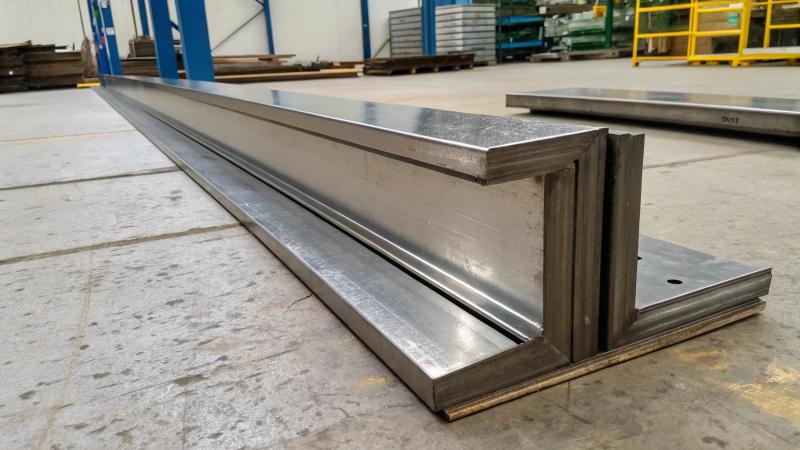
I have worked with buyers from Saudi Arabia to the Philippines. The ones who succeed are the ones who treat supplier management like a process, not a one-time transaction. In this article, I will share what I have learned from working with clients like Gulf Metal Solutions. They came to us after struggling with slow responses and inconsistent quality. Today, they are one of our regular partners. Let me walk you through the steps that made that work.
What key qualifications should you verify before onboarding a new supplier?
I remember a buyer from Malaysia. He found a supplier online. The price was low. He sent the deposit. Then he found out the supplier did not have the right mill approval for the classification society his project required. The steel arrived. The surveyor rejected it. He lost three months and a lot of money.
Before you onboard a new supplier, you need to verify their mill certifications, classification society approvals, third-party inspection support, and their experience shipping to your country. A supplier who cannot show you these things is a supplier you should not trust with your project.
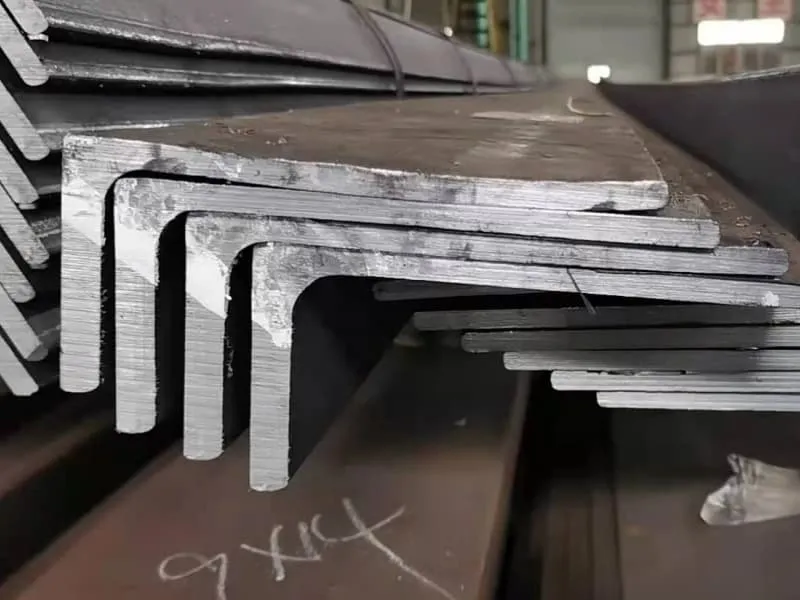
Mill Certifications and Classification Society Approvals
This is the first thing I ask buyers to check. Marine L-shaped steel is not regular construction steel. It has to meet strict rules. The classification societies like ABS, BV, DNV, LR, and CCS set those rules.
When you ask a supplier for their qualifications, do not accept a vague answer. Ask them to show you:
- Which mills they work with
- Which classification societies approve those mills
- A sample mill certificate from a recent order
I also tell buyers to check the certificate number with the classification society if they want to be sure. Some suppliers will show you a certificate that is old or fake. A quick call or email to the society can confirm if the mill is still approved.
Third-Party Inspection Support
A good supplier will not be afraid of third-party inspection. They will tell you yes when you ask about SGS or similar services. They will have a process for it.
Here is what I look for:
| Qualification | What to Ask | Red Flag |
|---|---|---|
| Mill approval | Which classification societies approve your mills? | Supplier cannot name a specific society |
| Inspection support | Can you arrange SGS inspection before shipment? | Supplier says no or says "we do our own inspection" |
| Past shipments | Can you show me a bill of lading from my country? | Supplier hesitates or has no experience in your market |
| Factory visit | Can I visit or get a video tour of the mill? | Supplier makes excuses |
Shipping Experience
This one matters more than people think. A supplier who has shipped to your country before knows the rules. They know what documents your customs will ask for. They know which ports have delays.
I had a client in Romania who picked a supplier with no experience shipping there. The supplier used the wrong HS code. Customs held the shipment for two weeks. The client paid demurrage and storage fees. A supplier who knows your country can save you those costs.
How to establish clear communication channels for specification alignment?
Gulf Metal Solutions told me something that stuck with me. They said their previous supplier took two days to answer an email. Sometimes they did not answer at all. When they did answer, the information was wrong. That is not communication. That is a problem waiting to happen.
Clear communication1 starts with one dedicated person. You need one sales rep who knows your order, speaks your language, and answers your questions fast. When that person understands your specifications, the mistakes stop before they start.

The One-Person Rule
I use this rule with all my clients. I assign one sales rep to each project. That person knows the order from start to finish. When the client has a question, they do not get passed around. They talk to one person who knows the answer.
This works because marine L-shaped steel has many details. The size, the grade, the length, the tolerance, the packing. If three different people answer questions, something will get missed.
Written Specifications
I learned this lesson from a client in Vietnam. We talked on the phone. We agreed on the sizes. But when the order went to production, something was wrong. What we said on the phone did not match what was in the email.
Now I always do this:
- I send a written specification sheet after every call
- I ask the client to confirm it in writing
- I keep the confirmation with the order file
If you do not have it in writing, it does not exist. That sounds harsh. But in steel importing, it is true.
Response Time
I tell my clients to test this before they place a big order. Send a question. See how long it takes to get an answer. A good supplier answers within a few hours during business hours. A great supplier answers even when they are busy.
Gulf Metal Solutions told me we were the first supplier to respond within two hours. That small thing made them trust us. Because if a supplier answers fast when you are just asking questions, they will answer fast when something goes wrong.
What quality control checkpoints1 should be included in your supplier agreement2?
Quality problems do not always show up right away. Sometimes the steel looks fine at the port. But when your fabricator cuts it, they find internal cracks. Or the welding does not go well because the chemistry is off. By then, the steel is already in your shop.
Your supplier agreement should include checkpoints at the mill, before shipment, and at arrival. Each checkpoint should have a clear person responsible and a clear action if something fails. This way, you catch problems early when they are still cheap to fix.
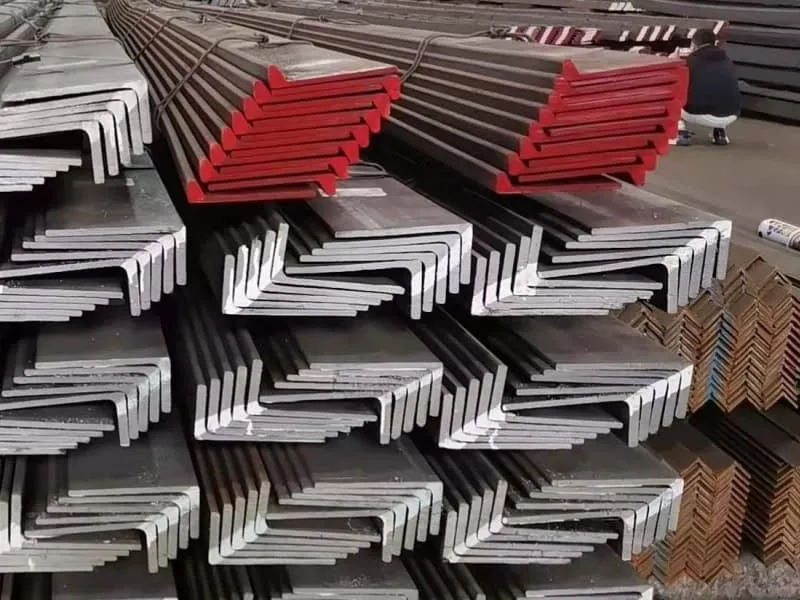
Pre-Production Checkpoint
This is the first checkpoint. Before the mill starts rolling your steel, you want to confirm:
- The raw steel billets are from an approved source
- The chemical composition matches the order
- The production schedule is set
Some buyers skip this. They think it is too early. But this is when you can stop a big problem. If the mill uses the wrong billet, you cannot fix it later.
In-Process and Pre-Shipment Checkpoint
This is where third-party inspection comes in. SGS or another company can visit the mill while the steel is being made. They can take samples. They can test the dimensions.
I put this in every agreement I make with clients:
- The buyer can choose an inspection company
- The inspection happens at the mill before loading
- The steel does not ship until the report comes back clear
This protects both sides. The buyer gets confidence. The supplier gets proof that the steel was good when it left.
Arrival Checkpoint
This one is on the buyer. When the steel arrives, check it. Do not let it sit at the port for weeks. Open a few bundles. Look at the surface. Check the markings. If something looks wrong, document it right away.
Here is a simple table I use with my clients:
| Checkpoint | Who Does It | What to Check | What to Do If It Fails |
|---|---|---|---|
| Pre-production | Supplier or third party | Raw billet source, chemistry | Stop production. Confirm replacement billet |
| During rolling | Third-party inspector | Dimensions, straightness, surface | Mark defective pieces. Separate them |
| Before loading | Third-party inspector | Final inspection, packing, marking | Do not load. Fix before shipping |
| At arrival | Buyer or local surveyor | Quantity, surface damage, certificate match | Take photos. Notify supplier immediately |
What Happens When Steel Fails?
This part needs to be in your agreement. Do not leave it for later.
I write it clearly:
- If the steel fails third-party inspection before shipment, the supplier replaces it at no cost
- If the steel fails after arrival because of hidden defects, the supplier replaces it or refunds the cost
Not every supplier will agree to this. But the ones who trust their quality will. And if they do not agree, that tells you something too.
How to build long-term partnerships1 that ensure priority and flexibility?
I have worked with some buyers for years. They do not shop around for the lowest price every time. They call me when they have a project. I give them a fair price. I make sure their steel goes out on time. And when they need something urgent, I move things around to help them.
Long-term partnerships give you priority when supply is tight and flexibility when your plans change. You get these benefits by being consistent with your orders, paying on time, and treating your supplier like a partner instead of a vendor.
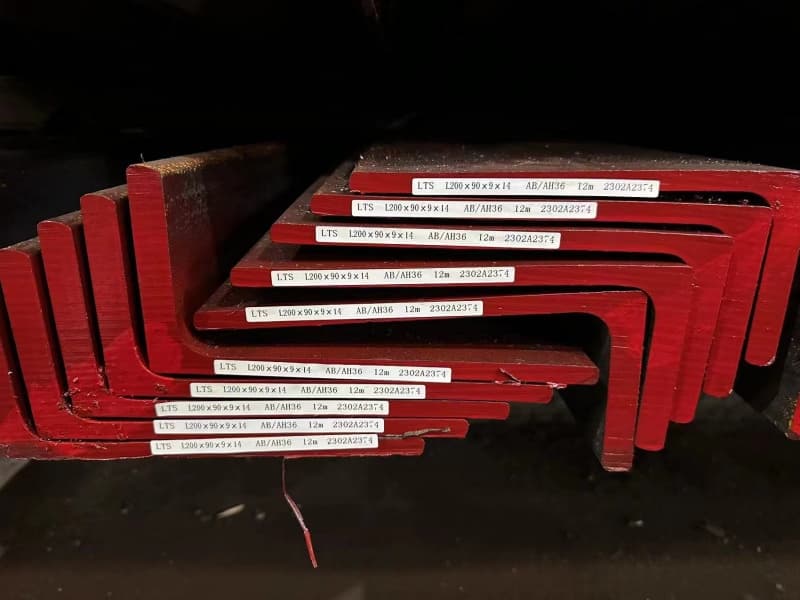
The Consistency Advantage
I have a client in Pakistan who orders the same three sizes of L-shaped steel every quarter. He does not ask for a new price every time. He trusts us to give him a fair rate.
Because he is consistent, I can plan our mill schedule around his orders. The mill gives me better production slots. I can tell him exactly when his steel will be ready.
If you order randomly, you get random results. If you order with a pattern, your supplier can plan for you.
Payment Discipline
This one is simple. Pay on time. Do not hold payments to get leverage. A supplier who knows you pay when you say you will will treat you differently.
I have seen buyers negotiate hard on price, then pay late. That is a short-term win. But the next time they need steel, the supplier puts them at the back of the line.
When you pay on time, your supplier will do things for you that are not in the contract. They will rush your order when you need it. They will hold prices for you when the market goes up.
Share Your Plans
I like it when clients tell me what they are working on. They say, "I have a project coming in six months. It will need these sizes. Can you hold capacity for me?"
When I know their plans, I can hold mill slots. I can buy billets ahead of time. I can give them better prices because I am not paying rush fees.
If you keep your supplier in the dark, they cannot help you. If you share your plans2, they become part of your team.
The Gulf Metal Solutions Example
This is how it worked with our client in Saudi Arabia. They started with one order of marine steel plate. They liked the quality. They liked the response time. They told us they planned to order more.
Now they are ordering L-shaped steel and bulb flat steel from us. They do not shop around. They know we will take care of them. And when they had a last-minute change to their order, we were able to adjust because we had built that flexibility into our schedule.
Conclusion
Managing marine L-shaped steel suppliers is about trust, clear rules, and consistent behavior. Check their qualifications. Set clear communication. Build quality checkpoints. Treat them like long-term partners. Do these things, and your steel will arrive on time and on spec.