
Your shipyard has a new contract. The material list includes hundreds of tons of bulb flat steel. You have purchased it before, but every project is different. One mistake in specification, certification, or delivery timing can stall your entire production line. You need a system. You need a checklist. This is that checklist.
A bulb flat steel purchasing checklist for shipyards should cover five critical areas: 1) Technical specification (size, standard, grade). 2) Certification requirements (classification society, MTC). 3) Supplier qualification (mill source, track record). 4) Quality assurance (inspection, testing). 5) Logistics (delivery schedule, packaging). Following this checklist ensures you receive the right material, on time, with the right documentation.
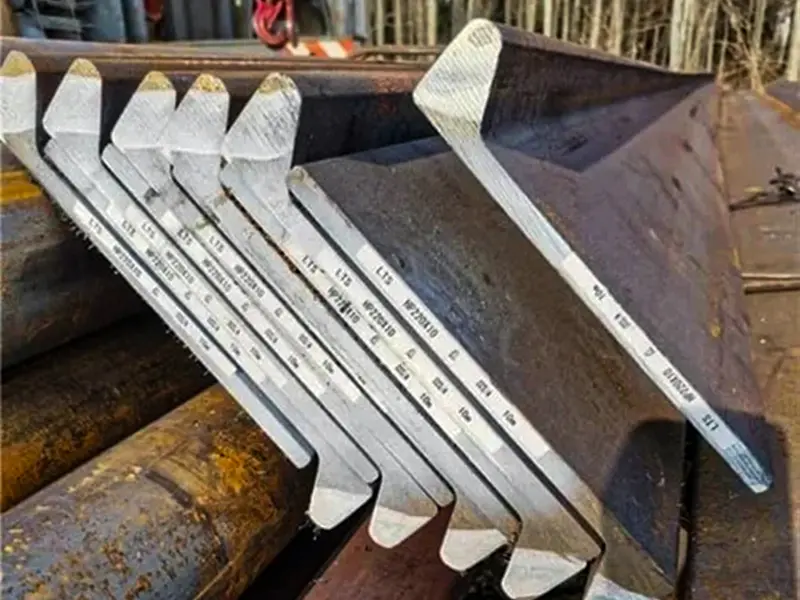
A checklist is only useful if you understand each item on it. The questions your team asks about bulb flats reveal where mistakes can happen. Let’s go through the most common questions and turn them into checklist items.
What is a bulb flat1?
You are training a new procurement assistant. They see "bulb flat1" on the material list and ask, "What is that?" If they cannot visualize the product, they cannot order it correctly. Every person involved in procurement must have a clear mental image of the product. This is the first item on any checklist: product definition.
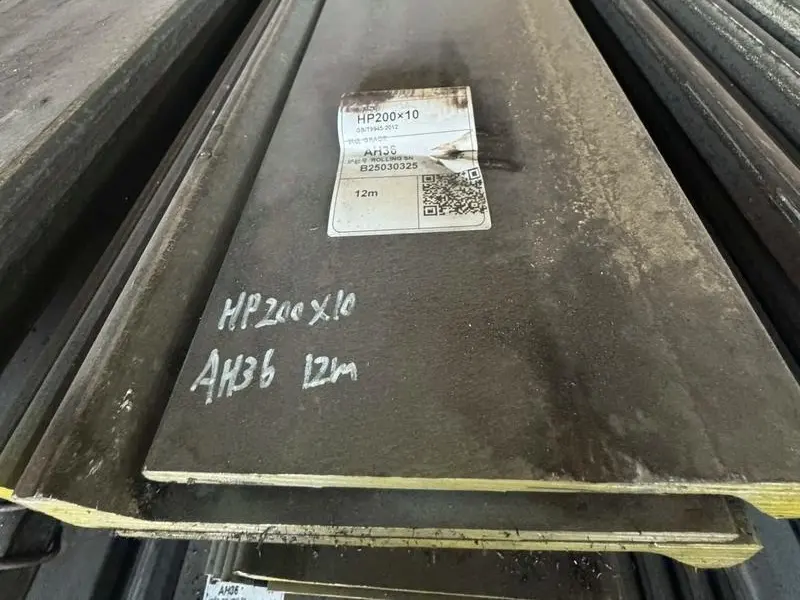
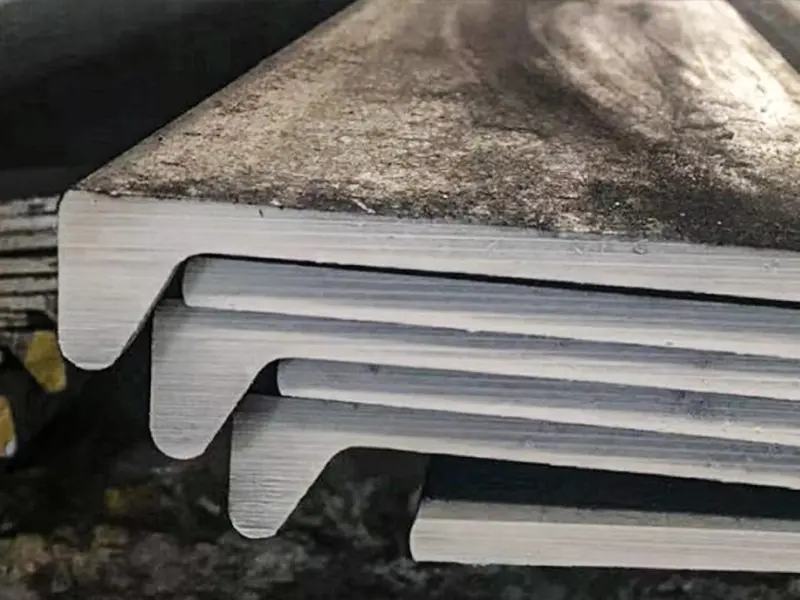
A bulb flat1 is a hot-rolled steel profile2 with a flat web and a rounded bulb on one edge. It is specified by its web height and thickness (e.g., 300x12mm). The bulb adds stiffness without adding excess weight. It is used primarily as a stiffener on ship hulls, decks, and bulkheads. It is a specialized marine product, not a general-purpose steel section.
Checklist Item 1: Product Definition and Visualization
Before you order, ensure your team understands the product.
1. What to Check on Your Spec.
- Is it clearly labeled as "Bulb Flat"? Avoid ambiguous terms like "bulb plate" or just "flat bar."
- Is the size format correct? Bulb flats are specified as "HP [web height] x [thickness]" (e.g., HP 300×12) or "FB [height]x[thickness]" (e.g., FB 300×12). The first number is the web height, the second is the thickness.
- Is the standard referenced? The material should conform to a recognized standard like EN 100673, JIS G 3192, or GB/T 9946. This standard defines the exact dimensions and tolerances.
2. What to Check on the Supplier’s Quote.
- Does the quote include a clear product description? It should match your specification exactly.
- Does the supplier understand the product? If they ask clarifying questions, that is a good sign. If they quote without questions, be cautious.
- Can they provide a dimensional sketch4 or data sheet? A reliable supplier can provide the section properties and dimensions from the relevant standard.
3. Internal Training Point.
- Visual Aid: Keep a picture or a sample of a bulb flat1 in your procurement office. Everyone should know what it looks like.
- Key Differentiator: Teach your team the difference between a bulb flat1 and a flat bar. A flat bar has no bulb and is much less efficient as a stiffener.
My Insight from the Field
A new buyer at a shipyard in Vietnam once asked me, "Is a bulb flat1 the same as a flat bar?" I sent him a side-by-side photo. He was surprised. He had been ordering "flat bars" for stiffeners, thinking they were the same. The structural engineers had been accepting them, but the ship was heavier than designed. After that, they updated their material codes and training. Now, their procurement team can identify a bulb flat1 on sight. This simple visual knowledge saved them from a major design error on their next project.
What is the use of bulb bar1?
You have the product defined. Now you need to know where it goes. Understanding the use of bulb bar1s helps you prioritize orders, plan deliveries, and explain to your team why this material is critical. If you know it is for the bottom hull, you know it is needed first. If you know it is for a deckhouse, it can come later.
A bulb bar1 (bulb flat) is used as a stiffener2. It is welded perpendicularly to steel plates to prevent them from buckling under load. In a ship, it is used on the bottom shell, side shell, decks, and bulkheads. Its function is to create a grid of reinforcement that allows the hull plates to be thinner and lighter while maintaining strength against water pressure and cargo loads.
Checklist Item 2: Application and Prioritization
Knowing the use helps you build a delivery schedule3 that matches the shipyard’s construction sequence4.
1. Map the Material to the Construction Blocks.
Ships are built in blocks or sections. Each block has different material requirements.
- Bottom Blocks: These are built first and require the largest bulb flats (e.g., 300×12, 350×14). These should be your first order and first delivery.
- Side Shell Blocks: Built next. They may use medium-sized bulb flats (e.g., 250×10, 280×11).
- Deck Blocks: Built in parallel or after. They may use similar sizes to side shell.
- Bulkhead Blocks: Built throughout the process. Their material can be delivered in phases.
2. Create a Delivery Schedule Based on Use.
- Step 1: Get the shipyard’s block erection schedule from the planning department.
- Step 2: For each block, list the bulb flat sizes and quantities required.
- Step 3: Group orders by required delivery date. The material for Block 1 must arrive first.
- Step 4: Share this schedule with your supplier. A good supplier can align their production and shipping to meet your dates.
3. Communicate the Criticality.
- Internal: Tell your team why the bottom shell material is urgent. It is on the critical path.
- External: Tell your supplier the same. They need to know which items are "must-have" and which have schedule flexibility.
My Insight from the Field
A shipyard in the Philippines once ordered all their bulb flats for a whole vessel in one shipment. The material arrived, but they had no space to store it. It sat in the yard for months, rusting and taking up space. Their cash flow was tied up in inventory they did not need yet. We worked with them on their next project to create a phased delivery plan. They ordered the bottom shell material first, then the side shell, then the deck. They saved storage space, improved cash flow, and the material arrived just as each block was ready. This is the power of linking procurement to construction sequence4.
What are the different types of flat steel?
Your material list includes "flat steel." This term is too broad. It could mean plate, sheet, flat bar, or bulb flat. If you order "flat steel" without specifying the type, you will get the wrong product. Your checklist must include a step to verify that you are ordering the correct type of flat product for the application.
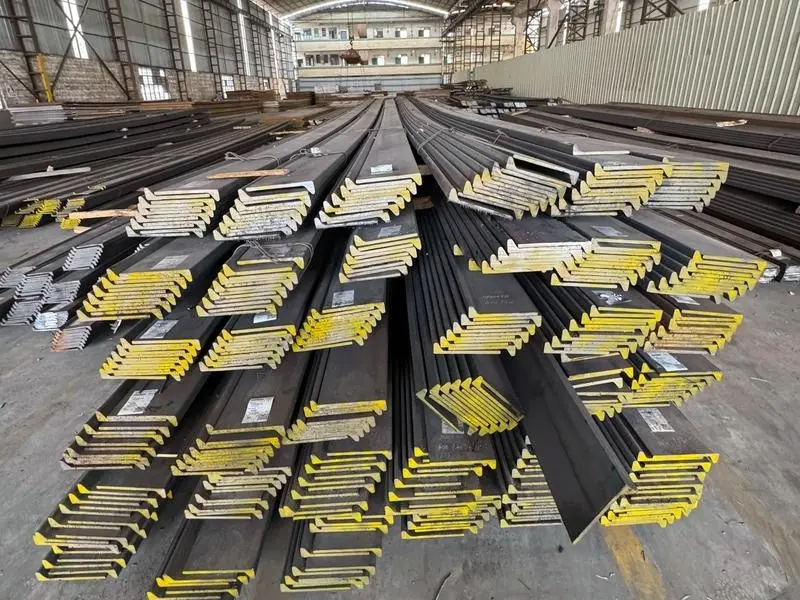
Flat steel is a broad category that includes several distinct products. The main types are: 1) Steel Plate1 (thick, wide, for primary structure). 2) Steel Sheet/Coil2 (thin, for panels and cladding). 3) Flat Bar3 (narrow, rectangular, for brackets and framing). 4) Bulb Flat4 (specialized profile for stiffening). Each type has different applications, production methods, and certification requirements.
Checklist Item 3: Verify the Correct Flat Steel Type
This step prevents the most common ordering errors.
| 1. Distinguish Between the Types. | Product Type | Typical Width | Typical Thickness | Primary Use | Key Feature |
|---|---|---|---|---|---|
| Steel Plate1 | >600mm | >3mm | Hull, deck, bulkhead structure | Wide, thick, primary load-bearing. | |
| Steel Sheet | >600mm | <3mm | Paneling, cladding, non-structural | Thin, can be coiled. | |
| Flat Bar3 | 10-150mm | 3-50mm | Brackets, frames, local stiffeners | Narrow, rectangular cross-section. | |
| Bulb Flat4 | Web height 80-400mm | 6-20mm | Hull and deck stiffeners | Has a bulb on one edge for stiffness. |
2. Checklist Questions for Each Order5.
- For Bulb Flat4: Is it clearly specified as bulb flat? Does it have a bulb? (Check the drawing or standard.)
- For Plate: Is the width sufficient for the application? Is it plate, not sheet?
- For Flat Bar3: Is it a simple rectangle? Is it for a non-stiffener application?
- If Unsure: Ask. "Is this intended to be a stiffener? If so, you need bulb flat, not flat bar."
3. The Cost of Confusion6.
Ordering the wrong type is expensive.
- If you order flat bar instead of bulb flat, you receive a product with much lower stiffness. You will need to use a heavier section, adding weight and cost.
- If you order sheet instead of plate, you receive material too thin for structural loads.
- If you order plate instead of bulb flat, you have to cut it into strips and weld them, which is labor-intensive and creates a less efficient stiffener.
My Insight from the Field
A fabricator in Malaysia once sent us an order for "Flat Steel, 300×12, AH36, 100 tons." We asked: "Do you mean flat bar (narrow strips) or bulb flat (profile with a bulb)?" They replied, "Bulb flat." Their original order, if fulfilled as written, would have delivered 100 tons of 300mm wide flat bar strips, which they would have had to cut and weld into stiffeners. The waste and labor would have been enormous. Our question saved them from a costly mistake. Now, "Flat Steel" is a banned term in their procurement system. They must specify "Plate," "Flat Bar3," or "Bulb Flat4."
What is a bulb plate?
You see this term in an old specification or a subcontractor's quote. "Bulb plate." It sounds like it might be what you need. But it is an ambiguous term. Using it in your purchasing documents invites errors. Your checklist must include a rule: eliminate ambiguous terminology.
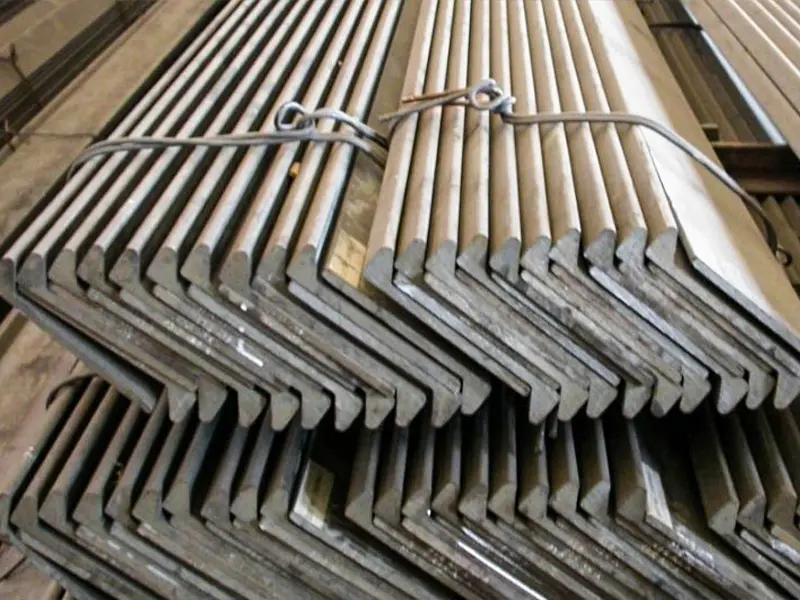
"Bulb plate" is an ambiguous and outdated term that should not be used in modern procurement. It most likely refers to a bulb flat1 (the stiffener profile). However, it could be misinterpreted as a plate with a bulbous shape. To ensure clarity, your purchasing documents must use the precise term "bulb flat1" and include the relevant standard reference.
%[avoid bulb plate terminology use bulb flat](https://cnmarinesteel.com/wp-content/uploads/2026/01/Flat-steel-ball106.webp "Avoid Bulb Plate Terminology")
Checklist Item 4: Terminology Control
This is a simple but powerful step to prevent errors.
1. Create a "Banned Terms" List.
Include terms that are ambiguous and should never be used in your procurement system.
- Banned: Bulb plate.
- Banned: Flat steel (without specification).
- Banned: L-shaped steel (use angle or L-section).
- Banned: Ship steel (use specific grade).
2. Create a "Preferred Terms" List.
Define the terms you will use.
- Preferred: Bulb flat (or bulb bar).
- Preferred: Steel plate.
- Preferred: Flat bar.
- Preferred: Marine angle steel (with grade).
3. Train Your Team and Suppliers.
- Internal Training: Every person who writes a purchase order or specification must know the banned and preferred terms.
- Supplier Communication: Include your preferred terminology in your supplier manual or in the terms and conditions of your purchase orders. Ask suppliers to use these terms in their quotes and shipping documents.
- Quote Review: When you receive a quote, check it against your terminology list. If a supplier uses a banned term, ask for clarification and correction. Their response tells you something about their attention to detail.
4. The Power of a Glossary.
For large projects, create a material glossary2 as part of the project specifications. Include:
- The preferred term.
- A brief definition.
- A diagram (if helpful).
- The relevant standard.
- The banned term (if any).
Distribute this glossary to all stakeholders: your team, your client, your subcontractors, and your suppliers. It becomes the single source of truth for terminology.
My Insight from the Field
A major EPC contractor in the Middle East had a project where the client's specification used the term "bulb plate." The contractor's procurement team, knowing this was ambiguous, created a formal Request for Information (RFI)3 to the client. They asked, "Please confirm that 'bulb plate' refers to bulb flat1 stiffener profiles per EN 10067." The client confirmed yes. The contractor then added a note to their procurement documents: "Bulb flat (per EN 10067) – referred to as 'bulb plate' in client spec." This simple step prevented confusion among the multiple subcontractors bidding on the job. It showed that a good procurement team manages terminology proactively, not reactively.
Conclusion
A comprehensive bulb flat purchasing checklist protects your shipyard from errors. It covers product definition, application, type verification, and terminology control. Use it on every order to ensure quality, timeliness, and project success.
-
Understanding the term 'bulb flat' is crucial for accurate procurement and avoiding costly errors. ↩ ↩ ↩ ↩ ↩ ↩ ↩ ↩ ↩ ↩ ↩ ↩ ↩ ↩ ↩
-
A material glossary serves as a vital reference for all stakeholders, ensuring everyone is on the same page. ↩ ↩ ↩ ↩
-
An RFI is essential for clarifying ambiguous terms and ensuring accurate specifications in procurement. ↩ ↩ ↩ ↩ ↩ ↩ ↩
-
Find out how Bulb Flat profiles are used for stiffening in marine and structural applications, ensuring efficiency. ↩ ↩ ↩ ↩ ↩ ↩ ↩
-
This resource will guide you through essential questions to avoid costly mistakes in flat steel orders. ↩
-
Understanding the financial implications of ordering errors can save you from significant losses in your projects. ↩