
leading paragraph:
You found a supplier with a low price. But when the steel arrives, it fails the inspection. Now your project is delayed.
snippet paragraph:
The most common quality issues in marine L-shaped steel supply are dimensional deviations, surface defects like cracks or laminations, and problems with material certification and traceability. These issues can lead to project delays, failed inspections, and safety risks in shipbuilding.
Transition Paragraph:
I have been in this business for over a decade. I have seen these problems happen again and again to buyers who only focus on the price. So let me walk you through the most common problems. I will also show you how to spot them before they cost you time and money.
What Are the Most Common Quality Issues Found in Marine L-Shaped Steel?
leading paragraph:
You are buying steel for a critical project. But you are not sure what could go wrong. The risks are real and they can hit your bottom line.
snippet paragraph:
The three most common quality issues are dimensional inaccuracies1, surface defects2, and missing or fraudulent material certificates. These problems are the top reasons for rejection during third-party inspections like SGS.

The Three Main Problem Areas
In my work with clients from Saudi Arabia to Vietnam, I see these three issues come up time and time again. They are not just minor problems. They can make the steel unusable for its intended purpose.
1. Dimensional Deviations
This is when the steel’s physical size does not match the specifications. For L-shaped steel, this means the leg length, thickness, or the angle between the legs is wrong. A small deviation here can cause big problems during welding and assembly. It can create stress points in the ship’s structure.
2. Surface Defects
The surface of marine steel must be clean and sound. Defects like cracks, deep scratches, or laminations (layers within the steel that are not bonded) are a serious concern. These flaws can start as small issues but grow into structural failures under the stress of the ocean.
3. Certification and Traceability Gaps
Every piece of marine steel should come with a mill certificate. This is its birth certificate. It tells you the chemical makeup and mechanical properties. When this paper is missing, fake, or does not match the steel’s markings, you have a huge problem. Classification societies like DNV or ABS will not accept it. This is a non-negotiable point for any serious project.
Why Do Dimensional Deviations Happen—and How to Spot Them?
leading paragraph:
The steel order is placed. The price was good. But when you measure the L-shaped steel, the angle is off. How did this happen?
snippet paragraph:
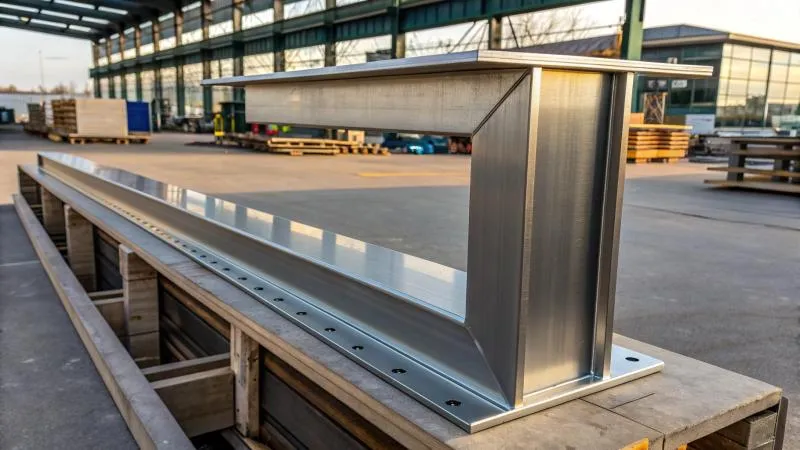
Dimensional deviations1 happen due to worn-out rolling mills2, improper cooling, or a lack of strict quality control at the factory. You can spot them by using calibrated tools3 like calipers and goniometers to check the leg length, thickness, and angle against the order sheet.
The Roots of the Problem
I once had a client from the Philippines. He was frustrated. He bought L-shaped steel from a trader who offered a very low price. When the steel arrived, his team had to spend days measuring each piece. They found that the 90-degree angle varied by up to 3 degrees on some pieces. This is a nightmare for a fabrication shop. They had to rework everything.
So, why does this happen? It comes down to the mill’s equipment and processes.
- Worn-Out Rolling Mills: Steel is shaped by passing it through rollers. Over time, these rollers wear down. If a mill does not maintain or replace them regularly, the final product will not meet the required dimensions.
- Improper Cooling: Steel shrinks as it cools. If the cooling process is not controlled, the steel can twist or warp, changing its final shape and dimensions.
- Lack of In-Process Inspection: Some small mills do not have a system to check the steel during production. They only check at the very end. By then, they have already made a whole batch of defective steel.
How to Protect Yourself
Here is what I tell my clients to do. You do not need to be a steel expert to catch these problems.
| Inspection Step | What to Do | Why It Matters |
|---|---|---|
| Check the Mill Certificate | Before shipment, ask for the mill certificate4. Compare the stated dimensions with your order. | This is your first filter. It tells you what the mill claims to have made. |
| Use a Caliper | Measure the leg length and thickness at several points on a few random pieces. | A caliper is simple to use. It will immediately show you if the steel is under or over the specified size. |
| Check the Angle | Use a goniometer or a simple protractor to verify the angle between the legs is exactly 90 degrees (or the specified angle). | This is a common hidden defect. A wrong angle will cause misalignment during welding. |
| Hire a Third Party | For large orders, pay for an SGS or similar inspection at the mill before the steel is loaded. | This gives you an unbiased report. It puts the pressure on the supplier to fix any issues before shipment. |
What Surface Defects Should You Never Accept?
leading paragraph:
The steel looks fine from a distance. But when you get closer, you see lines and small cracks1. Should you just paint over them?
snippet paragraph:
You should never accept cracks, laminations2, deep seams3, or severe pitting4. These are not just cosmetic flaws. They are structural defects that can lead to failure in the harsh marine environment.
A Lesson from a Project in Qatar
A few years ago, a contractor in Qatar reached out to me. He was in a tough spot. He had received a shipment of marine steel for a coastal project. The surface looked okay at first. But when his team started to cut and weld, they found strange lines on the cut edges. They were laminations. The steel was delaminating from the inside.
This is a critical failure. Laminations mean the steel was not properly rolled. The internal layers did not fuse. Under the stress of welding or ocean waves, these layers can separate. The contractor had to scrap the entire batch. He lost weeks of work and a lot of money.
Defects That Are Deal-Breakers
Not all surface imperfections are the same. Some, like light surface rust from storage, can be cleaned. But others are a hard "no." Let me list the ones that should make you stop the work immediately.
- Cracks: These are the most serious. They can be tiny (hairline cracks) or large and visible. Cracks are a direct path for corrosion and a starting point for structural failure.
- Laminations: You might not see them on the surface. They appear as separations or layers on the cut edge. They are a manufacturing defect that cannot be fixed.
- Deep Seams or Scabs: Seams are long, open lines on the surface. Scabs are rough, overlapping pieces of metal. They indicate a problem in the casting or rolling process.
- Severe Pitting: Pitting is deep, small holes caused by corrosion. While surface rust is easy to remove, deep pitting has already eaten away the metal, making the piece thinner and weaker.
My advice is simple. Do not try to "fix" these defects in your workshop. It is not your job. Reject the material. A reliable supplier will take it back and replace it. This is why working with a supplier who supports third-party inspection is so important. It protects you from these costly mistakes.
How to Avoid Material Certification and Traceability Issues?
leading paragraph:
You have the certificate in your hand. It looks official. But can you trust it? The truth is, not all certificates are real.
snippet paragraph:
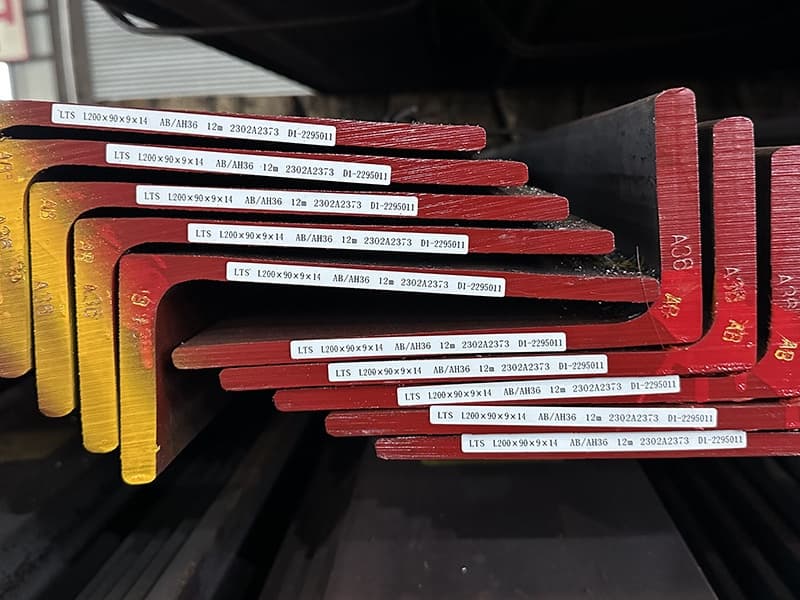
To avoid certification issues, you must ensure the mill certificate1 is original, matches the heat number2 stamped on the steel, and comes from a mill approved by a classification society3 like ABS, DNV, or LR. Never accept a generic "certificate of compliance4."
The Paper Trail: Why It Matters
Let me share a story about Gulf Metal Solutions, a client in Saudi Arabia. Before they found us, they had a bad experience with another supplier. The supplier provided a certificate of analysis. But when Gulf Metal Solutions tried to trace the steel back to the mill, they hit a dead end. The heat number on the steel did not match the heat number on the certificate. This was a major red flag.
For a distributor like Gulf Metal Solutions, this is a disaster. They cannot sell steel without proper traceability. Their own clients, the shipyards, will not accept it. In the end, they had to reject the whole order. They lost their initial payment and their delivery schedule was ruined.
Your Action Plan for Certification
I have learned that you need to treat the certificate as a key part of the product. Here is my process for staying safe.
1. Verify the Mill Source
The certificate should be from a steel mill that is approved by the major classification societies (like DNV, ABS, LR, etc.). If the mill is not on the approved list, the certificate is worthless for marine applications.
2. Check for the Heat Number
Every piece of steel has a heat number stamped on it. This number must be exactly the same as the one on the certificate. This is the only way to link the physical steel to its test results. I always tell my clients to check this first.
3. Demand the Original
Some suppliers will try to give you a "certificate of compliance." This is a generic letter that says the steel "meets" a standard. This is not acceptable. You need the actual mill test report (MTR)5. It contains the specific chemical and mechanical test results for that exact batch of steel.
4. Use a Digital Verification System
Many modern mills now have online portals or QR codes on their certificates. You can scan them to verify the document is real and has not been altered. If your supplier does not offer this, it is a good reason to be cautious.
How We Do Things Differently
At CN Marine Steel, we have seen the frustration that these issues cause. This is why we have a clear system. We only work with mills that have long-term, approved status with classification societies. When we send steel to a client like Gulf Metal Solutions, we provide the original mill certificates before we ship. We also stamp the heat number clearly on every bundle. This ensures that when the steel arrives in Dammam or Ho Chi Minh City, the client can immediately match the paper to the product. This builds trust and makes the whole process smooth.
Conclusion
Quality issues in marine steel are not just annoying. They can stop your project and hurt your reputation. Focus on the dimensions, inspect the surface, and always, always verify the certificate.
-
Understanding mill certificates is crucial for ensuring the authenticity of steel products and avoiding costly mistakes. ↩ ↩ ↩ ↩
-
Verifying the heat number is essential for traceability and ensuring the steel meets required standards. ↩ ↩ ↩ ↩
-
Explore the importance of classification societies in ensuring the quality and safety of steel products. ↩ ↩ ↩
-
Learn why a certificate of compliance may not be sufficient and what to look for instead. ↩ ↩ ↩
-
Understanding MTRs is vital for ensuring the steel’s compliance with specifications and standards. ↩