
Leading paragraph:
Are you losing sleep over volatile steel prices and unreliable supply? The bulb flat steel market is changing fast, and your business could be at risk. Let’s cut through the noise and look at the real data for 2025 and 2026.
Snippet paragraph:
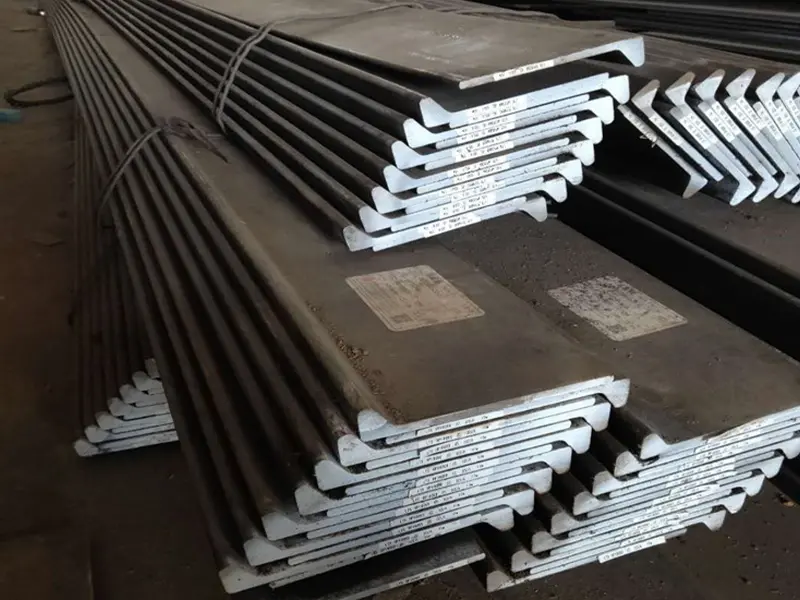
The global trade of bulb flat steel is forecast to grow modestly in 2025, driven by sustained shipbuilding in Asia. Market trends point towards tighter supply and higher logistics costs. The 2026 outlook anticipates stable demand but with increased competition from regional mills. The trade outlook suggests a focus on resilient, cost-efficient supply chains.
Transition Paragraph:
These forecasts are not just numbers. They directly impact your procurement costs and project timelines. In the next sections, I will break down each key question. I will share not only the data but also practical insights from my daily work with global buyers like you. This will help you make smarter decisions.
What is the global trade forecast for 2025?
Are your shipping costs eating into your profits? Delays and price hikes are a real threat next year. Understanding the trade flow is your first step to building a stronger supply chain.
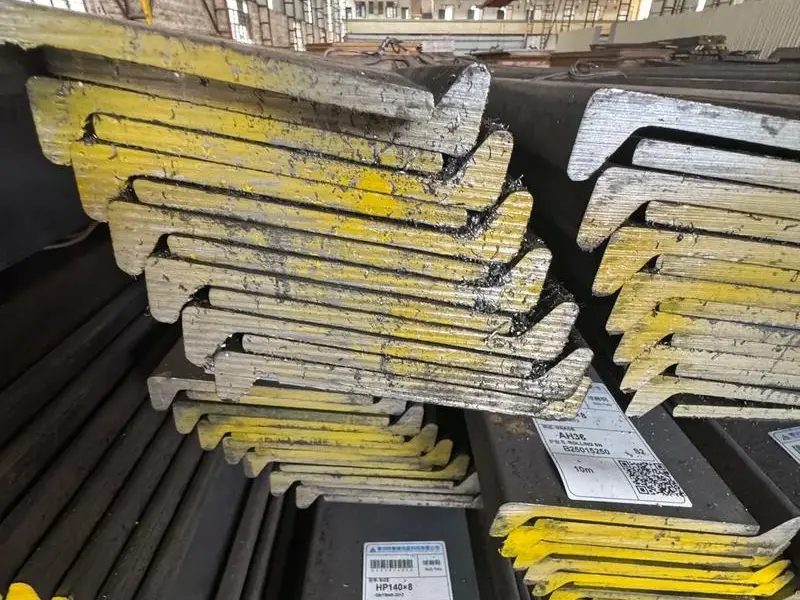
The global trade volume for bulb flat steel1 is expected to increase by 3-4% in 2025. This growth is primarily fueled by new shipbuilding orders in Vietnam, China, and South Korea. However, trade routes may face disruptions, pushing buyers to secure contracts earlier.
Analyzing the 2025 Trade Drivers and Challenges
The 3-4% growth figure is a consensus, but the story behind it is more complex. We need to look at the push and pull factors shaping this forecast.
On the demand side, the shipbuilding industry2 remains the main engine. Countries like Vietnam and the Philippines are aggressively expanding their national fleets. This creates a steady demand for marine-grade steel3, including bulb flats. At the same time, infrastructure projects in the Middle East, particularly in Saudi Arabia and Qatar, are using more specialized steel for port constructions and offshore platforms. These projects often have strict timelines, making reliable delivery as important as price.
On the supply side, the situation is tighter. Major producing mills in East Asia are running at high capacity. This limits their flexibility to respond to sudden spikes in demand. Furthermore, global logistics are still recovering from past disruptions. Shipping costs from Asia to key markets like the Middle East and Europe are expected to remain volatile. Port congestion could return if demand surges unexpectedly.
From my experience talking to buyers, this creates a clear strategy for 2025. You cannot wait until the last minute to order. The traditional "just-in-time" model is risky. Smart importers are now planning their Q3 and Q4 needs in Q1. They are building stronger relationships with fewer, more reliable suppliers. They are also willing to discuss flexible MOQ terms to secure allocation in a tight market. I recently worked with a buyer in Saudi Arabia, Gulf Metal Solutions, who shifted to this model. By locking in a quarterly schedule with us early, they avoided the mid-year price peak and ensured their shipyard project stayed on track. The forecast is not just about volume; it’s about timing and partnership.
Here is a simple breakdown of the key factors:
| Factor | Impact on 2025 Trade | Implication for Buyers |
|---|---|---|
| Shipbuilding Demand | Strong growth in Southeast Asia and East Asia. | Prioritize suppliers with direct mill access for consistent quality. |
| Logistics Costs | High and unpredictable, especially on Asia-Middle East routes. | Factor freight costs into total cost early. Consider CIF terms for stability. |
| Mill Capacity4 | Running at near-peak levels in major producing regions. | Place orders further in advance to secure production slots. |
| Regional Policies | Subsidies for local shipbuilding in some countries may affect import patterns. | Stay informed about destination country regulations to avoid customs issues. |
What are the global market trends in 2025?
Is your current supplier keeping up with industry changes? Falling behind on trends means higher costs and lower quality for you. The 2025 market is defined by three major shifts.
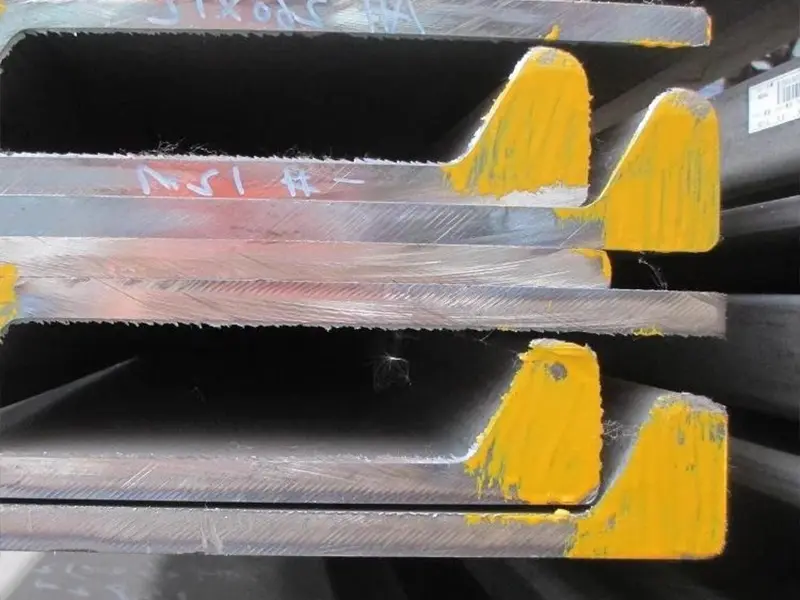
The key market trends for 2025 include a strong move towards supply chain regionalization1, a major focus on sustainable "green steel2" production, and the widespread adoption of digital tools for procurement and quality tracking.
Decoding the Top Trends: Regionalization, Green Steel, and Digitalization
Let’s take a closer look at these three trends. They are not separate; they are connected and will change how you do business.
First, supply chain regionalization1. This is a direct response to the logistics nightmares of recent years. Large project contractors and shipyards are no longer relying solely on distant suppliers. They are building networks with trusted partners in neighboring regions. For example, a shipbuilder in Vietnam might still source from China, but they will prioritize suppliers in Northern China (like our base in Shandong) over Southern mills for faster sea freight. The trend is about reducing risk, not just cost. It means evaluating suppliers not only on price per ton but on total lead time and reliability.
Second, the rise of green steel2. This is a huge topic. End-clients, especially in Europe and for international projects, are starting to demand steel with a lower carbon footprint. Mills are investing in new technologies like electric arc furnaces (EAFs) using scrap metal. For you as a buyer, this trend has two impacts. First, it may create a premium segment for certified green steel2. Second, and more immediately, all mills are under pressure to report their environmental data. Your future suppliers must be able to provide basic carbon emission data for their products. This is becoming a new standard in requests for quotation (RFQs).
Third, digitalization of procurement3. The days of endless emails and PDF spec sheets are fading. Forward-thinking suppliers now offer digital platforms for order tracking, document access (like mill test certificates), and even real-time production updates. This trend saves you time and reduces errors. It brings transparency to the process. At our company, we provide a simple online portal for our key clients. They can see their order status, download inspection reports, and track shipments. This level of service is becoming a key differentiator. It solves a major pain point I hear about: the lack of communication from suppliers. As one of our clients said, clear communication is sometimes more valuable than a small price discount.
What is the global market outlook for 20261?
Are you planning your 2026 projects based on old assumptions? The market fundamentals are shifting. A clear outlook will help you budget and negotiate better.
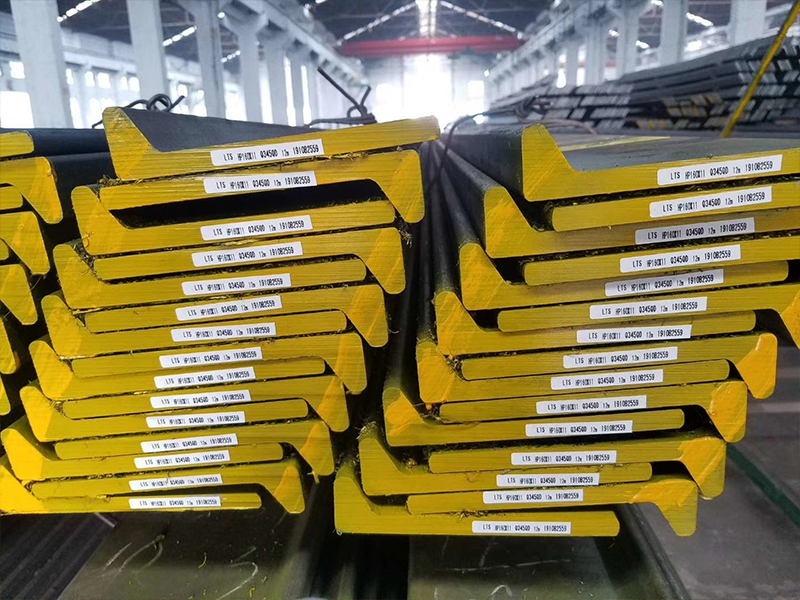
The global market outlook for 20261 is for steady demand growth, but with increased competition. Supply is expected to catch up with demand as new mill capacities come online, potentially easing price pressures but raising the bar on quality and service.
2026: A Market of Balance and Heightened Competition
Looking ahead to 2026, the word is "balance." The intense supply tightness of 2024-20252 is expected to moderate. Several new production lines for specialized sections, including bulb flats, are scheduled to start operations in Asia and the Middle East by late 2025. This will increase the total available supply in the market.
However, this does not mean a simple return to a buyer’s market. The competition will change form. Price competition will remain, but it will be matched by competition on other fronts. Quality standards will be non-negotiable. Mills and exporters who cannot guarantee consistent chemical composition and mechanical properties will lose out. Service competition will intensify. Buyers will expect more: faster technical support, better packaging to prevent transit damage, and seamless after-sales service.
Another critical factor for 2026 is inventory strategy3. With more supply available, some buyers might be tempted to hold lower inventories. This could be a mistake. While you may not need to order 6 months in advance, maintaining a strategic buffer of critical grades will still be wise. The market may be more balanced, but localized disruptions (like mill maintenance or regional logistics issues) can still happen. A partner who can support you with flexible MOQ and fast restocking will be a major asset.
For businesses like ours, the 2026 outlook reinforces our model. Our long-term cooperation with certified mills gives us stable access to quality material. Our location in Liaocheng, Shandong, offers logistical advantages for both domestic shipping and export. The trend towards higher service standards plays to our strength—our dedicated English-speaking sales reps and support for SGS inspection are exactly what sophisticated buyers demand. The market is moving towards value-based partnerships, not just transaction-based purchasing.
What is the trade outlook for 2026?
Worried about new tariffs or trade rules disrupting your flow of materials? The 2026 trade landscape requires proactive planning, not passive reaction.
The trade outlook for 2026 suggests a focus on stable, bilateral agreements and a rise in "friend-shoring1." Trade flows will become more strategic, with countries and large buyers preferring partners in politically and economically aligned regions. This may benefit established trade corridors.
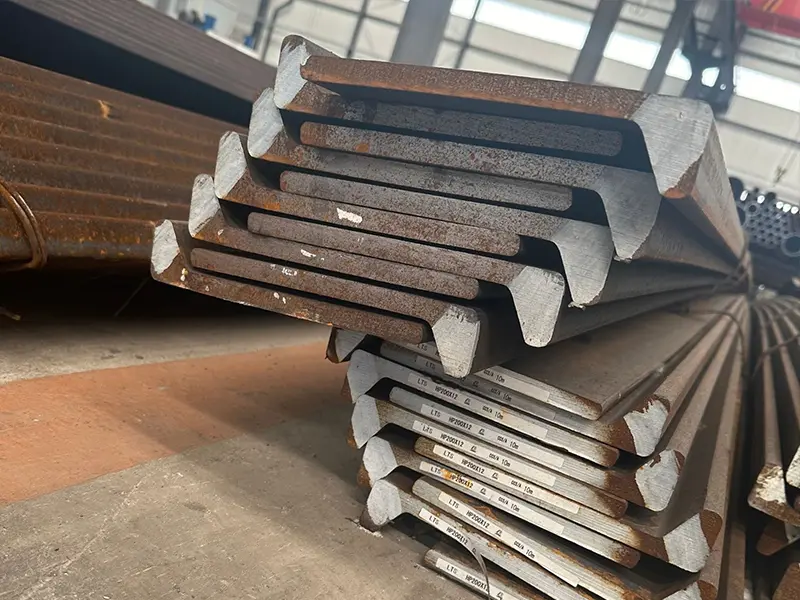
Navigating the New Trade Landscape: Agreements, Routes, and Compliance
The trade outlook is less about pure economics and more about geopolitics and risk management. The concept of "friend-shoring1" will become more visible in 2026. This means countries and large corporations will favor supply chains that run through nations with shared political interests and stable trade relations. For the bulb flat steel trade, this could strengthen existing corridors like China-Southeast Asia and China-Middle East, where strong economic ties are already in place.
We also expect to see more bilateral trade agreements2 that include specific provisions for industrial materials. These agreements can simplify customs procedures and reduce tariffs. As a buyer, it’s worth checking if your country has any such agreements with major steel-producing nations. Using a supplier familiar with these agreements can help you clear customs faster and avoid unexpected duties.
Logistically, 2026 should see improved stability compared to the past few years. Major shipping lines have adjusted their schedules and fleet deployments. However, the risk is now concentrated on specific chokepoints. Events in key canals or straits can still cause immediate delays. Therefore, a diversified shipping strategy is wise. A good supplier should be able to offer routing options. For instance, we can ship to Dammam port via different transshipment hubs, giving us and our clients flexibility if one route faces congestion.
Finally, compliance will be a bigger part of trade. This goes beyond quality inspection. It includes documentation of origin, environmental compliance certificates (linked to the green steel trend), and adherence to sanctions lists. The administrative burden is increasing. Your supplier must have a competent export team that handles this correctly. An error in documentation can hold your shipment at port for weeks, costing you far more than any price difference. In my view, the trade outlook for 2026 demands that you choose suppliers who are not just sellers of steel, but knowledgeable trade partners.
Conclusion
The next two years will reward prepared buyers. Focus on building resilient partnerships, prioritize total value over just price, and stay informed on sustainability and digital trends.
-
Understanding friend-shoring can help you navigate future trade relationships and optimize your supply chain. ↩ ↩ ↩ ↩ ↩ ↩ ↩
-
Exploring bilateral trade agreements can reveal opportunities for reduced tariffs and smoother customs processes. ↩ ↩ ↩ ↩ ↩ ↩
-
Learn about effective inventory strategies to navigate the anticipated market changes and avoid potential pitfalls. ↩ ↩ ↩
-
Understand the relationship between mill capacity and market dynamics to make informed purchasing decisions. ↩