
You are ready to order steel for a shipbuilding project. You have the technical drawings. You have the budget. But your client asks one critical question: "Is the steel approved by a Classification Society?" If you cannot answer yes, the project stops. This simple question determines everything. It is the gatekeeper of safety, quality, and market access in the maritime world.
Classification Societies are independent organizations that set and enforce technical standards for ships and offshore structures. They impact steel selection by certifying which steel grades, production processes, and suppliers meet their strict rules. Using uncertified steel can lead to rejected ships, insurance voids, and safety failures.
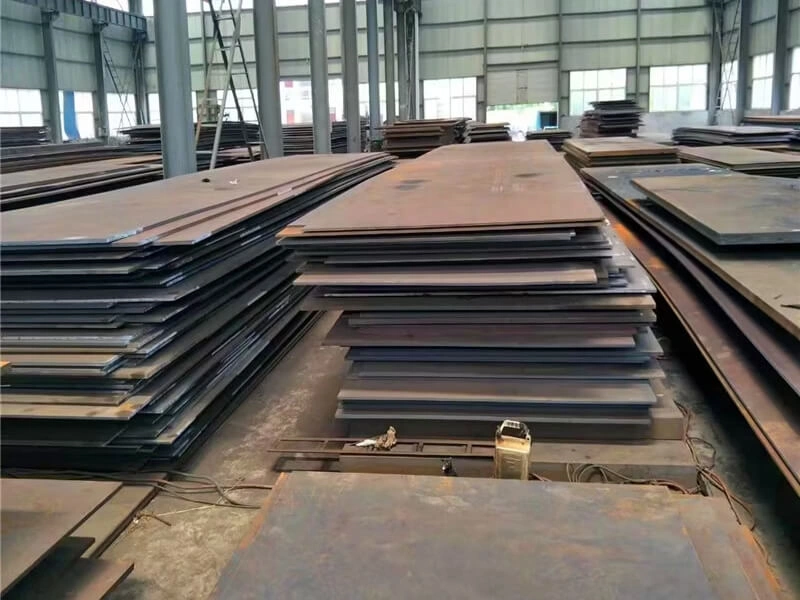
This system might seem like a bureaucratic hurdle. But for professionals like us in the marine steel supply chain, it is the foundation of trust. Understanding this system is not optional; it is essential for successful project execution. Let’s break down why these societies hold so much power and how their rules directly shape the steel that flows from mills to shipyards around the globe.
Why are Classification Societies1 important?
Imagine building a massive structure that must withstand ocean storms, carry valuable cargo, and protect human lives for decades. Now, imagine there are no universal rules for the materials used. The result would be chaos, danger, and financial disaster. This is the void that Classification Societies1 fill. They are not government bodies. They are independent technical authorities. Their importance comes from their role as the universal rule-makers and quality verifiers for the maritime industry.
Classification Societies are vital because they establish unified safety and construction standards for ships. They provide independent oversight, certify materials and components, and issue class certificates. These certificates are mandatory for obtaining marine insurance and port entry permissions worldwide.
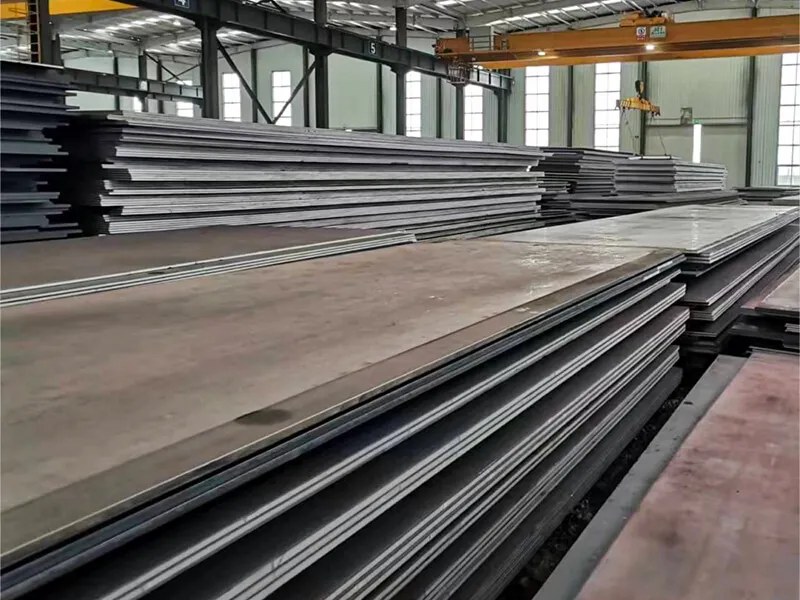
Their importance stretches across every stage of a vessel’s life. To truly grasp their role, we need to look at the key functions they perform from the very beginning to the end.
The Three Pillars of Classification Society Authority
The power of Classification Societies1 rests on three interconnected pillars. These pillars create a system where compliance is not just about good practice; it is a commercial and legal necessity.
1. Rule-Making and Standard Setting
Classification Societies1 write the rulebooks. These are not suggestions; they are detailed technical specifications. For steel, the rules cover everything:
- The chemical composition (amounts of carbon, manganese, silicon, etc.).
- The mechanical properties (yield strength, tensile strength, impact toughness at certain temperatures).
- The permissible production methods (e.g., thermo-mechanical control process).
- The required testing procedures (tensile tests, Charpy V-notch tests).
- The marking, documentation, and traceability requirements.
Societies like ABS (American Bureau of Shipping), LR (Lloyd’s Register), DNV (Det Norske Veritas), and NK (Nippon Kaiji Kyokai) each publish their own rules. While the core principles are similar, there are specific differences. A mill must be approved by each society to produce steel under its "class." When a client like Gulf Metal Solutions in Saudi Arabia asks for "ABS-grade AH36 plate," they are invoking this specific rulebook.
2. Independent Verification and Surveying
Rules on paper mean nothing without enforcement. Societies employ surveyors—highly trained marine engineers and metallurgists. Their job is to verify compliance. This happens in two main ways:
- Mill Approval and Certification: Surveyors visit steel mills. They audit the factory’s quality management system2. They witness production and testing processes. If the mill meets the society’s standards, it receives a formal approval certificate. This certificate allows the mill to produce and stamp steel with the society’s mark (e.g., the ABS stamp). We only partner with mills that hold these active certifications from major societies. This is the first and most critical filter in our supply chain.
- Project-Specific Inspection: For a specific shipbuilding project, a class surveyor will be assigned to the shipyard. They will check the steel delivery notes and mill certificates. They may witness material tests at the yard. They approve the steel before it is cut and welded.
3. Certification and Global Recognition
The final output is the Class Certificate. This document is a passport for the ship. Without a valid class certificate from a recognized society like IACS members, a ship faces severe problems:
- No Insurance: Marine insurers (underwriters like those at Lloyd’s of London) will not insure an unclassed ship. The risk is too high.
- Port State Control Detention: Port authorities around the world inspect visiting ships. An expired or invalid class certificate is a major deficiency. It can lead to the ship being detained until the issue is fixed. This causes huge delays and costs.
- No Commercial Credibility: Charterers and cargo owners will not hire or use a ship that is not in class. It is a sign of unreliability and potential risk.
For a steel supplier, this system defines our business. We cannot simply offer "good steel." We must offer "class-approved steel with full traceable certification." When Gulf Metal Solutions emphasized their need for SGS or third-party inspection support, it was an extension of this principle. They needed an extra layer of verification to assure their own clients and the eventual class surveyor that the material was exactly as specified. The Classification Society is the ultimate quality anchor in a globalized industry.
What is the main purpose of steel classifications1?
Steel classification might sound like a technical detail for engineers. But its purpose is profoundly practical and economic. Think of it as a common language. A shipowner in Greece, a shipyard in South Korea, an insurer in London, and a steel mill in China all need to talk about the same material with absolute clarity. Steel classifications create this common language. They ensure that the term "AH36" means exactly the same set of properties everywhere in the world.
The main purpose of steel classifications is to guarantee material reliability and interoperability in shipbuilding. They standardize the definitions of steel grades based on mechanical strength, chemical composition, and intended service conditions (like temperature). This allows for safe design, predictable performance, and global sourcing.
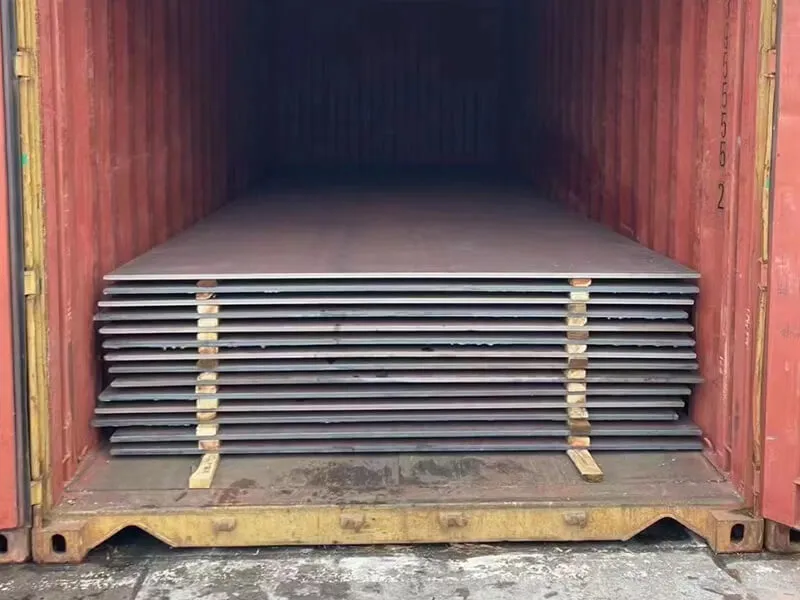
This standardization solves several major problems that would otherwise plague the industry. Let’s explore the specific purposes these classifications serve.
More Than Just a Grade: The Multifaceted Purpose of Classification
Steel classifications serve as a comprehensive toolkit for the maritime industry. They address needs related to safety, design, procurement, and liability.
1. To Enable Accurate and Safe Structural Design
Naval architects design ships using specific assumptions about material strength. They need to know the yield strength2 and tensile strength of the steel to calculate plate thickness, frame spacing, and overall hull strength. The classification system provides these guaranteed minimum values.
- A designer specifying "Grade A" steel knows it has a yield strength2 of at least 235 MPa.
- A designer specifying "AH36" knows it has a yield strength2 of at least 355 MPa.
This certainty allows them to design lighter, stronger, and more efficient ships confidently. Using unclassified steel would force designers to add large safety margins, making ships heavier and less efficient.
2. To Define Performance in Specific Environments
Not all ship steel is the same because not all ship environments are the same. Classifications define grades for special purposes:
- Grades for Low-Temperature Service: Ships operating in Arctic waters or carrying liquefied gases need steel that remains tough (does not become brittle) in extreme cold. Grades with suffixes like ‘L’ (e.g., AH36L) guarantee impact toughness at temperatures as low as -60°C.
- Grades for Higher Strength: The ‘H’ in AH36 stands for "High Strength." The ‘E’ in EH40 stands for "Extra High Strength." These classifications allow designers to choose the right material for different parts of the ship, optimizing weight and cost.
- Grades for Corrosion Resistance: Some classifications, like ASTM A690 for marine atmosphere service, define steels with better resistance to saltwater corrosion.
3. To Facilitate Global Procurement and Quality Assurance
This is where the purpose hits home for suppliers and buyers. The classification is a precise purchasing specification.
- For Buyers (like Gulf Metal Solutions): They can issue a purchase order for "100 tons of EN 10025 S355G2+N, certified by Lloyd’s Register." This single line tells the supplier exactly what to deliver. It also tells their own client and the class surveyor what to expect.
- For Suppliers (like us): We receive this order. We source the material from a mill that is LR-approved for that exact grade. The mill provides the LR-approved test certificate. We provide this certificate to the buyer. The entire transaction is based on a trusted, third-party standard.
4. To Establish a Chain of Responsibility and Traceability
The classification system creates a clear paper trail. The mill certificate traces the steel back to the specific heat (batch) it came from. The certificate lists the chemical and mechanical test results. This traceability3 is crucial. If a problem is found with a welded joint or a plate years later, investigators can trace it back to the source batch. This protects all parties by clarifying where in the chain a potential failure occurred. Our support for third-party inspection adds another link of verification to this chain, giving buyers like our Saudi partner even greater confidence.
What are the classification of steel grades?
When you look at a marine steel plate, you will see stamped markings. These markings tell a story. They are not random. They follow a strict classification system that communicates the steel’s identity and capabilities at a glance. Understanding this "alphabet soup" of letters and numbers is key to selecting the right material, avoiding costly mistakes, and speaking the language of shipyards and class surveyors.
Marine steel grades are classified primarily by their minimum yield strength1 (e.g., 235, 355, 390 MPa) and by alphanumeric codes that indicate strength level, quality, and intended service temperature. Common systems include the IACS Unified Requirements2, ASTM standards3, and EN standards4, often prefixed by a Class Society approval mark.
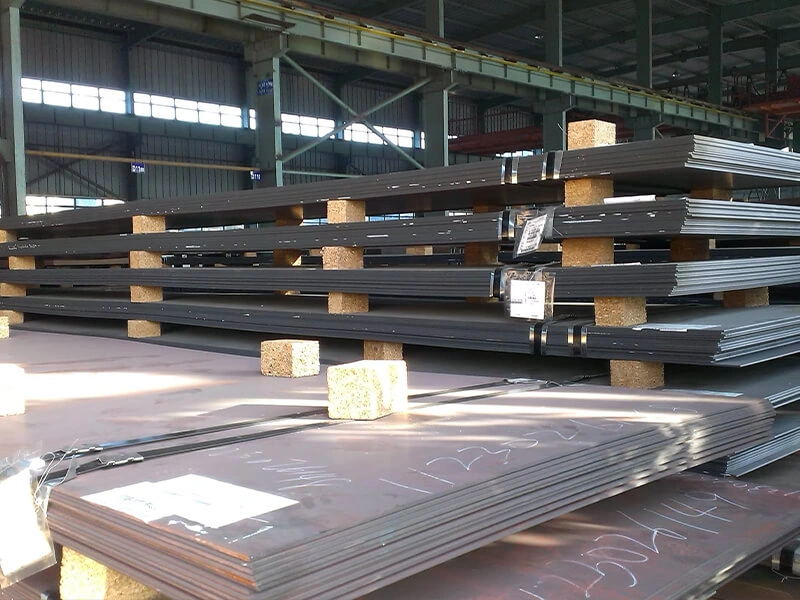
The classification can seem complex because multiple systems exist. However, they all aim to convey the same core information. Let’s decode the main categories and naming conventions.
Decoding the Language of Marine Steel Grades
We can break down steel grade classifications into two main layers: the strength/application category and the naming convention.
Layer 1: The Strength and Application Categories
Marine steels are grouped based on their key performance characteristic. The table below shows the most common categories.
| Category | Key Identifying Feature | Typical Use Case | Example Grade(s) |
|---|---|---|---|
| Ordinary Strength | Minimum Yield Strength ~235 MPa. Good general weldability and toughness. | Non-critical structural parts of inland waterway vessels or smaller crafts. | Grade A, Grade B (Per IACS) |
| High Strength | Minimum Yield Strength ~315-390 MPa. The ‘H’ in the grade usually denotes this. | Main hull structures of most seagoing ships (bulk carriers, tankers, containers). Allows for weight reduction. | AH32, AH36, DH36 |
| Extra High Strength | Minimum Yield Strength ~390-460 MPa or higher. The ‘E’ or ‘F’ in the grade denotes this. | Critical, highly stressed areas like the keel, sheer strake, or large openings. For maximum lightweight design. | EH40, FH46 |
| Low-Temperature Grade | Guaranteed impact toughness5 (resistance to brittle fracture) at specified sub-zero temperatures. | Ships for Arctic service, LNG carrier containment systems, offshore structures in cold regions. | AH36L, EH40L, FH47L |
| Corrosion Resistant | Alloyed (e.g., with copper, chromium, nickel) to resist atmospheric or splash zone corrosion. | Upper decks, ballast tanks, areas with high corrosion risk. Can reduce maintenance. | ASTM A690, COR-TEN B |
Layer 2: Understanding the Grade Name (The Code)
Let’s dissect a common grade: ABS Grade AH36L.
- ABS: This is the Classification Society6 that has approved the steel and its production. It means the steel is manufactured according to ABS rules.
- A: This first letter often denotes the strength level. ‘A’ is for the first level of high strength. Some systems use ‘A’ for ordinary strength. The context (and the following ‘H’) clarifies it.
- H: This stands for "High Strength." This is the key differentiator from ordinary strength steel.
- 36: This number indicates the minimum yield strength1 in kgf/mm². 36 kgf/mm² is approximately equal to 355 MPa (or 355 N/mm²), which is the actual yield strength guarantee.
- L: This suffix stands for "Low Temperature." It signifies that the steel has been tested and certified to have adequate impact toughness5 at a low temperature (typically -40°C or -60°C, depending on the rule).
Another example from a different system: EN 10025 S355G2+M.
- EN 10025: This is the European standard number.
- S355: ‘S’ stands for "Structural steel," and ‘355’ is the minimum yield strength1 in MPa.
- G2: This indicates the impact toughness5 grade (the temperature at which it is tested, e.g., -20°C for G2).
- +M: This indicates the delivery condition, in this case, "Thermomechanically rolled."
For a buyer or project manager, specifying the correct, complete grade is the most important step. A request for "AH36" is not the same as "AH36L." One is for general service, the other is for cold environments. Using the wrong one can fail class approval. Our job as a supplier is to understand these nuances perfectly. When we receive an inquiry, we always confirm the exact grade and the required class society approval. This precision prevents errors and builds the trust that partners like Gulf Metal Solutions value so highly.
What are the roles and responsibilities of Classification Societies1?
We have established that Classification Societies1 are important rule-makers. But their job does not end with publishing a book of standards. They have active, ongoing roles and legal responsibilities throughout the entire lifecycle of a marine asset. They act as technical judges, continuous auditors, and risk mitigators. Their responsibilities create a framework of accountability that protects lives, property, and the marine environment.
The roles of Classification Societies include setting technical rules, surveying ships and materials during construction, issuing class certificates, and conducting periodic surveys throughout a ship’s operational life to ensure ongoing compliance. Their core responsibility is to provide independent assurance of structural and mechanical fitness for purpose.
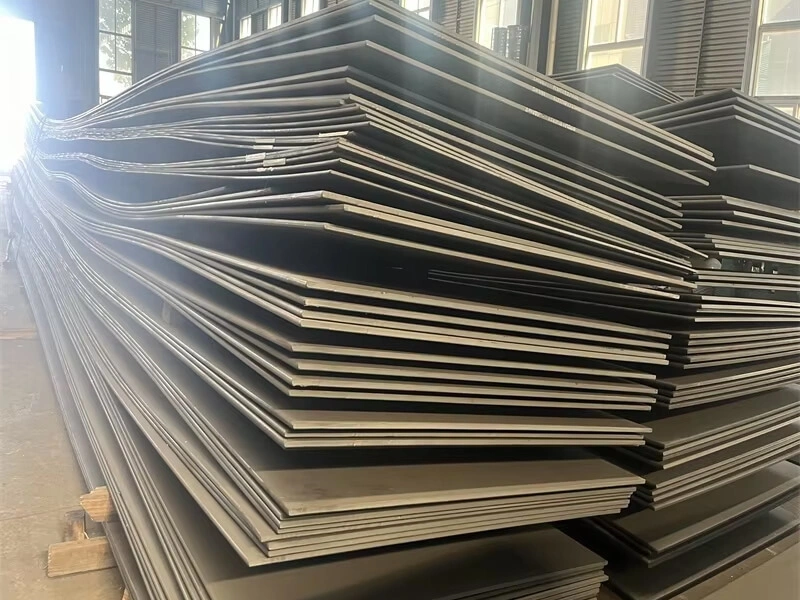
Their work is divided into clear phases, each with specific tasks and deliverables. Understanding this full spectrum is crucial for anyone involved in a long-term maritime project.
The Lifecycle Guardians: From Plan Approval to Recycling
The responsibility of a Classification Society spans from the first design sketches to the final dismantling of a ship. We can map their key roles and responsibilities across four major phases.
Phase 1: The Design and Construction Phase (The Foundation)
This is where steel selection is directly governed. The society’s responsibilities are deep and hands-on.
- Plan Approval: Naval architects submit detailed structural drawings and calculations to the society. Society engineers review them to ensure the design complies with their rules for strength, stability, and materials. They approve the use of specific steel grades in specific locations.
- Material Certification: As discussed, they approve mills and certify individual batches of steel, plates, sections (like bulb flats), and other critical components (propellers, engines). They maintain lists of approved manufacturers.
- Construction Survey2: Society surveyors are stationed at or regularly visit the shipyard. They witness key stages: keel laying, welding procedures, installation of the engine, etc. They check that the approved materials are being used correctly. They have the authority to halt work if they find non-compliance.
Phase 2: The Operational Life Phase (Continuous Vigilance)
A class certificate is not a one-time award. It requires constant renewal through a series of mandatory surveys. This is a core responsibility for ongoing safety.
- Annual Survey3: A general inspection of the ship’s condition, focusing on overall integrity.
- Intermediate Survey (2.5 years): More detailed than the annual survey.
- Special Survey (5 years): The most comprehensive inspection. The ship is thoroughly examined, often in dry dock. Steel thickness measurements are taken to check for corrosion and wear. Structural strength is reassessed. Based on this survey, the class certificate is renewed for another five years.
- Damage Assessment4: If a ship is involved in a collision, grounding, or fire, a class surveyor must assess the damage and approve the repair plan. They ensure repairs bring the ship back to its original class standards.
Phase 3: The Advisory and Innovation Role
Beyond enforcement, leading societies have a responsibility to advance the industry.
- Research and Development5: They invest in R&D for new materials (like new high-strength steels or composites), alternative fuels, and digital technologies.
- Publishing Guidance: They release guidelines on topics like corrosion control, welding best practices, and how to use new types of steel. These documents help shipowners and shipyards maintain their assets better.
- Setting Industry Trends: By updating their rules to include requirements for energy efficiency (like the EEDI/EEXI) or low-carbon steel, they actively push the industry towards innovation and sustainability.
Phase 4: Legal and Insurance Interface
This is a critical, though indirect, responsibility. Societies provide the technical basis for legal and financial frameworks.
- Interface with Flag States6: Many national maritime authorities (Flag States6) delegate ship inspections and certification to recognized Classification Societies1. This means the society is acting on behalf of the government.
- Interface with Insurers (Underwriters): Insurers rely entirely on the class certificate to assess the technical risk of a ship. A ship "in class" is considered a standard risk. A ship with a suspended or withdrawn class is uninsurable. The society’s ongoing surveys give insurers confidence.
- Limitation of Liability: It is important to know that Classification Societies1 generally limit their liability in their contracts. They provide an opinion on compliance with their rules; they do not guarantee that a ship will never have an accident. This is a key legal distinction.
For a steel supplier, our interaction is mostly with Phase 1. Our responsibility is to provide materials that seamlessly pass their material certification and construction survey checks. The fast response and clear documentation we provided to Gulf Metal Solutions were designed to make their interaction with the class surveyor at the project site smooth and problem-free. When a class surveyor is satisfied, the project moves forward. When they are not, everything stops. Understanding their roles helps us be proactive partners, not just commodity sellers.
Conclusion
Classification Societies are the silent partners in every maritime project. Their rules dictate the steel we use, and their approval unlocks insurance and global trade. For success in shipbuilding, respecting and understanding this system is not just good practice—it is the fundamental requirement.
-
Explore how Classification Societies ensure maritime safety and compliance through their various roles. ↩ ↩ ↩ ↩ ↩ ↩ ↩ ↩ ↩ ↩ ↩ ↩
-
Discover how Construction Surveys ensure that ships are built to safety standards and regulations. ↩ ↩ ↩ ↩ ↩ ↩
-
Find out the significance of Annual Surveys in maintaining ship integrity and safety. ↩ ↩ ↩
-
Learn about the critical role of damage assessments in ensuring ships are safe after incidents. ↩ ↩
-
Explore how Classification Societies contribute to innovation and advancements in maritime technology. ↩ ↩ ↩ ↩
-
Understand how Classification Societies work with Flag States to ensure compliance and safety. ↩ ↩ ↩