
Your shipyard runs out of steel. The next delivery is three weeks away. Production stops.
Chinese suppliers handle urgent orders by keeping strategic stock, using fast‑track communication, working closely with mills to prioritize production, and offering expedited logistics like express freight or container consolidation.
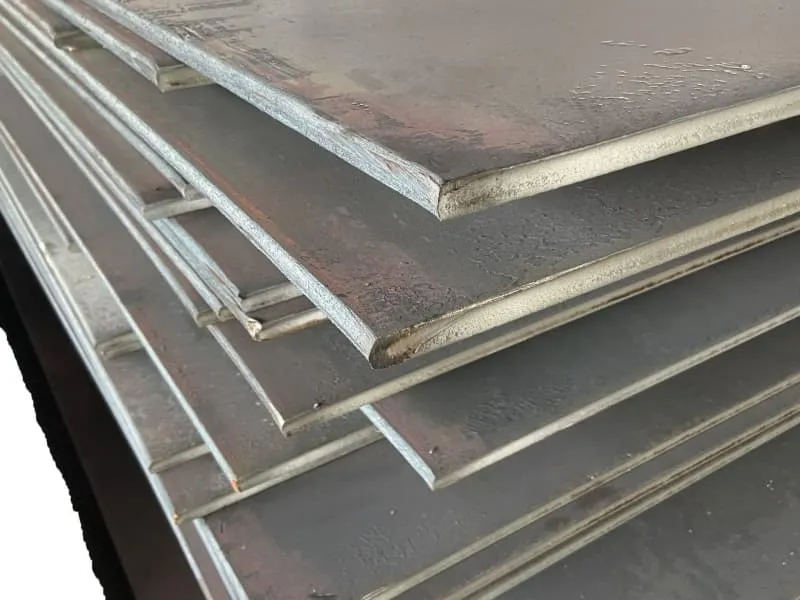
I have been on both sides of urgent orders. I have seen shipyards panic. I have also seen good suppliers step up and save the day. Over the years, I have built a system that allows me to respond to urgent requests within hours, not days. Let me walk you through exactly how top Chinese suppliers handle these situations. You will learn what to look for in a supplier when your schedule gets tight.
How Do Suppliers Maintain Strategic Stock for Common Sizes and Grades?
You place an urgent order. The supplier says "we need to produce it." That takes 30 days. Too slow.
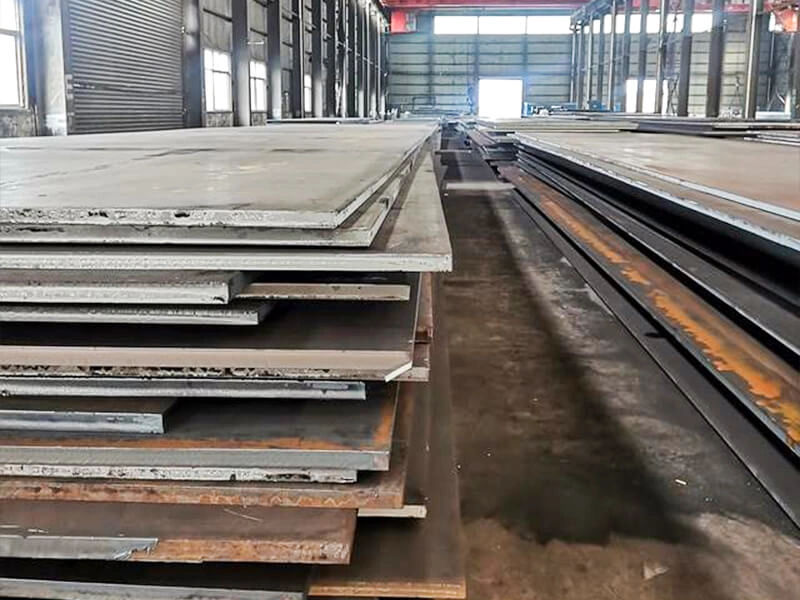
Smart suppliers keep strategic stock of the most common marine steel plate sizes1 and grades. They analyze past orders and predict what shipyards will need. This stock sits in their warehouse, ready to ship within 24‑48 hours.
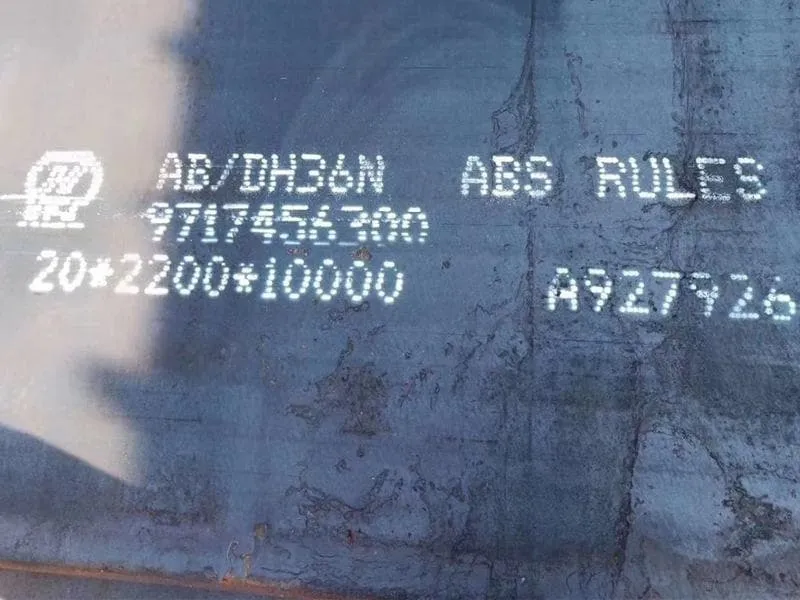
The stock that saves your project
I remember a shipyard in Vietnam. They ran out of 15mm AH36 plates for a hull section. Their regular supplier said 25 days. They called me. I had 80 tons of 15mm AH36 in my Liaocheng warehouse. I shipped within 3 days. They restarted production in one week. That is the power of strategic stock.
So let me explain how I and other top suppliers decide what to keep in stock.
First, the 80/20 rule for stock selection2. 20% of steel sizes make up 80% of shipyard demand. Those are the ones we stock.
| Size (mm) | Grade | Demand Frequency | Stock Level (tons) |
|---|---|---|---|
| 10 x 2000 x 6000 | AH36 | Very high | 200 |
| 12 x 2000 x 6000 | AH36 | Very high | 200 |
| 15 x 2000 x 6000 | AH36 | High | 150 |
| 20 x 2000 x 6000 | AH36 | Medium | 100 |
| 25 x 2000 x 6000 | AH36 | Medium | 80 |
| 30 x 2000 x 6000 | A | Low | 50 |
We monitor which sizes move fastest and adjust stock every month.
Second, how much stock is enough. For each size, I calculate:
Stock level = (Average monthly demand × 2 months) + Safety buffer
For 10mm AH36, average demand is 100 tons per month. So I keep 200 tons + 50 tons buffer = 250 tons. That covers most urgent requests.
Third, stock management systems3. Good suppliers use software to track stock levels and predict shortages. I use a simple spreadsheet that alerts me when a size drops below minimum. Then I reorder from my mill partner before I run out.
| Stock Alert Level | Action | Lead Time to Refill |
|---|---|---|
| Green (above 150% of target) | No action | – |
| Yellow (below 100% of target) | Plan reorder within 2 weeks | 20 days |
| Orange (below 70% of target) | Urgent reorder from mill | 15 days (expedited) |
| Red (below 40% of target) | Pull from other warehouse or mill partner | 7‑10 days |
Fourth, the cost of holding stock4. Some suppliers do not hold stock because it costs money. But shipyards pay a premium for urgent deliveries. That premium covers the stock holding cost.
Here is a typical cost breakdown for a supplier holding strategic stock:
| Cost Item | Annual Cost per 100 tons |
|---|---|
| Warehouse space | $1,500 |
| Insurance | $500 |
| Capital cost (interest on steel value) | $4,000 (at 5% of $80,000) |
| Handling and maintenance | $1,000 |
| Total | $7,000 |
That is about $70 per ton per year. For urgent orders, the supplier can charge an extra $50‑100 per ton. The math works.
What to ask your supplier about their stock
- Do you keep stock of common marine plate sizes?
- Can you provide a list of sizes and quantities you have right now?
- What is your fastest shipment time from stock to my port?
- Do you charge a premium for urgent stock orders5?
I answer all these questions immediately. A good supplier will too.
What Fast‑Track Communication and Approval Processes Enable Quick Order Confirmation?
You email a supplier. They reply after two days. You send a PO. They take three days to confirm. Your urgent order is not urgent anymore.
Fast‑track suppliers1 have dedicated sales reps available by phone or WhatsApp, pre‑approved pricing2 for common items, and digital PO processing3 that cuts approval time from days to hours.
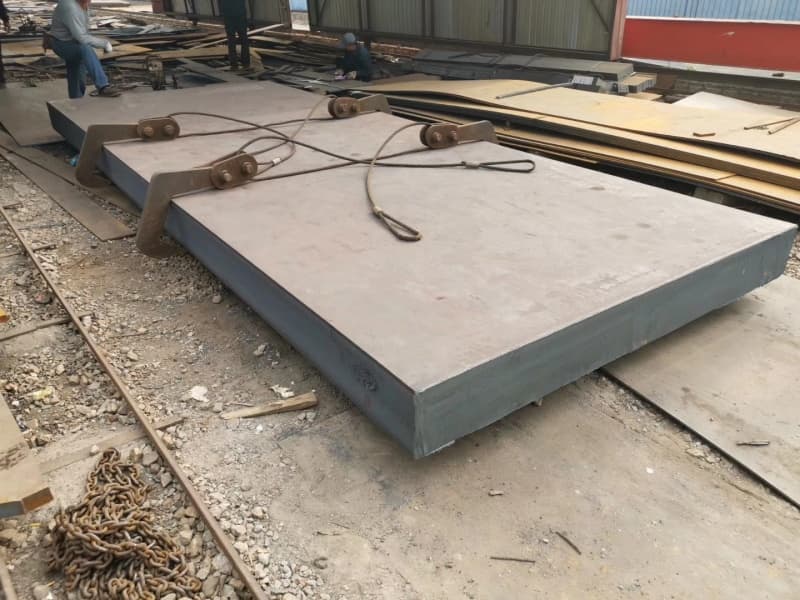
The 2‑hour rule that separates good from average
I had a client from Saudi Arabia. He needed 200 tons of plates in 10 days. He emailed six Chinese suppliers. Only one replied within 24 hours. That was me – I replied in 2 hours. The others took 2‑5 days. He gave me the order. That is the power of fast communication.
So let me show you what fast‑track communication looks like.
First, response time targets4. For urgent orders, I set these targets:
| Communication Type | Target Response Time | My Actual |
|---|---|---|
| Email inquiry (urgent marked) | Within 4 hours | Usually 1‑2 hours |
| WhatsApp or WeChat message | Within 1 hour | Within 30 minutes |
| Phone call (during business hours) | Immediate | Always answer |
| PO confirmation | Within 8 hours | 2‑4 hours |
Second, pre‑approved pricing for common items. I keep a price list for all stock sizes. When an urgent order comes, I do not need to check with the mill or calculate production cost. I quote immediately from my list.
Here is an example of my quick‑quote table for AH36 plates (FOB Qingdao):
| Thickness (mm) | Price per ton (stock) | Price per ton (mill production) |
|---|---|---|
| 10 | $680 | $660 (but slower) |
| 12 | $675 | $655 |
| 15 | $670 | $650 |
| 20 | $665 | $645 |
For urgent orders, I quote the stock price. No waiting.
Third, digital PO processing. I do not use paper POs or slow email chains. My system:
- Client sends PO by email or WhatsApp
- I check stock and confirm within 2 hours
- I send digital proforma invoice within 1 hour
- Client pays deposit by wire transfer (same day if needed)
- I release the order to warehouse within 1 hour of payment confirmation
Total time from inquiry to order confirmed: often under 6 hours.
Fourth, dedicated urgent order team5. I have one person on my team whose only job is to handle urgent requests. She does not manage regular orders. She does not attend meetings. She just watches the urgent inbox and phone. That is how we respond so fast.
What slows down most suppliers – and how to avoid it
| Slow Practice | Why It Happens | Fast Supplier Alternative |
|---|---|---|
| Sales rep checks with manager for every price | No pre‑approved pricing | Pre‑approved price list |
| PO sent by mail or fax | Old systems | Digital PO + e‑signature |
| Multiple approval layers | Bureaucracy | One decision maker |
| No after‑hours contact | 9‑5 mentality | Dedicated urgent line with WhatsApp |
I have removed all these bottlenecks. My clients know they can reach me anytime during working hours, and often after hours for true emergencies.
A checklist for urgent order readiness
- Does the supplier have a published response time for urgent inquiries?
- Can you get a price quote without waiting for mill confirmation?
- Is there a direct phone or WhatsApp number for urgent issues?
- Can they confirm a PO within one business day?
If the answer to any of these is no, find another supplier for your urgent needs.
How Do Suppliers Work with Mills to Prioritize Production for Urgent Shipments?
Stock is great. But sometimes the urgent size is not in stock. Then you need mill production1 – fast.
Top suppliers have long‑term relationships with mills2. They can request production priority3, reserve rolling slots, and even split a production run to get part of the order earlier.
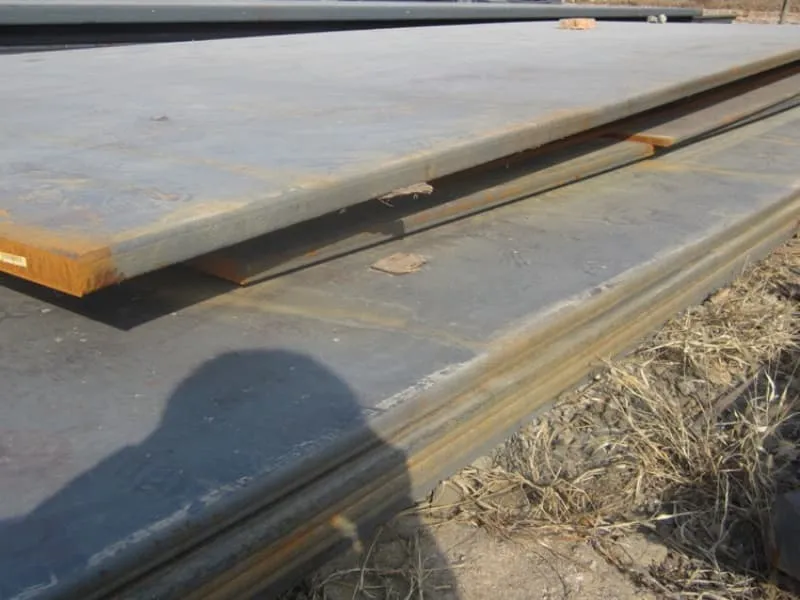
The mill relationship that makes the difference
I remember a client from Mexico. He needed 50 tons of a non‑stock size – 18mm AH36. No one had it in stock. I called my mill partner. I said: "I have a VIP client. Can you insert 50 tons into next week’s rolling schedule?" The mill said yes because we have a 5‑year contract. The steel was ready in 10 days instead of 25. The client got his project back on track.
So let me explain how mill priority works.
First, the types of mill relationships. Not all suppliers have the same access.
| Supplier Type | Mill Relationship | Ability to Get Priority |
|---|---|---|
| Spot buyer (no contract) | None – buys from whoever has stock | Very low |
| Annual contract (small volume) | Basic – gets regular production slots | Medium |
| Long‑term partner (large volume) | Strong – has reserved capacity | High |
| Mill subsidiary or exclusive agent | Direct – first priority | Very high |
I fall into the "long‑term partner" category. I have a yearly volume commitment with my mills. That gives me negotiation power.
Second, how I request priority for urgent orders. My process:
- Check my mill’s production schedule for the next 4 weeks
- Find a gap or a similar size that can be changed
- Call the mill production manager (dedicated contact)
- Offer a premium (usually 5‑10% extra) for the rush slot
- Confirm new delivery date in writing
Here is a typical timeline for an urgent mill order:
| Step | Normal Production | Urgent Priority |
|---|---|---|
| Order confirmation | 2 days | 4 hours |
| Mill scheduling | 5‑10 days | 1‑2 days |
| Steel rolling | 5‑7 days | 2‑3 days |
| Cooling and cutting | 3‑5 days | 2 days |
| Quality inspection | 2‑3 days | 1 day |
| Packaging | 2 days | 1 day |
| Total mill lead time | 20‑30 days | 7‑10 days |
Third, partial shipments for urgent needs. Sometimes you cannot get all the steel fast. A smart supplier will offer a partial shipment.
| Shipment | Quantity | Timing | Use For |
|---|---|---|---|
| First (expedited) | 20% of order | 7 days | Keep production moving |
| Second (normal) | 80% of order | 21 days | Rest of the project |
I have used this many times. The client gets enough steel to avoid stopping production. The rest arrives later.
Fourth, the premium for mill priority. Mills do not prioritize for free. Here is what I typically pay and charge:
| Rush Request | Mill Premium | Supplier Markup | Final to Client |
|---|---|---|---|
| Insert 50 tons into next week’s schedule | +8% | +5% | +13% |
| Halve normal lead time (30 to 15 days) | +10% | +5% | +15% |
| Produce non‑stock size urgently | +15% | +5% | +20% |
Is it worth paying 15‑20% more to get steel in 10 days instead of 30? For a stopped production line, yes. One day of downtime can cost $5,000‑$20,000.
What to ask your supplier about mill priority
- Do you have a long‑term contract with your mills?
- Can you request production priority for urgent orders?
- What is your typical lead time for an expedited mill order?
- What premium do you charge for rush production?
I am transparent about these costs. A good supplier should be too.
What Expedited Logistics Options Are Used to Meet Tight Deadlines?
Steel is ready at the mill. But the next vessel leaves in two weeks. Too slow.
Expedited logistics options1 include air freight2 for small urgent quantities, LCL (less than container load)3 with priority booking, dedicated trucking4 to a nearby port, and using multiple ports to catch the earliest sailing.
How to cut shipping time from 30 days to 10 days
I had a client from the Philippines. His steel was ready but the next regular vessel was 18 days away. He was desperate. I found a faster option: truck the steel from Liaocheng to Qingdao (1 day), book a premium LCL slot on a vessel leaving in 3 days (instead of 10 days for normal booking). The steel arrived in 8 days total. He paid an extra $200 per ton for the express service. But his project kept running.
So let me walk you through expedited logistics options.
First, the normal vs expedited timeline comparison.
| Stage | Normal Logistics | Expedited Option | Time Saved |
|---|---|---|---|
| Trucking to port | 2‑3 days (shared truck) | 1 day (dedicated truck) | 1‑2 days |
| Port waiting for vessel | 5‑15 days (next available) | 1‑5 days (priority booking) | 4‑10 days |
| Sea freight | 15‑30 days (normal liner) | 10‑20 days (faster line) | 5‑10 days |
| Customs clearance | 3‑7 days | 1‑3 days (priority) | 2‑4 days |
| Total | 25‑55 days | 13‑29 days | 12‑26 days saved |
Second, specific expedited options and their costs.
| Option | Best For | Typical Extra Cost | Time Saved |
|---|---|---|---|
| Dedicated truck (no LTL consolidation) | Urgent small orders (under 50 tons) | +$30‑50 per ton | 1‑2 days |
| Premium vessel booking (priority loading) | Medium orders that must catch a specific sailing | +$50‑100 per ton | 5‑10 days |
| Switch to faster shipping line (e.g., Maersk vs regional line) | Any urgent order | +$100‑200 per ton | 5‑15 days |
| LCL (less than container) instead of FCL | Small urgent orders (under 15 tons) | +$80‑150 per ton but lower total | Avoids waiting to fill a container |
| Air freight | Very small urgent (under 5 tons) | +$2,000‑4,000 per ton | 30‑50 days (air is 3‑5 days) |
| Multi‑port splitting | Large order, some urgently needed | +$50‑100 per ton on split portion | 5‑15 days for part of order |
Third, how I choose the right expedited option. I ask three questions:
- How urgent is it? (Production stopped? Or just buffer running low?)
- How much steel is needed urgently? (Full order or part?)
- What is the budget for expediting?
Then I make a recommendation. Here is a decision table:
| Urgency Level | Quantity Needed | Budget | Recommended Option |
|---|---|---|---|
| Extreme (production stopped) | Full order | High | Air freight for small orders; premium vessel + faster line for large |
| High (buffer below 3 days) | 20‑30% of order | Medium | Split shipment – expedite part by premium vessel |
| Moderate (buffer 1‑2 weeks) | Any | Low | Priority port handling + faster customs |
| Low (buffer 2+ weeks) | None | None | Normal logistics |
Fourth, a real example from my records.
Client in Qatar needed 300 tons of plates urgently. His production buffer was 5 days. Normal lead time from China was 35 days.
| Option | Cost per ton | Lead Time | Decision |
|---|---|---|---|
| Normal logistics | $700 | 35 days | Too slow |
| Rush mill + premium vessel | $850 | 18 days | Accepted – saved 17 days |
| Split: 100 tons express, 200 tons normal | $800 avg | 18 days (100t), 35 days (200t) | Alternative – 100t keeps production running |
The client chose the split option. He paid $800/ton average ($100 premium). He saved 17 days on 100 tons. His line never stopped.
Your expedited logistics checklist5
- Does the supplier have relationships with multiple freight forwarders and shipping lines?
- Can they provide expedited options with clear costs and time savings?
- Do they offer split shipments for partial urgent needs?
- Is there a dedicated logistics coordinator for urgent orders?
I do all of these. My clients know that when they say "urgent", I have a plan ready in hours.
Conclusion
Top Chinese suppliers keep stock, respond fast, push mills for priority, and offer expedited shipping. That is how they handle urgent shipyard orders.
-
Explore this link to understand various expedited logistics options that can save time and meet tight deadlines. ↩ ↩ ↩ ↩
-
Learn about air freight as a fast shipping method and its benefits for urgent deliveries. ↩ ↩ ↩ ↩
-
Discover the advantages of LCL shipping for small urgent orders and how it can expedite your logistics. ↩ ↩ ↩ ↩
-
Find out how dedicated trucking can significantly reduce shipping times for urgent deliveries. ↩ ↩ ↩
-
Check out this resource for a comprehensive checklist to ensure efficient expedited logistics. ↩ ↩ ↩