
If you work in a large offshore project, you know one thing for sure. The wrong steel plate can stop everything. It can cost you time, money, and even your reputation.
EPC contractors source marine steel plate by first creating a clear technical specification based on project drawings. They then send this specification to pre-approved mills or large suppliers. They compare prices, check lead times, and finally, they place the order, but only after agreeing on strict quality control steps like third-party inspections.
I have been in this industry for a long time. I have seen how projects flow smoothly when the sourcing is done right. I have also seen projects struggle when the sourcing is messy. In this article, I want to walk you through the exact steps. I will share what I have learned about getting the right steel, from the drawing board all the way to the job site.
1. What Are the Exact Specifications You Need for Offshore Steel Plates?
You might think steel is just steel. But in offshore work, picking the wrong grade is like putting car tires on a plane. It simply will not fly. The first step is always about getting the details right.
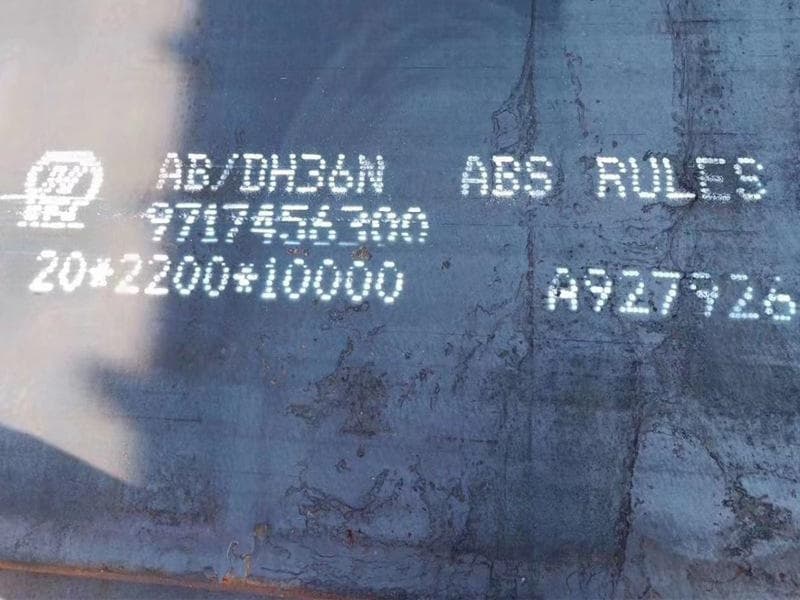
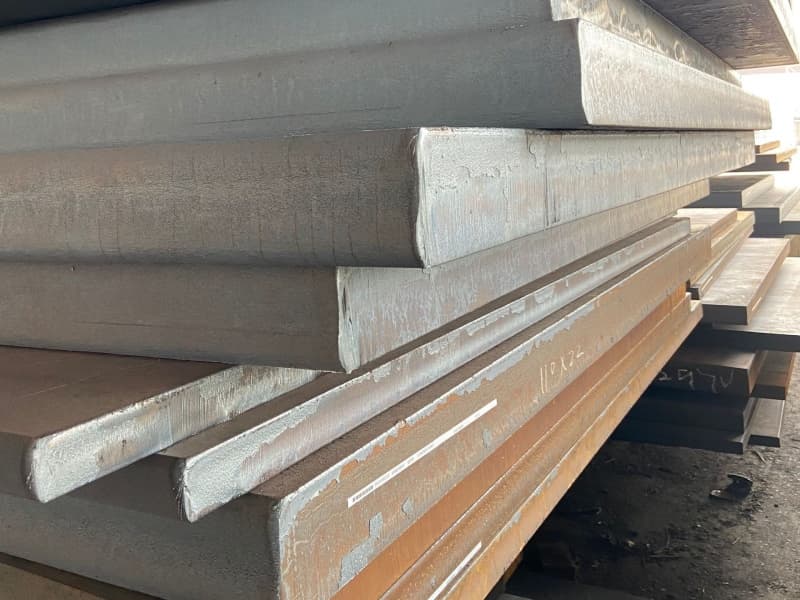
The answer lies in the project’s design basis. Engineers calculate the loads, the water depth, and the temperature. Based on this, they choose a specific steel grade1, like EH36 or FH40. They also require a test certificate, usually EN 10204 3.2, which is a sign of quality. This document proves an independent inspector checked the steel.
Why Standards Are Non-Negotiable
Offshore projects follow strict rules. These rules come from groups like the American Bureau of Shipping2 (ABS) or Det Norske Veritas (DNV). These are not just suggestions. They are the law for safe construction.
When I talk to contractors, they always ask for the certificate first. They want to see the mill test report3. This report tells us the chemical makeup of the steel. It shows how much carbon, manganese, and other elements are inside. This matters because the chemistry decides the strength and the weldability.
If the carbon content is too high, the plate might crack during welding. That is a disaster on a ship or a rig. So, we check these numbers very carefully.
The Role of the 3.2 Certificate
There are different levels of certification. A 2.2 certificate means the mill did its own tests. That is fine for some jobs. But for offshore, the 3.2 certificate is the gold standard.
With a 3.2 certificate, a third-party inspector comes to the mill. They watch the steel being made. They see the tests happen. They then sign off on the paperwork. This gives the EPC contractor peace of mind. They know an unbiased expert has verified the quality.
Key Specifications in Simple Terms
To make it clearer, here is a simple breakdown of what contractors look for:
| Specification | What It Means | Why It Matters |
|---|---|---|
| Steel Grade | The strength and toughness level (e.g., AH36, DH36, EH36). | Tells you if the steel can handle the cold and the stress of the ocean. |
| Impact Test | A test that hits a piece of steel at a low temperature. | Shows the steel will not shatter in cold water. |
| NDT | Non-Destructive Testing4 (like ultrasonic testing). | Checks for hidden flaws inside the steel without cutting it. |
| Mill Certificate | The official document with all test results. | This is the "birth certificate" of the steel. It proves what it is made of. |
| 3.2 Inspection | An independent inspector checks everything. | Adds a layer of trust and safety for the final buyer. |
Getting the specs right at the start saves so many headaches later. It means the plate you order is the plate you need. There are no surprises when it arrives at the fabrication yard.
2. How Do You Find the Right Suppliers and Manage the Global Supply Chain?
Once you know what steel you need, the next question is where to get it. You cannot just go to a local hardware store. You need to find a partner who can deliver large quantities, on time, every time.
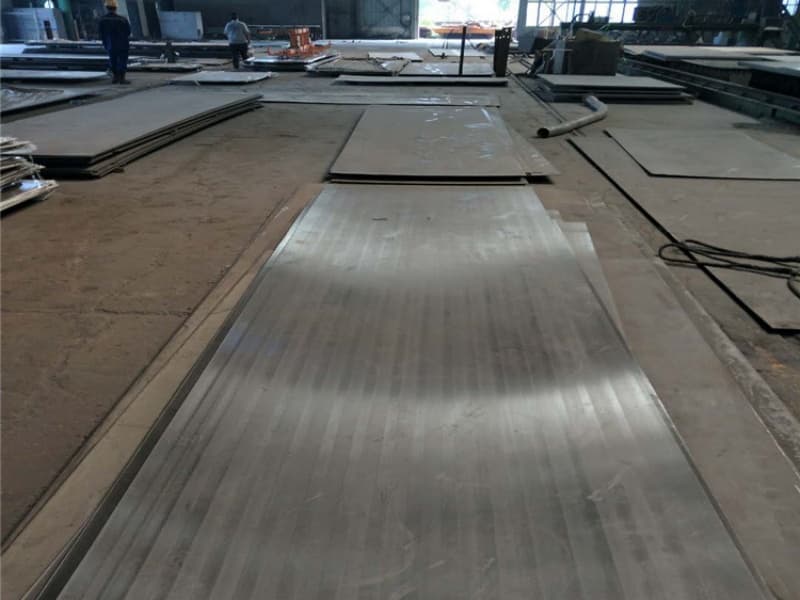
Contractors look for suppliers who have strong ties1 to certified steel mills2. They do not want a middleman who just takes orders. They want a partner who can guarantee the source. They also check the supplier’s location. A supplier close to a major port, like in Shandong, China, is often a good choice because logistics are faster3.
The Search for a Reliable Partner
Finding a good supplier is like finding a good business partner. You need trust. Most contractors start with a list of approved vendors. This list comes from their past experience. It also comes from recommendations from other engineers.
I remember a client from Saudi Arabia. They found us through a simple Google search. They read an article, just like this one. They were tired of slow replies from their old suppliers. They wanted someone who answered fast and spoke clearly.
When they contacted us, we replied within two hours. That got their attention. We kept that speed for the whole project. This shows that communication is just as important as the product itself. If you cannot talk to your supplier easily, problems will grow.
Why Location and Stock Matter
In my business, we are based in Liaocheng, Shandong. This is a big industrial area. We work with certified mills every day. This is our home ground. We know the people making the steel.
Because we are close to the mills, we can check on orders personally. We can also move steel quickly. If a contractor in Mexico needs plates fast, we can often pull from stock near the port. This cuts down on waiting time.
For a big project, waiting for steel means workers are idle. Idle workers cost money. Fast delivery from a good location helps keep the project on schedule.
Comparing Sourcing Options
There are different ways to buy marine steel4. Here is a quick look at the common paths contractors take:
| Source Type | How It Works | Good For | Watch Out For |
|---|---|---|---|
| Direct from Mill | You order a full batch from the factory. | Very large projects with one steel type. | Long production time. Minimum order is huge. |
| Big Stockholder | They buy from many mills and keep stock. | Projects needing mixed sizes quickly. | You pay a bit more for the convenience. |
| Specialized Supplier | A smaller company with mill connections. (Like us) | Projects needing flexibility and personal service. | You must check their mill sources first. |
| Trader | They connect you to a mill, but hold no stock. | When you cannot find the steel anywhere else. | Less control over quality and timing. |
Most smart contractors pick a specialized supplier5. We can offer flexible MOQs. We can mix different types of steel in one order, like marine plates with angle steel or bulb flat steel. This makes shipping cheaper and easier for the buyer.
3. What Are the Key Technical Tests for Offshore Marine Steel Plates?
You have the specs. You have the supplier. But how do you know the steel is actually good? You cannot just look at it. You have to test it. This step happens before the steel ever leaves the warehouse.
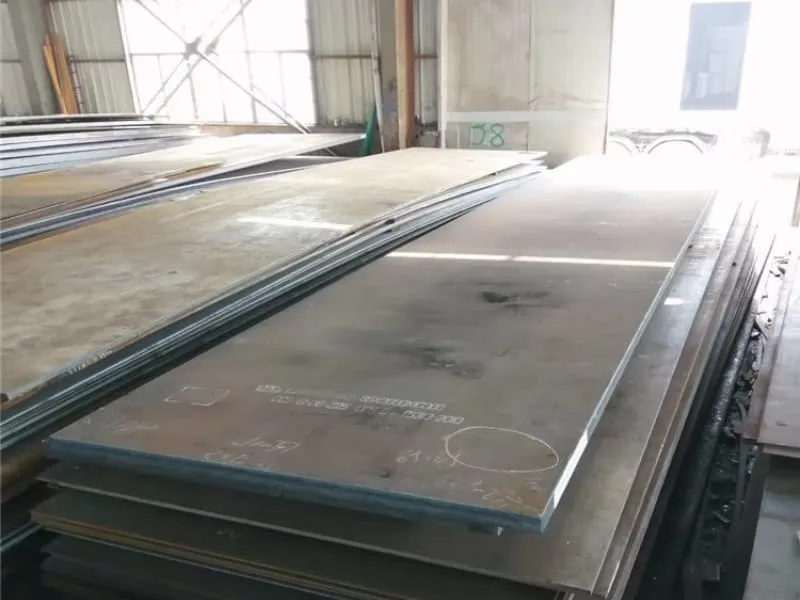
The steel must pass specific tests. These include tensile tests1 to check its strength and bend tests2 to check its flexibility. For offshore use, the impact test is the most critical. This test hits a notched sample at a very low temperature. If it survives without breaking, the steel is approved for cold ocean waters.
Breaking Down the Testing Process
Testing sounds simple, but it is a science. The rules are written in standards like ASTM or EN. Every batch of steel gets sampled. A small piece is cut from the plate. This piece is then prepared for the machine.
- The Tensile Test: This machine pulls the steel until it breaks. It measures the yield point (when it starts to bend permanently) and the ultimate tensile strength (the maximum force it can take). We want the steel to stretch a bit before it breaks. This gives a warning before a failure.
- The Bend Test: This test bends a sample around a small circle. We look for cracks on the outside of the bend. A good plate bends smoothly. A bad one shows tiny cracks. This tells us if the steel can be shaped without breaking.
- The Charpy V-Notch Impact Test3: This is the big one for offshore work. A heavy pendulum swings down and hits a notched sample. The machine measures the energy it took to break the piece. Higher energy means tougher steel. For the North Sea or cold climates, this number must be high.
Why We Offer Third-Party Inspections
At our company, we always tell clients they can bring in SGS or another inspector. Some suppliers get nervous when a third party shows up. We welcome it.
Why? Because we trust our mills. We know the steel is good. Having an inspector there proves it to the client. It removes all doubt.
One time, a client from the Philippines was worried about surface finish. His old supplier sent plates with scratches and rust spots. For him, this was a big problem. It meant extra work to clean them. When we prepared his order, we sent photos. We invited him to inspect, or send someone. He saw the quality and the packaging. He later told us our packaging was the best he had ever received. That trust came from being open to testing and inspection.
Common Questions About Testing
Contractors often ask me the same questions about testing. Here are the answers I usually give:
- Who pays for the tests? Usually, the cost of basic mill tests is included in the price. If you want extra samples or a special inspector on-site, that is usually an extra cost.
- Can we see the test results before shipping? Absolutely. We always share the Mill Test Certificates4 first. You should never ship steel without approving these documents.
- What if a test fails? If a test on a sample fails, the batch is rejected. It cannot be used for the project. The supplier must replace it. This is why using a trusted mill is so important. It lowers the chance of failure.
4. How Do You Manage Risk in Quality, Delivery, and Cost?
Sourcing steel is a balancing act. You want the best quality. You need it on time. And you have a budget to meet. If you push too hard on one side, the other sides can break.
Contractors manage this risk by building strong relationships with a few key suppliers1. They do not jump from one cheap supplier to another. They find a partner who offers stable quality2. They agree on clear terms for delivery. And they work together to control costs, often by combining orders to save on shipping.

The Problem with Chasing the Lowest Price
I see this mistake often. A buyer goes online and finds a price that is 5% lower than everyone else. They get excited. They place a big order. Then, problems start.
The steel arrives late. The surface is rough. The certificate does not match the order. Suddenly, that 5% savings is gone. Now they are paying for rush shipping. They are paying workers to grind down bad surfaces. They are spending hours on emails trying to fix mistakes.
In the long run, the "cheap" steel becomes the most expensive steel. This is why rational buyers, like the ones I work with in Qatar or Mexico, value stability. They want a supplier who delivers the same good quality every time. They want a price that is fair, not the lowest.
How We Address Delivery Risks
Delivery is a huge risk in this business. A ship waiting at port costs thousands of dollars a day. If the steel is late, the whole project schedule slips.
We tackle this in a few ways:
- Clear Communication: We tell the client exactly when the steel will be ready. If there is a delay at the mill, we tell them immediately. Bad news does not get better with age.
- Proper Packaging: For marine steel, rust is the enemy. We pack the steel carefully for sea voyages. We use steel bands and protective coatings. This ensures the plates look good when they arrive in Dammam or Manila.
- Logistics Support: We help with the shipping. We know the documents needed for customs in different countries. We can help clear the process so the steel moves from the port to the yard without getting stuck.
Balancing Cost with Other Factors
Cost control is not just about the price per ton. It is about the total cost to get the steel ready for use3.
Here is a simple way to think about it:
| Factor | The Risk | How We Manage It |
|---|---|---|
| Unit Price | Paying too much per ton. | We offer competitive factory prices from our partner mills. |
| Quality Cost | Paying to fix bad steel (grinding, re-testing). | We ensure stable mill quality and offer SGS inspection. |
| Delay Cost | Paying for idle labor and late penalties. | We focus on fast production and clear shipping timelines. |
| Transaction Cost | Wasting time on poor communication. | We provide a dedicated English-speaking rep for every client. |
| Inventory Cost | Ordering too much or too little. | We offer flexible MOQs4 so you order what you need now. |
By looking at the whole picture, contractors can make smarter choices. They see that a slightly higher price from a reliable partner often saves money in the end.
Conclusion
Sourcing marine steel plate is a clear process. You define the specs, find a trusted supplier, verify with testing, and balance the risks. When done right, it keeps your offshore project safe and on schedule.
-
Explore how strong supplier relationships can enhance quality and reliability in sourcing. ↩ ↩ ↩ ↩
-
Learn why stable quality is crucial for successful project outcomes and cost management. ↩ ↩ ↩ ↩
-
Discover how total cost considerations can lead to better financial decisions in sourcing steel. ↩ ↩ ↩ ↩
-
Find out how flexible Minimum Order Quantities can optimize inventory management and reduce costs. ↩ ↩ ↩ ↩
-
Specialized suppliers can provide flexibility and personalized service, enhancing your procurement process. ↩