
Your steel arrives after the hull blocks are already welded. Or too early, rusting in the yard.
Marine steel plate procurement fits by aligning purchase orders with hull construction milestones, understanding lead time components, synchronizing deliveries with fabrication phases, and building in buffer stock and flexible delivery to absorb schedule changes.
I have helped shipyards schedule steel deliveries for years. The ones who treat procurement as part of the build plan – not a separate activity – never stop production. Let me walk you through exactly how to make steel arrival match your welding line.
How Do Hull Construction Milestones Determine the Timing and Sequence of Steel Plate Orders?
You order all steel at once. Then you realize the bottom plates are needed first, but the deck plates arrive earlier.
Hull construction follows a sequence: keel laying, bottom shell assembly, side shell, deck, and superstructure. Each phase uses different steel grades and thicknesses. Your purchase orders must follow that same sequence – order bottom plates first, then side and deck plates, then superstructure.
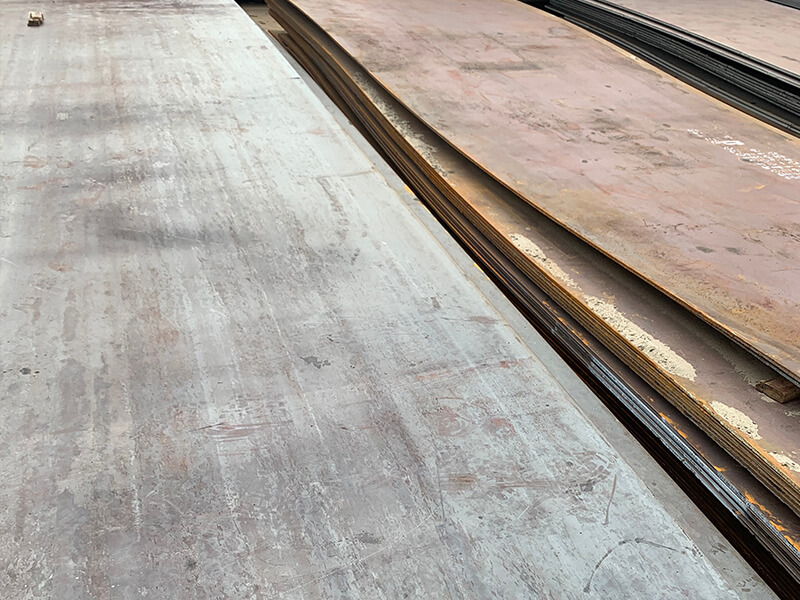
The phased ordering that saved a client from a yard full of wrong steel
I recall a shipyard in Thailand. They ordered 2,000 tons of plates for a new bulk carrier – all at once. The mill delivered everything in one month. But the yard only had space to store 500 tons. The rest sat outside, rusting. Worse, the deck plates arrived before the bottom plates. They had to move steel multiple times. After that, they switched to phased ordering: bottom plates first, then side, then deck. The yard stayed organized.
So let me show you the typical phases and their steel needs.
First, typical hull construction phases and plate requirements.
| Phase | Weeks from Keel Laying | Steel Grades | Thickness Range | Approx. % of Total Steel |
|---|---|---|---|---|
| Keel laying | Week 0 | A, AH32 | 20‑40mm | 5% |
| Bottom shell assembly | Week 2‑6 | AH36, DH36 | 12‑25mm | 25% |
| Side shell and longitudinal bulkheads | Week 6‑12 | AH36 | 10‑20mm | 30% |
| Deck and weather deck | Week 12‑18 | AH36, DH36 | 8‑16mm | 25% |
| Superstructure and outfitting | Week 18‑24 | A, AH32 | 6‑12mm | 15% |
Second, how to time your purchase orders. Work backward from the phase start date, subtracting your supplier’s lead time.
If your supplier lead time is 45 days:
| Phase starts at week | Order must be placed by week | Steel needed at yard by week |
|---|---|---|
| Week 2 (bottom shell) | Week 0 (45 days before) | Week 2 |
| Week 6 (side shell) | Week 4 | Week 6 |
| Week 12 (deck) | Week 10 | Week 12 |
| Week 18 (superstructure) | Week 16 | Week 18 |
Third, why sequencing matters for storage and handling. Plates for later phases should not arrive early. They take up space and risk rust.
| Ordering Method | Yard Space Used | Risk of Rust | Material Handling Cost |
|---|---|---|---|
| Single bulk order | High (all steel at once) | High | High (move steel multiple times) |
| Phased order | Low (only current phase) | Low | Low (steel goes directly to cutting) |
Fourth, a real example of phased ordering for a 50,000 DWT bulk carrier.
| Phase | Steel Type | Tons | Order Week | Delivery Week |
|---|---|---|---|---|
| Bottom shell | 15mm AH36 | 300 | Week 0 | Week 2 |
| Side shell | 12mm AH36 | 400 | Week 4 | Week 6 |
| Deck | 10mm AH36 | 350 | Week 10 | Week 12 |
| Superstructure | 8mm A | 150 | Week 16 | Week 18 |
The yard never held more than 450 tons at once. That is a 50% reduction from bulk ordering.
Your milestone‑based ordering checklist
- You have a detailed hull construction schedule (weeks from keel laying)
- You know which steel grades and thicknesses each phase needs
- You subtract supplier lead time from phase start dates to set order dates
- You place separate POs or phased deliveries for each phase
I help my clients create phased delivery schedules. We look at their build plan together.
What Are the Key Lead Time Components from Purchase Order to On‑Site Delivery?
You assume 30 days. The supplier says 45 days. You miss your phase start.
Lead time is not one number. It is the sum of: order processing, mill production (if not in stock), quality inspection, packaging, inland trucking to port, sea freight, customs clearance, and final delivery to your yard. Each component can vary.
The hidden weeks in every order
A buyer in Qatar once told me: "My last supplier said 35 days. It took 60." We looked at each component. The supplier had not counted production time (15 days), port waiting (7 days), or customs (5 days). So let me give you a realistic breakdown.
First, the standard lead time components for imported marine steel plates.
| Component | Best Case (days) | Typical (days) | Worst Case (days) | What Affects It |
|---|---|---|---|---|
| Order processing & deposit | 1 | 2 | 5 | Bank transfer speed |
| Mill production (if not in stock) | 10 | 15 | 25 | Mill queue, complexity |
| Quality inspection & MTC | 2 | 3 | 7 | Third‑party inspector availability |
| Packaging & loading | 2 | 3 | 5 | Packaging complexity |
| Inland trucking to port | 1 | 2 | 4 | Distance, traffic, weather |
| Port waiting for vessel | 3 | 7 | 15 | Port congestion, vessel schedule |
| Sea freight | 10 | 20 | 35 | Distance, route, weather |
| Customs clearance | 2 | 5 | 10 | Document accuracy, local port |
| Last‑mile trucking to yard | 1 | 2 | 4 | Distance to yard |
| Total | 32 | 59 | 110 |
| Component | Control | How to Improve |
|---|---|---|
| Order processing | High | Send PO and deposit same day |
| Mill production | Medium | Use stock (faster) or negotiate priority |
| Inspection | High | Book inspector early, share documents in advance |
| Packaging & loading | High | Clear packaging instructions to supplier |
| Inland trucking | Medium | Use supplier with warehouse near port |
| Port waiting | Low | Use multiple ports, book vessel early |
| Sea freight | Low | Choose faster shipping lines (costs more) |
| Customs | Medium | Send correct documents before vessel arrives |
| Last‑mile trucking | High | Have your truck ready at port |
Third, how to get a realistic lead time from your supplier. Ask them to break down each component, not give one number.
Ask: "How many days for mill production? Inspection? Port waiting? Sea freight? Customs?" If they cannot answer, they may be guessing.
Fourth, a real example of lead time management that worked.
| Component | Supplier’s First Quote | Actual After Breakdown | Action Taken |
|---|---|---|---|
| Production | "Included" (but actually 20 days) | 20 days | Ordered 2 weeks earlier |
| Port waiting | 3 days | 10 days (congestion) | Switched to less busy port |
| Sea freight | 18 days | 22 days | Accepted, built buffer |
| Customs | 3 days | 5 days | Sent docs 1 week early |
| Total | 36 days (optimistic) | 57 days (realistic) | Ordered 3 weeks earlier |
Your lead time checklist
- You have a detailed lead time breakdown from your supplier
- You add a 20‑30% buffer to their quoted lead time
- You know which components are under your control
- You have a contingency plan for delays (safety stock, expedited freight)
I provide a lead time breakdown for every order. My clients can plan accurately.
How Can You Synchronize Procurement Phases with Fabrication, Assembly, and Launch Schedules?
You have steel. The fabrication line is not ready. Or the line is ready but steel is not.
Synchronization means your steel order dates and delivery dates are tied directly to your fabrication schedule – not a separate calendar. You order steel so it arrives exactly when the cutting and welding for that phase begins. This requires close coordination between procurement and production planning.
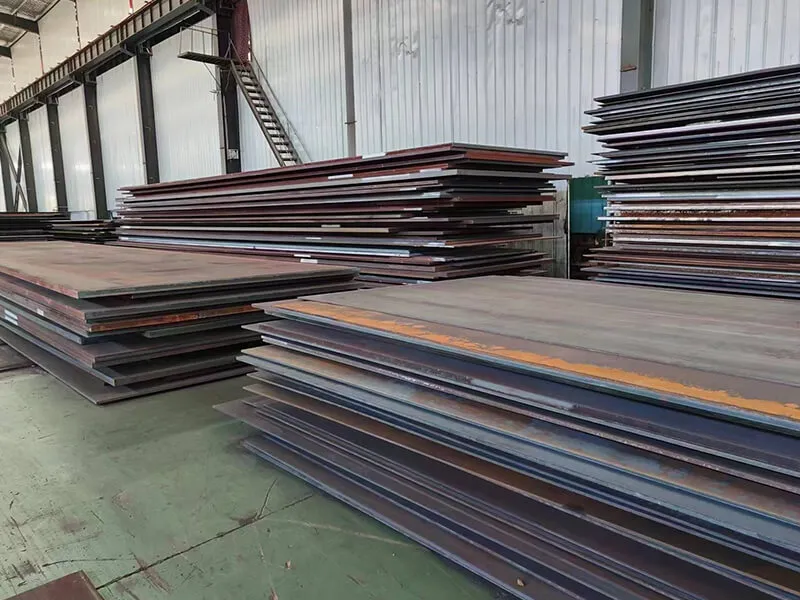
The sync failure that cost two weeks of idle labor
A shipyard in Vietnam had a fixed launch date. They ordered steel for the deck 8 weeks before the deck phase. But the fabrication line finished the hull two weeks early. The deck steel had not arrived. Workers stood idle for 10 days. The delay cost $20,000. After that, they started sharing weekly production updates with their steel supplier. Now the supplier adjusts delivery dates based on real‑time progress.
So let me show you how to sync.
First, map your fabrication and assembly schedule in weeks from start.
| Activity | Start Week | Duration | Steel Required | Grade/Size |
|---|---|---|---|---|
| Cutting bottom plates | Week 0 | 2 weeks | 15mm AH36 | 15mm x 2.5m x 12m |
| Welding bottom blocks | Week 2 | 3 weeks | (same) | – |
| Cutting side plates | Week 3 | 2 weeks | 12mm AH36 | 12mm x 2.5m x 12m |
| Welding side blocks | Week 5 | 4 weeks | (same) | – |
| Cutting deck plates | Week 8 | 2 weeks | 10mm AH36 | 10mm x 2.5m x 12m |
| Welding deck | Week 10 | 3 weeks | (same) | – |
| Launch | Week 20 | – | – | – |
Second, set steel delivery windows so steel arrives 1 week before cutting starts.
| Steel Type | Cutting Start Week | Delivery by Week | Order Week (if lead time 45 days) |
|---|---|---|---|
| Bottom plates | Week 0 | Week -1 (before start) | Week -7 (45 days earlier) |
| Side plates | Week 3 | Week 2 | Week -4 |
| Deck plates | Week 8 | Week 7 | Week 1 |
Third, build in a feedback loop between production and procurement.
| Frequency | Action |
|---|---|
| Weekly production meeting | Update actual progress vs plan |
| If ahead of schedule | Ask supplier to expedite next delivery (if possible) |
| If behind schedule | Ask supplier to delay next delivery (avoid yard clutter) |
I ask my clients to send me a 2‑line update every Friday: "We are on track" or "We are 3 days behind". Then I adjust shipping accordingly.
Fourth, the cost of poor synchronization.
| Scenario | Consequence |
|---|---|
| Steel arrives too early | Yard clutter, rust, extra handling: $5‑15/ton extra cost |
| Steel arrives too late | Idle labor, schedule slip: $1,000‑$5,000 per day |
| Steel arrives out of sequence | Store steel for later phase, move it twice: extra labor |
Your synchronization checklist
- You have a detailed fabrication schedule by week
- You set delivery windows (1 week before cutting start) not fixed dates
- You have a weekly status update between production and procurement
- You have a process to adjust delivery dates when schedule changes
I work with my clients’ production planners directly. We sync every week.
Why Is Buffer Stock and Flexible Delivery Essential to Absorb Uncertainties in Shipbuilding Timelines?
Your fabrication line gets ahead by 5 days. The supplier cannot deliver earlier. You wait.
Buffer stock – extra steel kept on hand for the most common sizes – absorbs small schedule changes. Flexible delivery – the supplier’s ability to move delivery dates forward or back with reasonable notice – gives you breathing room. Together, they protect you from the inevitable changes in shipbuilding.
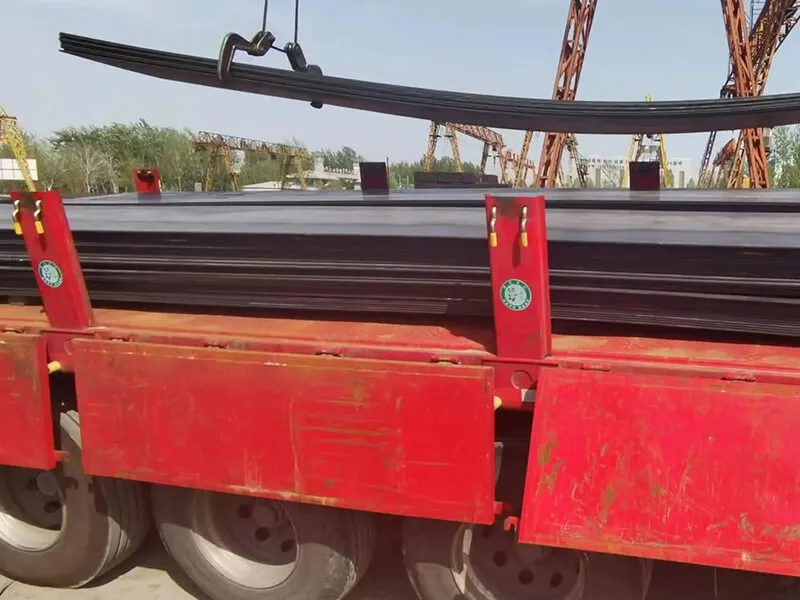
The 50 tons that saved a launch date
A shipyard in Malaysia was building a tanker. The deck fabrication finished 10 days early. The deck steel was not due for another week. But the yard kept 50 tons of 10mm AH36 as buffer stock – the same grade used for the deck. They used the buffer stock for the first few days, then the regular delivery arrived. The launch date was saved. Without buffer stock, they would have waited.
So let me explain how much buffer you need and how flexible delivery works.
First, how much buffer stock for common sizes.
| Size / Grade | Monthly Usage | Recommended Buffer (weeks of usage) | Buffer Tons |
|---|---|---|---|
| 10mm AH36 | 200 tons | 2 weeks | 100 |
| 12mm AH36 | 150 tons | 2 weeks | 75 |
| 15mm AH36 | 100 tons | 1 week | 25 |
| 20mm AH36 | 50 tons | 1 week | 12.5 |
Buffer stock covers you if a delivery is 1‑2 weeks late or if your fabrication runs 1‑2 weeks early.
Second, flexible delivery terms to negotiate with your supplier.
| Flexibility | What to Ask For | Typical Notice Required |
|---|---|---|
| Pull in delivery (earlier) | "Can you ship 10 days earlier?" | 2‑4 weeks |
| Push out delivery (later) | "Can you delay by 2 weeks?" | 1‑2 weeks |
| Split delivery | "Send 30% now, 70% later" | 1 week |
| Change port | "Send to Jebel Ali instead of Dammam" | 4‑6 weeks |
I offer these flexibilities to my long‑term clients. They pay a small premium for the option, but it saves them from bigger costs.
Third, how to calculate the value of buffer stock.
| Scenario | Without Buffer | With Buffer (100 tons of 10mm) |
|---|---|---|
| Delivery delay of 10 days | Production stops for 10 days. Cost: $10,000‑$50,000 | Use buffer stock. No stop. |
| Fabrication ahead 5 days | Wait for steel. Cost: $5,000 idle labor | Use buffer stock. Keep working. |
| Holding cost of buffer | $0 (no buffer) | 100 tons × $700 × 15%/year = $10,500/year |
| Net benefit | Risk of large loss | $10,500 cost vs potential $10‑50k loss → worth it |
Fourth, a real example of flexible delivery saving a project.
| Event | Supplier Response |
|---|---|
| Original delivery date | Week 10 |
| Shipyard fell behind: new need is week 12 | Supplier agreed to delay shipment by 14 days (no penalty, just 2 weeks notice) |
| Then shipyard caught up: need by week 11 | Supplier pulled shipment back to week 11 (1 week notice) |
The yard never held excess steel. The supplier never shipped late. Flexibility made it work.
Your buffer and flexibility checklist
- You keep buffer stock (1‑2 weeks of usage) for your most common sizes
- Your supplier offers flexible delivery windows (not fixed dates)
- You have an agreement on notice periods for pulling in or pushing out deliveries
- You review buffer levels quarterly based on actual usage
I help my clients set up buffer stock and flexible delivery. It takes planning but pays off in peace of mind.
Conclusion
Align orders with hull milestones, break down lead times, sync procurement with fabrication, and keep buffer stock with flexible delivery. That is how steel procurement fits into shipbuilding schedules.