
You finish one vessel. The supplier did well. For the next vessel, you use them again. Then quality drops.
For repeat projects, evaluate suppliers on historical quality consistency, delivery metrics, financial stability and mill access, plus responsiveness and claim handling. A supplier that scores high on all four becomes a long‑term partner.
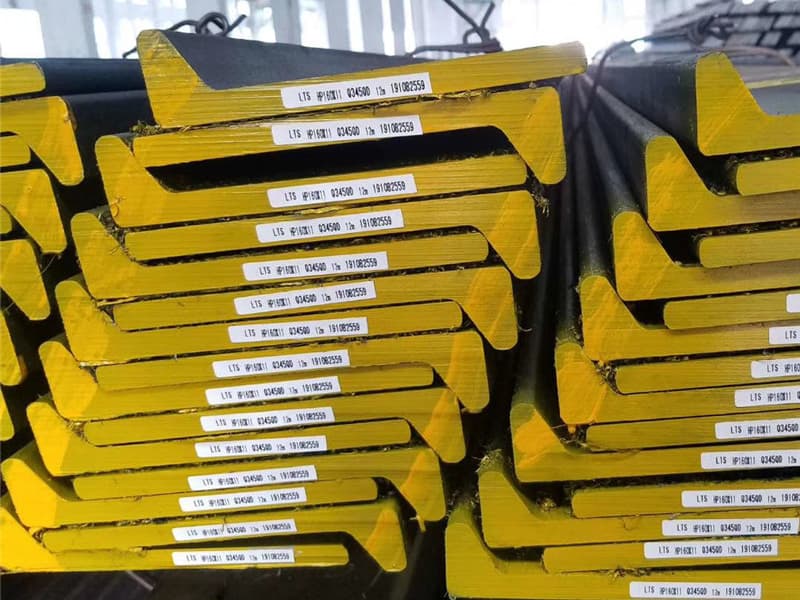
I have supplied bulb flat steel to shipyards building multiple vessels. The ones that evaluate me properly – not just on price – become my best partners. I know what they look for. Let me walk you through the four evaluation areas that matter most for repeat shipbuilding projects.
How Do You Measure a Supplier’s Historical Quality Consistency Across Multiple Builds?
One good batch does not make a good supplier. Five consistent batches do.
Measure historical quality consistency by reviewing dimensional records, MTC chemistry and mechanical properties, and surface condition reports from the supplier’s last 5‑10 shipments to other shipyards. Calculate the variation – not just pass/fail. Low variation means you can trust your fabrication process to run the same every time.
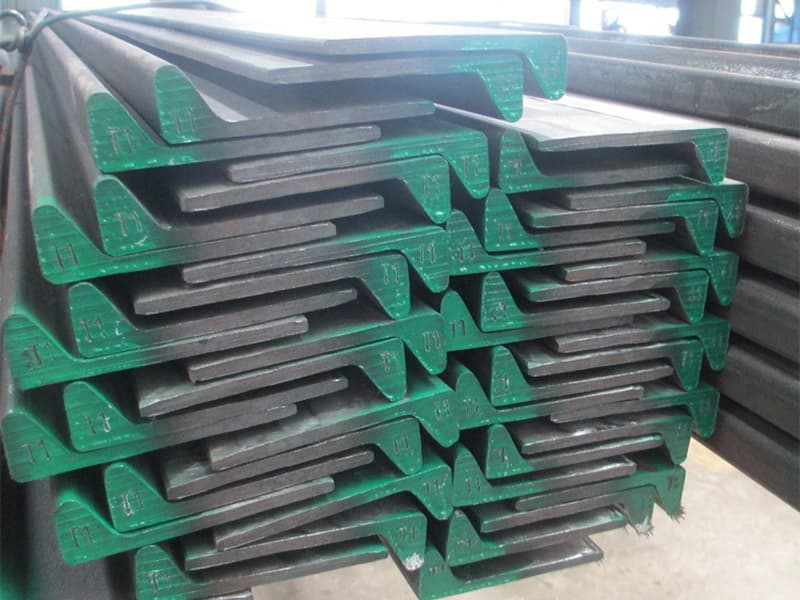
The supplier with 0.2mm variation vs the one with 1.2mm
I had a client building a series of patrol boats. He showed me two suppliers. Supplier A had bulb height variation of ±0.2mm across 8 shipments. Supplier B had ±1.1mm. He chose Supplier A. His welding robot never needed re‑calibration. Supplier B’s other client had constant fit‑up issues.
So let me show you exactly what to check.
First, ask for dimensional records from the last 5‑10 shipments. Do not accept one MTC. Ask for a spreadsheet.
| Shipment | Size | Bulb Height Avg (mm) | Range (mm) | Web Thickness Avg (mm) | Range (mm) |
|---|---|---|---|---|---|
| 1 | HP 150×9 | 150.1 | 149.9‑150.3 | 9.02 | 8.98‑9.06 |
| 2 | HP 150×9 | 150.0 | 149.8‑150.2 | 8.99 | 8.95‑9.03 |
| 3 | HP 150×9 | 150.2 | 150.0‑150.5 | 9.01 | 8.97‑9.05 |
If the range across shipments is large (e.g., 149.5 to 150.8), that is a red flag.
Second, check mechanical property variation. For AH36 bulb flat, yield strength should be 355‑410 MPa typically.
| Shipment | Yield Strength (MPa) | Tensile Strength (MPa) | Elongation (%) |
|---|---|---|---|
| 1 | 385 | 520 | 24 |
| 2 | 390 | 525 | 23 |
| 3 | 380 | 515 | 24 |
If one shipment drops to 360 MPa (still above 355 but lower), that is acceptable. If it drops to 340, reject.
Third, surface condition consistency. Ask for photos of the last 5 shipments. Look for:
- Red rust – more than 5% of surface area?
- Pitting – deeper than 0.3mm?
- Mill scale – consistent amount?
| Shipment | Surface Grade (A‑D) | Notes |
|---|---|---|
| 1 | B | Light scale, no rust |
| 2 | B | Same |
| 3 | C | Some red rust spots |
| 4 | B | Back to normal |
| 5 | B | Good |
One outlier (shipment 3) is okay if explained. A pattern of declining surface quality is bad.
Fourth, calculate the supplier’s quality consistency score.
| Metric | Excellent (score 5) | Good (4) | Poor (1‑3) |
|---|---|---|---|
| Dimensional variation | ±0.3mm | ±0.6mm | >1.0mm |
| Mechanical property variation | ±5% | ±10% | >15% |
| Surface consistency | Same grade every time | One outlier in 5 shipments | Inconsistent |
I keep records for every shipment. My repeat clients ask to see them. I send them without hesitation.
Your quality consistency checklist
- Supplier provides dimensional records for last 5‑10 shipments
- You calculate variation (range, not just average)
- Mechanical properties are stable within ±10%
- Surface photos show no declining trend
What Delivery Performance Metrics Matter Most for Repeat Vessel Construction Schedules?
One late shipment can push back a launch date. Repeat projects need predictable delivery.
The key metrics are on-time delivery rate (≥95%), lead time consistency (actual lead time within ±15% of quoted), and early warning time (how many days before a delay the supplier informs you). Ask for a delivery performance report covering the last 12‑24 months.
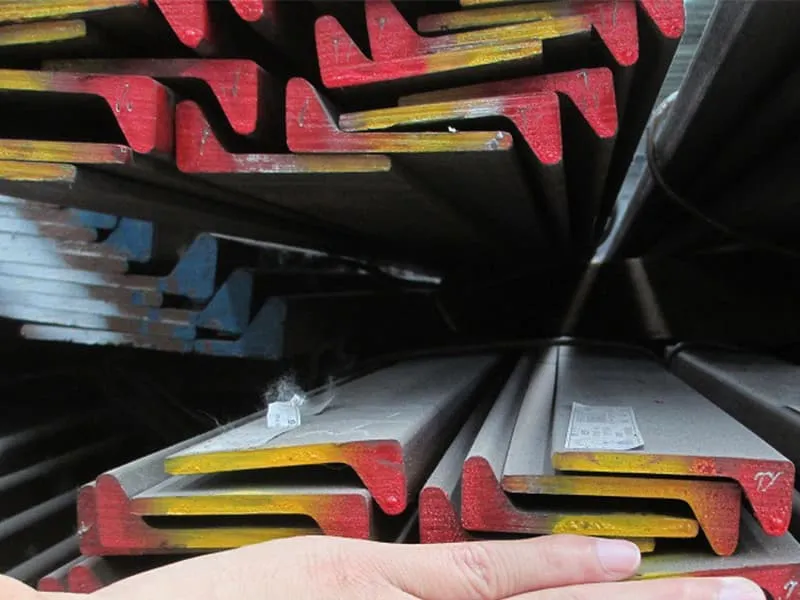
The 90% on‑time supplier that cost a week every other shipment
A shipyard in the Philippines used a supplier with 90% on‑time delivery. That means 1 in 10 orders was late. Over 10 vessels, that is 1 late per year. But each late cost 7‑14 days of idle labor. After three vessels, they switched to a supplier with 98% on‑time. The small premium in price was worth the reliability.
So let me define the metrics you should ask for.
First, on‑time delivery rate (OTD). Ask for the percentage of orders that shipped on or before the promised date.
| OTD Rate | Evaluation | Action |
|---|---|---|
| 98‑100% | Excellent | Use with confidence |
| 95‑97% | Good | Keep, but monitor |
| 90‑94% | Marginal | Require buffer stock |
| Below 90% | Poor | Look for alternative |
Second, lead time consistency. Even if a supplier always delivers on the date they promise, their promised lead time might change from order to order.
Ask: "What was your quoted lead time and actual lead time for the last 10 orders?"
| Order | Quoted (days) | Actual (days) | Variance |
|---|---|---|---|
| 1 | 35 | 34 | -1 |
| 2 | 35 | 38 | +3 |
| 3 | 35 | 52 | +17 |
| 4 | 40 | 41 | +1 |
Order 3 is a problem. Why the large variance? If the supplier cannot explain, be careful.
Third, early warning time. When a delay is inevitable, how soon does the supplier tell you?
| Early Warning | Evaluation |
|---|---|
| 10+ days before due date | Excellent – you can plan |
| 5‑9 days | Good – some time to adjust |
| 1‑4 days | Poor – little time to react |
| After due date | Unacceptable |
Fourth, a delivery performance scorecard for repeat projects.
| Metric | Target | Weight |
|---|---|---|
| On‑time delivery rate | ≥97% | 35% |
| Lead time variance (compared to quoted) | ≤15% | 25% |
| Early warning time (days) | ≥7 days | 20% |
| Demurrage incidents (per year) | 0 | 20% |
A supplier scoring below 70% should not be used for repeat projects.
Your delivery metrics checklist
- Supplier provides OTD rate for the last 12‑24 months
- You see actual lead time data (not just promises)
- Supplier has a clear early warning process for delays
- There are no recurring demurrage issues
I share my delivery data openly. My repeat clients know I perform.
Why Is a Supplier’s Financial Stability and Long‑Term Mill Access Critical for Repeat Projects?
You sign a 2‑year contract. Six months later, the supplier runs out of cash. They cannot pay the mill.
Financial stability ensures the supplier can weather market downturns and continue to deliver. Long‑term mill access – a direct contract, not spot buying – ensures they can secure steel even when demand is high.
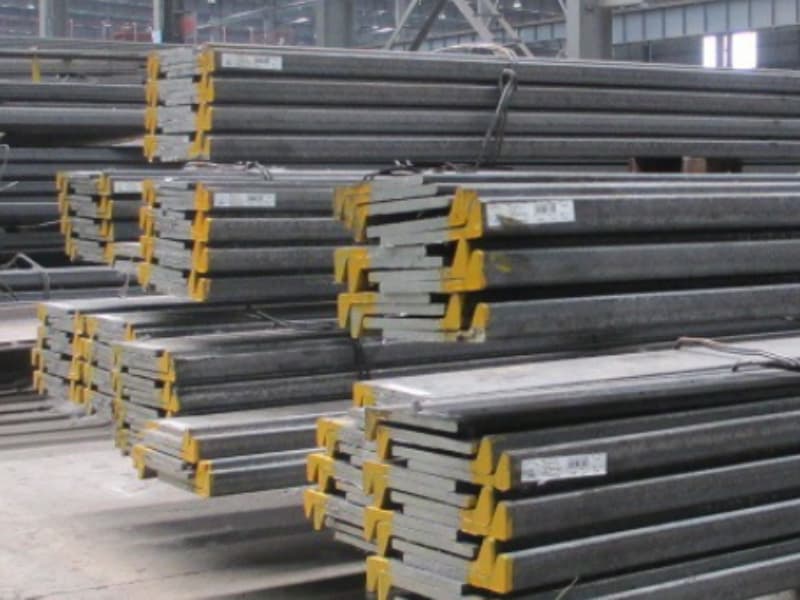
The supplier that disappeared mid‑contract
I know a buyer who signed a two‑year deal with a small trader. The trader did not have a mill contract. He bought spot. When steel prices spiked, the trader could not get stock because mills were prioritizing their direct customers. The trader had to delay shipments. The buyer lost four weeks. The trader eventually went out of business. The buyer had to find a new supplier with 2‑week notice.
So let me show you what to check.
First, financial stability indicators for a supplier.
| Indicator | Good Sign | Red Flag |
|---|---|---|
| Years in business | 10+ years | Less than 3 years |
| Annual export volume | 20,000+ tons | Under 5,000 tons |
| Payment terms offered | 30% deposit, balance against BL | Demands 100% upfront |
| Credit insurance (e.g., Sinosure) | Yes (for larger orders) | No |
| Client concentration | Many clients, no single one >30% | Relies on one or two buyers |
Second, mill access – the difference between a real supplier and a trader.
| Mill Access Level | What It Means | Reliability for Repeat Projects |
|---|---|---|
| Direct mill contract with annual volume | Supplier reserves capacity. Mills prioritize them. | High |
| Agency or long‑term agreement | Good relationship but no fixed capacity | Medium |
| Spot buying from multiples mills | Supplier buys from whoever has stock. No priority. | Low |
| No direct mill relationship – just trading | Unpredictable. High risk during shortages. | Very low |
Ask the supplier: "Do you have a direct contract with the mill that produces your bulb flat steel? Can you show me a redacted copy?"
Third, how financial stability and mill access protect your repeat projects.
| Risk | Weak Supplier | Strong Supplier |
|---|---|---|
| Market price spike | Supplier cannot buy steel, delays or cancels | Supplier has mill contract at agreed pricing, still delivers |
| Mill production cut | Supplier has no reserved capacity | Supplier’s capacity is protected |
| Payment dispute | Supplier may stop shipping | Supplier has working capital, continues |
Fourth, a real example of a supplier evaluation on stability.
| Criterion | Supplier A (Strong) | Supplier B (Weak) |
|---|---|---|
| Years in business | 12 years | 2 years |
| Annual volume | 25,000 tons | 4,000 tons |
| Mill access | Direct contract, 5 years | Spot buying |
| Deposit required | 30% | 50% (cash flow issues) |
| Credit insurance | Yes | No |
| Score | Pass | Fail |
Buyer chose Supplier A. Three years later, Supplier B was out of business. The buyer is still with Supplier A.
Your financial stability checklist
- Supplier has been in business for at least 5 years.
- You have seen their mill direct contract (or credible evidence).
- Payment terms are reasonable (not 100% upfront).
- They have credit insurance or strong references on financial health.
I have been in business for years. I have a direct mill contract. My repeat clients know they can rely on me.
How Should You Evaluate a Supplier’s Responsiveness, Claim Handling, and Partnership Mindset?
The steel passes quality checks. The delivery is on time. Then a problem happens. The supplier’s response defines the partnership.
For repeat projects, you need a supplier who responds to emails within 4 hours, has a clear claim process with replacement or discount within 5‑10 days, and thinks like a partner – not a vendor. Ask for references and test their responsiveness before committing.
The supplier who replaced 20 tons in 7 days
A shipyard in Qatar received 20 tons of bulb flat steel with minor pitting. The pitting was shallow, but still not acceptable for a critical structural area. They emailed me on Monday. I acknowledged within 2 hours. On Tuesday, I arranged a video inspection. On Wednesday, I agreed to replace the 20 tons from my stock. The replacement arrived at the shipyard in 7 days. The yard continued working using other steel in the meantime. That client has ordered five more times.
So let me define what to look for.
First, responsiveness – test it before you sign.
| Test | What to Do | Good Result |
|---|---|---|
| Initial email | Send an inquiry with 2‑3 questions | Reply within 4 hours (same day) |
| Follow‑up question | Ask a technical question about a specific grade | Answer within 24 hours with a clear, knowledgeable reply |
| Weekend or after‑hours | Send a message on Saturday (if urgent) | At least an acknowledgment |
Second, claim handling process. Ask the supplier: "If I receive steel with a defect, what happens?"
| Step | Good Supplier Response |
|---|---|
| 1. Acknowledgment | Within 4 hours of receiving photos and description |
| 2. Investigation | Video call or inspector within 24 hours |
| 3. Decision | Replacement or discount offered within 2‑3 days |
| 4. Resolution | Replacement shipped within 7‑10 days (if in stock) |
Avoid suppliers who say "send the steel back to China at your cost."
Third, partnership mindset indicators.
| Behavior | Vendor Mindset | Partner Mindset |
|---|---|---|
| Communication | Only responds when you ask | Proactive updates on production, shipping, delays |
| Problem‑solving | "Not my fault" | "Let me fix it" |
| Pricing | Hard negotiation every order | Fair pricing, maybe small annual adjustment |
| Forecasting | "Send PO when ready" | "Share your forecast, I will reserve capacity" |
| After‑sales | Disappears after payment | Answers questions even months after delivery |
Fourth, how to verify partnership mindset from references. Call 2‑3 current clients. Ask:
- "When there was a problem, how did they handle it?"
- "Do they give you proactive updates, or do you have to chase?"
- "Have you ever had a quality claim? How long did resolution take?"
- "Would you consider them a partner or just a supplier?"
Your responsiveness and partnership checklist
- Supplier responds to emails within 4 hours (test it)
- Supplier has a documented claim process with clear timelines
- Supplier offers proactive updates (ask to see examples)
- References confirm partnership behavior, not just vendor behavior
I answer emails seven days a week. I replace defective steel at my cost. My clients call me a partner, not just a supplier.
Conclusion
For repeat shipbuilding projects, evaluate quality consistency, delivery metrics, financial stability with mill access, and responsive, partnership‑minded claim handling. A strong score on all four earns a long‑term supplier.