
Building a green ship means rethinking every component. The choice of bulb flat steel, a key structural element, is no longer just about strength. It is now a critical decision for environmental compliance and long-term efficiency.
Green shipbuilding principles are fundamentally changing how bulb flat steel is selected. The focus has shifted from basic structural performance to include the steel’s environmental footprint, weight-saving potential, and lifecycle sustainability, making the procurement process more complex and specification-driven.
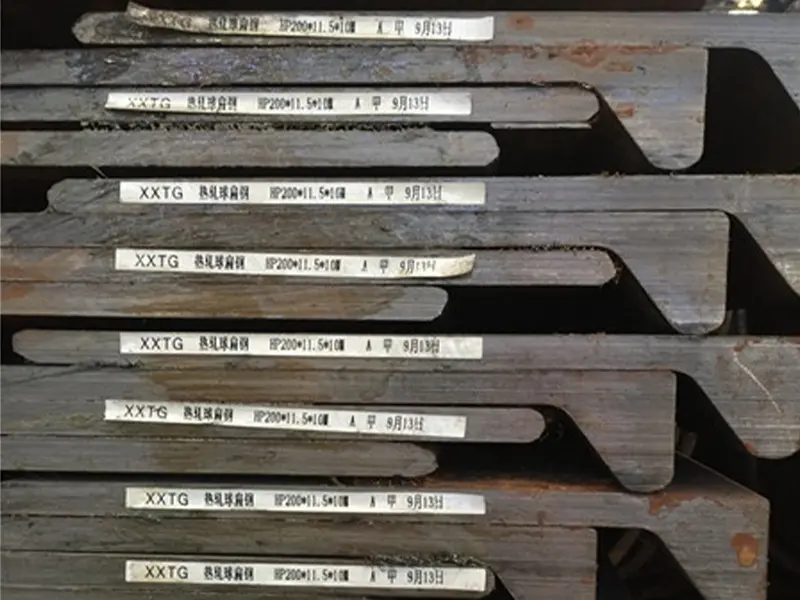
In my daily conversations with shipyards from Malaysia to Romania, the questions have evolved. It’s no longer just, "Do you have bulb flats in stock?" Now, it’s, "Can you provide the mill’s environmental product declaration for these bulb flats?" or "What is the carbon footprint per meter of this profile?" This shift is real. It is changing our supply chain. To navigate this new landscape, we need to start with the fundamentals of shipbuilding steel and build up to the new green criteria.
Which type of steel is most commonly used in shipbuilding due to its strength and durability?
You need a steel that is strong, reliable, and cost-effective. For the main structure of most ships, one family of steel has been the undisputed champion for decades.
High-Strength Low-Alloy (HSLA) steel1, specifically grades like AH362, DH36, and EH36, is the most commonly used steel in modern shipbuilding. Its optimal balance of high strength, good toughness, excellent weldability3, and reasonable cost makes it the standard choice for hulls, decks, and major structural components.
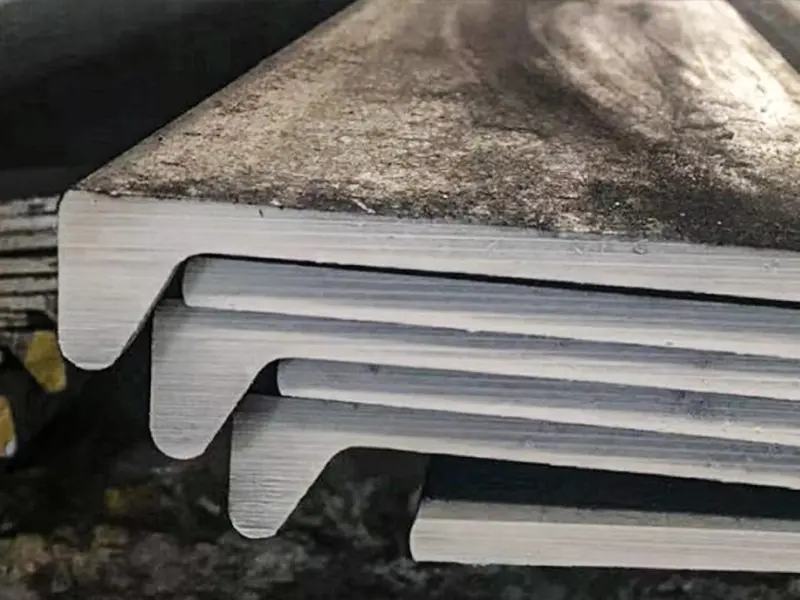
The Dominance of HSLA Steel and Its Green Evolution
The story of HSLA steel’s dominance is a story of engineering optimization. The "AH/DH/EH" system is a universal language in shipyards. The letter indicates the toughness grade (A for ambient, D for low, E for very low temperature), and the number indicates the minimum yield strength in ksi (36 equals approx. 355 MPa). This system works because it provides a clear, reliable framework for designers.
Why HSLA Steel Won:
- Strength-to-Weight Ratio: HSLA steel achieves higher strength than ordinary carbon steel without a major weight penalty. This allows for thinner plates, which reduces the ship’s overall weight. Even before "green" was a major term, this was a key economic advantage because a lighter ship needs less fuel.
- Proven Performance: The properties of these grades are well-understood. Classification societies like ABS, LR, and DNV have extensive rules and decades of data on their performance at sea. This reduces risk for shipowners and insurers.
- Good Weldability: Ships are built by welding. HSLA steels are formulated to be welded easily with common methods, ensuring strong, reliable joints without excessive pre- or post-heat treatment in most cases.
The Green Shipbuilding Pressure Point:
Here is where the impact of green shipbuilding is most direct. HSLA steel is not being replaced. Instead, the way it is produced and sourced is being scrutinized. The grade name (e.g., AH362) on the certificate is the same, but the environmental profile behind it can vary dramatically.
- Production Method: Steel made in an Electric Arc Furnace (EAF)4 using recycled scrap has a significantly lower carbon footprint5 than steel made in a Basic Oxygen Furnace (BOF) from virgin iron ore. Green shipbuilding favors EAF-produced HSLA steel.
- Mill Certification: Mills with environmental management systems (like ISO 14001) and those that publish Environmental Product Declarations (EPDs)6 are now preferred suppliers. Their steel supports the shipyard’s own sustainability reporting7.
- Alloying Elements: The micro-alloying elements (like niobium, vanadium) that give HSLA its strength are also under review. The mining and processing of these elements have their own environmental impacts. The industry is moving towards more efficient use of these alloys.
What This Means for Bulb Flat Steel:
Bulb flats are almost exclusively made from HSLA steel grades. Therefore, the green criteria applied to HSLA plate directly apply to bulb flats. When you select a bulb flat, you are not just selecting a shape; you are selecting the environmental legacy of the HSLA steel it is made from. The table below shows the shift in focus:
| Traditional Selection Criteria for HSLA Steel (for Bulb Flats) | Green Shipbuilding Selection Criteria for HSLA Steel (for Bulb Flats) |
|---|---|
| 1. Mechanical Properties: Meets or exceeds AH362/DH36 standard. | 1. Mechanical Properties & Environmental Data: Must meet standard AND come with carbon footprint5 data or EPD. |
| 2. Price per Ton: The primary commercial driver. | 2. Total Lifecycle Cost: Includes potential savings from lower fuel consumption (due to weight) and compliance value. |
| 3. Availability & Delivery: Can we get it on time? | 3. Sustainable Sourcing & Traceability: Can we trace it to a mill with green credentials? Is the supply chain transparent? |
| 4. Certification: Standard mill certificate and class approval. | 4. Enhanced Certification: Mill cert, class approval, plus possibly an EPD and proof of recycled content. |
In summary, the common HSLA steel is still the material. But green shipbuilding is adding a mandatory new layer of documentation and sourcing ethics to its procurement. Your bulb flat supplier must now be a partner who can provide this deeper level of information.
What is green ship building?
Think of a ship that leaves almost no mark on the ocean. It is not just about clean fuel. It is about the entire life of the vessel, from the drawing board to the recycling yard. That is the goal of green shipbuilding1.
Green shipbuilding is the holistic approach to designing, constructing, and operating vessels to minimize their environmental impact at every stage. This encompasses using sustainable materials2, maximizing energy efficiency, reducing emissions and waste, and ensuring the ship can be responsibly recycled at the end of its service life.
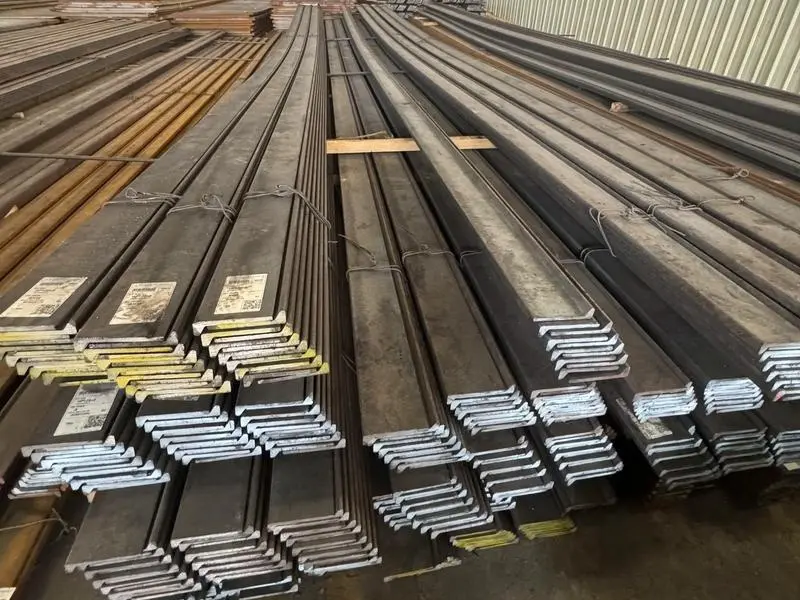
Deconstructing Green Shipbuilding: It’s a System, Not a Feature
Many people equate green shipbuilding1 with a single technology, like a scrubber or an LNG engine. That is a mistake. It is a comprehensive system where every component, down to a single bulb flat, plays a role. Based on the project specifications we now receive, I see three core pillars reshaping the industry.
Pillar 1: Design and Efficiency.
This is the most direct link to bulb flat steel3. Green ship design prioritizes hydrodynamics and weight reduction. A more streamlined hull with less weight meets water more easily. This reduces fuel consumption for the same speed. Bulb flat steel contributes directly here. Its high strength-to-weight ratio allows designers to create a strong internal frame (the ship’s skeleton) with less steel mass. Choosing bulb flats over heavier fabricated sections is a clear green design decision. It is not an afterthought; it is integral to the initial Naval Architect’s calculations for achieving a required Energy Efficiency Design Index (EEDI)4 or meeting the Carbon Intensity Indicator (CII)5.
Pillar 2: Sustainable Materials and Construction.
This pillar is where procurement teams feel the most change. "Sustainable materials" means:
- Steel with a lower carbon footprint: As discussed, this prioritizes EAF steel and mills with green energy.
- Responsible sourcing: Ensuring raw materials are sourced without causing undue environmental harm.
- Reduced waste during construction: Precise fabrication and use of standardized profiles (like bulb flats) can minimize steel cut-off waste.
- Advanced, eco-friendly coatings6: Paints with low VOCs (Volatile Organic Compounds) that last longer, reducing maintenance cycles and toxic waste.
For bulb flats, this means they must arrive at the shipyard with the right documentation to prove their sustainability credentials. Their surface quality must also be perfect to ensure the advanced, low-friction hull coatings adhere properly and perform for their full lifespan.
Pillar 3: Operation and End-of-Life.
Green shipbuilding thinks about the ship’s entire 25-30 year life.
- Operation: A ship built with lightweight, efficient materials will have lower operating emissions throughout its life. The bulb flat selected during construction directly influences operating costs for decades.
- Recycling: The Hong Kong International Convention7 for ship recycling mandates safe and environmentally sound dismantling. A ship built with clearly marked, traceable materials is easier and safer to recycle. Bulb flats made of standard, recyclable HSLA steel without hazardous coatings are an asset in this phase. They become high-quality scrap for the next generation of steel.
The Real-World Implication:
A client recently asked us for bulb flats for a new series of container ships. Their technical specification included a dedicated section titled "Environmental Requirements for Materials." It required us to declare the percentage of recycled content and the primary production route (BOF/EAF) for the steel. This document would become part of the ship’s "Green Passport." This is green shipbuilding1 in action. It moves sustainability from a marketing slogan to a concrete, contractual obligation that flows down to every supplier in the chain, including a bulb flat manufacturer.
What are bulb flats used for?
Look inside a ship’s hull. You will see a grid of vertical ribs. These ribs, which give the hull its rigidity, are increasingly made from one efficient profile: bulb flat steel1.
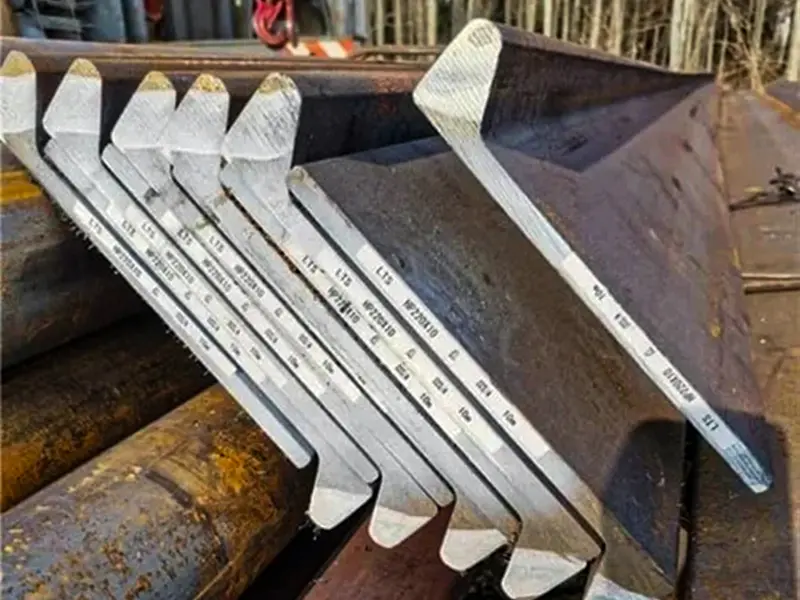
Bulb flats are primarily used to construct the transverse frames2 and longitudinal stiffeners3 in a ship’s hull. Their unique shape provides high bending strength4 with less weight compared to traditional fabricated sections, making them essential for building strong, lightweight, and fuel-efficient vessel structures5.
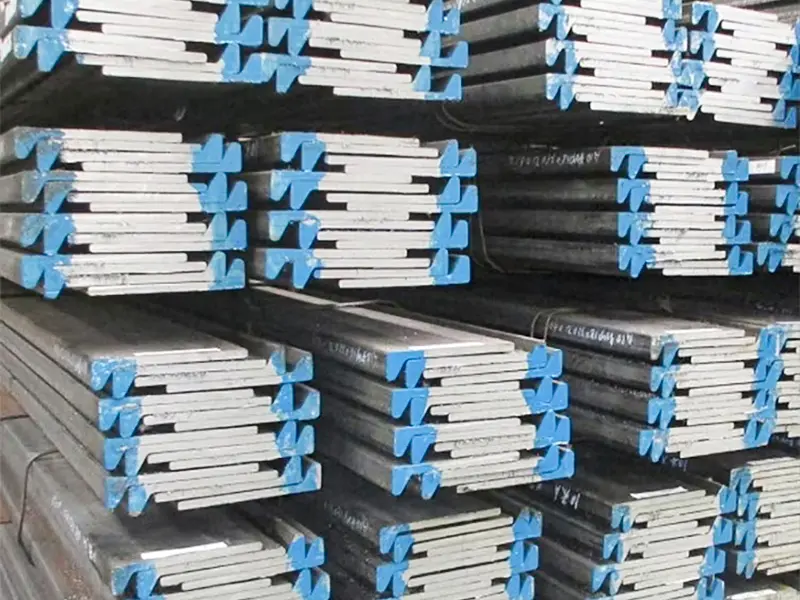
The Structural Role of Bulb Flats: Engineering Efficiency into the Hull
To understand why bulb flats are so important for green shipbuilding6, we must first understand their specific job on the ship. They are not just another piece of steel; they are a precision-engineered solution to a classic engineering problem.
The Core Function: Acting as a Stiffener.
A ship’s hull plating is relatively thin. If you press on a large, thin sheet of metal, it will bend easily. To prevent this, engineers attach stiffeners to the back of the plate. These stiffeners act like the ribs in your body, providing resistance to bending. For the primary transverse frames2 (the major ribs running up the sides of the ship), this resistance needs to be very high. In the past, these frames were often built up by welding a flat bar (the web) to a face plate (the flange). This process is labor-intensive and uses a lot of weld material.
Enter the Bulb Flat: An Integrated Solution.
A bulb flat is a rolled steel profile. It looks like a flat bar with a thickened, rounded edge (the "bulb") along one side. This bulb acts as the built-in flange. The flat part is the web. This single, rolled section replaces the two-part welded assembly.
- Advantage 1: Weight Saving. Because it is a single, optimized shape, a bulb flat can provide the same bending strength4 (section modulus) as a heavier built-up section. This directly reduces the ship’s structural weight.
- Advantage 2: Labor Saving. It eliminates one major welding seam per frame. This speeds up construction and reduces welding distortion7 and energy use in the shipyard.
- Advantage 3: Consistent Quality. As a mill-rolled product, its dimensions and material properties are very consistent along its entire length, unlike a welded assembly which can have variations.
Application in Different Ship Types:
- Container Ships & Bulk Carriers: These are the biggest users. Their large, box-like hulls require a dense grid of strong transverse frames2. Bulb flats are the standard choice here.
- Tankers: Used extensively in the hull and also in the construction of longitudinal bulkheads within the cargo tanks.
- LNG Carriers: The complex internal insulation containment systems (membrane tanks) still require a traditional hull structure, which uses bulb flats for framing.
The Green Shipbuilding Connection:
The green benefits of bulb flats are direct outcomes of their engineering advantages:
- Fuel Efficiency: Every ton of steel saved in the hull is a ton less weight the engines must push. This leads to lower fuel consumption and reduced CO2 emissions every day the ship operates. This is the single biggest green contribution of bulb flats.
- Reduced Yard Emissions: Less welding means lower energy consumption in the shipyard and fewer welding fumes. This improves the local environmental impact of the construction process.
- Material Efficiency: The rolled production of bulb flats is generally more material-efficient than cutting and welding multiple pieces from plate.
Therefore, when a shipyard chooses bulb flats, it is not just making a technical choice. It is making a deliberate choice for higher efficiency and lower environmental impact, which aligns perfectly with the goals of green shipbuilding6. Specifying the right bulb flat is now a key part of a vessel’s environmental performance profile.
What are the raw materials for shipbuilding industry1?
The journey of a modern ship begins long before the first steel plate is cut. It starts with raw materials pulled from the earth. The environmental story of the ship is written at this very first stage.
The primary raw material for the shipbuilding industry1 is steel, derived from iron ore2, coking coal3, and recycled scrap4. Additionally, the industry consumes large quantities of aluminum5, coatings6, welding materials, insulation, and various outfitting materials7 like pipes, cables, and equipment.
From Ore to Ocean: The Raw Material Chain and Its Green Imperatives
The shipbuilding supply chain is incredibly long. A bulb flat on a ship in the Philippines can trace its origin to iron ore2 mines in Australia or Brazil, coal mines in North America, and scrap yards in Europe. Green shipbuilding seeks to bring transparency and responsibility to this complex chain.
1. The Iron and Steel Path:
This is the most material-intensive path.
- Virgin Route (BF-BOF): Iron ore is smelted in a blast furnace using coking coal3 as a reductant and fuel. This produces pig iron, which is then refined into steel in a Basic Oxygen Furnace. This process is carbon-intensive but produces very pure, high-quality steel suitable for all applications.
- Recycled Route (EAF): Steel scrap is melted in an Electric Arc Furnace using electricity. The carbon footprint is much lower, especially if the electricity comes from renewable sources. The quality is high but can be influenced by residual elements in the scrap mix.
2. Other Critical Raw Materials:
- Alloying Elements: Manganese, nickel, chromium, niobium, vanadium. These are added in small amounts to create HSLA and other special steels. Their mining and processing have environmental and social impacts that are coming under scrutiny.
- Coatings: Paints, primers, and anti-fouling systems. Their production involves chemicals and solvents. Green shipbuilding pushes for high-solid, low-VOC, and biocide-free coatings6.
- Outfitting Materials: Everything from engine components to interior woodwork. The push is for durability, recyclability, and low environmental impact in production.
How Green Shipbuilding Changes Raw Material Sourcing:
The industry is moving from a "black box" approach to a transparent, auditable one. This creates new demands:
- Traceability: Buyers want to know the origin of their steel’s iron ore2 and coal. They want assurances about responsible mining practices.
- Recycled Content: There is a growing market preference for steel with a certified percentage of post-consumer recycled content. This supports a circular economy.
- Low-Carbon Production: As discussed, the method of steelmaking (EAF vs. BOF) is now a major purchasing criterion. Mills using hydrogen reduction or carbon capture technology will be future leaders.
The Specific Impact on Bulb Flat Steel:
When you purchase a bulb flat, you are purchasing the end result of this raw material chain. Therefore, green procurement for bulb flats involves asking your supplier specific questions about the upstream chain:
| Raw Material Stage | Traditional Procurement Question | Green Shipbuilding Procurement Question (for Bulb Flats) |
|---|---|---|
| Iron Ore / Coal | Not considered. Focus is on the final steel product. | Can the mill provide evidence of responsible sourcing for primary raw materials? Is there a chain of custody? |
| Steel Scrap | Relevant only for cost (scrap price). | What is the percentage of recycled scrap4 used in producing this bulb flat? Is it post-consumer or post-industrial? |
| Alloying Elements | Are they within specification to achieve grade? | Are the alloying elements sourced from suppliers with environmental and social governance (ESG) commitments? |
| Steel Production | Is the mill certified to produce the grade? | What is the production route (BOF/EAF)? What is the carbon footprint per ton of steel produced? |
| Profile Rolling | Does the profile meet dimensional tolerances? | What is the energy source for the rolling mill? Are there efficiency measures in place? |
My Insight from the Supply Side:
Our competitive edge is no longer just price and delivery time. It is information and assurance. We work closely with our partner mills in Shandong not just to get the best price on AH36 bulb flats, but to gather their EPD data, understand their scrap mix, and verify their energy sources. When our client in Saudi Arabia asks for SGS inspection, they are not just checking dimensions. They are building a dossier that proves the environmental quality of their raw materials. The bulb flat is a physical product, but its "green" value is carried in the digital documentation that comes with it. In the era of green shipbuilding8, the certificate is as important as the steel itself.
Conclusion
Green shipbuilding transforms bulb flat selection from a simple structural choice into a complex decision balancing strength, weight, and the full environmental footprint of the steel’s production and lifecycle.
-
Understanding the shipbuilding industry helps in grasping its complexities and the importance of raw materials. ↩ ↩ ↩ ↩ ↩ ↩ ↩
-
Exploring iron ore processing reveals its critical role in producing high-quality steel for ships. ↩ ↩ ↩ ↩ ↩ ↩ ↩ ↩ ↩ ↩
-
Coking coal is essential for steelmaking; learning about it enhances knowledge of shipbuilding materials. ↩ ↩ ↩ ↩ ↩
-
Recycled scrap is vital for reducing environmental impact; understanding its use promotes sustainability in shipbuilding. ↩ ↩ ↩ ↩ ↩ ↩
-
Aluminum offers lightweight and corrosion-resistant properties, making it valuable in modern ship design. ↩ ↩ ↩ ↩ ↩
-
Coatings protect ships from corrosion; knowing their types helps in selecting environmentally friendly options. ↩ ↩ ↩ ↩ ↩ ↩
-
Outfitting materials are crucial for ship functionality; understanding them aids in better procurement decisions. ↩ ↩ ↩ ↩
-
Green shipbuilding focuses on sustainability; learning its principles can guide better practices in the industry. ↩