You are designing a new vessel for a client with ambitious sustainability goals. They want lower emissions, a smaller carbon footprint, and compliance with future environmental regulations. Every material choice is under scrutiny. Even the humble L-shaped steel, the backbone of the ship’s structure, must be reconsidered. Green shipbuilding is changing how we select marine steel.
Green shipbuilding impacts marine L-shaped steel selection by adding new criteria to the traditional factors of strength, toughness, and cost. Buyers now consider the steel’s carbon footprint, the production method (blast furnace vs. electric arc furnace), the potential for weight reduction to improve fuel efficiency, and the material’s recyclability at end-of-life. These factors influence which grades and suppliers are chosen for next-generation vessels.
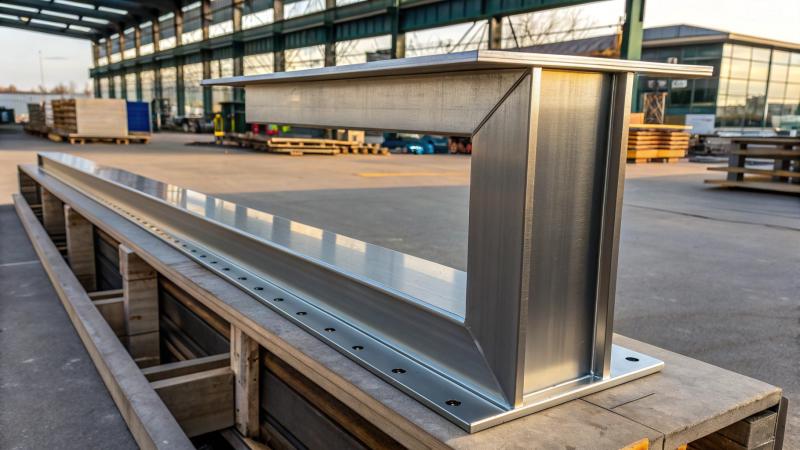
To understand how green shipbuilding changes selection, we must first understand the product itself. The terminology and forms of L-shaped steel are the same, but the criteria for choosing them are evolving. Let’s start with the basics.
What is the L shaped piece of steel?
You are in a meeting with a sustainability consultant. They ask, "What is the carbon footprint of the L-shaped steel1 in your design?" You need to answer. The L-shaped piece of steel is not just a structural component anymore. It is also a data point in the vessel’s environmental profile. Understanding what it is, and where it comes from, is the first step.
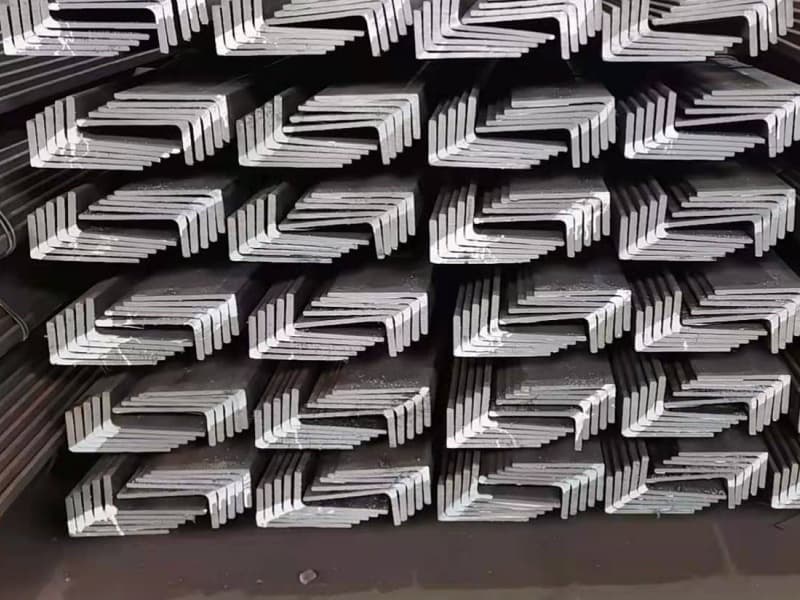
An L-shaped piece of steel, in shipbuilding, is typically a rolled angle section used for framing and stiffening, or a fabricated bracket cut from plate for connections. Both serve critical structural roles. In the context of green shipbuilding2, the key is not just the shape, but how it was made. Was it produced in a blast furnace with high CO2 emissions? Or in an electric arc furnace using recycled scrap? This matters more than ever.
The Green Implications of How L-Shaped Steel Is Made
The production method has a massive impact on carbon footprint.
| 1. The Two Main Production Routes. | Production Method | Process | Carbon Footprint | Raw Material |
|---|---|---|---|---|
| Blast Furnace – Basic Oxygen Furnace (BF-BOF) | Iron ore and coke are smelted in a blast furnace, then steel is made in a BOF. | High. ~2.0-2.5 tons CO2 per ton of steel. | Virgin iron ore. | |
| Electric Arc Furnace3 (EAF) | Steel scrap is melted using electricity. | Low to Medium. ~0.5-1.0 tons CO2 per ton of steel, depends on electricity source. If powered by renewables, near zero. | Recycled steel scrap. |
2. The Relevance to L-Shaped Steel.
- Rolled Angles: Can be produced by either route, depending on the mill. Some mills use EAFs to produce high-quality sections.
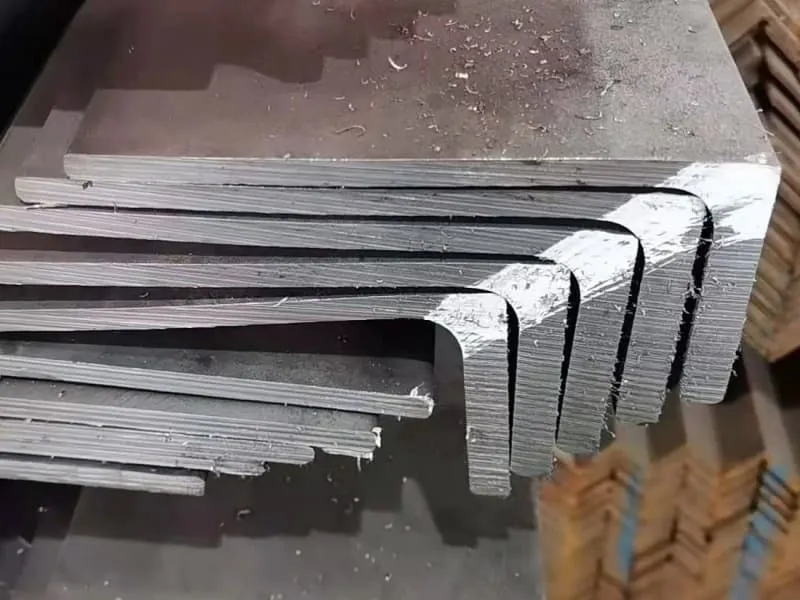
- Fabricated Brackets: Cut from plate. The plate’s production route determines the bracket’s footprint.
3. What Green Shipbuilding Demands.
- Lower Carbon Footprint: Specify steel from EAF mills, especially those using renewable energy.
- Recycled Content: Require a minimum percentage of recycled content in the steel.
- Transparency: Ask for Environmental Product Declarations4 (EPDs) that document the steel’s footprint.
4. The Trade-Off.
EAF steel can sometimes cost more than BF-BOF steel, especially if scrap prices are high. But for a green project, this premium may be acceptable. Some owners are willing to pay for lower emissions.
My Insight from the Field
A European client recently asked us to source L-shaped steel1 for a "green" vessel. They specified that all steel must come from EAF mills with a maximum carbon footprint of 0.8 tons CO2 per ton. We worked with our partner mills to provide certified EAF-produced angles with full EPD documentation. The cost was slightly higher, but the client’s sustainability goals were met. This is the new reality of green shipbuilding2.
What is the best steel for the marine environment?
You are selecting steel for a vessel designed to last 30 years in harsh seas. Traditionally, the answer was clear: marine-grade HSLA steels like AH36 or DH36. But green shipbuilding1 adds a new layer. The "best" steel now must balance performance with environmental impact. Is there a material that does both?
The best steel for the marine environment remains high-strength low-alloy (HSLA) steels2 like AH36, DH36, and EH36. They offer the ideal combination of strength, toughness, weldability, and corrosion resistance3. However, green shipbuilding1 adds a new dimension: the production route. The "best" now also means steel produced with lower carbon emissions, ideally from electric arc furnaces using recycled scrap and renewable energy. The grade is the same, but the mill and process matter more.
The New Definition of "Best"
Performance and sustainability are now considered together.
| 1. The Traditional "Best": Performance. | Property | Why It Matters |
|---|---|---|
| Strength | Allows lighter structures, reducing weight and fuel consumption. | |
| Toughness | Prevents brittle fracture in cold ocean waters. | |
| Weldability | Enables efficient fabrication without defects. | |
| Corrosion Resistance | Extends the vessel’s life, reducing maintenance and replacement. |
| 2. The New "Best": Sustainability. | Factor | Why It Matters |
|---|---|---|
| Carbon Footprint | Lower emissions during production contribute to the vessel’s overall environmental profile. | |
| Recycled Content | Using recycled scrap reduces demand for virgin iron ore and lowers energy use. | |
| End-of-Life Recyclability | Steel is 100% recyclable. Choosing steel ensures the vessel’s materials can be reused. | |
| Production Transparency | Documentation like EPDs allows owners to verify and report on their sustainability. |
3. Is There a Trade-Off?
Not necessarily. Modern EAF mills can produce HSLA grades like AH36 with excellent properties. The steel’s performance is the same. The difference is in the production emissions. The "best" steel for a green project is the same grade, but from a greener mill.
4. The Role of High-Strength Steels.
Using higher-strength steels (AH36, DH36) actually contributes to sustainability. Because they are stronger, you can use less steel to achieve the same structural capacity. This reduces the total steel weight of the vessel, which:
- Lowers fuel consumption during the ship’s operating life.
- Reduces the total carbon footprint4 of the steel production.
- Saves cost in material and freight.
My Insight from the Field
A shipyard in Vietnam was building a series of container ships. They switched from Grade A to AH36 for the main hull. This reduced the steel weight by 15%. The vessels were lighter, more fuel-efficient, and had a lower total carbon footprint4. The owner was happy with the performance and the environmental benefit. This is a win-win that green shipbuilding1 encourages.
What is L-shaped steel called?
You are preparing a tender document for a green vessel. You need to specify the steel precisely. The name you use matters. If you simply say "L-shaped steel," you may get a product that meets the shape but not the sustainability requirements. The name must signal the grade, the certification, and now, the environmental credentials.
L-shaped steel is most commonly called angle steel1 or L-section. For marine applications, it is called marine angle steel2l](https://cnmarinesteel.com/what-is-l-shaped-steel-and-how-its-used-in-shipbuilding/)[^1] or ship angle steel1, indicating it meets classification society requirements. In the context of green shipbuilding, the name may be preceded by terms like "green" or "low-carbon," or the specification may include requirements for EPDs and recycled content. The name is evolving to reflect environmental performance.
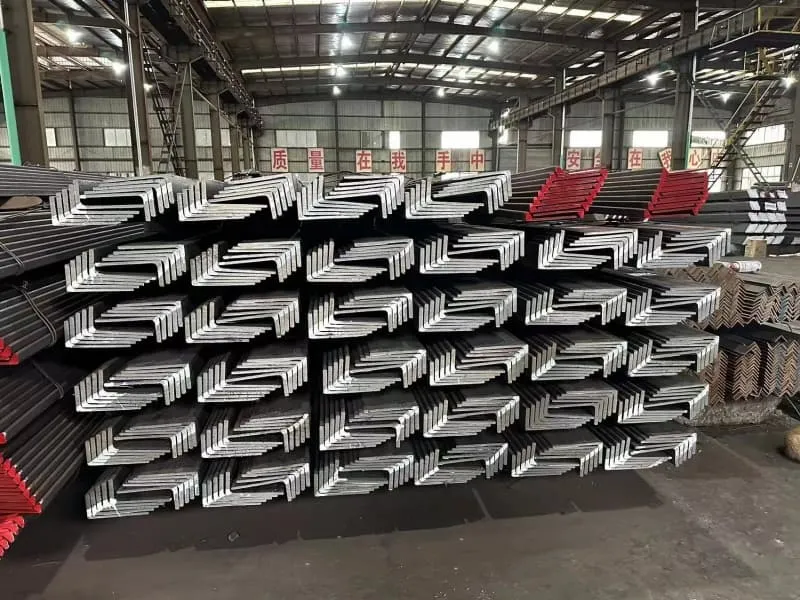
Evolving Terminology for a Green Era
The words we use shape what we get.
| 1. Traditional Names. | Term | What It Implies |
|---|---|---|
| Angle Steel | Basic L-shaped steel, grade unspecified. | |
| Marine Angle Steel | Meets classification society rules, suitable for shipbuilding. | |
| L-Section | Technical term, implies dimensional standard. | |
| Ship Angle Steel | Same as marine angle steel2l](https://cnmarinesteel.com/what-is-l-shaped-steel-and-how-its-used-in-shipbuilding/)[^1]. |
| 2. Emerging Green Terminology. | Term | What It Implies |
|---|---|---|
| Low-Carbon Angle Steel | Produced with reduced CO2 emissions, often from EAF mills. | |
| Green Steel | A broad term, often meaning low-carbon and/or high recycled content. | |
| EAF-Produced Angle Steel | Made in electric arc furnace, lower footprint. | |
| Certified Low-Emission Steel | Has third-party verification of carbon footprint (e.g., EPD). |
3. How to Specify for Green Projects.
Your specification should include both traditional and green requirements.
- Traditional: "Marine angle steel1, L-section 150 x 90 x 12 mm, to EN 10056, Grade DH36 with ABS certification."
- Green Add-Ons: "Steel must be produced via EAF route with minimum 90% recycled content. Supplier must provide Environmental Product Declaration (EPD)3 certifying carbon footprint below 0.8 tons CO2 per ton of steel."
4. Verification Matters.
Green claims need verification. Do not just accept a supplier’s word that their steel is "green." Ask for:
- EPD: A standardized document that reports the product’s lifecycle environmental impact.
- Mill Certificates: Showing the production route and recycled content, if available.
- Third-Party Certification: Some organizations certify low-carbon steel.
My Insight from the Field
A client in Northern Europe asked us to quote "green marine angles." We asked for their definition. They specified: EAF-produced, >90% recycled scrap, carbon footprint <0.7 tons CO2/ton, with EPD. We sourced from a mill that met all criteria. The client received the material with full documentation. They used this to claim credits in their environmental reporting. This is how green procurement works in practice.
What does L mean in steel?
You are reading a drawing. It says "L 150x90x12." The "L" is obvious: it means L-shaped. But in a green shipbuilding1 context, the "L" might also be a starting point for a conversation about sustainability. The shape is the same, but the story behind it is different.
In steel industry notation, "L" stands for "L-shaped section2" or "angle." It is the standard prefix indicating the profile is an angle. However, in the context of green shipbuilding1, what comes after the "L" is just as important. The dimensions, the grade, and now the production method and carbon footprint3 all define the material. The "L" is the shape. The rest of the specification tells the full story.
%[L notation steel green specification](https://cnmarinesteel.com/wp-content/uploads/2026/01/l-shaped-steel-41.jpg "L Notation Green Steel")
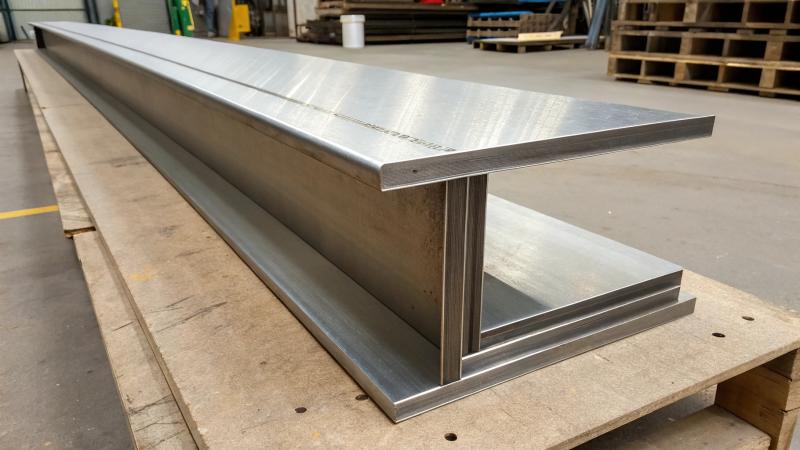
Beyond the Shape: The Full Specification
The "L" is just the beginning.
1. The Traditional Specification.
- L: Shape (angle).
- 150x90x12: Dimensions (long leg, short leg, thickness).
- DH36: Grade (high-strength, -20°C toughness).
- ABS: Certification (American Bureau of Shipping).
- EN 10056: Dimensional standard.
2. The Green Specification Adds Layers.
- Production Route: EAF (electric arc furnace)4.
- Recycled Content: 95% scrap.
- Carbon Footprint: 0.65 tons CO2/ton.
- EPD: Available upon request.
3. Why This Matters for Procurement.
A buyer in a green shipbuilding1 project must specify all these layers. The "L" alone is not enough. The full specification becomes:
"L 150x90x12, DH36, ABS certified, to EN 10056. Steel must be EAF-produced with minimum 90% recycled content and carbon footprint3 <0.8 tCO2/t, with EPD documentation."
4. The Future.
As green shipbuilding1 becomes mainstream, we may see new notations. Perhaps "L-G" for green angle, or a new standard for low-carbon steel. But for now, the responsibility is on the buyer to specify clearly and on the supplier to document accurately.
My Insight from the Field
A procurement manager in Singapore once told me, "In the past, I only cared about the 'L' and the numbers. Now I care about the whole sentence." This sums up the shift. The shape is still the shape. But the story behind the steel—where it came from, how it was made—is now part of the specification. A good buyer knows how to tell that story through their procurement documents.
Conclusion
Green shipbuilding is changing how we select marine L-shaped steel. The grades and shapes remain the same, but new criteria—carbon footprint, recycled content, production method—now influence decisions. Buyers must specify and verify these factors to meet sustainability goals.
-
Explore the significance of green shipbuilding to learn how sustainability is reshaping the industry. ↩ ↩ ↩ ↩ ↩ ↩ ↩ ↩ ↩ ↩ ↩ ↩
-
Understanding L-shaped sections is crucial for anyone involved in steel procurement and construction. ↩ ↩ ↩ ↩ ↩ ↩
-
Discover how carbon footprints are calculated in steel production to make informed, eco-friendly choices. ↩ ↩ ↩ ↩ ↩
-
Learn about EAF technology and its role in producing sustainable steel with lower environmental impact. ↩ ↩ ↩ ↩