
Are you still sourcing L-shaped steel the same way you did five years ago?
The global L-Section Steel market is projected to grow from USD 8.56 billion in 2025 to USD 12 billion by 2035, at a CAGR of 3.4%. For shipbuilders, this growth brings both opportunity and risk — from price volatility and tariff shocks to new steel grades that could change how you design and procure.
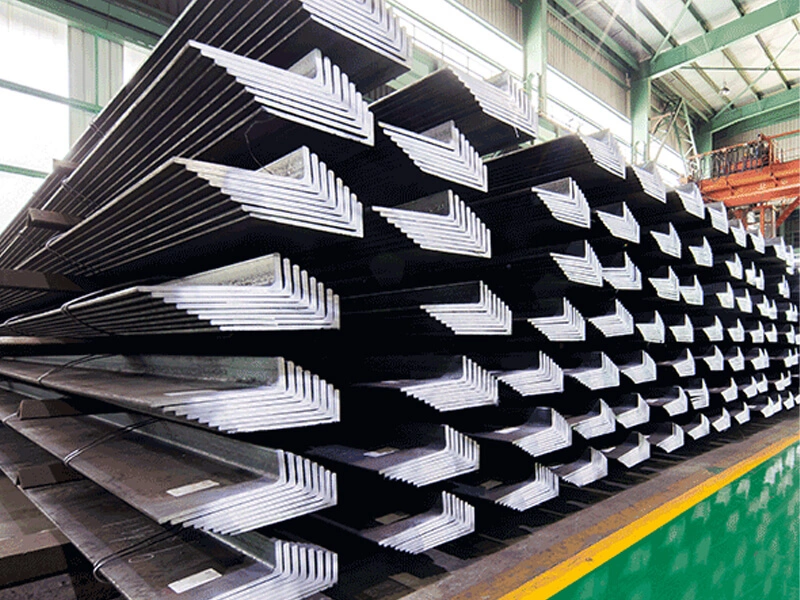
I have been in the marine steel business for years. I work with shipbuilders from Vietnam to Saudi Arabia. And I can tell you this: the landscape for L-shaped steel is shifting faster than most buyers realize. If you are a procurement manager, a project contractor, or a shipyard owner, you need to pay attention to what is coming.
Let me walk you through the four trends that matter most right now.
What Are the Global Market Growth Projections for L-Shaped Steel Through 2035?
Do you know how much L-shaped steel demand will grow over the next decade — and where that growth is happening?
The global L-Section Steel market is expected to grow from USD 8.56 billion in 2025 to USD 12 billion by 2035, with a compound annual growth rate of 3.4%. Asia-Pacific currently dominates with over 64% of the structural steel market share, and this region will continue to lead through 2035.
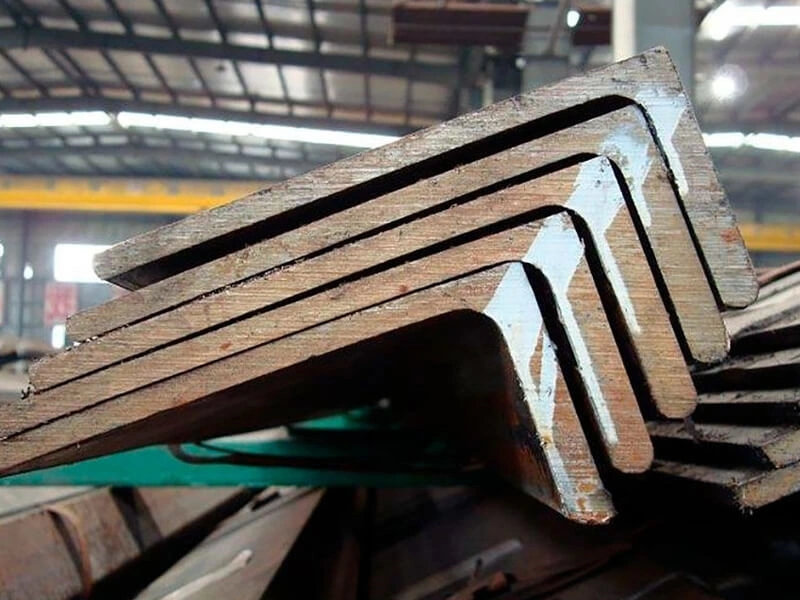
What is driving this growth?
Three main forces are pushing demand for L-shaped steel higher. Let me break them down for you.
Infrastructure investment. Governments around the world are spending big on infrastructure. In the U.S., over $1 trillion in funding allocations are accelerating demand across transportation, energy, and public construction projects. In Asia-Pacific, rapid urbanization and expanding industrial activities are driving consumption. Every bridge, every port, every industrial building needs structural steel. And L-shaped steel is a key part of that equation.
Shipbuilding activity. The shipbuilding industry is experiencing steady growth. The global shipbuilding steel plate market is projected to grow at a CAGR of over 4% from 2024 to 2032. The Shipbuilding & Ship Parts Market was valued at USD 175.59 billion in 2025 and is projected to reach USD 254.84 billion by 2032. More ships mean more steel. And L-shaped steel is used extensively in hull structures, stiffeners, and framing.
Construction sector demand. The construction sector is the largest consumer of L-Section Steel. Over 68% of demand increase is driven by infrastructure expansion. More than 65% of multi-story commercial buildings rely on structural steel frameworks. This trend is not slowing down.
Where is the growth happening?
| Region | Market Share | Key Drivers |
|---|---|---|
| Asia-Pacific | 64%+ | Rapid urbanization, industrial expansion, shipbuilding hub |
| North America | 16% | Infrastructure spending, industrial demand |
| Europe | 12% | Green steel initiatives, renovation projects |
| Middle East & Africa | 8% | Oil & gas projects, port development |
Asia-Pacific is the story here. Countries like China, South Korea, and Japan are not just the largest producers of steel. They are also the largest consumers. And with shipbuilding activity shifting toward Southeast Asia and the Middle East, demand for L-shaped steel in these regions will only grow.
What does this mean for you?
If you are a shipbuilder or a steel buyer, you need to secure your supply chain now. Demand is rising. Competition for quality L-shaped steel will increase. Prices will reflect that. The buyers who act early — who build relationships with reliable suppliers — will have the upper hand.
I have seen this play out before. In 2021, when steel prices spiked, buyers with long-term contracts and strong supplier relationships were protected. The ones who waited? They paid a premium. Do not be that buyer.
How Are Steel Price Volatility and Geopolitical Tariffs Shaping L-Shaped Steel Costs?
Have you noticed your steel invoices creeping higher — and wondered if the trend will continue?
Steel prices have increased 20.9% year-over-year according to the U.S. Bureau of Labor Statistics. The U.S. has implemented 25% tariffs on steel and aluminum, and producers are passing these costs directly to buyers. For L-shaped steel, this means higher prices and more uncertainty through 2026 and beyond.
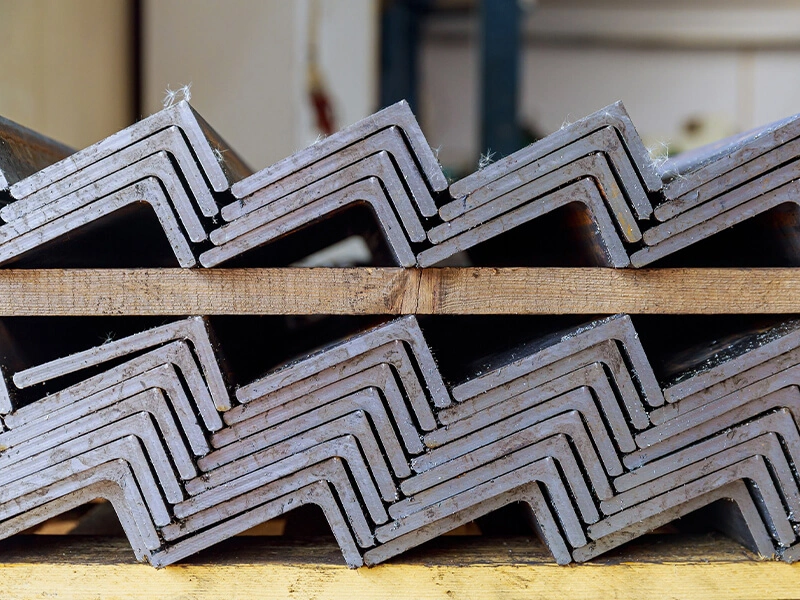
What is driving steel price volatility right now?
Let me give you the straight answer. Multiple factors are pushing steel prices up.
Geopolitical tariffs. The U.S. Section 232 tariffs are set at 50% on steel and aluminum. These tariffs are expected to continue well into 2026. The impact is real. For steel-intensive projects, embedded tariff costs are running approximately $15 to $25 per square foot. Aggregate construction cost escalation is estimated at roughly 8% under current policy conditions. And here is the kicker: you cannot dodge these tariffs by importing metal-bearing fabrications and parts. The tariff applies to the steel content regardless of the final product form.
Energy costs. The rolling mill process for steel angles requires substantial heat and electricity. Crude oil has exceeded USD 120 per barrel. Higher energy costs mean higher production costs. And those costs get passed down the supply chain.
Logistics disruptions. Shipping costs for steel angles from Asian exporters to Middle Eastern and African markets have increased 25 to 30%. Regional steel traders indicate that insurance premiums and freight hikes are being reflected in new offers. Suppliers are adding contingency margins to offset the unpredictability of transit times.
Supply constraints. U.S. mills have experienced production outages. These outages have tightened steel supply and applied upward pressure to prices. When supply tightens and demand stays strong, prices go up.
How are tariffs reshaping the market?
Let me be clear about this. Tariffs are not just a U.S. issue. The EU Carbon Border Adjustment Mechanism (CBAM) will impose a charge on imports of selected products based on their carbon content starting from 2026. For shipbuilders, this means that steel sourcing decisions will have financial consequences beyond the purchase price.
The World Bank’s metals and minerals price index is projected to rise by 17% in 2026 — well above the increase of less than 1% expected in January — and reach an all-time high. Commodity prices overall are forecast to rise 16% in 2026.
Here is what this means for you in practical terms:
| Factor | Impact on L-Shaped Steel Costs |
|---|---|
| U.S. steel tariffs (25-50%) | Direct cost increase passed to buyers |
| EU CBAM (2026) | Carbon-related surcharges on imports |
| Energy prices (oil >$120/barrel) | Higher production costs |
| Shipping costs (+25-30%) | Higher landed cost |
| Mill production outages | Tighter supply, upward price pressure |
What should you do about it?
I tell my clients the same thing I am telling you now: do not wait for prices to come down. They probably will not. Not in the near term. Instead, focus on what you can control.
Lock in prices where possible. Build relationships with suppliers who can offer stable pricing. Consider flexible MOQ arrangements that allow you to buy in bulk when prices are favorable. And most importantly, work with suppliers who communicate clearly and respond quickly. When markets are volatile, speed matters.
Why Are Technological Innovations and New Steel Grades Transforming L-Shaped Steel Production?
Are you still specifying the same steel grades you used a decade ago — and missing out on better options?
Technological innovations are transforming L-shaped steel production. New high-strength low-alloy (HSLA) grades like A572 Gr50 offer minimum yield strength of 345 MPa and tensile strength of 450-620 MPa. Automation and AI-driven quality control are enhancing efficiency and reducing costs in L-Section Steel manufacturing.
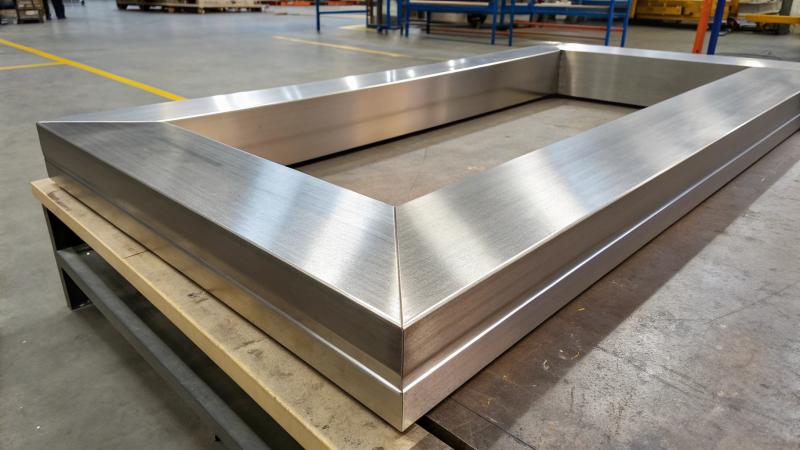
What new steel grades should you know about?
The steel industry is not standing still. New grades are being developed that offer better performance, lighter weight, and longer service life.
High-strength low-alloy (HSLA) steels. Grades like A572 Gr50 are becoming more common in shipbuilding. These steels offer superior strength-to-weight ratios. That means you can use less steel to achieve the same structural integrity. Less steel means lower weight. Lower weight means better fuel efficiency for the vessels you build.
Ship-specific grades. ASTM A131 grades are designed specifically for shipbuilding and offshore structures. These grades are manufactured to withstand cyclic wave loading, corrosive marine environments, and stringent classification society requirements.
Corrosion-resistant options. Stainless steel angle bars made from 316L offer excellent corrosion resistance, especially in chloride environments. For shipbuilders working in saltwater environments, this is a game-changer.
Cold-formed steel angles. These are precision-manufactured L-shaped structural steel sections produced by cold bending steel strip or plate at ambient temperature. They combine the structural properties of carbon steel grades like S235JR and S355J2 with the manufacturing advantages of the cold-forming process.
How is production technology changing?
The way L-shaped steel is made is evolving too.
Automation and AI. Technological advancements in steel production processes, such as the integration of automation and AI-driven quality control, are enhancing efficiency and reducing costs. This means more consistent quality and fewer defects.
Hot rolling precision. The hot rolling manufacturing process involves heating steel billets above the recrystallization point and precisely rolling them into the L-shaped cross-section. Modern hot rolling techniques allow for tighter tolerances and better surface finish.
Additive manufacturing. Wire-arc additive manufacturing (WAAM) processes are being used to fabricate L-shaped wall structures. While still emerging, these techniques could revolutionize how complex steel shapes are produced.
Why should you care about these innovations?
Here is the bottom line. New steel grades and production technologies can save you money. They can improve the performance of your vessels. They can reduce maintenance costs over the life of the ship.
| Innovation | Benefit for Shipbuilders |
|---|---|
| HSLA steels (A572 Gr50) | Higher strength-to-weight ratio, lighter vessels |
| Ship-specific grades (A131) | Better marine environment performance |
| Corrosion-resistant alloys (316L) | Longer service life in saltwater |
| Cold-formed angles | Precision manufacturing, consistent quality |
| AI-driven quality control | Fewer defects, better reliability |
I have seen shipbuilders switch to higher-grade steels and reduce their overall steel consumption by 10-15%. That is real money. If you are not evaluating new steel grades, you are leaving money on the table.
How Can Shipbuilders Build Supply Chain Resilience Amid Market Uncertainty?
Are you one shipment away from a project delay — and do you have a backup plan?
Shipbuilders can build supply chain resilience by diversifying suppliers, securing long-term contracts, and working with partners who offer flexible MOQ and third-party inspection support. The ability to guarantee stable steel supply is becoming a critical differentiator for shipyards.
What are the biggest supply chain risks right now?
Let me be honest with you. The risks are significant.
Supplier concentration. Top 10 manufacturers control nearly 48% of the structural steel market share. When a few players control so much of the market, any disruption to their operations affects everyone.
Geopolitical disruptions. The West Asia conflict has sent costs soaring. Shipbuilders in Tamil Nadu report that rising prices of steel, engines, and raw materials — all traced to the West Asian war — are eroding profits. Regional conflicts can disrupt supply chains overnight.
Workforce and infrastructure challenges. A CSIS report from December 2025 laid it out bluntly: the shipbuilding industry faces "workforce limitations, aging and insufficient infrastructure, and a brittle supply chain." These are not short-term problems. They are structural issues that will take years to fix.
CBAM exposure. For shipyards, the ability to guarantee green steel and circular aluminium supply chains becomes a critical differentiator. Bundled offerings can reduce exposure from approximately EUR 16 million to approximately EUR 8-9 million per vessel. That is a significant cost difference.
How can you build resilience?
I have helped many clients navigate these challenges. Here is what works.
Diversify your supplier base. Do not rely on a single supplier. Work with multiple suppliers in different regions. If one supplier experiences a disruption, you have options.
Secure long-term contracts. Long-term contracts with fixed or index-linked pricing can protect you from price volatility. Shipbuilders have called for transparent, index-linked pricing models for shipbuilding-grade steel. This is a smart move.
Work with partners who offer flexibility. Look for suppliers who offer flexible MOQ. Look for suppliers who support third-party inspection. Look for suppliers who communicate quickly and clearly.
Consider strategic partnerships. Hanwha Ocean and Algoma Steel signed an MOU with up to USD $250 million to support facility development and steel procurement. Seaspan Vancouver Shipyards signed an MOU to reestablish a national steel supply chain. These are examples of how major players are securing their supply chains.
What should you look for in a steel supplier?
Based on my experience working with shipbuilders around the world, here are the qualities that matter most.
| Supplier Quality | Why It Matters |
|---|---|
| Fast response time | Delays cost money. You need answers within hours, not days. |
| Quality consistency | Surface finish and dimensional tolerances matter. Inconsistent quality means rework. |
| Third-party inspection support | SGS or equivalent inspection gives you peace of mind. |
| Flexible MOQ | You should not have to over-order to get the steel you need. |
| Clear communication | English-speaking support staff make a difference during after-sales. |
I learned this lesson working with Gulf Metal Solutions in Saudi Arabia. Before they found us, they dealt with delayed responses, quality inconsistency, and a lack of English-speaking support. After they switched to a supplier who offered dedicated export sales reps, third-party inspection, and flexible MOQ, their experience changed completely.
The feedback they gave us? "The steel company was the first supplier to respond within two hours, and maintained this rapid response speed throughout the entire delivery process. The product quality is stable, and the packaging is the best among all the packaging for ship plates we have received so far."
That is what supply chain resilience looks like in practice. It is not just about having steel in stock. It is about having a partner who responds quickly, delivers consistently, and communicates clearly.
Conclusion
L-shaped steel demand is growing to USD 12 billion by 2035, but volatility, tariffs, and supply chain risks demand smarter procurement strategies now.