
I remember standing in a shipyard in Vietnam. The project manager looked tired. He told me his steel plates were stuck at a port 5,000 miles away. His whole schedule fell apart.
The lead time of marine steel plates decides if your project finishes on time or faces costly delays. Lead time is the total time from placing an order to getting the material delivered to your site.
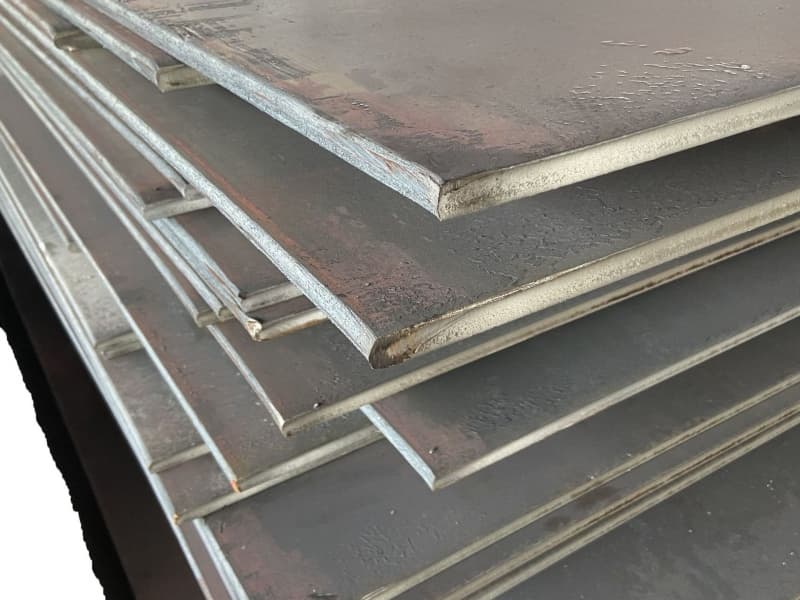
If you are reading this, you probably already know that steel delivery can make or break your project. But maybe you want to understand exactly why lead time matters, what goes into it, and how you can plan better. Let me walk you through the real impact of lead time on marine steel plate project planning based on my years of experience supplying steel to shipbuilders and contractors around the world.
Why is lead time1 important in production planning?
I once talked to a buyer from Qatar. He was confident his steel would arrive in four weeks. But when week four came, there was no steel. He had to stop welding, send workers home, and pay penalties2 to his client.
Lead time is important because it sets the foundation for your entire project schedule. If you don’t know exactly when your steel arrives, you cannot plan labor, equipment, or other materials.
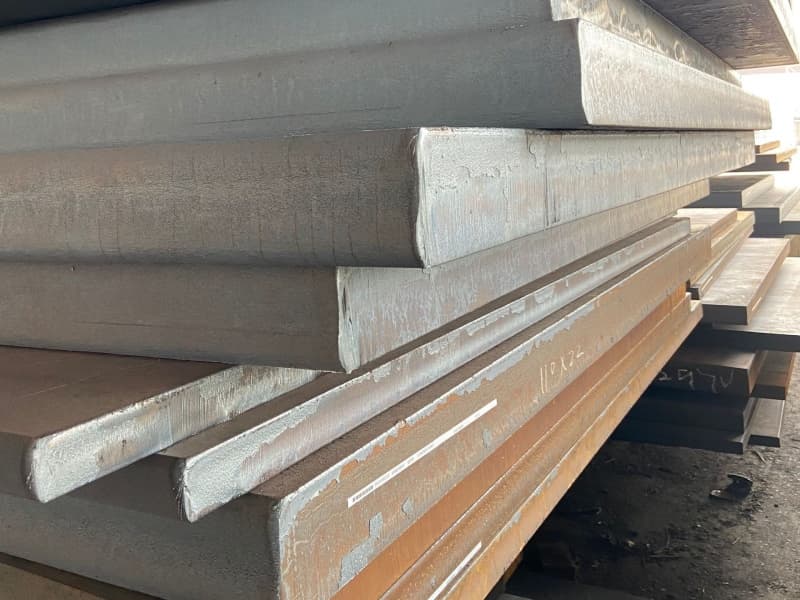
Lead time connects directly to project cash flow3
When you order marine steel plates, you often pay a deposit. Then you wait. During this waiting period, your money is tied up. You cannot use it for other parts of the project. A longer lead time means your capital stays locked for more days. This affects your cash flow, especially if you have multiple projects running at the same time.
Labor and equipment scheduling depends on steel arrival
In shipbuilding, welders and fitters work in a sequence. The first step is cutting and shaping steel plates. If the plates are late, these skilled workers have nothing to do. But you still pay them. Or worse, you might lose them to another employer who has work ready. I have seen contractors lose their best teams simply because steel arrived late.
Equipment like cranes, cutting machines, and bending rollers also sit idle when steel is missing. These machines cost money every day, whether they work or not.
Project milestones and penalties
Most marine construction contracts have milestone dates. Finish the hull by a certain day. Launch the vessel by another day. If you miss these dates, you pay penalties. The penalties often cost much more than the steel itself. In some cases, you can lose future contracts because clients remember delays.
I remember a customer from Malaysia who ordered marine angle steel from us. He told me his previous supplier from another country delivered three weeks late. He missed a key inspection date. The client charged him a penalty that ate up all his profit on that job. He switched to us because we gave him a realistic lead time and stuck to it.
Buffer time and risk management
Smart project planners add buffer time4. They do not schedule steel arrival on the exact day cutting starts. They ask for delivery one or two weeks before. This way, if there is a small delay at the port or in customs, the project does not stop.
But buffer time only works if you know the real lead time. If you think lead time is 30 days but it is really 45 days, your buffer disappears. You are back to the same problem.
| Impact Area | Without Lead Time Knowledge | With Accurate Lead Time |
|---|---|---|
| Cash Flow | Money tied up longer, surprises in payment schedule | Planned payments, better cash management |
| Labor | Workers idle or lost | Workers arrive when steel is ready |
| Equipment | Machines unused, rental costs continue | Equipment booked just in time |
| Project Schedule | Missed milestones, penalties | On-time completion, happy clients |
| Reputation | Seen as unreliable | Known as dependable contractor |
What is the lead time for marine steel plate production?
A customer from Saudi Arabia once asked me, "Can you deliver in 20 days?" I had to be honest. I told him, "No, that is not possible if we want quality steel from a certified mill."
Lead time for marine steel plates usually ranges from 30 to 60 days. This depends on many factors like mill schedules, plate sizes, and certifications needed.
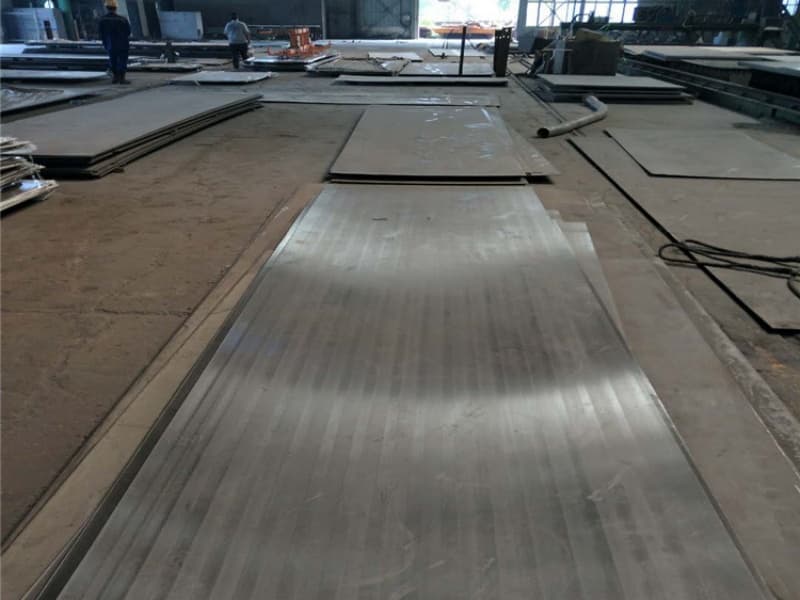
The production steps take time
Marine steel plates are not sitting on a shelf waiting for you. Most are made to order. Here is what happens after you place an order:
First, the mill checks its production schedule1. Steel mills run continuous processes. They plan months ahead. Your order gets inserted into an available slot. This can take one to two weeks just to get a confirmed production date.
Next, the raw materials need to be prepared. Iron ore, scrap, and alloys are melted in a furnace. Then the molten steel is cast into slabs. These slabs are reheated and rolled into plates. Rolling alone can take several days depending on the thickness and size of plates you need.
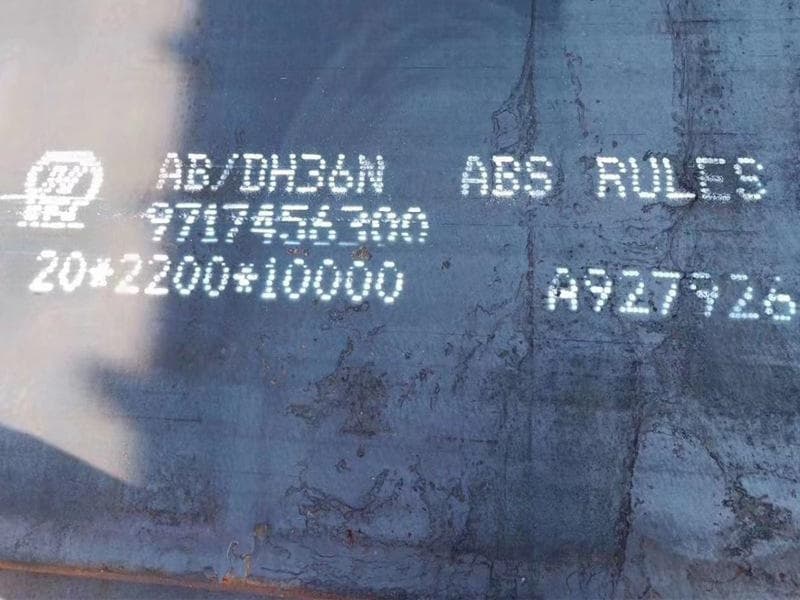
After rolling, the plates go through testing. Marine steel requires strict certifications like ABS, BV, DNV, or Lloyd’s Register. Samples are cut from each plate and sent to a lab. The lab tests chemical composition and mechanical properties. This process takes at least three to five days.
If any plate fails the test, it must be re-rolled or rejected. This adds more time.
Different plate sizes affect lead time
Standard sizes are faster. If you order common dimensions like 2000x6000mm or 2500x12000mm, the mill might have patterns ready. But if you need special sizes, the mill must adjust its rollers. This takes extra setup time.
Also, thick plates take longer to roll. They need more passes through the rollers and more cooling time. Thin plates cool faster but might require more careful handling to avoid warping.
Mill capacity and order book
Steel mills are busy. When the shipbuilding industry is strong, mills book up months ahead. Your lead time depends on how full their order book is. If you order during a slow season, you might get faster production. But if you order when everyone is building ships, you wait.
I always tell my clients to ask about the mill’s current load. We work with certified mills2 in China. We check their schedules weekly. This way, we give our customers real lead times, not just guesses.
Transportation adds days or weeks
Production is only half the story. After the plates are made, they must travel to you. If you are in Vietnam or the Philippines, sea freight might take 7 to 14 days. If you are in Saudi Arabia, maybe 20 to 25 days. Then there is customs clearance. Some ports are fast. Some are slow. In some countries, customs can add another week.
So total lead time = mill scheduling + production + testing + transport + customs. Each step has its own timeline.
What are the factors affecting lead time?
I learned this lesson from a customer in Romania. He ordered bulb flat steel. Everything was fine until we hit a problem with the rolling schedule. The mill had to prioritize a big government order. His plates got pushed back by two weeks.
Many things can change lead time. Some are in your control. Some are not.
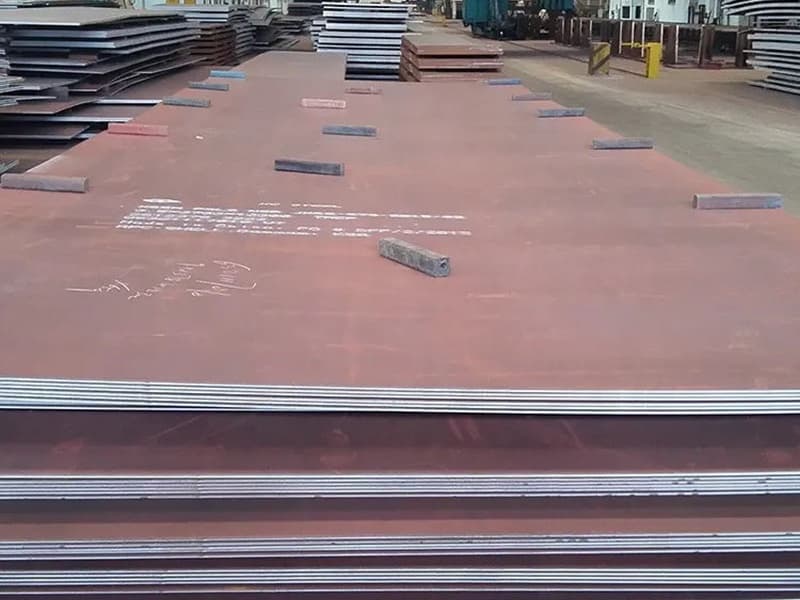
Mill production schedule1
This is the biggest factor. Steel mills are like airports. They have many flights (production runs) each day. If your order is small, it might wait until the mill has enough orders to fill a full production batch. Some mills only run certain grades once a month.
We work with multiple mills. This helps us find the mill that can produce your order the fastest. But even then, we cannot control when the mill runs your specific steel grade.
Material availability2
Some steel grades use special alloys. If the mill does not have those alloys in stock, they must order them. This adds days or weeks. Common grades like AH36 or DH36 are usually available. But if you need something like EH40 or FH grades, the mill might need to source materials first.
Plate dimensions and quantity3
Small orders of standard sizes are easiest. Large orders of special sizes take longer. The mill must plan how to cut slabs to get the most plates from each slab. This optimization takes time.
Also, very thick plates cool slowly. The mill can only stack so many thick plates at once because they need to cool properly. This limits how many thick plates they can produce in a day.
Certification requirements4
Marine plates need classification society approval. Each society has its own rules. Some are stricter than others. The mill must invite the surveyor to witness tests and inspect plates. Surveyors are busy. They might not come the same day you call them. Booking a surveyor can add three to five days.
I remember one order for Mexico. The client wanted ABS certification. The ABS surveyor was only available twice a week at that mill. We had to schedule production to match the surveyor’s visit.
Season and weather5
In winter, some mills in northern China slow down because of cold weather. Production takes a bit longer. In summer, electricity shortages can cause shutdowns. Also, sea transport is affected by typhoons in Asia or storms in other regions. Bad weather at sea can delay ships by days or weeks.
Port and customs efficiency6
Some ports are modern and fast. Others are old and slow. In some countries, you need to pay bribes to move goods quickly. In others, the system is digital and smooth. I advise my clients to choose ports they know are efficient. If the destination port is slow, we factor that into the lead time we quote.
Payment and documentation delays
Sometimes the delay happens after production. The buyer does not pay the final amount on time. Or the documents like bills of lading and certificates get held up in banks. These delays are not the mill’s fault, but they still affect when you get the steel.
Here is a table showing factors and how they affect lead time:
| Factor | Typical Impact on Lead Time | Can You Control It? |
|---|---|---|
| Mill schedule | 1-4 weeks added if order misses a cycle | Partly, choose right time |
| Material availability | 1-2 weeks if special alloys needed | No |
| Plate dimensions | 1-2 weeks for non-standard sizes | Yes, choose standard sizes |
| Certification | 3-7 days for surveyor visit | No, but plan ahead |
| Season/weather | 1-4 weeks possible delays | No |
| Port/customs | 1-3 weeks depending on location | Partly, choose better port |
| Payment/documentation | 1-7 days if delayed | Yes, prepare in advance |
What are the consequences of long lead times1?
A contractor from Thailand once shared a story. He ordered marine steel plates from a supplier who promised 35 days. The steel arrived in 70 days. By then, his client had given the job to another company. He lost the contract completely.
Long lead times hurt more than just your schedule. They affect your whole business.
Financial losses add up fast
First, there are direct costs. You might pay overtime to workers later to catch up. You might pay for express shipping if you need to airfreight small items. You might pay penalties written in your contract.
Then there are indirect costs. Your reputation suffers. Clients remember who caused delays. They might not invite you to bid on future projects. New clients check your track record. If you are known for delays, you lose bids before they start.
Relationship strain with your team and subcontractors
When steel is late, you have to tell your workers, "Sorry, no work today." They get upset. Some will leave for other jobs. Subcontractors who were booked for your project now have empty slots. They might charge you for the idle time or refuse to work with you again.
I saw this happen with a customer in the Philippines. He lost his best welding crew because they found another employer who had steady work. It took him months to rebuild his team.
Quality compromises to save time
Sometimes, when lead time is too long, buyers look for faster options. They might buy from a non-certified mill just to get steel sooner. This is risky. The steel might not meet marine standards. It could have hidden defects. Using bad steel in a ship or offshore structure is dangerous. It can lead to failures, accidents, and even loss of life.
I always advise my clients: never sacrifice quality for speed. A few weeks of delay are better than a sinking ship.
Missed market opportunities
In shipbuilding and marine construction, timing matters. If you finish a vessel late, the owner might miss a charter contract. The vessel sits empty instead of earning money. This loss of income can be huge. It might even bankrupt a small shipyard.
I remember a case from Myanmar. A shipyard was building a small tanker. The steel arrived two months late. By the time the tanker was ready, the charter rate had dropped. The owner lost hundreds of thousands of dollars.
Stress and distraction for project managers
Project managers spend too much time chasing steel when it is late. They call suppliers, check shipment status, argue with customs, and reschedule work. This takes focus away from other important tasks like safety, quality control, and client relations. A stressed manager makes more mistakes.
We at CN Marine Steel try to reduce this stress. We give our clients regular updates. We send photos of production. We track the ship. We handle documentation carefully. This way, project managers can focus on their real job: building great vessels.
Conclusion
Lead time controls your project success. Know the real time, plan with buffer, and choose suppliers who deliver on their promises.
-
Understanding the impacts of long lead times can help you mitigate risks and improve project management. ↩ ↩ ↩ ↩
-
Exploring material availability can provide insights into sourcing strategies and potential delays. ↩ ↩ ↩
-
Learning about the impact of dimensions and quantity can help you make informed decisions for your orders. ↩ ↩
-
Understanding certification requirements is crucial for ensuring compliance and avoiding delays in your orders. ↩ ↩
-
Exploring the effects of season and weather can help you plan your orders more effectively. ↩
-
Understanding port and customs efficiency can help you choose better shipping routes and minimize delays. ↩