
A single bad steel batch can delay a ship delivery by months. That risk is too high for any shipyard.
Leading paragraph (max 30 words):
Shipyards need reliable steel flow. One failed delivery stops everything. So how do they pick the right partner for years?
Snippet paragraph (max 50 words):
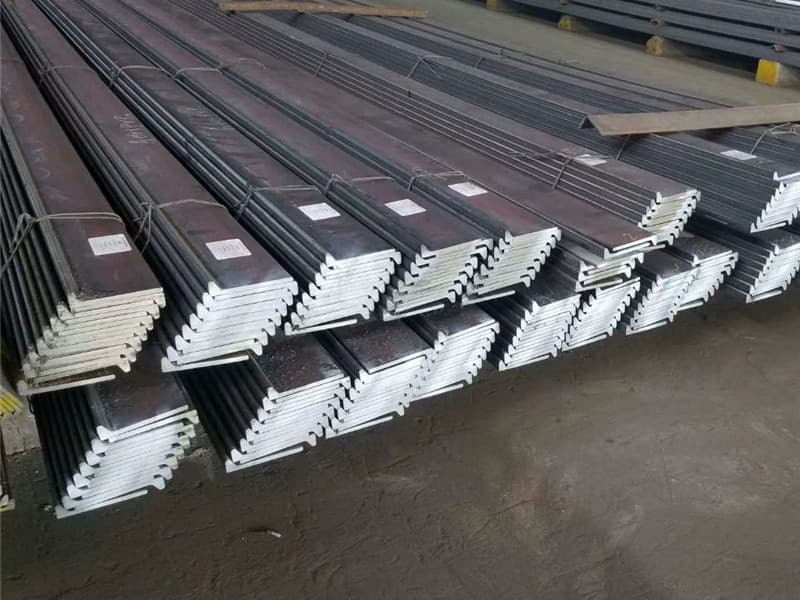
Shipyards build long-term partnerships by checking a supplier’s quality system, traceability, and production capacity first. Then they add regular performance reviews, clear communication, and joint demand planning. This mix cuts risks and keeps costs stable over time.
Transition paragraph:
You might think price is the main factor. But in my years of supplying marine steel to shipyards across Asia and the Middle East, I have learned that price is just the start. Let me walk you through what really matters.
What Key Supplier Capabilities Should Shipyards Evaluate Before Committing to a Long-Term Partnership?
Leading paragraph (max 30 words):
One bad shipment of bulb flat steel can shut down a production line. Shipyards cannot afford that. So what do they check first?
Snippet paragraph (max 50 words):
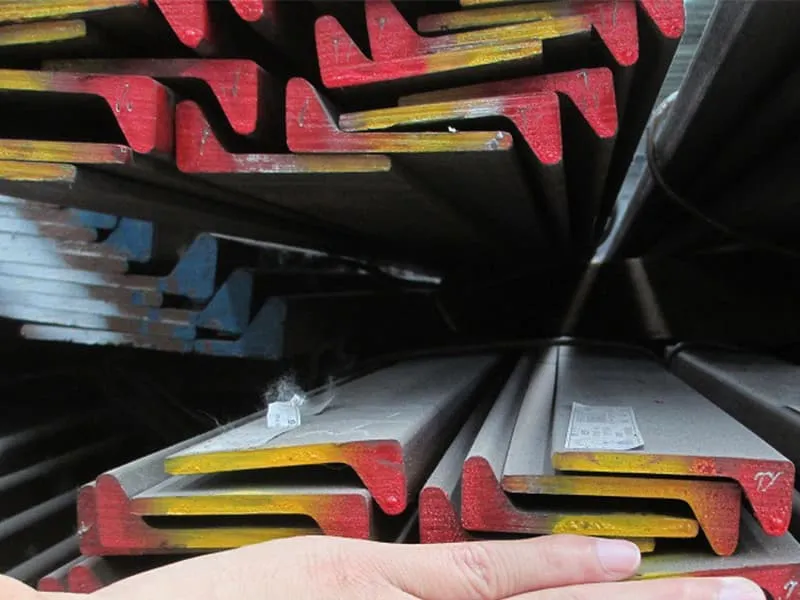
Shipyards should evaluate three supplier capabilities: certified mill partnerships, consistent mechanical properties, and third-party inspection support. A supplier without these cannot guarantee the same quality across years of orders.
Dive deeper paragraph:
I have worked with shipyards from Vietnam to Saudi Arabia. Nearly all of them started by asking the same question: “Can you keep the same standard for five years?” That is the core of a long-term deal.
Let me break down the three capabilities that really matter.
1. Certified Mill Partnerships1
A supplier who buys from random mills every month cannot give you stable steel. I have seen this problem many times. One month the steel comes from Mill A. Next month from Mill B. The chemical composition changes. The mechanical properties drift. Your welding parameters2 stop working.
That is why my company only works with mills that hold ISO and classification society certifications3. We keep the same mill for years. This way the steel’s yield strength, tensile strength, and impact energy stay the same. Your team does not have to re-qualify every batch.
2. Consistent Mechanical Properties4
Bulb flat steel is not a simple bar. Its shape and strength must match your design calculations. I once had a client from Malaysia who switched to a cheaper supplier. The supplier sent steel with the right dimensions but wrong yield strength. The shipyard had to scrap three sections. The cost of rework was five times the steel price.
So I always tell buyers: ask for mill test certificates5 (MTC) from the last six months. Check the numbers. Look for variation. A good supplier will show you low variation across batches.
3. Third-Party Inspection Support6
You cannot trust every supplier’s own reports. Some factories cut corners. They test only the good pieces. That is why serious shipyards ask for SGS or Bureau Veritas inspection before shipment.
In my business, I offer this as a standard option. We pay for the inspector. The client gets the raw data. This removes all doubt. When a buyer in Qatar asked for this, we arranged the inspection within three days. He later told me: “Now I know why your customers stay.”
Here is a simple table to help you compare suppliers quickly:
| Capability | What to ask | Red flag |
|---|---|---|
| Mill certification | “Show me your mill’s latest ABS or LR certificate.” | Supplier avoids naming the mill |
| Mechanical properties | “Send MTCs for the last three shipments.” | Numbers jump more than 5% batch to batch |
| Third-party inspection | “Can you support SGS inspection before loading?” | Supplier says “too expensive” or “not needed” |
These three capabilities are not expensive for a good supplier. But they are impossible for a bad one. So check them first.
How Do Regular Performance Reviews and Transparent Communication Strengthen Supplier Relationships?
Leading paragraph (max 30 words):
Silence from a supplier often means trouble. I have seen orders go wrong simply because no one spoke up early. So what fixes this?
Snippet paragraph (max 50 words):
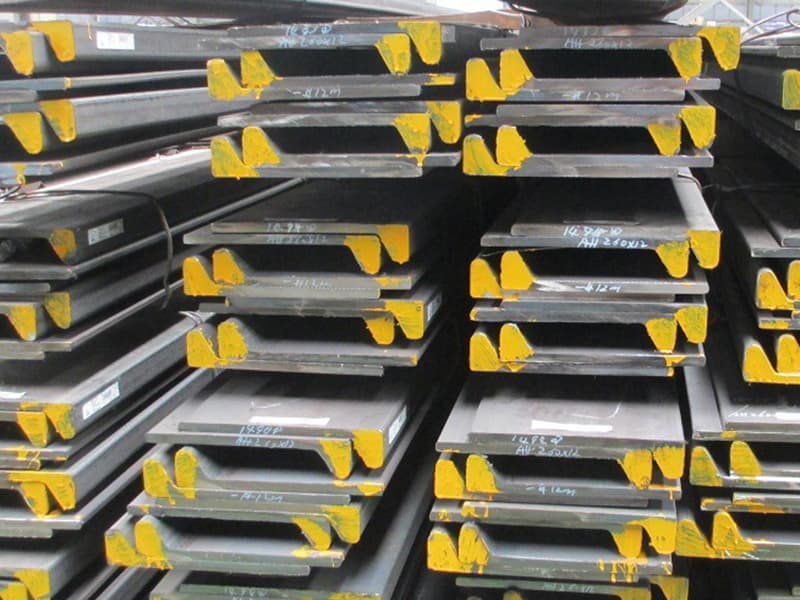
Regular performance reviews1 and open communication2 strengthen supplier relationships by catching small problems before they grow. A monthly quality report and a quick call every two weeks can prevent most delays and quality issues.
Dive deeper paragraph:
Many buyers think a contract is enough. Sign it, place the order, and wait for delivery. But I have learned that a contract does not fix miscommunication. People do.
I remember a client from the Philippines. He was frustrated with his previous Chinese supplier. Emails took four days to get a reply. When the steel arrived, the surface had rust spots. No one had told him about a delay in the coating process.
So when he came to me, I did something different. I set up a simple schedule:
- Weekly update every Friday: A short email with production status, photos, and the next week’s plan.
- Monthly quality report3: A PDF with test results, inspection photos, and any non-conformities.
- Quarterly video call4: A 20-minute call to review the last three months and talk about upcoming orders.
This is not heavy work. It takes me about two hours per week for a major client. But the effect is huge. The Philippine client told me: “You reply faster than my local suppliers.” He now orders marine angle steel and bulb flat steel from me every quarter.
Let me give you a practical checklist for your own performance reviews. You can use this with any supplier.
| Review item | How to check | Frequency |
|---|---|---|
| On-time delivery rate | Compare promised date vs. actual shipment date | Monthly |
| Quality rejection rate | Count rejected pieces divided by total pieces | Monthly |
| Response time | Measure hours from your email to their answer | Quarterly |
| Document accuracy | Check if MTCs and packing lists match the goods | Each shipment |
Transparency works both ways. When I have a problem at my end, I tell the buyer immediately. Last year, one of our mills had a furnace breakdown. It would delay bulb flat steel by 10 days. I called my client in Thailand the same day. He was able to adjust his cutting schedule. No panic. No rushed air freight. He later said that call saved him $15,000 in potential overtime costs.
So do not hide problems. And do not let your supplier hide them either. A weekly two-minute message can save months of headache.
Why Is Consistent Quality and Traceability Critical for Long-Term Bulb Flat Steel Supply?
Leading paragraph (max 30 words):
A hidden crack in one bulb flat steel bar can sink a ship’s reputation. That is not drama. That is classification law. So why is traceability1 the answer?
Snippet paragraph (max 50 words):
Consistent quality and traceability are critical because classification societies like ABS, LR, and DNV require full material tracking. Without heat number2s and batch records, a shipyard cannot prove the steel meets design standards. That stops certificates and delays delivery.
Dive deeper paragraph:
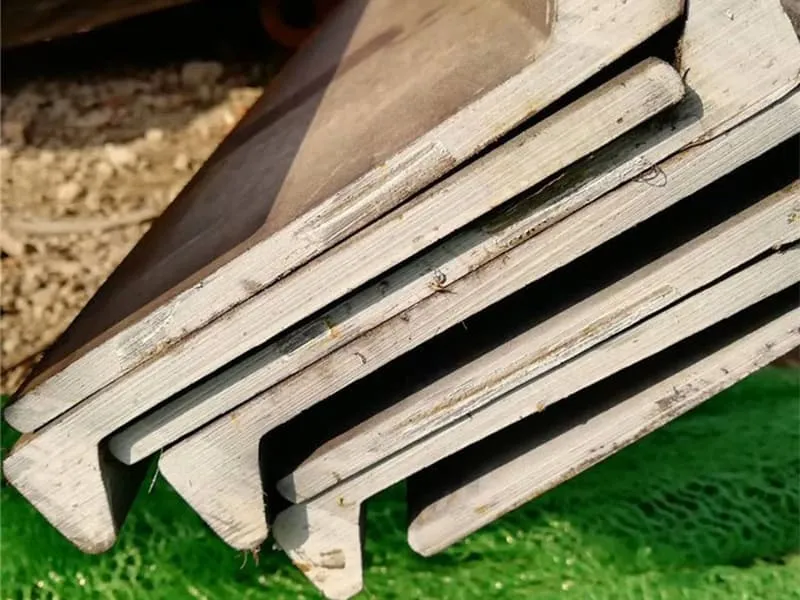
I have supplied bulb flat steel for oil tankers and bulk carriers. Every single order came with a clear rule: each piece must have a heat number stamped on it. That number links back to the original melt. If a crack appears during welding, the shipyard can trace that batch. They can test other pieces from the same heat. They can decide to scrap only that batch, not the whole project.
Without traceability, you scrap everything. That is expensive.
Why Consistency Is Non-Negotiable
Imagine you are building a 200-meter ship. You need 500 tons of bulb flat steel. The steel comes in 50 batches over six months. If the mechanical properties3 change in batch 35, your welding procedure4 may fail. You then have to re-qualify the welders. That takes weeks.
I saw this happen with a competitor’s order to Mexico. The supplier switched mills halfway through the contract to save money. The new mill’s steel had different carbon equivalent. The welds cracked. The shipyard stopped work for 18 days. The supplier lost the client forever.
My approach is different. I lock the mill for the whole contract. I also keep samples from each heat. If a client asks, I can send a retained sample for independent testing. This costs me almost nothing, but it gives the buyer peace of mind.
How to Verify Traceability
A good supplier will give you a traceability map. Here is what that looks like in real life:
| Document | What it shows | Why it matters |
|---|---|---|
| Mill test certificate (MTC) | Heat number, chemical analysis, mechanical test results | Proves steel meets class rules |
| Packing list with heat numbers | Which heat went into which bundle | Helps you find specific batches |
| Inspection photos | Stamped heat numbers on each bar | Confirms physical marking |
| Shipping log | Which truck/cargo took which heat numbers | Links delivery to production |
When I ship bulb flat steel to a client in Romania, I put all these documents in a PDF folder. The folder name includes the client name, order number, and ship date. The client can download it from our shared drive. One buyer told me: “Your documentation is better than some European mills.” That is a compliment I work hard to keep.
So do not settle for “we have quality control.” Ask for heat numbers. Ask for retained samples. Ask for a clear line from the melt to your yard. If the supplier hesitates, walk away.
How Can Joint Planning and Demand Forecasting Improve Supply Reliability and Cost Stability?
Leading paragraph (max 30 words):
Steel prices jump every month. Lead times stretch without warning. A shipyard waiting for a quote loses money. So how do you fix this?
Snippet paragraph (max 50 words):
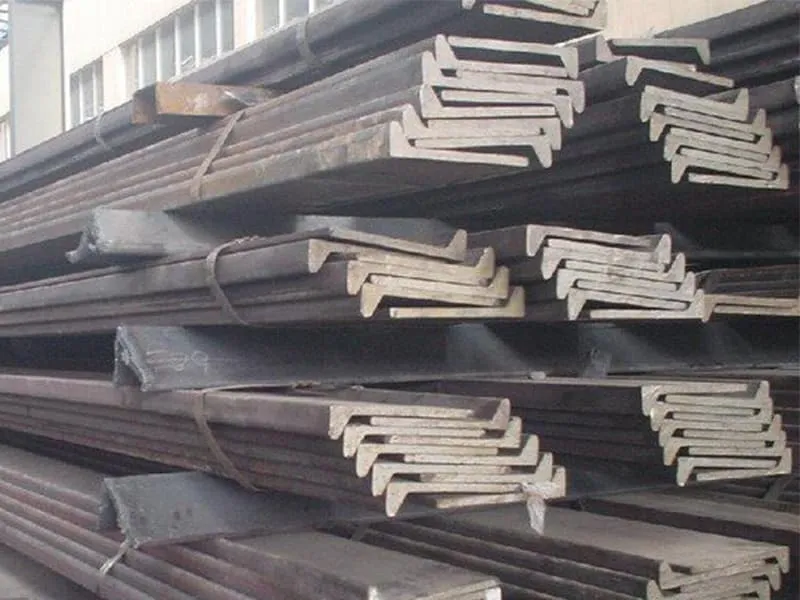
Joint planning1 and demand forecasting2 improve supply reliability3 and cost stability4 by letting the supplier reserve mill slots and buy raw materials5 in advance. A forecast six months ahead can lock in prices and cut delivery times by half.
Dive deeper paragraph:
Most shipyards order steel only when they need it. They send a purchase order. The supplier goes to the mill. The mill schedules production. This takes 8 to 12 weeks. If the mill is busy, it takes longer. And the price? It is whatever the mill charges that day.
I have a better way. It comes from my work with a large importer in Malaysia. This buyer used to order every two months. He always paid high prices and waited 10 weeks. I asked him: “Can you tell me your needs for the next six months, even roughly?”
He was hesitant at first. But we tried a joint plan.
How Joint Planning Works
We sat down (on a video call) and mapped his project schedule. He told me: “In month three, I need 200 tons of bulb flat steel size 180×8. In month four, 150 tons of size 200×9. In month five, maybe another 100 tons.”
That “maybe” was fine. I took that forecast to our mill. I reserved production slots for those months. I also bought the raw steel billets early.
The results were clear:
- Lead time dropped from 10 weeks to 4 weeks because the mill slot was already booked.
- Price became stable because I bought billets before market spikes.
- No last-minute surprises because we reviewed the forecast every 30 days.
The Malaysian buyer now sends me a rolling 6-month forecast every quarter. He updates it monthly. In return, I guarantee his price for three months. This is not a contract. It is a mutual promise. And it works.
A Simple Framework for Joint Planning
You do not need fancy software. Start with this table:
| Time horizon | What to share | What the supplier does |
|---|---|---|
| 6 months out | Rough tonnage by size range | Reserves mill capacity |
| 3 months out | Confirmed tonnage and sizes | Buys raw billets, fixes price |
| 1 month out | Exact shipping dates | Produces and inspects |
| 2 weeks out | Final packing instructions | Ships on time |
The key is to share information even when it is not perfect. A good supplier will not punish you for changing a forecast. We understand that shipbuilding schedules shift. But we cannot help you if you tell us nothing.
I have a client in Pakistan who sends me a WhatsApp message every two weeks. It says: “Next 60 days: still the same.” That takes him 10 seconds. But it lets me keep his steel in our production plan. When he suddenly needs an extra 50 tons, I can usually fit it in because I never released his slot.
So try joint planning. Start with a simple email. Ask your supplier: “What do you need from me to give me better prices and faster delivery?” The answer will surprise you.
Conclusion
Quality checks, regular reviews, traceability, and joint planning turn a steel supplier into a long-term partner. Choose wisely and communicate openly.
-
Explore this link to understand how joint planning can enhance collaboration and efficiency in supply chains. ↩ ↩ ↩ ↩
-
Learn about the benefits of demand forecasting and how it can lead to better inventory management and cost savings. ↩ ↩ ↩ ↩
-
Discover key factors that enhance supply reliability, ensuring timely delivery and consistent quality. ↩ ↩ ↩ ↩
-
Find strategies for maintaining cost stability, crucial for budgeting and financial planning in uncertain markets. ↩ ↩ ↩ ↩
-
Explore best practices for raw material management to optimize production and reduce costs. ↩ ↩
-
Learning about third-party inspection support can enhance trust in supplier quality and reduce risks in procurement. ↩