
Have you ever watched a shipbuilding project stall because a key batch of steel didn’t arrive on time? It is a nightmare no project manager wants to face.
Supplier stability is the foundation of successful marine L-shaped steel projects. When your steel source is reliable, you get materials on schedule, with consistent quality, and avoid unexpected cost overruns that can sink your budget.
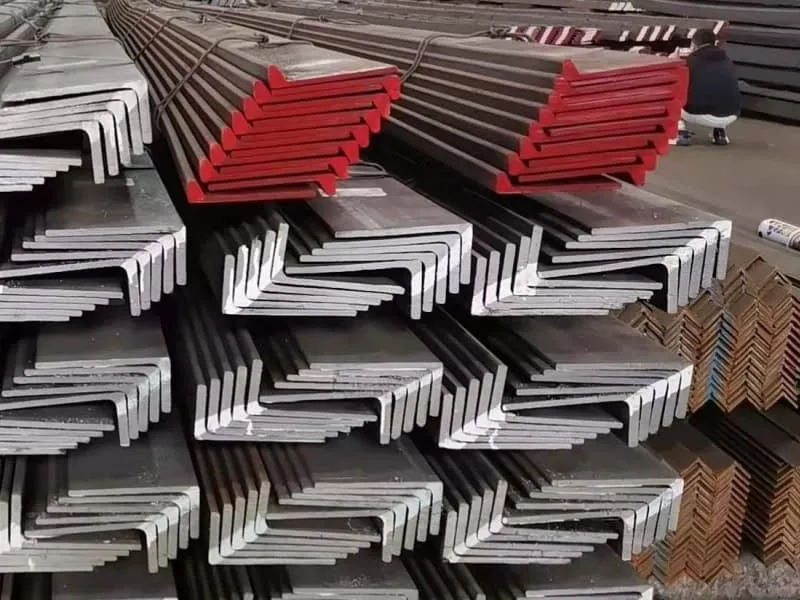
Now let’s look at what happens when that stability breaks down. I will walk you through the real effects of supplier problems and show you why a strong, long-term partnership makes all the difference.
The Domino Effect: How Supplier Instability Triggers Project Delays and Cost Overruns1
Imagine you are building a series of oil tankers. Your crew is ready, the dock is reserved, and the welding equipment is set. Then you get a message: your L-shaped steel shipment is delayed by three weeks. What happens next?
Supplier instability2 sets off a chain reaction. A missed delivery date pushes back cutting, forming, and assembly. Every delay adds costs for idle labor, rented equipment, and rescheduled subcontractors. The project budget bleeds money while you wait.
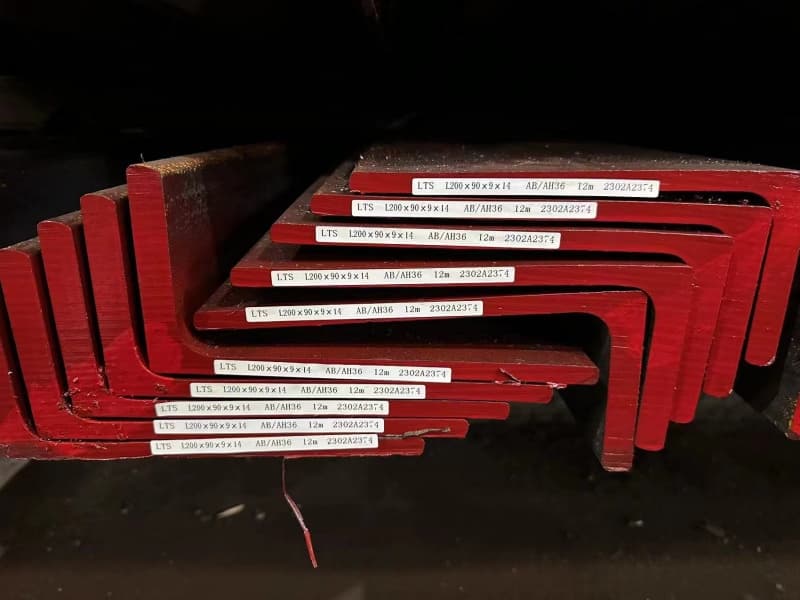
How Delays Spread Across the Supply Chain
When one batch of steel is late, it does not just affect one workstation. Shipbuilding is a tightly coordinated process. The steel arrives and moves through cutting, bending, welding, and painting. If the material is not there, every subsequent step stops. For example, if the L-shaped steel for the hull frame is missing, the whole assembly line halts. Workers stand idle, but you still pay them. Cranes and other equipment sit unused, but rental fees continue. This idle time adds up fast.
The Real Cost of Idle Resources
Let’s talk numbers. A typical shipyard might have hundreds of workers on a project. If they are idle for a week due to missing steel, that is hundreds of salaries paid for no output. Add in the cost of rented machinery, overhead for the facility, and penalties for late delivery to the client. These costs can easily run into tens of thousands of dollars. I have seen projects where a short delay ballooned into a six-figure loss because of these hidden expenses.
Case in Point: Gulf Metal Solutions’ Experience
One of our clients, Gulf Metal Solutions in Saudi Arabia, came to us after suffering exactly these problems. Before they found us, they worked with suppliers who were slow to respond and often missed promised shipping dates. Their projects faced constant stoppages. They had to renegotiate with their own customers and absorb the extra costs. When they switched to us, the difference was immediate. Our stable supply meant their work flowed without interruption. They told us, "The steel company was the first supplier to respond within two hours, and maintained this rapid response speed throughout the entire delivery process." That kind of reliability stops the domino effect before it starts.
| Impact Area | Without Stable Supplier | With Stable Supplier (Our Company) |
|---|---|---|
| Material Delivery | Uncertain, delays up to weeks | On-time, within agreed schedule |
| Project Timeline | Frequent stoppages, rescheduling | Continuous workflow |
| Cost Impact | Idle labor3, expediting fees, penalties | Predictable budget, no hidden costs |
Consistency Matters: The Link Between Stable Supply and Reliable Material Quality
Have you ever opened a container of steel only to find rust spots or uneven surfaces on the top pieces? It is frustrating and forces you to spend time inspecting and rejecting parts.
A stable supplier1 delivers consistent quality2 because they work with the same mills and follow the same processes every time. When you order from us, you know the steel will have the same dimensions, the same surface finish, and the same mechanical properties as the last batch.

The Role of Stable Production Processes
We do not produce steel ourselves. Instead, we partner with certified mills3 in China that have long-standing relationships with us. These mills use consistent raw materials and tightly controlled production lines. This means the L-shaped steel we ship today will match the steel we shipped six months ago. For your fabrication team, this consistency is gold. They can set their machines once and run without constant adjustments.
How Inconsistent Quality Affects Fabrication
If the steel quality varies, it creates problems down the line. Slight differences in thickness might require re-setting rollers. Changes in surface condition can affect welding or paint adhesion. In the worst cases, a batch with hidden internal flaws could fail inspection, forcing you to scrap parts and start over. These issues not only cost money but also erode trust in your own delivery promises.
Our Approach: Third-Party Inspection for Consistency
We know that trust must be earned. That is why we offer SGS or other third-party inspection4 before shipment. You or your agent can come to our facility in Liaocheng, Shandong, and check the steel yourself. If something is not right, we fix it before it leaves. Gulf Metal Solutions noted that our packaging was the best they had received. That attention to detail is part of our commitment to consistency. We protect the steel so it arrives in the same condition it left the mill.
| Quality Aspect | Unstable Supplier | Stable Supplier (Our Company) |
|---|---|---|
| Surface Finish | Variable, may have rust spots | Consistent, clean, oiled or coated |
| Dimensional Accuracy | Frequent deviations from specs | Within tolerance, certified by mill |
| Mechanical Properties | Uncertain, may lack certificates | Guaranteed with mill test reports |
Beyond Price: Quantifying the Hidden Costs of Switching Suppliers Mid-Project
Maybe you found a new supplier offering L-shaped steel at a price 5% lower than your current one. It looks like a good deal on paper. But is it really a saving?
Switching suppliers in the middle of a project carries many hidden costs1. These costs often wipe out the price difference and can even make the project more expensive overall.
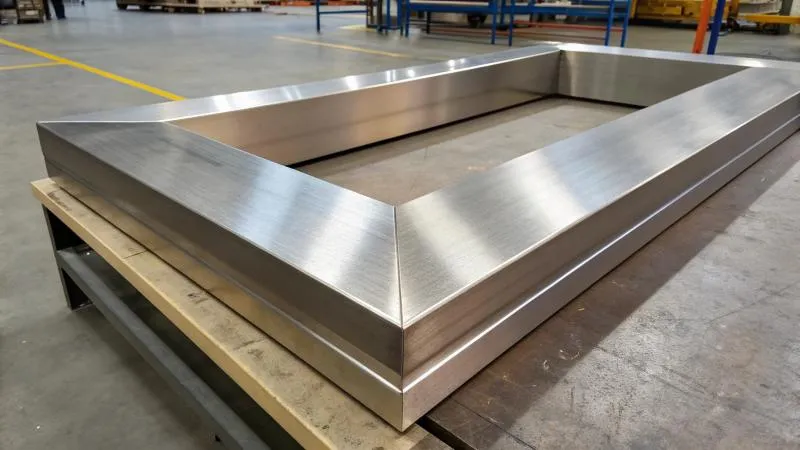
The Cost of Re-qualification and Testing
Every new supplier’s material must be tested and approved. Your quality team needs to run mechanical tests, check dimensions, and verify certifications. If the steel is for a critical part like a hull, classification societies like Lloyd’s or ABS may need to review and approve the new source. This process takes time and money. You might pay for extra lab work or third-party inspections. Meanwhile, your project waits.
Disruption to Production Flow
When you change steel sources, your production team needs to adapt. Even if the new steel meets specs, there can be subtle differences in how it behaves during cutting, bending, or welding. Welders might need to adjust their techniques. This learning curve slows down production. For a few weeks, your output drops, but labor costs remain the same.
Risk of Mismatched Material
If you have already used some steel from the original supplier, and you switch to a new one for the remainder, you might end up with two slightly different materials in the same structure. This can create problems with welding compatibility or galvanic corrosion. In some cases, you might have to keep the batches separate, complicating inventory management.
Case Study: Our Client’s Decision to Stay
Gulf Metal Solutions experienced the pain of switching before they came to us. They had tried multiple Chinese suppliers, hoping to find a better price, but each switch brought new headaches: delayed responses, inconsistent quality, and communication gaps. After working with us on marine plates and angle steel, they saw the value of stability. Now they plan to order L-shaped steel and bulb flat steel from us as well. They realized that the small savings from switching were not worth the risk and disruption.
| Hidden Cost Category | Description | Typical Impact |
|---|---|---|
| Re-inspection & Certification | New samples, third-party fees, class approvals | $2,000 – $10,000 per switch |
| Production Slowdown | Workers adapt to new material, efficiency drops | 5-15% slower for 2-4 weeks |
| Inventory & Logistics | Separate storage, new shipping arrangements | Higher admin and freight costs |
| Quality Risk | Potential failures, rework, warranty claims | Hard to quantify but can be severe |
Communication Continuity: How Long-Term Relationships Enhance Technical Alignment1
Have you ever spent days explaining your technical requirements to a new supplier, only to have them misunderstand a key detail? It wastes time and can lead to costly mistakes.
When you work with a supplier for years, communication becomes smooth. They know your preferences, your typical order patterns, and your quality expectations. This shared understanding saves time and prevents errors.
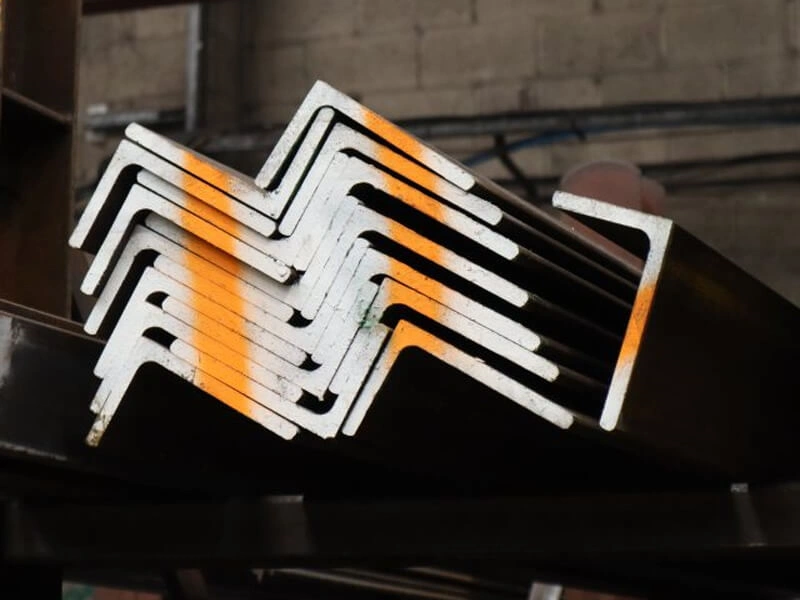
Shared Understanding of Specifications2
Our long-term clients often send us orders with just a quick reference to a previous project. We already know which mill they prefer, what surface treatment they want, and how they like the steel packaged. This speed comes from accumulated history. We do not need to re-explain everything from scratch.
Faster Problem-Solving3
When a problem does come up—and sometimes it does—a familiar supplier reacts faster. We know who to contact at the mill. We know how the client prefers to handle issues. With Gulf Metal Solutions, we assigned a dedicated export sales representative who speaks fluent English. That person is their single point of contact. When they have a question, they get an answer within hours, not days. They mentioned that we were the first supplier to respond within two hours and maintained that speed throughout delivery. That kind of responsiveness builds trust.
Our Commitment: Dedicated English-Speaking Support4
We understand that language barriers can be a major pain point. Many of our clients, especially in the Middle East and Southeast Asia, have told us about previous suppliers who could not communicate well in English. We solve this by having a team of export staff who are fluent in English and trained in marine steel applications. We also support third-party inspections, so if you prefer to work with SGS or another agency, we coordinate everything. Our goal is to make the technical side of the partnership as easy as possible.
| Communication Aspect | Short-term Supplier | Long-term Partner (Our Company) |
|---|---|---|
| Understanding Needs | Basic, based on documents | Deep, based on project history |
| Response Time | Slow, often delayed or unclear | Fast, clear, within 2 hours |
| Problem Resolution | Ad-hoc, may be costly and slow | Collaborative, efficient, proactive |
| Technical Alignment | Frequent misunderstandings | Smooth integration, minimal rework |
Conclusion
Supplier stability directly protects your marine L-shaped steel projects from delays, quality issues, hidden costs, and communication breakdowns. Choose a partner who delivers consistently.
-
Understand how technical alignment can lead to smoother operations and fewer misunderstandings. ↩ ↩ ↩ ↩
-
Explore how shared understanding can streamline processes and enhance supplier relationships. ↩ ↩ ↩
-
Learn about the benefits of quick problem resolution and its impact on trust and efficiency. ↩ ↩ ↩
-
Discover how language proficiency can eliminate barriers and improve communication in global partnerships. ↩ ↩