
Your ship is ready. The steel is on the water. Then it gets stuck at the port for two weeks.
You avoid port delays by preparing correct shipping documents, using proper packaging, understanding why port authorities flag bulb flat steel, and doing pre-shipment checks.
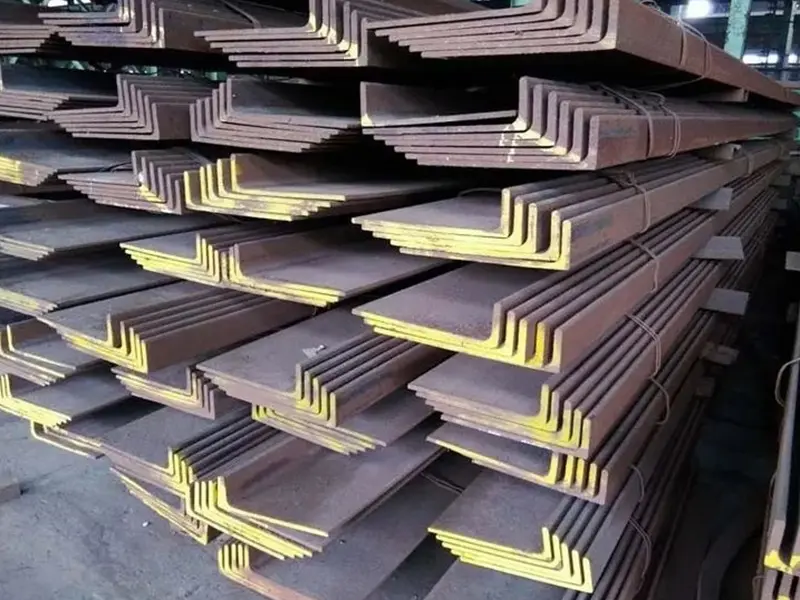
I have helped buyers from Vietnam, Saudi Arabia, and the Philippines clear their steel fast. I have also seen bad shipments sit for weeks. The difference is always the same small details. Let me walk you through what actually works. These are the steps I use for my own clients.
What Shipping Documents Are Most Likely to Cause Port Holds?
One missing number on a document. That is all it takes. Your steel sits in a container for days.
The documents that cause the most holds are the commercial invoice1, packing list2, bill of lading3 (BL), and mill test certificate4 (MTC). Wrong HS code5s, mismatched weights, or missing heat numbers are the top reasons.
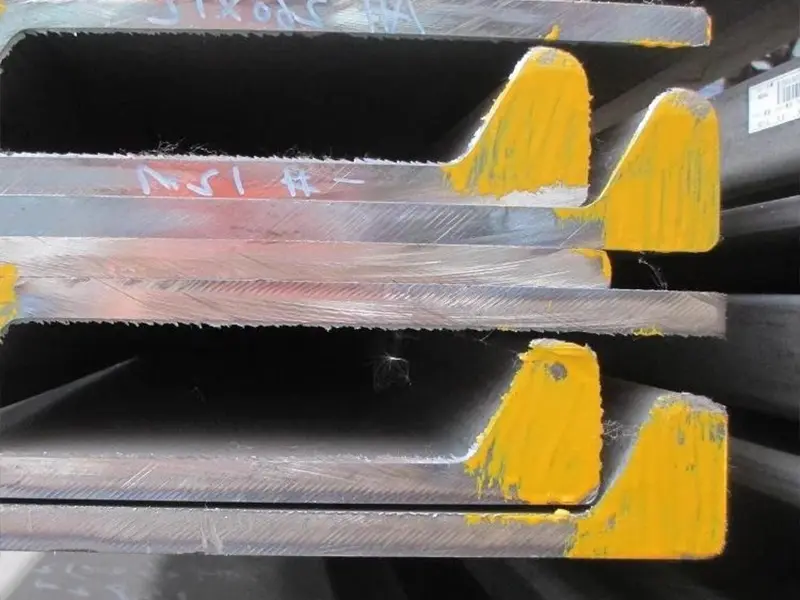
How a small mistake costs you big money
I remember a client from Malaysia. He ordered 200 tons of bulb flat steel. The supplier sent the commercial invoice with the wrong weight. It said 190 tons instead of 200. The customs officer saw the mismatch. He held the whole container for 10 days. The client paid $2,000 in storage fees. That was a simple typo.
So let me show you exactly what to check.
First, the commercial invoice and packing list. These two documents must match each other. They must also match the actual steel. Here is what customs officers check:
| Document Field | What Customs Looks For | Common Mistake |
|---|---|---|
| Total weight | Matches packing list and BL | Typo or rounding error |
| Number of bundles | Matches physical count | Wrong number from supplier |
| HS code | Correct for bulb flat steel (e.g., 7216.32) | Using wrong steel code |
| Description | "Bulb flat steel" with grade and size | Vague description like "steel bar" |
| Value | Consistent with payment | Over or under invoicing |
I send my clients a draft invoice and packing list before I issue the final version. They check every number. Then I correct anything they find. This simple step has saved many delays.
Second, the bill of lading (BL). The BL is the most important document for customs. If the BL has an error, the buyer cannot take possession of the steel. Check these three things:
- Shipper name and consignee name (must match your import license)
- Port of loading and port of discharge (spelled correctly)
- Gross weight and container numbers (exactly as on the packing list)
I always send a BL draft to my client before the ship sails. They confirm every detail. One client from Mexico caught a misspelled port name. He saved a 5-day delay.
Third, the mill test certificate (MTC). Some customs officers ask for the MTC. They check the heat number and the grade. If the MTC does not match the steel, they hold the shipment for lab testing. That takes 7 to 14 days.
I give my clients a clear MTC with the same heat number stamped on the steel. I also send a photo of the steel showing the heat number. That way, customs can match the document to the physical product.
Your document checklist before shipping
- Commercial invoice weight matches packing list weight
- HS code is correct for bulb flat steel (check with your local customs)
- BL consignee name matches your import license
- MTC heat number matches steel photos
- All documents use the same spelling of port names
- No rounding errors on total weight
Send this checklist to your supplier. Ask them to confirm each item before they issue the documents.
How Does Incorrect Packaging Lead to Customs Inspections and Delays?
Bad packaging does not just damage steel. It also signals customs to take a closer look.
Customs officers see loose straps, torn wrapping, or rust stains. They think the cargo is unsafe or misdeclared. So they order a full inspection.
[^1] causing customs red flag](https://cnmarinesteel.com/wp-content/uploads/2026/01/Flat-steel-ball115.webp)
Why packaging is a silent delay trigger
I had a buyer from Thailand. His steel arrived with broken straps and torn plastic. The wrapping was so loose that steel pieces had shifted. The customs officer saw the container through the X-ray. He saw loose metal. He ordered a physical inspection2. That inspection took 8 days. The buyer paid for storage and labor.
So packaging is not just about protecting steel. It is about avoiding unwanted attention.
First, what customs officers see. When a container goes through an X-ray scanner, the officer sees shapes. If the steel bundles are tight and uniform, the scan looks clean. If the bundles are loose and uneven, the scan looks messy. A messy scan triggers a manual inspection.
Here is a table of packaging issues3 and what customs thinks:
| Packaging Issue | What Customs Officer Thinks | Result |
|---|---|---|
| Broken or missing straps | Cargo may have shifted or fallen | Physical inspection ordered |
| Torn waterproof wrapping | Possible water damage or rust | Closer check of surface condition |
| No edge protectors | Straps may have cut into steel | Check for damaged goods |
| Rust stains on outside | Steel may be low quality or scrap | Lab test ordered |
| Unlabeled or wrong bundle count | Possible smuggling or misdeclaration | Full container unload |
Second, the right way to package bulb flat steel. I have shipped thousands of tons. This is what works to keep customs happy.
- Use steel straps that are tight and straight. No loose ends.
- Put edge protectors under every strap. This stops the strap from cutting the steel.
- Wrap each bundle with waterproof PE sheet. Make sure there are no holes.
- Use color-coded labels on each bundle. Write the bundle number, size, and weight.
- Take photos of the sealed container. Show the straps, wrapping, and labels.
I send these photos to my clients before the container leaves. They can show the photos to customs if there is a question. That has saved at least three clients from inspections.
Third, the cost of bad packaging4. Let me give you real numbers. A buyer from the Philippines had a shipment held for 10 days because of torn wrapping. His costs were:
| Cost Item | Amount |
|---|---|
| Storage fee per day | $150 |
| Labor for re-inspection | $500 |
| Demurrage from shipping line | $200 per day |
| Total extra cost | $4,000 + delays |
Good packaging costs about $50 per container extra. That is a small price to pay.
Your packaging checklist for customs clearance5
- Steel straps are tight and not broken
- Edge protectors are in place under all straps
- Waterproof wrapping has no tears or holes
- Each bundle has a clear label with bundle number and weight
- Container is sealed with an intact seal number
- Photos of packaging are available before shipment
Ask your supplier to send you a packaging photo. If you see anything loose or torn, ask them to repack before shipping.
Why Do Port Authorities Flag Bulb Flat Steel for Cargo Inspection?
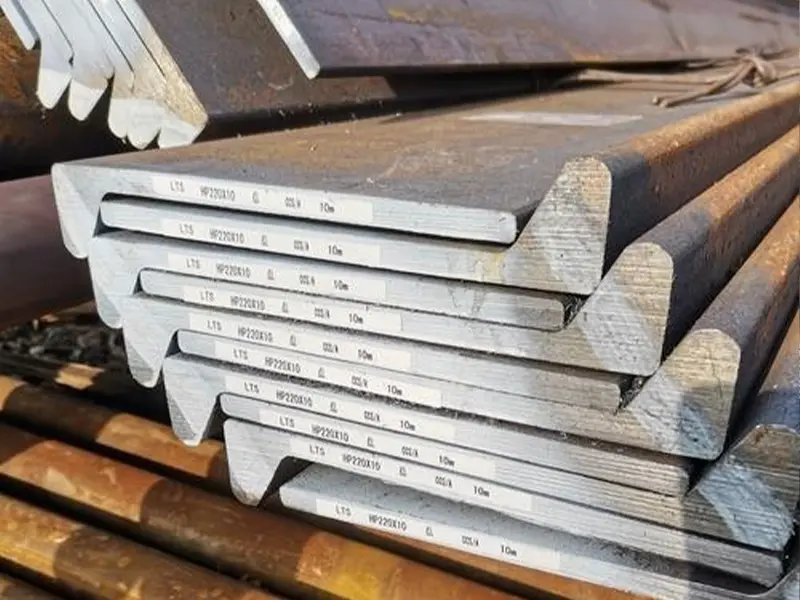
Bulb flat steel has a unique shape. It looks different from normal steel angles or plates. That shape makes customs officers curious.
Port authorities flag bulb flat steel1 because of its special shape, incorrect HS code declarations, or mismatched dimensions that suggest scrap or re-rolled material.
The shape that gets extra attention
I remember a buyer from Qatar. His container of bulb flat steel was held for 12 days. The customs officer had never seen bulb flat steel before. He thought it was a special shape for a hidden purpose. He ordered a full inspection. The buyer had to open the container and show every piece.
So let me explain why bulb flat steel gets flagged and how to prevent it.
First, the shape problem. Bulb flat steel has a rounded "bulb" on one edge. It is not a flat bar. It is not an angle. It is a special shape used for shipbuilding. Many customs officers see it rarely. So they flag it for verification.
Here is how different steel shapes are treated:
| Steel Shape | How Customs Sees It | Risk Level |
|---|---|---|
| Steel plate | Common, low suspicion | Low |
| Angle steel | Common, standard shape | Low |
| Bulb flat steel | Uncommon, special shape | Medium to High |
| Special sections | Rare, high suspicion | High |
Second, the HS code mistake2. Bulb flat steel has a specific HS code. Many suppliers use the wrong code. They use the code for angles (7216.21) or flat bars (7216.50). But bulb flat steel has its own subheading under 7216.32 or similar. The exact code depends on the country.
| Wrong HS Code | Why It Is Wrong | Correct HS Code (example) |
|---|---|---|
| 7216.21 (angles) | Bulb flat is not an angle | 7216.32 |
| 7216.50 (flat bars) | Bulb flat has a bulb shape | 7216.32 |
| 7216.99 (other) | Too general, triggers inspection | 7216.32 |
I always check the HS code with my client before shipping. The client knows their local customs rules best. I ask them: "Please confirm the HS code for bulb flat steel in your country." Then I use exactly that code.
Third, the scrap or re-rolled suspicion3. Some countries have high taxes on steel scrap. They also restrict imports of low-quality re-rolled steel. Bulb flat steel that is bent, rusted, or has uneven dimensions can look like scrap. Customs officers may think the buyer is trying to import scrap under a new steel code.
To avoid this, I make sure the steel has:
- Clean surface (no heavy rust)
- Straight length (no bends)
- Consistent dimensions (tolerance within standard)
- Mill test certificate showing new production, not scrap
One client from Vietnam had a shipment flagged because the steel had surface rust from poor storage. Customs tested it for three days. They confirmed it was new steel. But the buyer still paid for the testing.
How to reduce inspection risk before shipping
- Confirm the correct HS code with your local customs broker
- Put "Bulb Flat Steel for Shipbuilding" clearly on the packing list
- Ensure the steel looks new (clean surface, no heavy rust)
- Include a note in the commercial invoice: "New production, not scrap"
- Offer to provide mill test certificate4 in advance
I do all of these for my clients. I have not had a single bulb flat steel shipment held for more than 48 hours in the last two years.
What Pre-Shipment Checks Can Reduce Waiting Time at Destination Ports?
You cannot fix problems after the ship sails. The best way to avoid port delays is to check everything before the container leaves China.
Pre-shipment checks include document verification1, dimension measurement2, surface inspection3, packaging review4, and third-party inspection5 at the loading port.
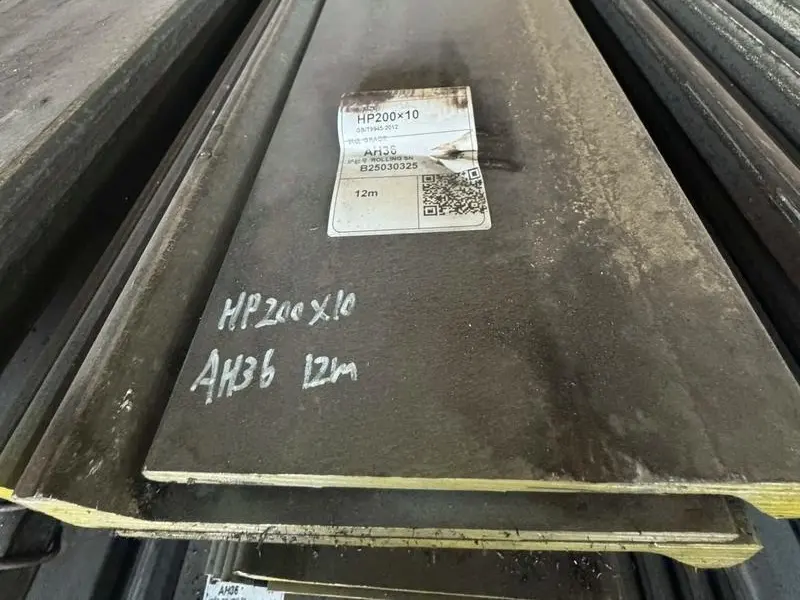
The five checks that save days at destination
I have a client from Saudi Arabia. He used to have port delays on every shipment. Then he started doing pre-shipment checks6. Now his steel clears customs in one or two days. He told me that one hour of checking saves him one week of waiting.
So let me share the exact five checks I do for every client.
First, document check (before production). Do not wait until the steel is ready. Check the documents early. I send my clients a draft commercial invoice and packing list within one day of order confirmation. They check the HS code, weight, and description. If something is wrong, I fix it before the steel is even cut.
Second, dimension check (during production). I measure the bulb flat steel at the mill. I use a caliper and a steel ruler. I check the bulb height, web thickness, and overall length. I also check the straightness. Here is the tolerance table I use:
| Dimension | Standard Tolerance (JIS G3192) | My Check Method |
|---|---|---|
| Bulb height (H) | ± 1.5mm | Caliper at three points |
| Web thickness (t) | ± 0.3mm | Micrometer |
| Length | +5mm / -0mm | Steel tape measure |
| Straightness | 1.5mm per 1m | Straight edge and feeler gauge |
If any dimension is out of tolerance, I reject that batch and ask the mill to redo it.
Third, surface check (before packaging). I walk along the steel. I look for red rust, pitting, laminations, and cracks. I also take photos of the surface. Then I share the photos with my client. If the client sees anything they do not like, we stop and fix it before packaging.
Fourth, packaging check (during loading). I watch every step of the packaging. I check the waterproof wrap, the edge protectors, and the steel straps. I also take photos of each bundle. Then I take photos of the sealed container with the seal number visible. I send all photos to my client within 24 hours.
Fifth, third-party inspection (optional but recommended). For large orders or first-time buyers, I recommend SGS or TÜV inspection at the loading port. The inspector checks everything: documents, dimensions, surface, and packaging. Then they issue a report. That report is very useful for customs clearance. The buyer can show the report to customs and say: "This steel was independently inspected before shipment."
| Inspection Type | Cost (approx.) | Time Added | Delay Risk Reduction |
|---|---|---|---|
| Self-check by supplier | $0 | 0 days | Moderate (50%) |
| Photo verification with buyer | $0 | 1 day | Good (70%) |
| Third-party inspection (SGS/TÜV) | $300-$500 | 2-3 days | Excellent (95%) |
One client from Pakistan used SGS for his first order. The inspection caught a small error in the packing list. We fixed it before shipping. His steel cleared customs in 8 hours. He told me that was the fastest clearance he had ever seen.
Your pre-shipment checklist
Print this list and send it to your supplier. Ask them to confirm each item before the container is sealed.
- Documents: Invoice, packing list, BL, MTC all match
- Dimensions: Within JIS or ASTM tolerance
- Surface: No red rust, no deep pits, no cracks
- Packaging: Waterproof wrap, edge protectors, tight straps
- Container seal: Number recorded and photo taken
- Third-party inspection: Done (if ordered)
I do all these checks for every order. That is why my clients rarely face port delays. You can ask your supplier to do the same.
Conclusion
Check your documents, pack the steel right, know why customs flags it, and inspect before shipping. That is how you avoid port delays.
-
Document verification is crucial for smooth customs clearance and avoiding costly delays. ↩ ↩ ↩
-
Accurate dimension measurement ensures compliance with standards and prevents shipment rejections. ↩ ↩ ↩ ↩
-
Surface inspection helps identify defects early, ensuring quality and reducing returns. ↩ ↩ ↩ ↩
-
Proper packaging review prevents damage during transit and ensures products arrive safely. ↩ ↩ ↩ ↩
-
Third-party inspections provide an unbiased assessment, enhancing trust and compliance in shipping. ↩ ↩ ↩
-
Understanding pre-shipment checks can significantly reduce delays and improve shipping efficiency. ↩