
One batch fits perfectly. The next batch does not weld. Your project stops. That is a batch consistency problem.
Batch inconsistency means differences in dimensions, chemical composition, or surface quality between steel batches. These differences cause welding failures, weak structures, and project delays.
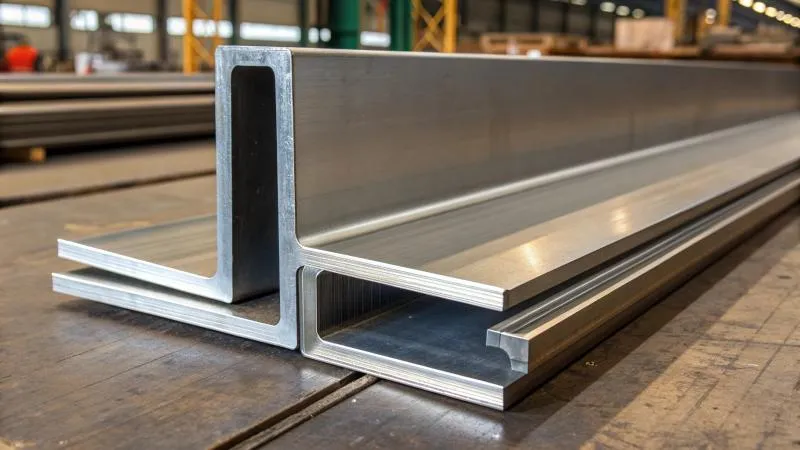
I have seen this problem many times. Buyers order L-shaped steel from a supplier. The first batch is good. So they order again. The second batch arrives with different dimensions. Or it rusts faster. Or it does not pass the weld test. Let me walk you through what causes these issues and how you can protect yourself.
What Does Batch Inconsistency Look Like in L-Shaped Steel Dimensions?
You cut one piece. It fits. You cut another piece from a different bundle. It does not fit. That is a dimension inconsistency.
Batch inconsistency1 in dimensions shows up as different leg lengths, unequal thickness, or bent steel between batches. You might see variations of 2mm or more in the same order.
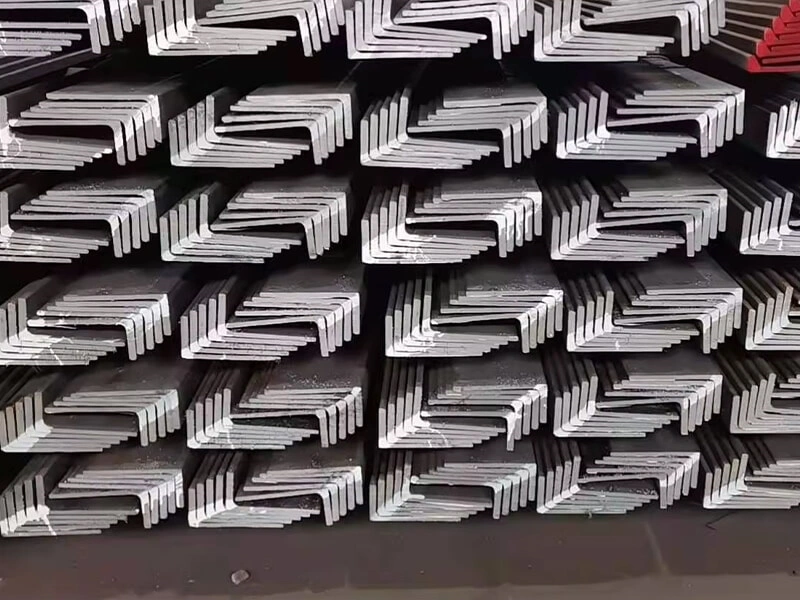
How small differences ruin your fabrication
I remember a buyer from Vietnam. He ordered 300 tons of marine L-shaped steel for a shipbuilding project. The first 100 tons were perfect. The next 100 tons came from a different mill run. The leg length was 2.5mm shorter. His fabricators had to re-cut every piece. That cost him 40 hours of labor.
So let me show you what to measure and what to watch for.
First, the three critical dimensions for L-shaped steel.
| Dimension | Standard (JIS or ASTM) | What Inconsistency Looks Like |
|---|---|---|
| Leg length2 (both legs) | ± 2.0mm | One batch has 100mm, next has 98mm |
| Leg thickness | ± 0.4mm | First batch 10mm, second batch 9.3mm |
| Straightness | 1.5mm per 1m | One batch straight, next batch bowed |
These numbers seem small. But in shipbuilding, 1mm matters. A 2mm difference means the steel does not line up with the next piece. Your welders have to force it. That creates stress points.
Second, why batch dimension differences happen. Most suppliers buy steel from different mill runs. They do not control the production. One mill run uses one set of rollers. The next run uses rollers that are slightly worn. That changes the dimensions.
Here is a table of common causes:
| Cause | What Happens | How Often |
|---|---|---|
| Worn mill rollers3 | Leg thickness decreases over time | Common |
| Different mill sources | One mill has different tolerances | Very common |
| Re-rolled scrap | Dimensions are never stable | Rare but dangerous |
| Poor quality control | No one measures during production | Common with cheap suppliers |
I avoid this by working with one mill for each size. I also measure every bundle before shipping. If a batch is out of tolerance, I reject it and ask the mill to replace it. My clients never see the bad steel.
Third, how to catch dimension inconsistency before welding. Ask your supplier for a measurement report. I send my clients a table with measurements from each bundle. Here is an example:
| Bundle Number | Leg Length (mm) | Thickness (mm) | Straightness (mm/m) | Status |
|---|---|---|---|---|
| B01 | 100.2 | 10.05 | 0.8 | Pass |
| B02 | 99.8 | 9.95 | 1.2 | Pass |
| B03 | 98.0 | 9.30 | 2.5 | Fail – rejected |
| B04 | 100.1 | 10.02 | 1.0 | Pass |
If you see a failed bundle, ask for photos. Then decide if you want to accept a discount or ask for replacement. I always replace failed bundles at no cost to the buyer.
How Do Chemical Composition Variations Affect Marine L-Shaped Steel Performance?
Steel from two batches looks the same. But one welds fine. The other cracks. That is a chemistry problem.
Chemical composition variations1 change how the steel reacts to welding, bending, and saltwater. Too much carbon makes it brittle. Too little manganese makes it weak.
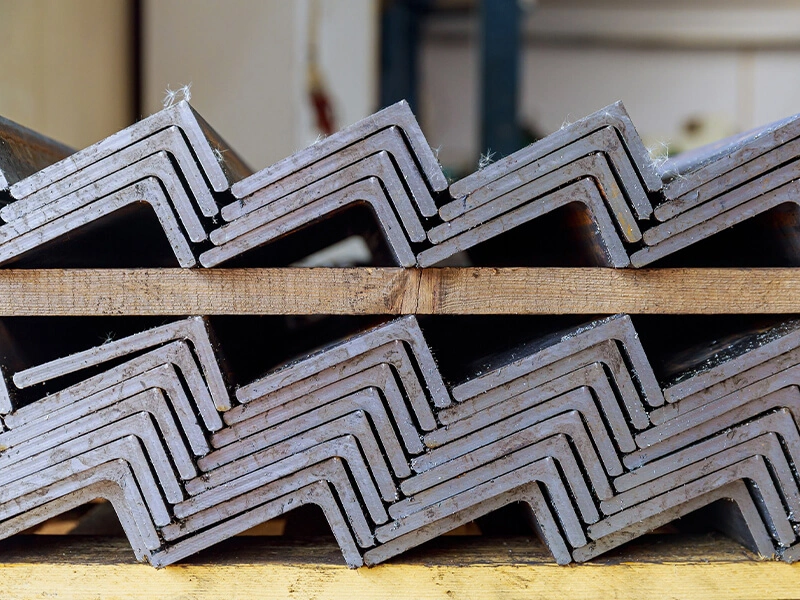
The hidden danger in your steel batch
I had a client from Saudi Arabia. He ordered L-shaped steel from two different suppliers. The steel looked identical. But when his team welded the second batch, the welds kept cracking. He tested the chemistry. The second batch had 0.25% carbon. The first batch had 0.18% carbon. That small difference made the steel too hard for his welding process.
So let me break down what you need to check.
First, the key chemical elements for marine L-shaped steel2.
| Element | Good Range (ASTM A6 / Shipbuilding Grade) | What Happens If Too High | What Happens If Too Low |
|---|---|---|---|
| Carbon (C) | 0.18% – 0.23% | Hard to weld, brittle | Weak strength |
| Manganese (Mn) | 0.60% – 1.20% | Hard to cut | Poor strength |
| Silicon (Si) | 0.15% – 0.40% | No major issue | Poor deoxidation |
| Phosphorus (P) | Under 0.035% | Cracks during welding | Not applicable |
| Sulfur (S) | Under 0.035% | Hot cracking | Not applicable |
These numbers come from the mill test certificate (MTC). But many buyers only look at the grade. They do not compare the actual numbers between batches.
Second, why chemistry changes between batches. Mills do not use exactly the same scrap or ore every time. A batch of steel from Monday morning might have slightly different chemistry than a batch from Friday afternoon. Good mills keep the variation small. Bad mills do not care.
Here is what variation looks like in real life:
| Batch | Carbon % | Manganese % | Result for Buyer |
|---|---|---|---|
| Batch 1 | 0.19 | 0.85 | Welds easily, good strength |
| Batch 2 | 0.22 | 0.90 | Still OK, but harder to weld |
| Batch 3 | 0.26 | 0.95 | Difficult to weld, risk of cracking |
| Batch 4 | 0.18 | 0.55 | Too soft, fails strength test |
Batch 3 and Batch 4 should be rejected. But many suppliers ship them anyway.
Third, how to protect yourself from chemistry variation. Always ask for the MTC for every batch. Do not accept one certificate for the whole order. I give my clients a separate MTC for each heat number. Then they can compare the numbers.
Here is what I send to my clients:
- Heat number #1: MTC with carbon 0.20%, manganese 0.88%
- Heat number #2: MTC with carbon 0.19%, manganese 0.86%
- Heat number #3: MTC with carbon 0.21%, manganese 0.89%
All three are within the standard. That is good consistency. If I saw a batch with carbon at 0.26%, I would not ship it.
One client from the Philippines told me that his previous supplier gave him one MTC for five different batches. He had no way to check. When he tested the steel himself, two batches failed. Now he only buys from suppliers who provide batch-specific MTCs.
Why Do Surface Quality and Coating Differ Between Batches?
One batch looks clean and smooth. The next batch has rust spots and mill scale1. Your painting team has to work twice as hard.
Surface quality2 differences come from different storage conditions3, different rolling temperatures, or different cooling methods at the mill.
The cost of cleaning bad surfaces4
I remember a buyer from Mexico. He ordered L-shaped steel for a coastal project. The first batch had a clean surface. His painters applied primer in one day. The second batch arrived with heavy mill scale and red rust spots. His team spent three days grinding and cleaning before painting. That cost him $2,000 in extra labor.
So let me show you what surface differences look like and how to avoid them.
First, the common surface defects between batches.
| Surface Condition | What It Looks Like | How It Affects Your Work |
|---|---|---|
| Clean, smooth mill finish | Gray, no flaking | Ready for primer |
| Light mill scale | Dark gray flakes, comes off easily | Needs light grinding |
| Heavy mill scale | Thick dark coating, hard to remove | Takes hours of grinding |
| Red rust (light) | Orange spots on surface | Needs wire brushing |
| Red rust (heavy) | Thick orange crust, pitting underneath | May need acid cleaning or rejection |
| Pitting | Small holes in the surface | Cannot be cleaned – reject |
Second, why surface quality varies between batches. The main reasons are storage time and mill practices.
| Cause | Batch 1 (Good) | Batch 2 (Bad) |
|---|---|---|
| Storage after rolling | Stored indoors for 2 weeks | Stored outdoors for 2 months |
| Rain exposure | No rain | Rained on before packaging |
| Mill cooling method | Controlled cooling | Fast cooling with water |
| Packaging | Wrapped within 24 hours | Wrapped after 1 week |
One batch can be perfect. The next batch from the same supplier can be rusty. It all depends on how the supplier handles the steel after the mill produces it.
Third, how to check surface consistency before shipment. I take surface photos of every bundle. I show the photos to my clients. Here is a simple grading system I use:
| Grade | Description | Action |
|---|---|---|
| A | Clean, no rust, light mill scale only | Ship as is |
| B | Light surface rust on less than 10% of area | Ship but note in photos |
| C | Heavy rust or pitting on more than 10% | Do not ship – clean or replace |
I also store all my L-shaped steel indoors. That is not common for Chinese suppliers. Most store steel outside. But I built a covered warehouse in Liaocheng. My steel stays dry. That means my clients get consistent surface quality5 batch after batch.
One client from Qatar noticed the difference. His previous supplier sent steel with rust every time. My steel arrived clean. He told me: "Your batches look the same every time. That never happened before."
How Can Buyers Verify Batch Consistency Before and After Shipment?
You cannot trust the supplier’s word. You need proof. That proof comes from checks you do before and after shipment.
Buyers can verify batch consistency by requesting batch-specific MTCs1, doing random dimensional checks2, using third-party inspection3, and keeping a sample from each batch for comparison.
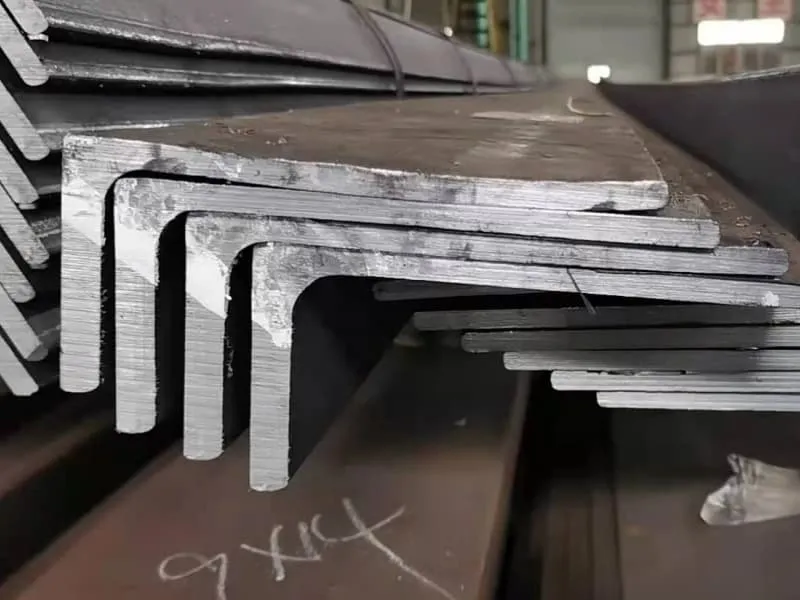
A step-by-step system that works
I have a client from Thailand. He buys 500 tons of L-shaped steel every month. He used to have consistency problems. Now he follows a simple verification system. He has not had a bad batch in two years.
Let me share his system with you.
First, pre-shipment verification (before the steel leaves China). Do these four checks:
-
Request batch-specific MTCs. Ask your supplier for one MTC per heat number. If they give you one MTC for the whole order, that is a red flag.
-
Ask for dimensional photos. Tell your supplier: "Please send me a photo of a caliper measuring the leg length and thickness for each batch." I do this for my clients automatically.
-
Use a third-party inspection. SGS or TÜV can check dimensions and surface across multiple batches. They will take random samples from each batch. Cost is about $400 per order. It is worth it.
-
Keep a batch sample4. Ask your supplier to cut a 30cm sample from each batch. Label it with the heat number. Send it with the shipment. You can test it yourself after arrival.
Here is a pre-shipment checklist:
| Check | Who Does It | Cost | Time |
|---|---|---|---|
| Batch MTCs | Supplier | Free | 1 hour |
| Dimensional photos | Supplier | Free | 2 hours |
| Third-party inspection | SGS/TÜV | $300-500 | 2 days |
| Batch sample | Supplier | Free (steel cost) | 15 minutes |
Second, post-shipment verification (after the steel arrives). Do these three checks at your facility:
-
Measure random pieces from each batch. Pick 5 pieces per batch. Measure leg length, thickness, and straightness. Compare to the MTC.
-
Test weldability. Take a sample from each batch. Weld it using your normal process. If the weld cracks or looks poor, that batch has chemistry issues.
-
Compare surface to photos. Look at the pre-shipment photos. Does the actual steel match? If the photos showed clean steel but the steel has rust, the supplier misled you.
I send my clients a "batch consistency report5" with every order. It includes:
- MTC for each heat number
- Dimensional table for each bundle
- Surface photos for each batch
- Sample label for each batch
One client from Malaysia told me that this report saved him from using a bad batch. He saw that one batch had a different thickness. He asked me to replace it before shipping. That batch never reached his port.
Third, what to do when you find inconsistency. If you find a bad batch, do not accept it. Here are your options:
| Problem | Best Action | Alternative Action |
|---|---|---|
| Dimension out of tolerance | Reject batch, ask for replacement | Accept with discount (10-20%) |
| Chemistry out of range | Reject batch (no discount – too risky) | Use only for non-structural parts |
| Heavy rust or pitting | Ask supplier to clean and repack | Reject if pitting is deep |
| Surface differs from photos | Request partial refund for cleaning labor | Return batch at supplier’s cost |
I have replaced bad batches for my clients at no cost. That is how I keep their trust. Not all suppliers do this. So ask before you order: "What is your policy for inconsistent batches?"
Conclusion
Check dimensions, chemistry, and surface for every batch. Use MTCs and third-party inspection. Reject bad batches early.
-
Understanding batch-specific MTCs is crucial for verifying material quality and ensuring compliance with specifications. ↩ ↩ ↩ ↩
-
Dimensional checks are essential for confirming that the steel meets specified measurements, preventing costly errors. ↩ ↩ ↩ ↩
-
Third-party inspections provide unbiased verification of quality, ensuring that the steel meets required standards before shipment. ↩ ↩ ↩
-
Keeping a batch sample allows for post-shipment verification, ensuring that the delivered product matches the order specifications. ↩ ↩
-
A batch consistency report is vital for tracking quality and ensuring that all specifications are met throughout the procurement process. ↩ ↩