
I have seen too many shipbuilding projects delayed because the steel ordered did not match what arrived at the port. That mistake costs time, money, and trust.
The best way to avoid specification mismatch is to align your procurement language with the mill’s technical terms, double-check every clause in the data sheet, and use digital tools like ITP and mill certificates to verify conformity before shipment.
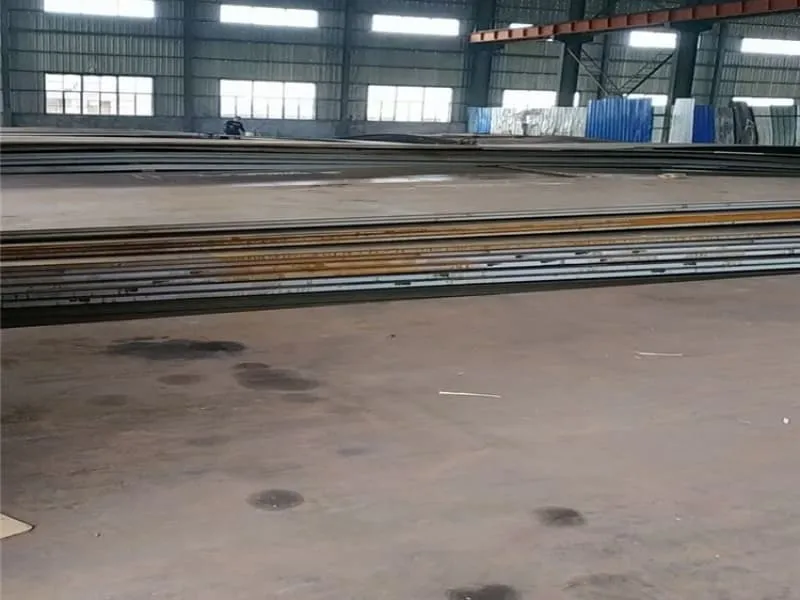
Now let me walk you through the real cost of getting it wrong and the exact steps you can take to make sure your order is right the first time.
The Domino Effect of Errors: Real-World Costs of Getting the Grade Wrong?
A single mistake in steel grade1 can stop a whole production line. I have seen fabricators in Vietnam and shipyards in Qatar face weeks of delays because the delivered plates did not meet the required strength.
When the steel grade is wrong, you face reordering costs2, project delays3, and possible rejection by classification societies4. In some cases, you may even need to scrap fabricated parts, which multiplies your loss.
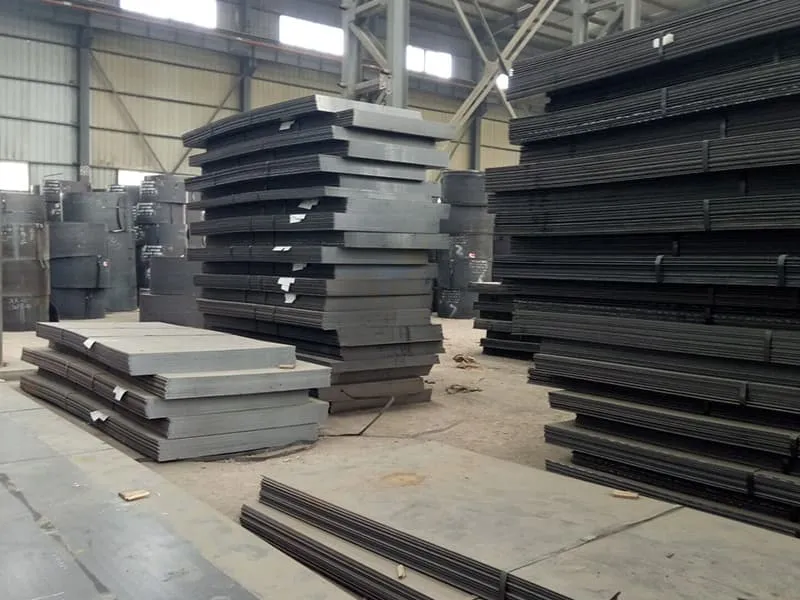
How a Small Typo Becomes a Big Problem
Let me break down the chain reaction. It usually starts with a simple miscommunication. The buyer writes "Grade A" but means "Grade AH32." The mill sees "A" and rolls ordinary mild steel. When the plates arrive, the surveyor tests them and finds the yield strength is too low. Now the shipyard cannot use them for the hull structure.
This is not just about replacing the steel. You have to:
- Stop all related work
- Send the plates back or sell them as scrap
- Place an urgent new order, often paying a premium for fast delivery
- Pay extra freight for air shipment or express sea freight
- Explain to your client why the project is behind schedule
I remember a case from a few years ago. A buyer in Malaysia ordered marine steel plates for a barge. He wrote "Grade A" but actually needed "Grade A with impact test." The mill delivered standard Grade A without the impact certificate. When the barge was inspected, the classification society rejected the plates. The buyer had to cut out the already welded plates and replace them. That mistake cost him nearly three times the original material cost.
The Hidden Costs Nobody Talks About
There is more than just the material cost. Let me list the real impact using a simple table:
| Cost Type | Description | Example Figure |
|---|---|---|
| Direct material | Cost of replacement steel, often at spot price | +30% to 50% |
| Freight | Urgent air or express shipping | 5x normal sea freight |
| Labor | Rework, cutting, welding again | $50–$100 per man-hour |
| Downtime | Production line stopped | $500–$2000 per day |
| Reputation | Client loses trust, future orders at risk | Priceless |
I have seen project contractors in the Philippines lose their profit margin completely because of one grade mismatch. The worst part is that these errors are 100% avoidable. You just need to slow down and verify every detail before you press "send" on the purchase order.
Bridge the Gap: Aligning Procurement Language with Mill Technical Terminology?
Buyers often use general terms like "shipbuilding steel" while mills think in specific standards like ABS, LR, or BV. This language gap is the main cause of mismatches.
To bridge the gap, you must translate your project requirements into the exact mill terminology. Use the classification society rules1, specify the grade fully (e.g., AH36 instead of just "high strength"), and confirm the mill can produce to that standard before ordering.
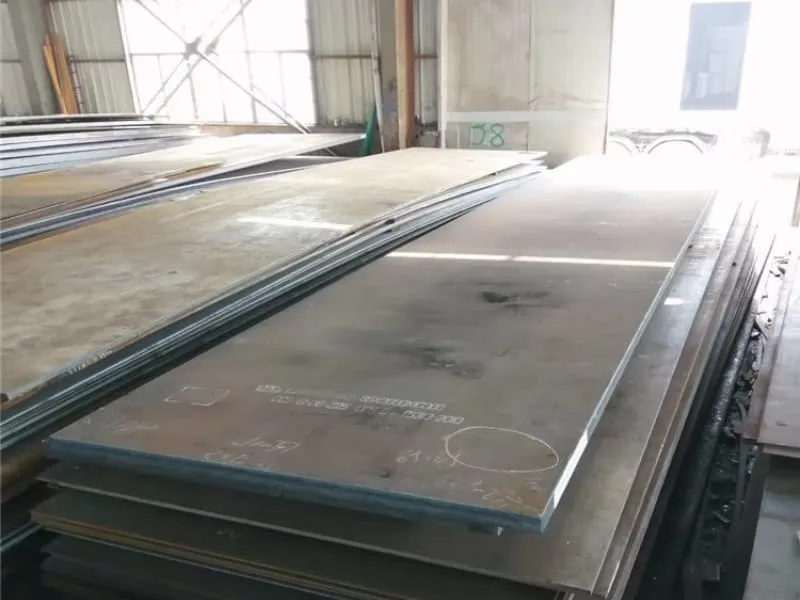
Why "Common Sense" Terms Can Fail You
I talk to importers every week. Many of them say "I need marine grade steel2" and assume that is enough. But marine grade covers dozens of variations. There is ordinary strength (A, B, D, E) and higher strength (AH32, AH36, DH36, EH36). Each has different requirements for impact toughness3 at different temperatures.
When you talk to a mill, you need to speak their language. Here is a quick translation guide:
| What you might say | What the mill needs to hear |
|---|---|
| Shipbuilding steel | Steel grade per classification society (e.g., ABS Grade A) |
| High strength | Specific yield point, e.g., 355 MPa minimum |
| Impact tested | Charpy V-notch test at a certain temperature (0°C, -20°C, etc.) |
| Corrosion resistant | Specific coating or additional alloying elements |
I always advise my clients to send us the exact specification from the classification society rules. If you are building to ABS rules, send us the part of the rule that describes the steel. If you are using a contractor’s drawing, send the steel note from the drawing. That way there is no guessing.
How We Handle This at Our Mill Partners
Our mills in China work with many classification societies. We have approvals from ABS, BV, DNV, LR, NK, KR, RINA, and CCS. But we still need you to tell us which one applies to your project. Some buyers think "all certifications are the same." They are not. A plate certified to ABS may not be accepted by LR without additional testing.
When you place an order with us, I personally review the specification with our mill quality team. We compare your request against our production capabilities. If we see any ambiguity, I will contact you immediately. For example, if you write "Grade A" but your project is for a tanker, I will ask if you need the impact-tested version (Grade B or D). This extra step has saved many of my clients from costly mistakes.
Red Flag Review: Critical Clauses Often Misinterpreted in Technical Data Sheets?
A technical data sheet is full of numbers and notes. Some of those notes are easy to overlook, but they can change the whole meaning of the specification.
The most misunderstood clauses are those related to testing frequency1, acceptance criteria2, and supplementary requirements3. Always read the fine print under "Note" or "Remark" and confirm with the mill how they interpret those clauses.

Common Misinterpretations and How to Avoid Them
I have seen many orders go wrong because of a single line in the data sheet. Let me give you three real examples.
Example 1: "Impact test at -20°C"
A buyer ordered plates to Grade D, which normally requires impact test at -20°C. But the data sheet also said "per rule of CSR." The mill assumed CSR meant China Classification Society rules, which for Grade D require -20°C. But the buyer’s project was under IACS common rules, which for the same grade also require -20°C. It matched, so no problem. But if the buyer had wanted -40°C, the grade would need to be E. The mistake would have been caught if the buyer had explicitly stated "IACS common rules" instead of just "CSR."
Example 2: "Ultrasonic test in accordance with ASTM A578"
A buyer asked for ultrasonic testing (UT) to check for internal defects. The mill performed UT per ASTM A578 Level B, which is standard for marine plates. But the buyer’s contract required Level A (more stringent). When the plates arrived, the buyer’s inspector rejected them because the acceptance criteria2 were different. The mill had done the test correctly per the order, but the order did not specify the level. Now both sides had a dispute.
Example 3: "Tolerance on thickness"
Marine plates are usually rolled with a minus tolerance. That means the actual thickness can be slightly less than the nominal thickness, within a limit. Some projects, especially for repair work, need strictly positive tolerance (the plate must be exactly as thick or thicker). If the data sheet does not specify "positive tolerance only4," the mill will supply with standard minus tolerance. The fabricator then has to add shims or adjust welding procedures.
How to Catch These Red Flags
I train my team to always ask these three questions when we receive an inquiry:
- Which classification society rules apply? (ABS, LR, DNV, etc.)
- Are there any supplementary requirements? (UT, SR, Z-direction testing, etc.)
- What are the acceptance criteria for tests? (Level A/B, temperature, frequency)
If the buyer cannot answer these, we ask them to send the relevant part of the contract or drawing. We then double-check with our mill’s quality manager. This process takes an extra hour, but it has prevented dozens of mismatches.
Here is a simple checklist you can use when reviewing your own data sheets:
| Clause to check | What to verify |
|---|---|
| Steel grade | Full designation (e.g., AH36 instead of just H36) |
| Impact test temperature | Confirm it matches your project’s minimum service temperature |
| Testing frequency | Per heat or per piece? Some projects require per-piece testing |
| Ultrasonic test level | Level A, B, or C? Per what standard? |
| Marking requirements | Stenciling, stamping, color coding? |
| Third-party inspection | Which surveyor? (SGS, Bureau Veritas, etc.) |
Digital Assurance: How to Use ITP and Mill Certificates to Verify Conformity?
Paperwork is not just paperwork. The Inspection and Test Plan (ITP)1 and mill certificates2 are your proof that the steel meets the specification. But only if you know how to read them.
Use the ITP to map out every test and inspection before production starts. When the mill certificate arrives, compare every data point against the ITP and the purchase order. Do not just glance at the grade—check heat numbers, mechanical properties3, and the stamp of the classification society4.
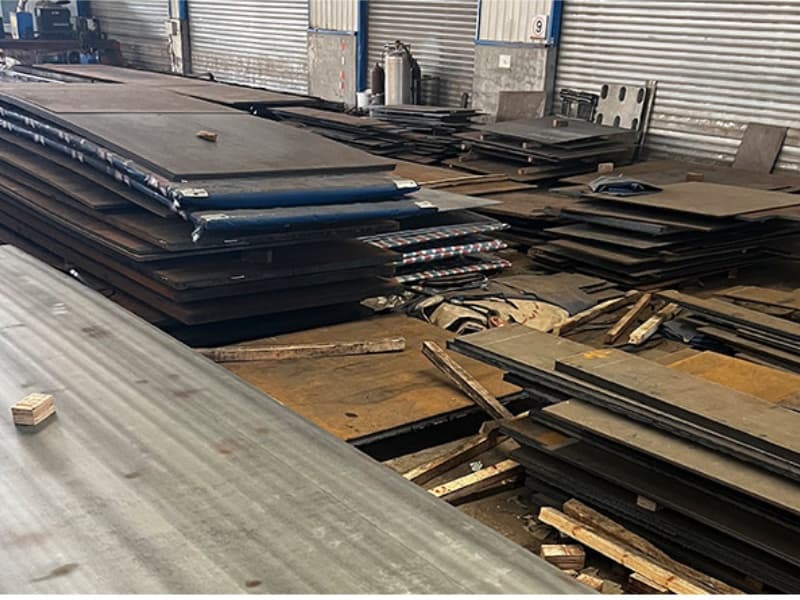
The Role of ITP in Preventing Mismatches
An ITP is a document that lists all the inspections and tests that will be done during production. It tells you:
- What will be tested (chemistry, tensile, impact, UT, etc.)
- When it will be tested (during rolling, after heat treatment, etc.)
- How it will be tested (standard method, sample size)
- Who will witness the test (your inspector, third party, mill internal)
I always ask our mill to prepare a draft ITP before production starts. I then review it with the buyer. This is the time to catch any differences between what the buyer expects and what the mill plans to do. For example, if the buyer wants impact tests on every 50 tons, but the ITP says every 100 tons, we can adjust before steel is rolled.
Once the ITP is agreed, it becomes the quality plan. During production, the mill follows this plan. When they send the final mill certificates, you can check that each test listed in the ITP was actually done and the results are within limits.
How to Read a Mill Certificate Correctly
A mill certificate (also called EN 10204 type 3.1 or 3.2) is a legal document. It certifies that the material meets the specification. But you need to verify it step by step.
Here is what I look for when I receive a certificate from our mill:
- Header information: Does it have the correct purchase order number, your company name, and the date?
- Product description: Is the steel grade exactly as ordered? (e.g., ABS Grade AH36)
- Heat number: This is the unique ID for the melt. All plates from the same heat have the same chemistry.
- Chemical composition: Compare each element (C, Mn, Si, P, S, etc.) with the limits in the specification.
- Mechanical properties: Check yield strength, tensile strength, and elongation against the required minimums.
- Impact test results: Verify the temperature and the absorbed energy values. They must meet or exceed the rule requirements.
- Ultrasonic test report5: If UT was done, there should be a separate report or a note on the certificate indicating compliance.
- Stamp and signature: Look for the stamp of the classification society surveyor (if 3.2 certification) or the mill’s authorized inspector (if 3.1).
I use a simple table to compare the certificate against the order:
| Requirement | Ordered value | Certificate value | Conform? |
|---|---|---|---|
| Grade | ABS AH36 | ABS AH36 | Yes |
| Yield strength (min) | 355 MPa | 380 MPa | Yes |
| Impact test @ -20°C | 34 J avg | 45 J avg | Yes |
| UT per ASTM A578 | Level B | Level B | Yes |
If everything matches, I give the green light for shipment. If something is off, I stop and investigate. Sometimes it is a simple typo. Other times it is a real deviation. Either way, we fix it before the steel leaves the mill.
Real Example: How Digital Assurance Saved an Order
Last year, a client in Saudi Arabia ordered marine angle steel for a project. They needed it to be certified by Lloyd’s Register (LR). We prepared the ITP and sent it for approval. The client’s engineer noticed that the ITP listed impact tests at 0°C, but the order required -20°C. We caught this before rolling. The mill adjusted the production parameters to ensure the steel would meet the lower temperature requirement. If we had not used the ITP as a verification tool, the steel would have been rolled to the wrong specification. The client would have received non-conforming material and faced delays.
Conclusion
Specification mismatch is avoidable if you align terms, review data sheets carefully, and verify with digital tools like ITP and mill certificates. Take the extra time upfront to save months of headache later.
-
Understanding ITP is crucial for ensuring quality control in production processes. ↩ ↩ ↩ ↩
-
Mill certificates are essential for verifying that materials meet specifications, ensuring compliance. ↩ ↩ ↩ ↩ ↩
-
Mechanical properties determine the performance of steel; knowing them helps in quality assurance. ↩ ↩ ↩ ↩
-
Classification societies ensure compliance with safety and quality standards in marine and industrial applications. ↩ ↩ ↩
-
Ultrasonic testing is a non-destructive method to ensure material integrity; understanding it is key. ↩