
You switch suppliers every project. You re‑explain your needs. You get inconsistent quality.
Build long‑term cooperation by aligning on quality standards, holding regular performance reviews, offering volume commitments with fair payment, and jointly planning inventory, forecasts, and logistics.
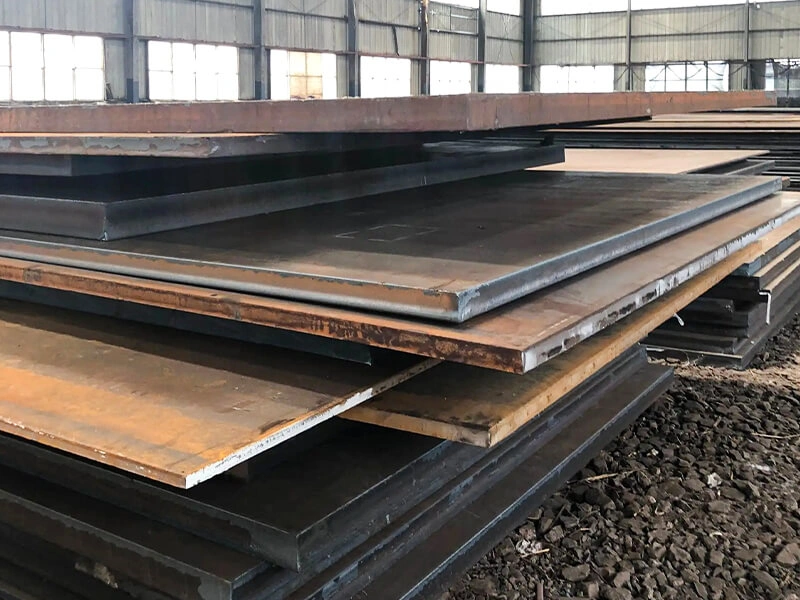
I have worked with some shipyards for years. Those relationships are not accidents. They take work from both sides. But the payoff is huge: better prices, faster delivery, and fewer problems. Let me share what I have learned about building partnerships that last.
What Shared Quality Standards and Consistent Performance Build Trust Over Time?
You accept a batch with minor rust. The next batch has more rust. The supplier thinks you do not care.
Shared quality standards – written down, agreed by both sides, and checked every time – create a baseline. Consistent performance – meeting those standards shipment after shipment – builds trust. Without both, every order is a new negotiation.
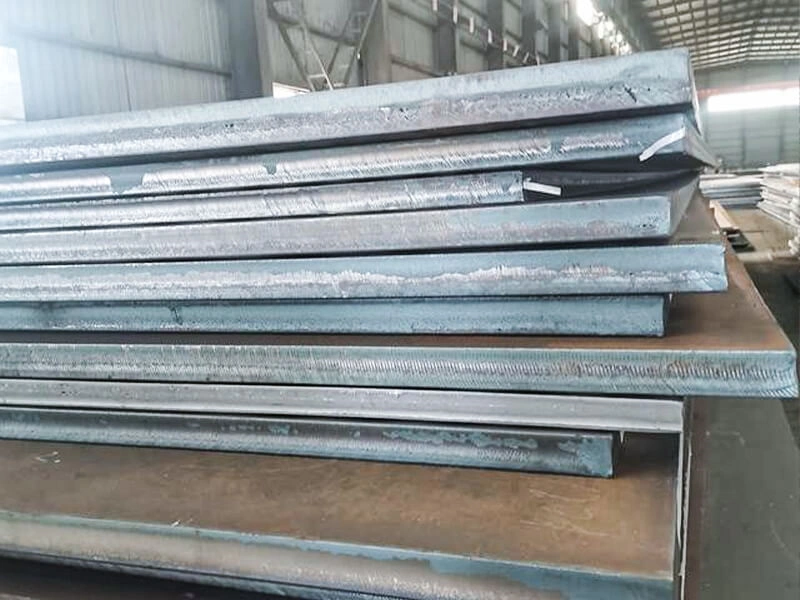
The agreement that stopped arguments
I had a client in Saudi Arabia. Early in our relationship, we disagreed about what counts as acceptable surface rust. I thought light rust was fine. He thought any rust was unacceptable. We argued on every shipment. Then we sat down and wrote a one‑page quality standard. It said: "No red rust visible on more than 5% of surface area. Pitting deeper than 0.3mm is rejectable." After that, no more arguments.
So let me explain how to set shared standards.
First, write down your quality requirements. Do not leave them in email threads or verbal agreements.
| Quality Aspect | Vague Expectation | Clear Written Standard |
|---|---|---|
| Dimensions | "Standard tolerance" | Leg length ±1.0mm, thickness ±0.3mm |
| Surface | "No heavy rust" | Red rust <5% area, pits <0.3mm deep |
| Certificates | "Need MTC" | MTC with heat number matching steel stamp |
| Packaging | "Proper packaging" | Waterproof wrap + edge protectors + steel straps |
Second, use a shared quality checklist for every shipment. I send this to my long‑term clients before loading.
- Dimensions measured and recorded (send photo)
- Surface inspected (send photo)
- Heat numbers visible and match MTC
- Packaging intact
- Third-party inspection done (if requested)
The client checks the list. If something is missing, I fix it before shipping.
Third, track performance over time. Trust comes from consistency, not perfection.
| Shipment | Dimension Pass Rate | Surface Pass Rate | On‑Time Delivery | Overall Grade |
|---|---|---|---|---|
| 1 | 98% | 95% | Yes | A |
| 2 | 99% | 97% | Yes | A |
| 3 | 97% | 96% | Yes | A |
| 4 | 99% | 99% | Yes | A+ |
After four shipments of consistent performance, trust is strong.
Fourth, how to handle a quality miss in a long‑term partnership. When something goes wrong – and it will – the response matters more than the mistake.
| Supplier Response | Buyer Reaction |
|---|---|
| Deny the problem, argue about tolerance | Trust erodes, relationship damaged |
| Acknowledge, explain cause, replace at own cost | Trust preserved or even strengthened |
I follow the second path. My clients know I will make it right.
Your shared standards checklist
- You have a written quality agreement with your supplier
- You use a pre‑shipment checklist for every order
- You track performance over time (not just one order)
- You have a clear process for handling quality misses
I provide the written standard and checklist. My clients review and sign. We both know the rules.
How Do Transparent Communication and Regular Performance Reviews Strengthen Partnerships?
Problems fester. Small delays become big frustrations. The supplier thinks everything is fine.
Transparent communication means sharing bad news early – not hiding it. Regular performance reviews – quarterly or bi‑annual – create a structured time to discuss what is working and what is not. Both sides learn and improve.

The meeting that saved a $2M account
I had a client in Vietnam. For two years, we had no formal reviews. Then a series of small problems – a late shipment here, a surface issue there – added up. The client was frustrated but did not say anything. When his contract came up for renewal, he almost left. We had a long call. We cleared the air. Now we have quarterly reviews. The partnership is stronger than ever.
So let me show you how to structure reviews.
First, the simple performance dashboard. Track these five metrics every quarter. Supplier performance dashboards and KPIs are commonly used to keep conversations factual and actionable.
| Metric | Target | Q1 | Q2 | Q3 | Q4 |
|---|---|---|---|---|---|
| On‑time delivery | ≥95% | 96% | 97% | 94% | 98% |
| Quality acceptance | ≥98% | 99% | 98% | 97% | 99% |
| Response time | ≤24h | 6h | 8h | 12h | 4h |
| Issue resolution | ≤5 days | 3d | 2d | 4d | 2d |
| Overall satisfaction | 4/5 | 4.5 | 4.2 | 4.0 | 4.8 |
Second, the quarterly review agenda. Keep it to 45‑60 minutes. Quarterly business reviews and structured follow-up help turn feedback into action.
- Review metrics (10 min) – go through the dashboard
- What went well (5 min) – acknowledge successes
- What needs improvement (15 min) – discuss issues openly
- Action plan for next quarter (10 min) – specific, measurable actions
- Forecast and upcoming needs (10 min) – share build schedule
Third, how to give and receive feedback.
| For Shipyard Buyer | For Supplier |
|---|---|
| Be specific: "Shipment #1023 had rust on 15% of surface." | Acknowledge: "You are right. Our storage was wet that week." |
| Suggest a fix: "Can we inspect before loading going forward?" | Propose solution: "We will send photos before every shipment." |
| Praise good performance: "The last three shipments were perfect." | Thank them: "We appreciate your business and your feedback." |
Fourth, the benefits of regular reviews.
| Without Reviews | With Reviews |
|---|---|
| Issues build up silently | Issues caught early, fixed quickly |
| Buyer feels unheard | Buyer sees their feedback acted on |
| Supplier blindsided by complaints | Supplier knows what to improve |
| Relationship ends suddenly | Relationship deepens over time |
Your review checklist
- You have a simple dashboard of 4‑5 key metrics
- You schedule quarterly reviews (even 30 minutes helps)
- You come prepared with specific examples
- You agree on action items at the end
I send my clients a one‑page review summary before each meeting. They come prepared. We get more done.
Why Should You Offer Volume Commitments and Fair Payment Terms to Secure Supplier Priority?
You order 50 tons here, 30 tons there. The supplier gives you regular attention – not priority.
Volume commitments – a guaranteed minimum quantity per month or quarter – signal that you are serious. Fair payment terms – not stretching payment to 90 days – show respect. In return, the supplier gives you priority during peak demand, better prices, and faster response.
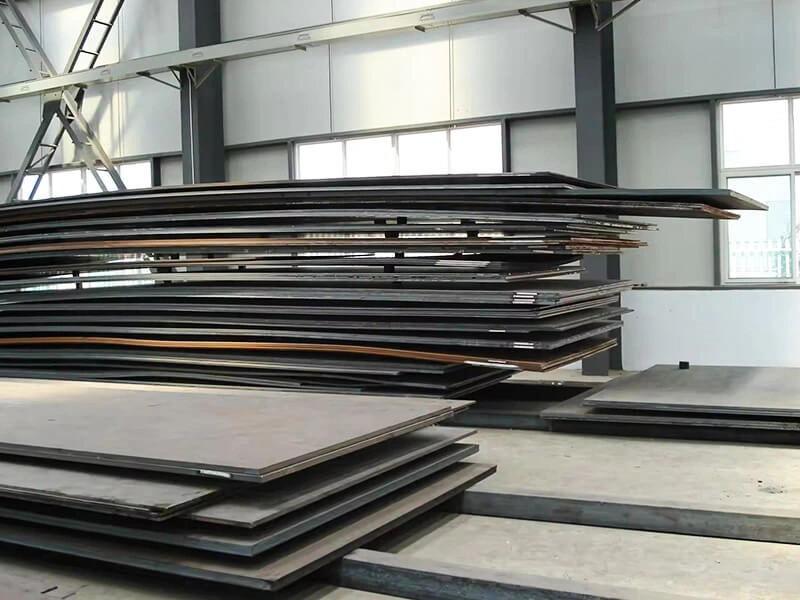
How a 500‑ton commitment changed my service level
I have a client in Malaysia. He used to order 30‑80 tons sporadically. I served him well, but I did not reserve mill capacity for him. Then he committed to 100 tons per month for 12 months (1,200 tons total). I immediately changed his status. Now I keep his steel in my stock. I ship within 5‑7 days. His price dropped by 6%. Everyone wins.
So let me explain the economics of commitment.
First, what volume commitments do for you.
| Commitment Level | Supplier Priority | Typical Lead Time | Price Discount |
|---|---|---|---|
| Spot orders, no commitment | Low | 30‑45 days | None |
| 6‑month forecast, no guarantee | Medium | 25‑35 days | 2‑3% |
| 12‑month contract, 50 tons/month | High | 20‑25 days | 5‑7% |
| 24‑month contract, 100+ tons/month | Highest (VIP) | 15‑20 days | 8‑12% |
Second, fair payment terms that suppliers value. Many buyers ask for 60‑90 day payment terms. That strains the supplier's cash flow. Suppliers appreciate:
- 30‑40% deposit (covers material cost)
- Balance against BL copy (not 30‑60 days after delivery)
- Pay by wire transfer, not complex instruments (unless required)
I give better prices to clients who pay on time. Fair terms build goodwill.
Third, what you get in return for your commitment. When I have a client with a volume commitment, I:
- Reserve mill rolling slots for their sizes
- Keep stock of their common sizes in my warehouse
- Prioritize their orders during peak seasons
- Give them 7‑14 days of extra lead time buffer
- Offer fixed pricing for 3‑6 months
Fourth, a real example of mutual benefit.
| Before Commitment | After 12‑Month Commitment |
|---|---|
| Client orders: 400 tons/year | Client orders: 1,200 tons/year |
| Price: $680/ton | Price: $640/ton (6% saving) |
| Lead time: 35‑45 days | Lead time: 18‑22 days |
| Supplier's cash flow: unpredictable | Supplier's cash flow: predictable |
The client saves $48,000 on 1,200 tons. The supplier plans better. Both win.
Your commitment checklist
- Can you commit to a minimum monthly or quarterly volume?
- Are you willing to sign a 12‑month contract?
- Can you offer fair payment terms (e.g., 30% deposit, balance against BL)?
- Have you discussed what priority and discounts you get in return?
I negotiate these openly with my clients. No hidden games.
How Can Joint Planning of Inventory, Forecasts, and Logistics Create Mutual Long‑Term Value?
You keep high stock because you do not trust the supplier. The supplier keeps high stock because you do not share your plans.
Joint planning means sharing your 6‑12 month build forecast, agreeing on safety stock levels, and coordinating logistics (ports, shipping lines, delivery windows). This reduces inventory on both sides, lowers costs, and improves reliability.

The shared spreadsheet that cut $100,000 in inventory
I worked with a shipyard in Thailand. They kept 800 tons of steel in their yard as safety stock. I kept another 500 tons in my warehouse for them. Together, 1,300 tons of buffer. Then we started joint planning. They shared their 6‑month build schedule. I adjusted my stock. They reduced their safety stock to 500 tons. I reduced mine to 300 tons. Total buffer dropped to 800 tons – a saving of $100,000 in tied‑up capital.
So let me explain how to do joint planning.
First, share a rolling 6‑month forecast. Do not worry about exact numbers. Even a ±30% range is helpful. Rolling forecasts improve planning accuracy and reduce inventory risk.
| Month | L100x100x10 (tons) | L125x125x12 (tons) | Grade | Notes |
|---|---|---|---|---|
| January | 80 | 60 | AH36 | Hull blocks Vessel 3 |
| February | 100 | 70 | AH36 | Hull blocks Vessel 4 |
| March | 60 | 50 | AH36 | Deck fabrication |
| April | 40 | 30 | AH36 | Final assembly |
| May | 20 | 20 | AH36 | Spares |
| June | 80 | 60 | AH36 | Next vessel start |
I update my stock and mill reservations based on this.
Second, agree on safety stock levels. Use the formula from earlier articles. Safety stock helps protect service levels when demand or lead time varies.
Safety stock = (Daily usage × Lead time) × 1.2 to 1.5
With joint planning, you can use a lower multiplier because the supplier holds some buffer for you.
Third, coordinate logistics together. Discuss: collaborative logistics planning is built on shared forecasts and aligned processes.
- Preferred ports on both ends
- Preferred shipping lines (price vs speed)
- Delivery windows (e.g., every 2 weeks on Thursday)
- Who handles customs and documentation
I have a shared logistics calendar with several clients. We book vessel space together 2‑3 months in advance.
Fourth, the value of joint planning over a year.
| Area | Without Joint Planning | With Joint Planning |
|---|---|---|
| Shipyard safety stock | 600 tons | 300 tons (50% reduction) |
| Supplier buffer stock | 400 tons | 200 tons (50% reduction) |
| Total inventory value | $700,000 | $350,000 |
| Capital freed up | – | $350,000 |
| Urgent order frequency | 4 per year | 0 per year |
That is real value.
Your joint planning checklist
- You share a 6‑month rolling forecast with your supplier
- You have agreed on safety stock levels for common sizes
- You coordinate logistics (ports, delivery windows) together
- You review the forecast monthly and adjust
I provide a shared Google Sheet for my clients. Google Sheets-based inventory collaboration lets them update their forecast. I update stock availability. No back‑and‑forth emails.
Conclusion
Set shared quality standards, review performance regularly, offer volume and fair payment, and plan jointly. That is how you build long‑term cooperation.