
A Mill Test Certificate looks official, but can you trust it? I have seen projects halted because of fake or non-compliant certificates. Knowing how to verify ABS or BV certificates is your first defense against substandard materials and project delays.
To check ABS or BV certificates for bulb flat steel, verify the mill’s approval number and name match the society’s online database, confirm the certificate number is unique, check that all test results (chemistry, tensile, impact) meet the ordered grade (e.g., AH36), and ensure it bears the official stamp or e-signature of the certified mill’s quality department.
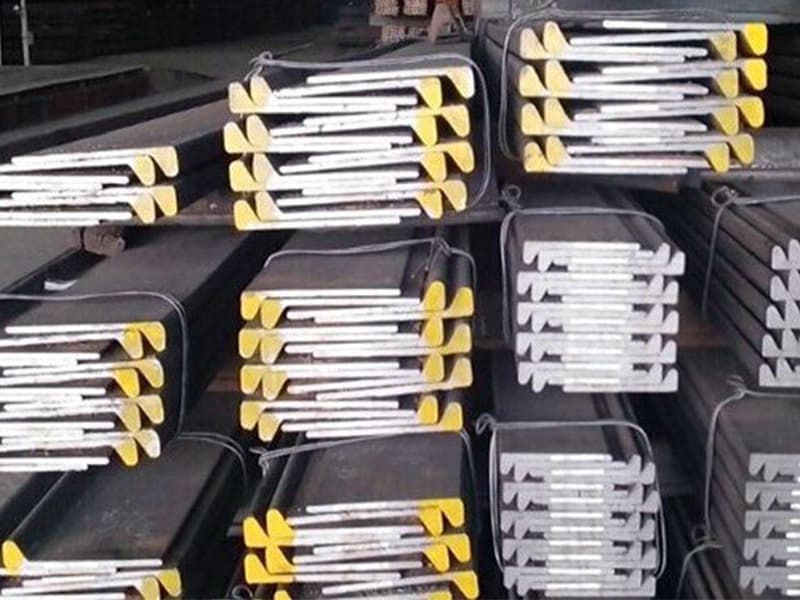
A certificate is more than a delivery document; it is a legal record of quality. Understanding steel types and grades gives you the context to scrutinize these certificates effectively. Let’s build that knowledge step by step.
What are the 4 types of steel?
Many people think "steel is steel." But ordering the wrong type for a marine application is a fundamental and costly error. The four basic types are defined by their chemical composition1, which dictates their properties and uses.
The four main types of steel are Carbon Steel2, Alloy Steel3, Stainless Steel4, and Tool Steel5. Marine bulb flats and shipbuilding plates are almost exclusively made from Carbon Steel2 (specifically, Mild or High-Strength Low-Alloy grades) and sometimes Alloy Steel3 for specialized applications.
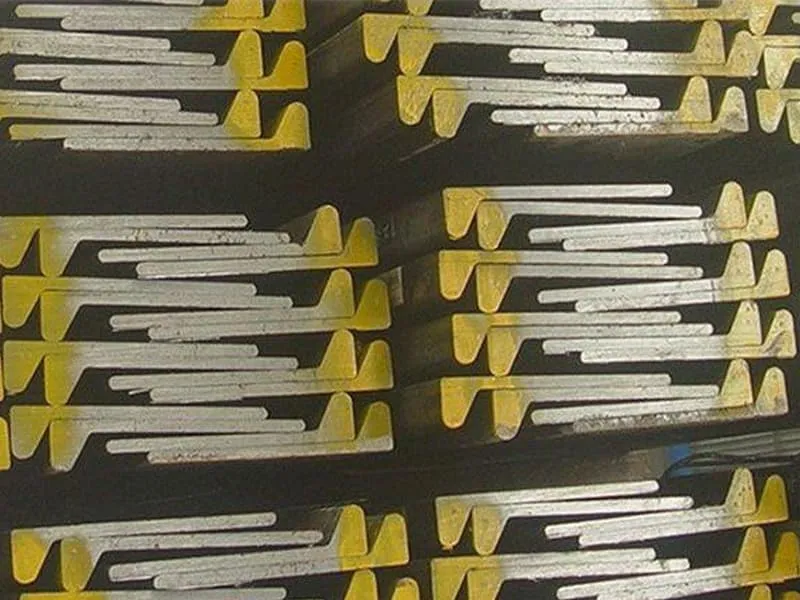
Understanding the Steel Family Tree
Each steel type serves a different purpose. Using tool steel for a ship’s hull would be a disaster, just as using carbon steel for a chemical tank would fail quickly. Let’s define each type.
1. Carbon Steel2
This is the workhorse of industry, especially in construction and shipbuilding. It is primarily iron (Fe) with carbon (C) as the main alloying element.
- Low/Ultra-Low Carbon Steel2 (C 0.60%): Very hard and brittle. Used for springs, blades, and high-strength wires. Not weldable for structural purposes.
Marine Relevance6: Bulb flats in grades AH32, AH36 are High-Strength Low-Alloy (HSLA) steels7, a sub-category of carbon steel. They have low carbon but add tiny amounts of niobium, vanadium, or titanium for strength and toughness.
2. Alloy Steel3
Alloy steel adds significant amounts of other elements (like Chromium, Nickel, Molybdenum) to carbon steel to enhance specific properties.
- Purpose: To increase hardenability, strength, wear resistance, or corrosion resistance beyond what carbon steel can offer.
- Examples: 4140 steel (Cr-Mo steel) for shafts, 4340 for aircraft landing gear.
- Marine Relevance6: Some high-strength, thick forgings for ship propellers or rudder stocks may use alloy steels. Standard bulb flats are not made from these.
3. Stainless Steel4
Stainless steel contains a minimum of 10.5% Chromium, which forms a passive, self-repairing oxide layer that resists rust.
- Families: Austenitic (300 series, non-magnetic, e.g., 304, 316), Ferritic, Martensitic, Duplex.
- Marine Relevance6: 316 stainless is used for marine hardware, railings, and pumps on ships due to its superior corrosion resistance. It is not used for primary structural members like bulb flats due to its high cost and different mechanical properties.
4. Tool Steel5
Tool steel is designed for cutting, drilling, or shaping other materials. It is very hard, wear-resistant, and retains its edge at high temperatures.
- It contains high carbon and strong carbide-forming elements like Tungsten, Molybdenum, Cobalt.
- Use: Drill bits, dies, molds, cutting tools.
- Marine Relevance6: Essentially none for structural components.
Summary Table for Marine Buyers
| Steel Type | Main Alloying Elements | Typical Marine Use | Used for Bulb Flats? |
|---|---|---|---|
| Carbon Steel2 (HSLA) | Iron, Carbon (5% other elements (Cr, Ni, Mo) | High-strength forgings (propellers, rudders). | No. |
| Stainless Steel4 | Iron, Chromium (>10.5%), Nickel (in austenitic) | Marine hardware, railings, specific tank linings. | No. |
| Tool Steel5 | Iron, High Carbon, Tungsten, Molybdenum, Cobalt | Cutting tools in the workshop. | No. |
When you receive a certificate for bulb flats, the first check is to confirm it is for Carbon Steel2 (HSLA type). The chemical analysis should show high iron, low carbon, and manganese as the main alloy, with traces of micro-alloys. Seeing high chromium or nickel would be a major red flag for the wrong material.
How to check steel grade?
You have a piece of steel with a painted grade code, or you have a Mill Test Certificate1. How do you know it’s really AH36 and not A36? Relying on the supplier’s word is not enough; you need to verify it yourself.
You can check the steel grade through three main methods: 1) Review the Mill Test Certificate1 (MTC) for chemical and mechanical test results against the standard specification. 2) Perform on-site hardness or spectroscopic chemical analysis. 3) Send a sample to a certified lab for full mechanical and chemical testing.
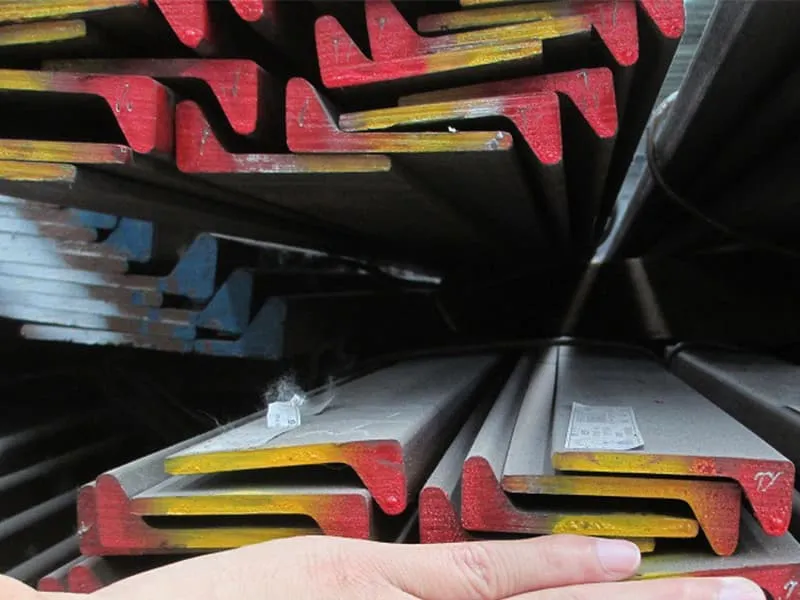
A Practical Guide to Steel Grade Verification
For a project manager or QA inspector, this is a critical daily task. Let’s explore each method in detail, focusing on practicality for marine bulb flats.
Method 1: Document Verification (The First and Most Common Check)
This is non-destructive and should be done for every batch.
- Step 1: Get the MTC. Insist on the original or a certified true copy from the mill. Do not accept a trader’s "self-issued" certificate.
- Step 2: Match the Grade Designation. The certificate header must state the exact grade ordered (e.g., "ABS Grade AH36").
- Step 3: Check Chemical Composition. Find the table listing elements (C, Si, Mn, P, S, Nb, V, etc.). Compare each value to the permissible range in the relevant standard (e.g., ABS Rules). For AH36, Carbon is typically ≤ 0.18%, and CEQ must be within limits for weldability.
- Step 4: Check Mechanical Properties. This is the most important part.
- Yield Strength (ReH): Must be ≥ 355 MPa for AH36.
- Tensile Strength (Rm): Must be within the specified range (e.g., 490-620 MPa).
- Elongation: Must meet the minimum (e.g., ≥ 21%).
- Impact Toughness (Charpy V-Notch): Must show the test temperature (e.g., -20°C for ‘D’ quality) and the absorbed energy value (e.g., ≥ 34 J). The certificate must list the actual tested values, not just "compliant."
Method 2: On-Site Verification (For High-Value or Suspicious Batches)
When documents are not enough, you move to physical checks.
- Portable Hardness Testers: Measure Brinell or Rockwell hardness2. You can compare the result to a known conversion chart for the expected grade. A low hardness might indicate lower strength. This is a quick check but not definitive.
- Portable X-Ray Fluorescence (XRF) Analyzer3: This is a game-changer. It can give you a reasonably accurate chemical composition4 in seconds. You can verify key elements like Carbon (indirectly), Manganese, Silicon, and detect if harmful elements like Lead are present.
- Limitation: Portable XRF is not perfect for light elements like Carbon. It gives a good indication but is not a substitute for lab analysis.
Method 3: Laboratory Testing (The Definitive Proof)
This is used for dispute resolution, high-risk projects, or when specified by the buyer.
- Process: You or a third-party inspector (like SGS or BV) take a witness sample from the batch.
- Tests Performed: The lab conducts full chemical analysis (using combustion for Carbon) and mechanical tests (tensile, Charpy impact) on the sample.
- Outcome: A formal test report is issued. This report is compared to the mill’s MTC and the purchase specification.
Verification Workflow for a Bulb Flat Shipment
- Upon Order: State clearly you require an original MTC from an ABS/BV-approved mill.
- Before Shipment: Request a copy of the draft MTC for pre-check. Use a third-party inspection service5 to witness the final testing and sealing of the shipment.
- Upon Receipt: Physically match the heat number/identification marks on the material to the MTC. Perform a visual and dimensional inspection. Use a portable XRF if available.
- For Dispute: Engage a third-party lab for independent testing.
Our client Gulf Metal Solutions insists on Step 2. They pay for SGS to inspect at the mill before shipment. This gives them complete confidence before the steel even leaves China. They know how to check the grade, and they use professional services to do it definitively. This solves their past pain point of "quality inconsistency."
What is SS grade 304 and 316?
In a shipyard, you hear about "304 stainless for the galley" and "316 for the deck fittings." These are entirely different from the structural steel used for bulb flats. Confusing them can lead to catastrophic material selection errors.
SS Grade 304 and 316 are austenitic stainless steels. Grade 304 is a general-purpose stainless (18% Chromium, 8% Nickel). Grade 316 contains Molybdenum (2-3%), giving it superior resistance to chloride corrosion, making it the preferred choice for marine environments for non-structural components.
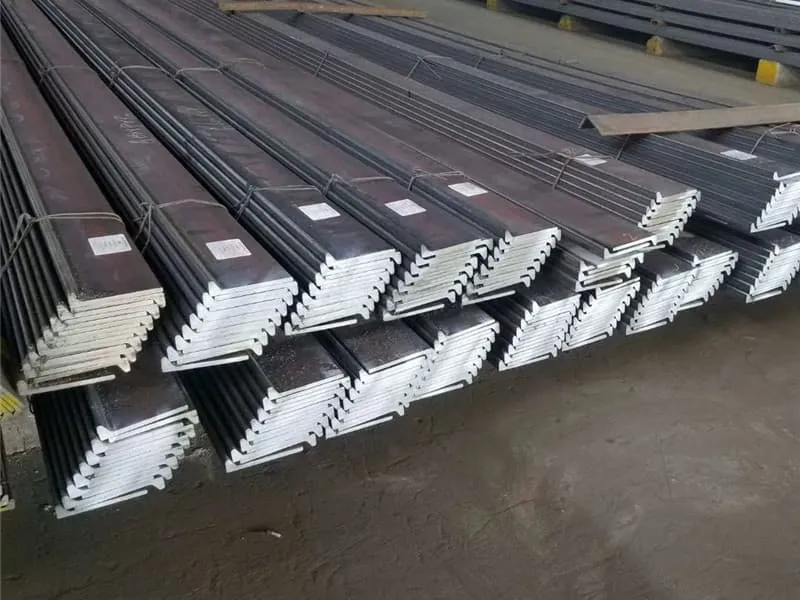
The World of Stainless Steel in a Marine Context
Stainless steels are not used for primary ship structures but are vital for specific shipboard systems. Understanding the difference between 304 and 316 prevents costly corrosion failures.
Basic Composition and Properties
Both 304 and 316 are part of the "300 series" austenitic stainless steels. They are non-magnetic and have excellent formability and weldability.
| Element / Property | AISI 304 (1.4301) | AISI 316 (1.4401) | Why It Matters for Marine Use |
|---|---|---|---|
| Chromium (Cr) | 18-20% | 16-18% | Forms the passive corrosion-resistant layer. |
| Nickel (Ni) | 8-10.5% | 10-14% | Stabilizes the austenitic structure, provides ductility. |
| Molybdenum (Mo) | None | 2-3% | The key difference. Mo dramatically improves resistance to pitting and crevice corrosion from chlorides (salt). |
| Typical Use | Indoor surfaces, galley equipment, non-critical marine interiors. | Deck hardware, railings, pumps, valves, fittings, areas exposed to salt spray. | 316 is the minimum recommended grade for exposed marine applications. |
Corrosion Mechanism: Pitting and Crevice Corrosion
Saltwater is highly aggressive. It can break down the passive layer on stainless steel, leading to localized pitting.
- 304 Stainless: Has fair resistance but can pit in salty, wet environments, especially if not cleaned regularly.
- 316 Stainless: The Molybdenum addition makes the passive layer much more stable. It resists pitting significantly better. This is why it’s called "marine-grade stainless."
Why Stainless is NOT for Bulb Flats or Primary Structure
- Cost: 316 stainless is 3-5 times more expensive per ton than carbon steel like AH36.
- Strength: While its yield strength is similar to mild steel (~205 MPa for annealed 316), it is lower than high-tensile ship steel (355 MPa).
- Fabrication: It requires different welding procedures and tools to avoid contamination.
- Design Philosophy: Ships are designed with the understanding that the carbon steel structure will be protected by coatings and cathodic protection. Stainless is used selectively where coatings are impractical (e.g., moving parts, polished surfaces).
Checking Certificates for Stainless vs. Carbon Steel
This is critical. A certificate for 316 must show:
- Grade: AISI 316 / UNS S31600 / EN 1.4401.
- Chemistry: Must confirm the presence of Molybdenum (Mo) at 2-3%.
- Mechanical Properties: Yield strength may be around 205 MPa Min, tensile around 515 MPa Min.
If you ordered ABS AH36 bulb flats and the certificate shows 18% Cr and 10% Ni, you have a catastrophic material mix-up. The chemical section of the MTC is your first and fastest check to avoid this. For marine structural work, you should see low Chromium and Nickel, and high Manganese.
What is ABS certified steel?
This is the core question for any serious shipbuilding procurement. "ABS certified" is not a marketing term; it is a specific, audited status that gives the material its license to be used in a classed vessel.
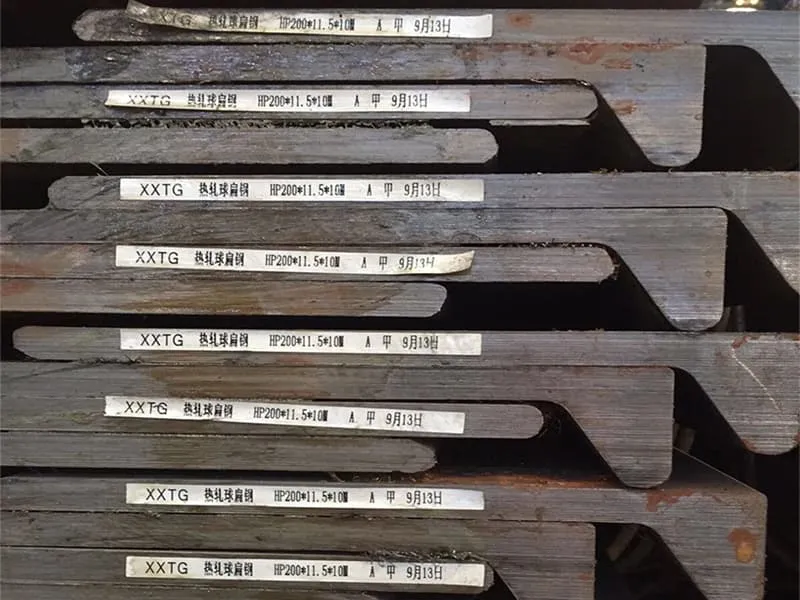
ABS certified steel is material produced in a manufacturing facility (mill) that has been audited and approved by the American Bureau of Shipping. This means the mill’s entire quality management system and production process for specific steel grades meet ABS’s rigorous rules, ensuring consistent and traceable quality.
The System Behind the Certification
Certification is a process, not a one-time event. It involves the mill, the steel, and the documentation.
1. Mill Approval (Type Approval)
This is the foundation. ABS surveyors visit the mill to:
- Audit their quality management system (e.g., ISO 9001).
- Review their manufacturing process from melting to final testing.
- Witness test the production of sample materials.
- If everything passes, ABS issues an Approval Certificate to the mill for specific product forms (plates, sections, etc.) and grades (A, AH32, AH36, etc.). This mill gets a unique approval number.
2. Material Certification (The MTC)
For each batch of steel produced, the mill’s own quality department tests it. They then issue the Mill Test Certificate (MTC). For it to be an "ABS MTC," it must:
- Be issued by an ABS-approved mill.
- State the ABS grade clearly (e.g., "ABS Grade AH36").
- Reference the mill’s ABS approval number.
- List all required test results as per ABS rules.
- Be signed/stamped by the mill’s authorized quality personnel.
3. The Role of Surveyors
ABS surveyors may conduct periodic audits at the mill. For critical projects, a surveyor can be hired to witness the testing and "hold" the material at the mill until tests pass. This is called Surveyor Release.
How to Verify "ABS Certified" Status
When a supplier says "ABS certified," you must verify these four points:
| What to Check | Where to Find It | What to Look For |
|---|---|---|
| 1. Mill is ABS Approved | ABS Online Register of Approved Manufacturers. | Search the mill’s name or location. Confirm they are approved for "Rolled Steel Plates & Sections" and for the specific grade you need. |
| 2. Certificate is from THAT Mill | Header of the MTC. | The mill’s name and address on the MTC must exactly match the name in the ABS online register. Beware of trading companies issuing their own certificates. |
| 3. ABS Approval Number on MTC | Usually near the header or footer of the MTC. | A unique number assigned by ABS to that mill. It should match the number in the online register. |
| 4. Grade Designation & Test Results | Body of the MTC. | Must state "ABS Grade AH36" (or other). All chemical and mechanical results must comply with ABS Rule limits. |
BV (Bureau Veritas) and Other Society Certification
The system is identical for BV, LR, DNV, etc. Each society has its own approval register. A mill can be approved by multiple societies. The certificate will bear the logo and standards of that society (e.g., "BV Grade AH36").
The Buyer’s Leverage
For a buyer, the power of certification is that it outsources quality assurance to an independent, authoritative body. You are not just trusting the supplier; you are trusting the ABS system. This is why our B2B clients—the wholesalers and project contractors—will not even consider material without valid class certification. It is non-negotiable. Our partnership with certified mills in Shandong means we can provide this essential documentation seamlessly, along with the option for third-party verification (SGS) for absolute peace of mind.
Conclusion
Verifying ABS/BV certificates requires checking the mill’s approval, the certificate’s authenticity, and the test data against the standard. This process ensures the bulb flat steel you receive is truly fit for its critical purpose in ship construction.
-
Understanding MTCs is crucial for verifying steel grades, ensuring compliance with standards. ↩ ↩ ↩
-
Discover the differences in hardness testing methods to evaluate steel quality effectively. ↩ ↩ ↩ ↩ ↩ ↩ ↩
-
Learn about XRF technology for quick and accurate chemical analysis of steel. ↩ ↩ ↩ ↩
-
Exploring chemical composition analysis helps ensure the steel meets required specifications. ↩ ↩ ↩ ↩
-
Third-party inspections provide unbiased verification, enhancing confidence in steel quality. ↩ ↩ ↩ ↩
-
Learn how different steel types impact marine applications and their performance. ↩ ↩ ↩ ↩
-
Understand the benefits of HSLA steels in shipbuilding and their unique properties. ↩