
A client from Saudi Arabia once received steel plates with surface defects. This taught me the importance of thorough pre-shipment inspections.
Marine steel plate quality verification involves checking mill certificates, conducting visual inspection, performing ultrasonic testing, verifying dimensions, and confirming surface preparation. These checks ensure the material meets classification society standards and project specifications before shipment.
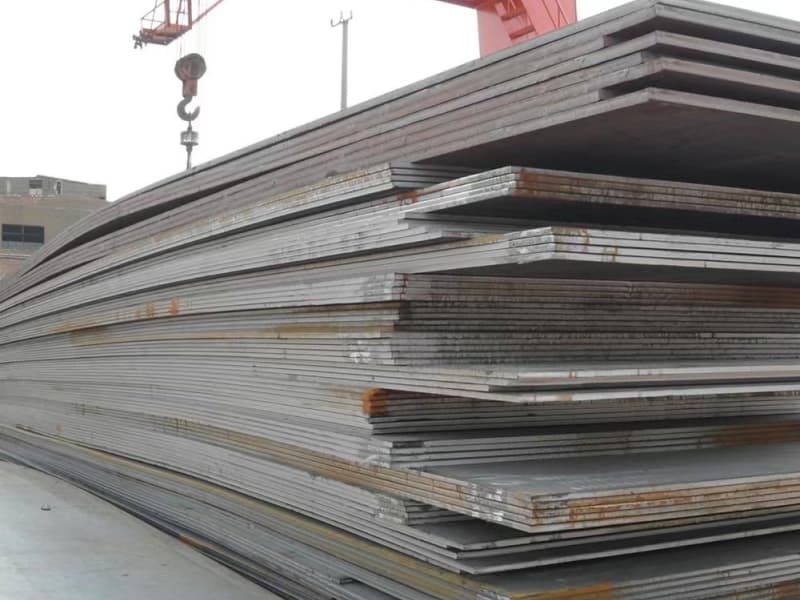
Quality verification prevents costly project delays and ensures vessel safety. Let me share the essential checks we perform for every shipment.
How to check the steel quality?
A shipyard in Vietnam rejected a shipment due to improper documentation. This incident reinforced our commitment to comprehensive quality checks.
Steel quality checking requires reviewing mill test certificates1, conducting visual surface inspection2, performing chemical analysis verification3, checking mechanical properties4, and conducting non-destructive testing5. Third-party inspection services like SGS provide additional quality assurance for marine applications6.
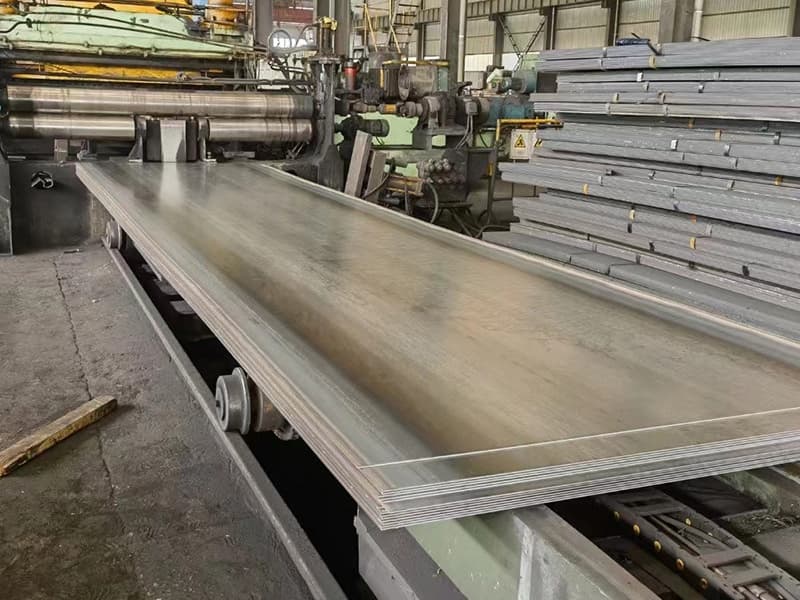
Comprehensive Steel Quality Assessment
Quality checking involves multiple verification methods that complement each other. Each method provides different information about the steel’s condition and properties.
Documentation Review Process
Mill test certificates provide the foundation for quality verification. These documents confirm the steel’s chemical composition and mechanical properties4. They include heat numbers for traceability and classification society approvals. We verify that the certificates match the ordered specifications exactly. Any discrepancy requires immediate investigation and resolution.
Visual Inspection Standards
Visual inspection examines the steel surface for visible defects. We check for laminations, cracks, pits, and roll marks. The surface should be uniform without excessive scaling. Edge conditions must be straight and free from damage. We use standardized checklists to ensure consistent inspection quality across all shipments.
Dimensional Verification Methods
We measure plate thickness at multiple points using calibrated micrometers. Length and width measurements use tape measures or laser devices. Straightness checks employ straight edges and feeler gauges. The measurements must stay within the specified tolerance ranges. Out-of-tolerance materials get rejected or require supplier correction.
Non-Destructive Testing Applications
Ultrasonic testing detects internal flaws like inclusions and laminations. The testing follows standardized procedures with calibrated equipment. Magnetic particle inspection finds surface cracks in ferromagnetic materials. Dye penetrant testing reveals surface defects in all steel types. These tests provide quality assurance without damaging the material.
Chemical and Mechanical Verification
Spectrochemical analysis verifies the actual chemical composition. This ensures the steel meets the specified grade requirements. Mechanical testing confirms yield strength, tensile strength, and elongation values. Impact testing validates toughness at specified temperatures. These tests may use witness samples from the same heat.
Quality Inspection Checklist
| Check Category | Specific Items | Tools Required | Acceptance Criteria |
|---|---|---|---|
| Documentation | Mill certificates, classification approval | Visual review | Complete and matching |
| Visual | Surface defects, edge condition | Good lighting, magnifier | No major defects |
| Dimensional | Thickness, length, width, flatness | Calipers, tape measure, straight edge | Within tolerance |
| Non-Destructive | Internal flaws, surface cracks | UT equipment, MPI kit | No rejectable defects |
| Marking | Grade, heat number, direction | Visual check | Clear and correct |
We conduct these checks for every shipment to clients in Qatar and Philippines. Our systematic approach prevents quality issues and ensures client satisfaction.
How can you tell good quality steel?
A contractor from Mexico struggled to distinguish between good and poor quality steel. Teaching them these verification methods improved their material selection.
Good quality steel1 shows uniform surface texture, precise dimensions, proper markings, and complete documentation. It demonstrates consistent mechanical properties, meets chemical composition specifications, and possesses adequate toughness for marine environment applications with certification from recognized classification societies.
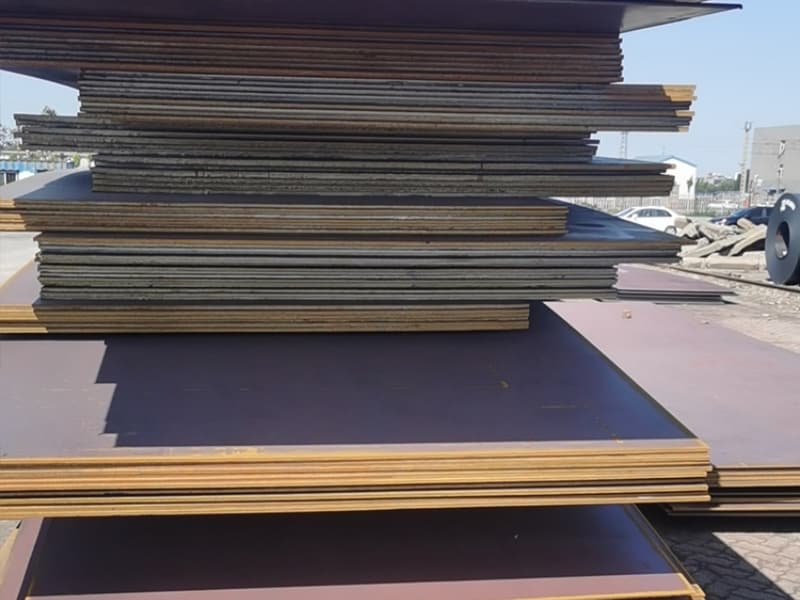
Identifying Quality Steel Characteristics
Recognizing good quality steel requires understanding both visible characteristics and verified properties. Several indicators help distinguish premium material from substandard products.
Surface Quality Indicators2
Good steel exhibits a uniform surface finish without excessive scale. The surface should be free from cracks, pits, and roll marks. The color appears consistent without rust patches or discoloration. The edges should be straight and clean without tearing or excessive burrs. Surface preparation like shot blasting should be even and complete.
Documentation and Certification3
Quality steel always comes with proper documentation. Mill test certificates provide detailed chemical and mechanical properties. Classification society approval indicates compliance with marine standards. Traceability information links the material to its production heat. Missing or incomplete documentation raises quality concerns.
Dimensional Accuracy4
Good steel maintains precise dimensions within specified tolerances. Thickness variations stay within acceptable limits across the entire plate. Length and width measurements match the ordered dimensions. Flatness meets the required standards for shipbuilding applications. Camber and sweep measurements fall within permitted ranges.
Mechanical Property Consistency5
Quality steel demonstrates consistent mechanical properties throughout the material. Yield strength and tensile strength values match the certificate specifications. Elongation values indicate good ductility for forming operations. Impact test results confirm adequate toughness for service conditions. Property variations between different locations should be minimal.
Production Process Indicators6
The manufacturing process affects steel quality. Thermomechanical controlled processing creates superior properties compared to conventional rolling. Controlled cooling rates ensure optimal microstructure development. Proper heat treatment produces consistent properties through the thickness. Advanced production methods typically indicate better quality material.
Quality Steel Assessment Criteria
| Quality Aspect | Good Quality Indicators | Poor Quality Warning Signs |
|---|---|---|
| Surface | Uniform, clean, properly prepared | Rust, scale, pits, cracks |
| Dimensions | Precise, within tolerance | Variations, out-of-spec |
| Documentation | Complete, certified, traceable | Missing, incomplete, unclear |
| Properties | Consistent, meeting specs | Variable, below requirements |
| Marking | Clear, permanent, accurate | Faint, missing, incorrect |
Our clients in Thailand and Malaysia rely on these quality indicators. They have learned to recognize good steel through consistent exposure to quality materials from our shipments.
How to check the grade of steel?
A fabricator from Pakistan received misgraded steel that caused welding problems. This highlighted the importance of proper grade verification.
Steel grade verification1 involves checking permanent markings, reviewing mill certificates, performing spark testing, conducting chemical analysis, and verifying mechanical properties. Positive Material Identification (PMI)2 using portable XRF analyzers provides quick and accurate grade confirmation for marine steel plates.
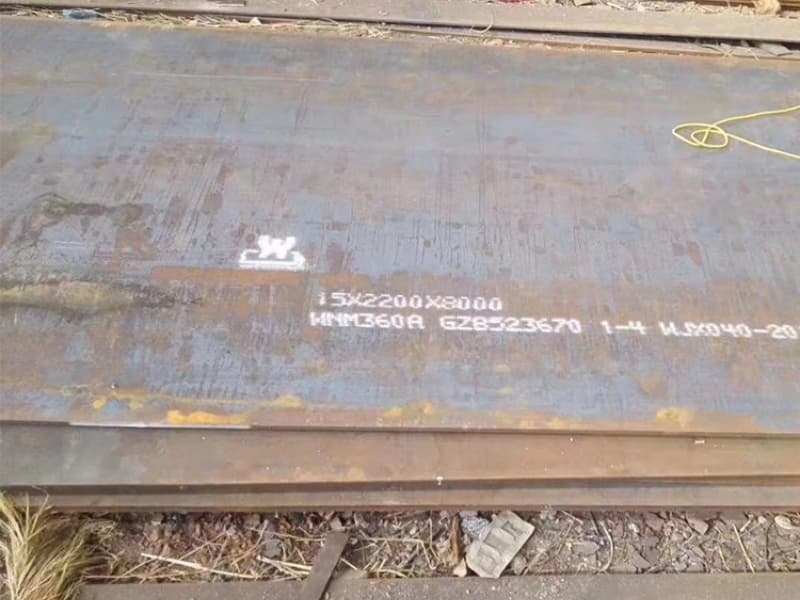
Steel Grade Identification Techniques
Verifying steel grade ensures the material matches the specified requirements. Multiple methods provide different levels of certainty and serve different purposes.
Marking and Documentation Review3
Steel plates carry permanent grade markings stamped into the surface. These markings identify the grade, heat number, and classification. We verify that the markings match the purchase order requirements. Mill certificates provide detailed grade information including chemical composition and mechanical properties. The certificates must show the correct grade designation and applicable standards.
Spark Testing Method4
Spark testing offers a quick field method for grade estimation. The technique involves grinding the steel and observing the spark pattern. Carbon steel produces straight sparks with few branches. Alloy steels create more complex spark patterns with multiple branches. Experienced inspectors can distinguish between different steel types using this method. However, spark testing cannot identify specific grades precisely.
Chemical Analysis Verification5
Laboratory chemical analysis provides definitive grade identification. Spectrometers measure the exact elemental composition. The results get compared against grade specifications. This method confirms the presence of alloying elements and verifies their concentrations. It also checks for undesirable elements that might affect performance. Laboratory analysis offers the highest accuracy for grade verification.
Positive Material Identification
Portable XRF analyzers enable rapid grade verification in the field. These devices measure the elemental composition without damaging the material. The results instantly show whether the steel matches the specified grade. PMI testing can screen entire shipments quickly. It provides reliable results for most common steel grades. This method has become standard practice in quality assurance.
Mechanical Property Confirmation6
Tensile testing verifies the mechanical properties associated with the grade. Yield strength, tensile strength, and elongation values must meet grade requirements. Impact testing confirms the toughness characteristics. Hardness testing provides additional property verification. These tests ensure the steel performs as expected for its grade.
Grade Verification Method Comparison
| Method | Accuracy | Speed | Cost | Skill Required |
|---|---|---|---|---|
| Marking Check | High | Very Fast | Low | Low |
| Documentation | High | Fast | Low | Medium |
| Spark Test | Low | Fast | Low | High |
| Chemical Lab | Very High | Slow | High | Medium |
| PMI XRF | High | Fast | Medium | Medium |
| Mechanical Test | High | Slow | High | High |
We use PMI testing for all our shipments to Romania and Saudi Arabia. This ensures the correct grade delivery and prevents application problems for our clients.
How to tell if stainless steel is good quality?
A shipowner from Qatar needed stainless steel for chemical tankers. Quality verification prevented potential corrosion issues in their specialized vessels.
Good quality stainless steel shows consistent surface finish, proper chemical composition, absence of contaminants, and correct microstructure. It demonstrates adequate corrosion resistance through standardized testing and maintains mechanical properties suitable for marine service conditions with proper certification.
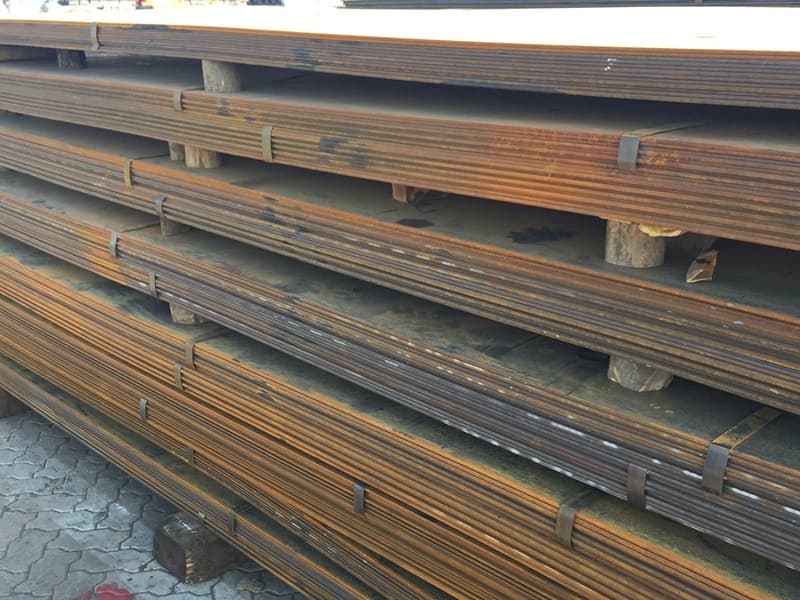
Stainless Steel Quality Evaluation
Stainless steel quality assessment requires specialized knowledge and testing methods. Marine applications demand particularly high quality due to the corrosive service environment.
Surface Quality Examination
Quality stainless steel exhibits a uniform surface finish appropriate for its grade. The surface should be free from pits, scratches, and embedded contaminants. Mill finish surfaces show consistent pattern and texture. Polished surfaces demonstrate even reflectivity without streaks or variations. The edges should be clean without burrs or tearing. Surface defects can initiate corrosion in marine environments.
Chemical Composition Verification1
Stainless steel quality depends heavily on chemical composition. Chromium content must meet the minimum requirement for corrosion resistance. Nickel content affects austenitic stability and formability. Molybdenum enhances pitting corrosion resistance in marine grades. Carbon content must be controlled to prevent sensitization during welding. Trace elements should stay within specified limits to avoid detrimental effects.
Corrosion Resistance Testing2
Standardized tests evaluate stainless steel corrosion resistance. Salt spray testing assesses general corrosion performance. Ferric chloride testing measures pitting corrosion resistance. Streicher testing detects susceptibility to intergranular corrosion. These tests provide quantitative data about corrosion performance. They help verify that the stainless steel meets marine service requirements.
Microstructural Examination3
Metallographic examination reveals the steel’s internal structure. The microstructure should be uniform without excessive inclusions. Austenitic grades should show single-phase structure without sigma phase or other precipitates. Ferritic grades must demonstrate clean ferrite structure. Duplex grades should maintain balanced ferrite-austenite phase distribution. Proper microstructure ensures optimal corrosion resistance and mechanical properties.
Mechanical Property Verification4
Stainless steel must meet the specified mechanical properties. Yield strength and tensile strength values should match grade requirements. Elongation indicates formability for fabrication operations. Hardness testing verifies the material condition. Impact toughness is crucial for low-temperature applications. These properties ensure the steel can withstand service conditions.
Stainless Steel Quality Indicators5
| Quality Factor | Assessment Method | Good Quality Standard |
|---|---|---|
| Surface | Visual inspection | Uniform, defect-free |
| Composition | Chemical analysis | Meets grade specs |
| Corrosion | Salt spray test | No corrosion after specified hours |
| Structure | Metallography | Clean, proper phase balance |
| Properties | Mechanical testing | Meets strength and toughness requirements |
| Certification | Documentation review | Complete and accurate |
We work with specialized stainless steel producers for clients in Malaysia and Philippines. Their chemical tanker operations require the highest quality stainless steel for safe cargo containment.
Conclusion
Thorough quality checks before shipping prevent problems and ensure marine steel performs reliably in service. Systematic verification protects all parties in the supply chain.
-
Learn about the critical role of chemical composition in ensuring stainless steel’s durability and performance. ↩ ↩ ↩ ↩
-
Discover the various tests that determine the corrosion resistance of stainless steel, crucial for marine applications. ↩ ↩ ↩ ↩
-
Gain insights into how microstructural analysis impacts the quality and performance of stainless steel. ↩ ↩ ↩ ↩
-
Understand the importance of mechanical properties in stainless steel and how they are verified for safety. ↩ ↩ ↩ ↩ ↩
-
Explore the essential quality indicators that ensure stainless steel meets industry standards. ↩ ↩ ↩ ↩
-
Understand the significance of mechanical property tests in confirming steel grades and performance. ↩ ↩ ↩