
Last month, a shipyard in Vietnam had to replace their entire angle steel structure after just six months. They chose the wrong grade for saltwater conditions.
Choosing marine angle steel requires evaluating corrosion resistance, mechanical properties, and classification approvals. Consider your ship’s operating environment, structural requirements, and budget. Always verify material certificates and select grades approved by marine classification societies like ABS, DNV, or LR.
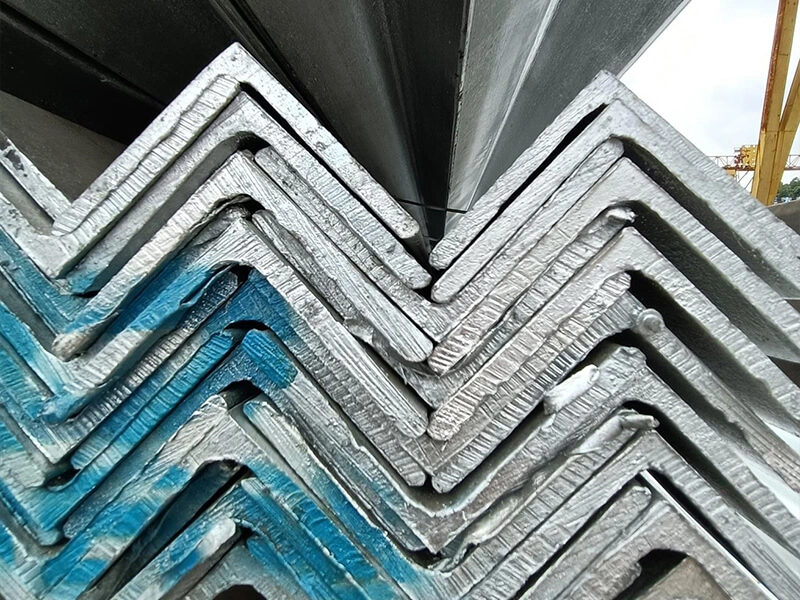
Selecting the wrong angle steel can compromise your entire ship structure. Let me guide you through the key decisions you need to make for your shipyard.
Which is better, 304 or 316 stainless steel1 marine grade?
Many shipbuilders assume all stainless steel works equally well in marine environments. This misconception leads to premature corrosion and expensive replacements.
316 stainless steel1 is better for marine applications because it contains molybdenum2, which significantly improves resistance to saltwater corrosion. 304 stainless steel works for some marine uses but may suffer pitting and crevice corrosion in harsh saltwater conditions.
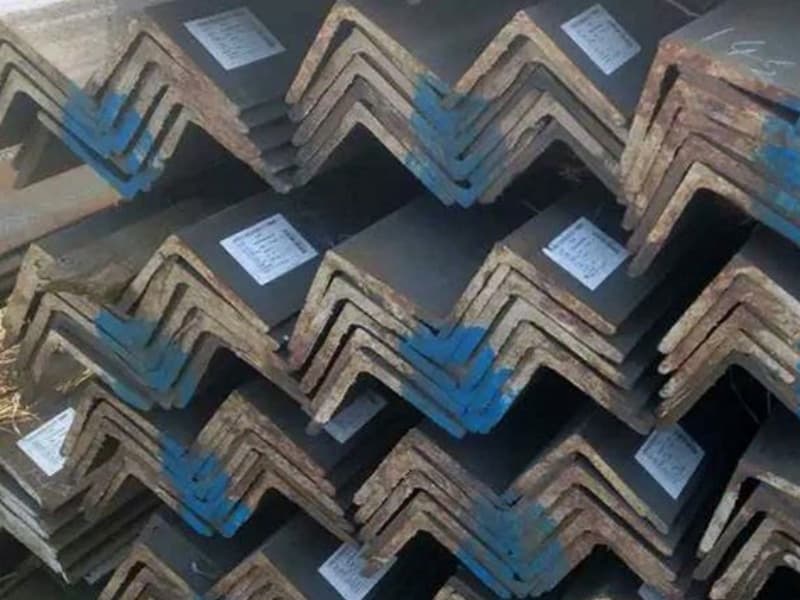
Detailed Analysis of Stainless Steel Grades for Marine Use
The choice between 304 and 316 stainless steel1 depends on multiple factors beyond basic corrosion resistance.
Stainless Steel Grade Comparison Table
| Property | 304 Stainless Steel | 316 Stainless Steel | Impact on Marine Performance |
|---|---|---|---|
| Chromium Content | 18% | 16-18% | Basic corrosion resistance |
| Nickel Content | 8-10.5% | 10-14% | Austenitic structure stability |
| Molybdenum Content | None | 2-3% | Saltwater pitting resistance |
| Carbon Content | 0.08% max | 0.08% max | Weldability and corrosion |
| Tensile Strength | 515 MPa | 515 MPa | Structural capability |
| Cost Factor | Lower | 20-30% higher | Project budget impact |
Chromium content provides the fundamental corrosion resistance in both grades. Chromium forms a passive oxide layer that protects against rust. Both 304 and 316 contain sufficient chromium for basic protection, but marine environments require additional elements for complete protection.
Molybdenum makes the critical difference for saltwater applications. This element dramatically improves resistance to chloride-induced pitting corrosion3. Saltwater contains chlorides that can break down the protective layer on 304 stainless steel. The molybdenum2 in 316 creates a more stable passive layer that resists chloride attack.
Nickel content affects the steel’s structure and workability. Both grades have sufficient nickel to maintain their austenitic structure, which provides good toughness and formability. The slightly higher nickel in 316 contributes to better overall corrosion resistance and stability in fluctuating temperatures.
Cost considerations often influence material selection. 316 stainless steel1 costs significantly more than 304 due to the molybdenum2 content. For projects with tight budgets, shipbuilders might choose 304 for less critical applications or areas with minimal saltwater exposure.
Application location determines the appropriate grade. We recommend 316 for areas constantly exposed to saltwater spray, such as railings, deck fittings, and exterior hardware. 304 may suffice for interior components or areas with occasional saltwater contact.
Which property of steel makes it suitable for shipbuilding?
Shipbuilding steel requires a unique combination of properties that ordinary construction steel cannot provide. I’ve seen projects fail because they used standard steel in marine applications.
The most critical property for shipbuilding steel is toughness, particularly at low temperatures. Ship steel must withstand impact loads without brittle fracture in cold waters. Other essential properties include corrosion resistance, weldability, and strength-to-weight ratio for seaworthiness and durability.
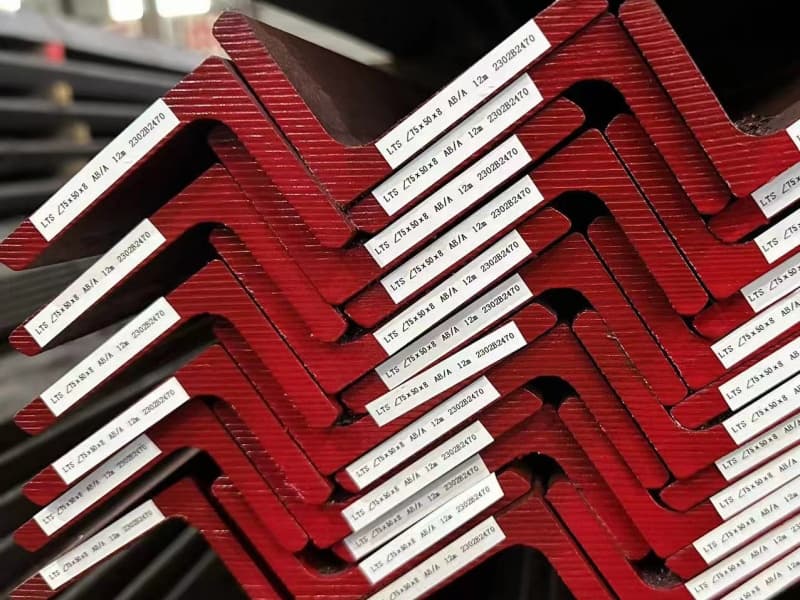
Essential Steel Properties for Marine Applications
Shipbuilding steel must meet multiple performance requirements simultaneously to ensure vessel safety and longevity.
Key Steel Properties for Shipbuilding Table
| Property | Importance | Testing Method | Required Standards | Impact on Ship Performance |
|---|---|---|---|---|
| Toughness1 | Prevents brittle fracture | Charpy V-notch test | -20°C to -40°C | Structural integrity in storms |
| Corrosion Resistance2 | Extends service life | Salt spray testing | Classification society rules | Maintenance frequency and cost |
| Weldability3 | Enables construction | Carbon equivalent calculation | CE < 0.41% | Construction quality and speed |
| Strength | Supports loads | Tensile testing | Yield strength 235-390 MPa | Cargo capacity and safety |
| Fatigue Resistance4 | Withstands wave cycles | Fatigue testing | Minimum 10^7 cycles | Long-term structural health |
Toughness1 is the ability to absorb energy without fracturing. Ships face dynamic loads from waves and cargo operations. In cold waters, steel can become brittle and prone to catastrophic failure. Marine-grade steel5 maintains toughness at temperatures as low as -40°C, ensuring safety in Arctic operations.
Corrosion resistance directly affects maintenance costs and vessel lifespan. Saltwater accelerates corrosion through electrochemical processes. Marine steels incorporate alloying elements like copper, chromium, and nickel to improve corrosion resistance. Additional protective coatings and cathodic protection systems further enhance durability.
Weldability3 determines construction efficiency and quality. Ship construction involves extensive welding, so steel must weld easily without preheating or post-weld heat treatment. Carbon equivalent values below 0.41% ensure good weldability, preventing cracking in heat-affected zones.
Strength requirements vary by vessel type and location. Hull plating needs higher strength than secondary structures. Modern high-strength steels allow thinner plates, reducing weight while maintaining strength. This weight saving increases cargo capacity or improves fuel efficiency.
Fatigue resistance ensures long-term structural integrity. Ships experience millions of stress cycles from wave action during their lifespan. Marine steel must withstand these cyclic loads without developing cracks. Proper steel selection, combined with good design, prevents fatigue failures.
Is 304 stainless steel1 ok for marine use?
I often receive this question from cost-conscious shipyards. The answer isn't simple yes or no—it depends on specific conditions and expectations.
304 stainless steel1 is acceptable for limited marine applications2 with proper maintenance. It works well for interior components, areas above the splash zone, and freshwater systems3. However, it's not suitable for continuous saltwater immersion or critical structural elements in harsh marine environments.
%[304 stainless marine applications](https://cnmarinesteel.com/wp-content/uploads/2025/10/Marine-angle-steel-23.jpg "304 Stainless Marine Use")
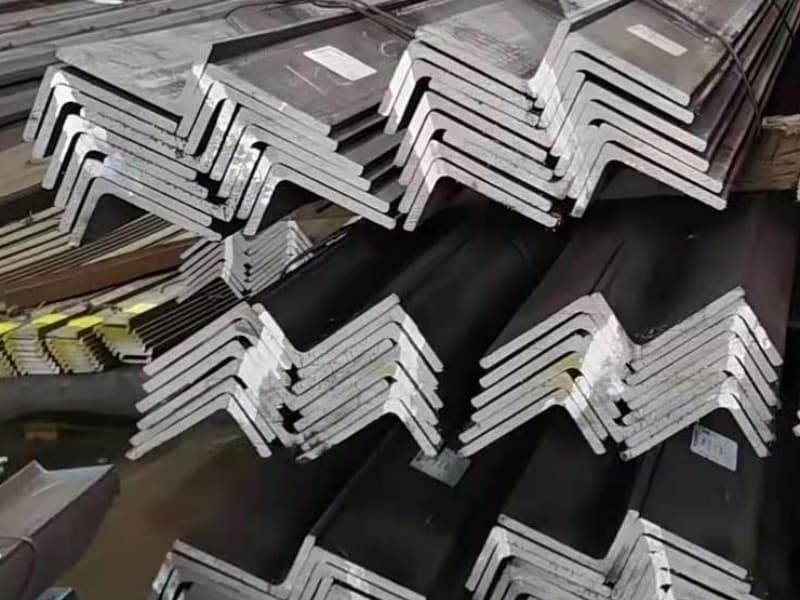
Practical Guidelines for 304 Stainless Steel in Marine Environments
Understanding where and how to use 304 stainless steel1 prevents costly mistakes while optimizing project budgets.
304 Stainless Steel Marine Application Guide
| Application Area | Suitability | Reasons | Maintenance Requirements | Alternative Materials |
|---|---|---|---|---|
| Interior cabins | Good | Limited salt exposure | Regular cleaning | Powder-coated carbon steel |
| Deck equipment | Moderate | Occasional salt spray | Frequent washing | 316 stainless, aluminum bronze |
| Freshwater tanks | Excellent | No chlorides | Minimal maintenance | Galvanized steel |
| Superstructure | Conditional | Location dependent | Protective coatings | Marine-grade aluminum |
| Hardware fittings | Limited | Crevice corrosion risk | Intensive maintenance | 316 stainless, copper alloys |
Interior applications represent the safest use for 304 stainless steel1. Inside the ship, away from saltwater spray, 304 performs adequately with minimal maintenance. We recommend it for cabin fixtures, furniture, and non-critical interior structures where appearance matters.
Deck equipment requires careful consideration. Equipment located away from direct wave action might use 304 stainless steel1 successfully. However, regular cleaning becomes essential to remove salt deposits that could initiate corrosion. For critical deck machinery, we always recommend upgrading to 316.
Freshwater systems are ideal for 304 stainless steel1. The absence of chlorides eliminates the risk of pitting corrosion. 304 provides excellent service in freshwater tanks, pipes, and related components without the extra cost of 316.
Superstructure elements need location-based decisions. Higher areas above the main deck experience less direct saltwater exposure. 304 may suffice for these applications, particularly with proper protective coatings. However, lower areas near the waterline should use more corrosion-resistant materials.
Hardware and fittings pose the greatest risk. Threaded connections, bolts, and complex shapes create crevices where corrosion can initiate. 304 stainless steel1 often fails in these applications due to crevice corrosion. We've replaced numerous 304 fittings that corroded within months of installation.
What is the best steel for ship building?
The "best" steel depends on your specific ship type, operating routes, and budget constraints. There's no single answer that fits all maritime applications.
The best steel for shipbuilding is AH36 high-strength steel for most commercial vessels. It offers excellent strength-to-weight ratio, good weldability, and classification society approvals. For specialized applications, consider DH36 for better low-temperature toughness or EH36 for enhanced impact resistance.
%[best shipbuilding steel grades](https://cnmarinesteel.com/wp-content/uploads/2025/10/Marine-angle-steel-37.jpg "Shipbuilding Steel Grades")
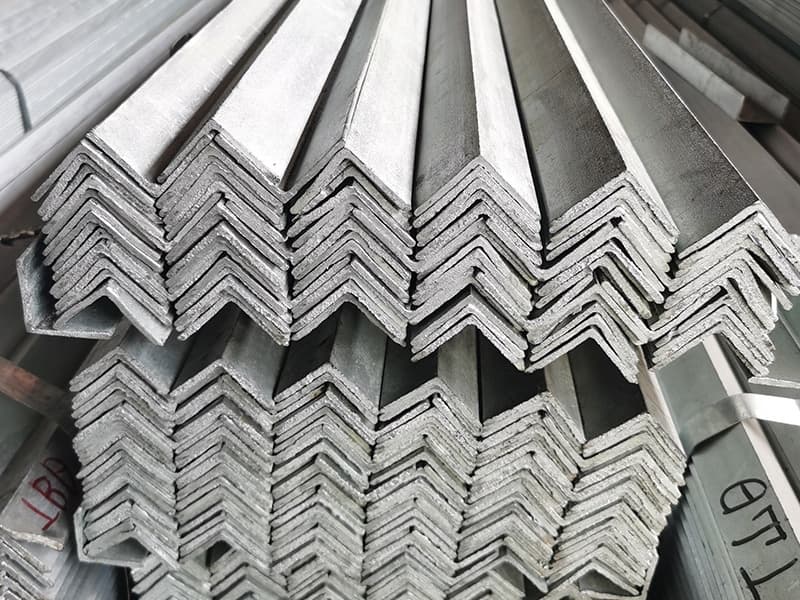
Comprehensive Guide to Shipbuilding Steel Selection
Choosing the right steel grade involves balancing multiple factors to meet your specific operational requirements.
Shipbuilding Steel Grade Comparison Table
| Steel Grade | Yield Strength | Impact Test Temperature | Key Applications | Cost Consideration |
|---|---|---|---|---|
| Grade A | 235 MPa | 0°C | Non-critical areas, inland vessels | Most economical |
| Grade B | 235 MPa | 0°C | General hull plating | Low cost |
| Grade D | 235 MPa | -20°C | Cold water operation | Moderate premium |
| Grade E | 235 MPa | -40°C | Arctic vessels | Higher cost |
| AH32 | 315 MPa | 0°C | Medium strength requirements | Cost-effective strength |
| DH32 | 315 MPa | -20°C | Enhanced toughness | Good value |
| AH36 | 355 MPa | 0°C | Main hull structures | Industry standard |
| DH36 | 355 MPa | -20°C | Advanced applications | Premium performance |
Grade A and B steels serve basic applications with minimal requirements. These grades work well for inland water vessels, small boats, and non-critical structures. They offer the most economical solution but lack the toughness for ocean-going vessels in harsh conditions.
Grade D and E steels provide improved low-temperature performance. The letter designation indicates progressively lower service temperatures. Grade D handles temperatures down to -20°C, while Grade E works at -40°C. These grades cost more but prevent brittle fracture in cold waters.
AH32 and DH32 grades offer higher strength with good toughness. The "H" indicates high strength, with numbers representing the minimum yield strength in MPa. AH32 provides 315 MPa yield strength, allowing thinner plates and weight savings. DH32 combines this strength with enhanced low-temperature toughness.
AH36 represents the industry standard for most commercial vessels. This grade provides 355 MPa yield strength with good overall properties. Most shipbuilders use AH36 for main hull structures, decks, and other critical components. It offers the best balance of strength, toughness, and cost.
DH36 and EH36 grades deliver premium performance for demanding applications. These grades combine high strength with superior low-temperature toughness. We recommend them for vessels operating in extreme conditions, such as ice-class ships or vessels serving Arctic routes.
Our experience with Gulf Metal Solutions demonstrated the importance of proper grade selection. They initially used standard Grade A steel for all applications but switched to AH36 after experiencing cracking in their vessels. The upgrade cost 15% more but extended service life by 40%.
Conclusion
Selecting the right marine angle steel requires careful consideration of grade, application, and environmental conditions to ensure long-term performance and safety.
-
Explore this link to understand the specific uses and limitations of 304 stainless steel in marine environments. ↩ ↩ ↩ ↩ ↩ ↩ ↩ ↩ ↩ ↩ ↩ ↩ ↩
-
This resource provides insights into best practices and alternatives for stainless steel in marine settings. ↩ ↩ ↩ ↩ ↩
-
Discover why 304 stainless steel is a preferred choice for freshwater systems and its maintenance requirements. ↩ ↩ ↩ ↩
-
Find out how fatigue resistance ensures the long-term structural integrity of vessels. ↩
-
Gain insights into the unique properties of marine-grade steel that make it suitable for shipbuilding. ↩