
Discovering that your L-shaped steel has incorrect chemistry after fabrication can be catastrophic. I’ve seen a shipyard in the Philippines face this exact problem, resulting in weld failures that required complete structural replacement.
To confirm the chemical composition of L-shaped steel, you must first verify the Mill Test Certificate (MTC) provided by the manufacturer, then use on-site testing methods like XRF analyzers for rapid verification, and finally consider laboratory analysis for critical applications. The MTC should detail all alloying elements like Carbon, Manganese, Silicon, Sulfur, and Phosphorus percentages against specified grade requirements. This three-step approach provides reliable verification for marine applications.

In my work with shipbuilders and fabricators across Asia and the Middle East, I’ve learned that verifying steel composition isn’t optional—it’s essential for safety and compliance. Let me share practical methods I’ve used to ensure the L-shaped steel we supply meets exact specifications.
How to check SS 3041 and 316?
A shipowner in Saudi Arabia once received stainless steel components marked as 316, but saltwater corrosion appeared within months. Testing revealed they were actually 304—a costly mistake that compromised their vessel’s integrity.
To distinguish between SS 3041 and 316, use a magnet test (304 is slightly magnetic, 316 is less magnetic), chemical spot tests2 with specific reagents, or an XRF analyzer3 for precise element detection. The key difference is molybdenum content4: 316 contains 2-3% Mo for superior corrosion resistance, while 304 has none. For L-shaped steel in marine applications5, this distinction is critical for saltwater exposure areas. Always verify with proper testing rather than relying solely on markings.
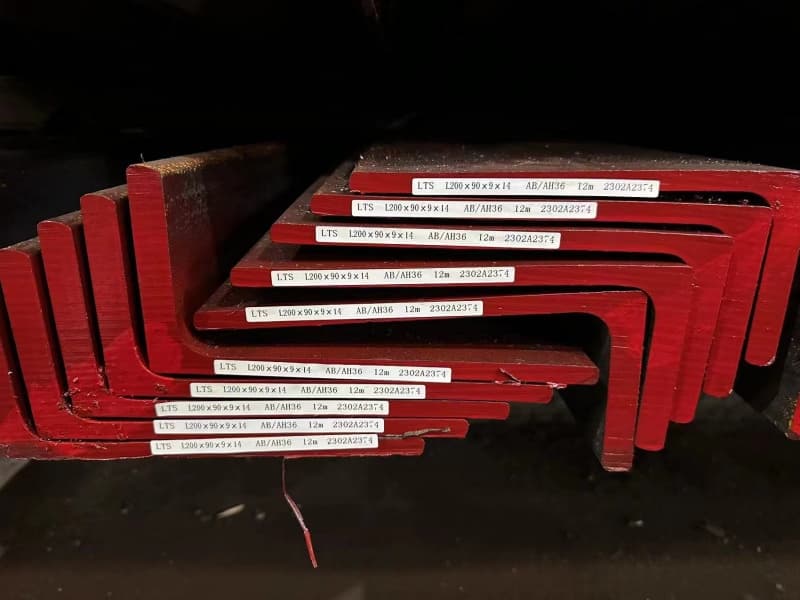
Practical Methods for Stainless Steel Verification
Based on my experience with marine projects, I’ve found these verification methods most effective for confirming stainless steel grades.
Simple Field Tests You Can Perform
These methods provide quick checks but have limitations:
-
Magnet Test (Basic Indicator):
-
Spark Test (Requires Experience):
-
Chemical Spot Tests:
- Molybdenum test solutions detect 316’s molybdenum content4
- Nickel test solutions verify both grades contain nickel
- Advantage: Relatively inexpensive and quick
Professional Testing Methods We Recommend
For marine applications5, these methods provide reliable results:
-
XRF Analyzer (X-ray Fluorescence):
- Portable devices give instant elemental analysis
- Detects Cr, Ni, Mo, and other elements
- Accuracy: Within 0.1% for most elements
- Our Practice: We use these for on-site verification before shipment
-
Laboratory Analysis:
- Optical Emission Spectrometry (OES) provides highest accuracy
- Typically used for certification and dispute resolution
- Cost: Higher but definitive for critical applications
Composition Comparison for Reference
| Element | SS 3041 Requirement | SS 3166 Requirement | Key Difference |
|---|---|---|---|
| Chromium (Cr) | 18-20% | 16-18% | Both provide corrosion resistance |
| Nickel (Ni) | 8-10.5% | 10-14% | Higher in 316 for better performance |
| Molybdenum (Mo) | None | 2-3% | Critical difference for saltwater resistance |
| Carbon (C) | ≤0.08% | ≤0.08% | Similar for weldability |
| Manganese (Mn) | ≤2% | ≤2% | Similar deoxidizer |
Application Considerations for Marine Use
From working with shipyards:
| Application Area | Recommended Grade | Why This Choice Matters |
|---|---|---|
| General marine hardware | SS 3166 | Superior saltwater corrosion resistance |
| Interior ship components | SS 3041 | Adequate for less corrosive environments |
| Chemical tankers | SS 3166 or higher | Resists specific cargo corrosion |
| Offshore platform splash zones | SS 3166 minimum | Withstands constant salt spray |
Verification Protocol We Follow
When clients like Gulf Metal Solutions order stainless L-shaped steel:
- Document verification: Check MTC against order requirements
- Marking verification: Confirm grade marking on material
- On-site testing: Use XRF analyzer3 for random sampling
- Third-party validation: Offer SGS inspection with composition testing
I recall a project in Qatar where the contractor doubted our stainless steel delivery. We brought an XRF analyzer3 to their site, tested multiple samples in front of them, and demonstrated that all met 316 specifications. This transparency built immediate trust and led to repeat business.
What is 12% Cr steel1?
A fabricator in Thailand was surprised when their "stainless steel" components rusted. They had received 12% Cr steel1 instead of proper stainless steel—a common confusion that highlights why understanding chromium content matters.
12% Cr steel1 refers to martensitic stainless steel2 containing approximately 12% chromium, offering moderate corrosion resistance3 and high strength after heat treatment. Unlike austenitic stainless steels (304, 316) with 18%+ Cr, 12% Cr steel1s are magnetic, hardenable, and used for cutlery, tools, and certain mechanical components rather than marine structural applications4 where higher corrosion resistance3 is required. For L-shaped steel in ships, this composition is generally unsuitable for exposed areas.
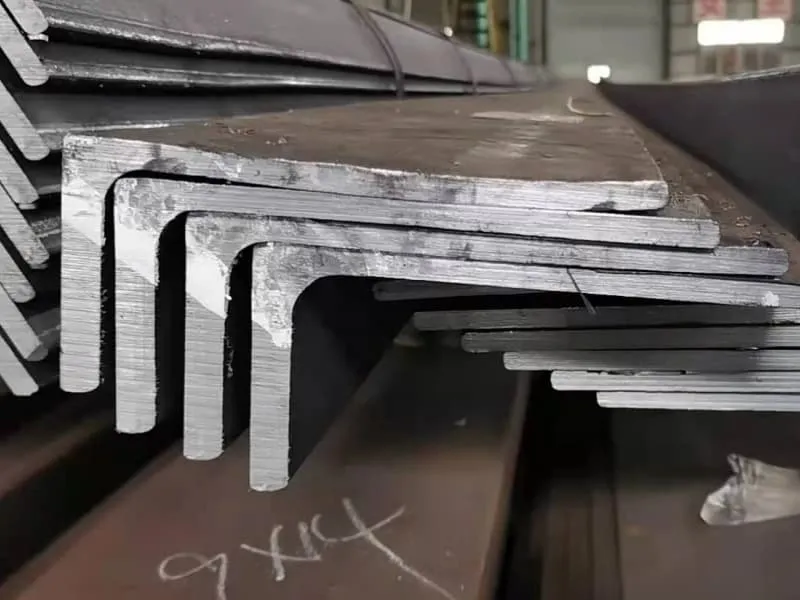
Understanding 12% Chromium Steel Characteristics
Based on technical discussions with metallurgists and practical experience, I’ve learned where these steels fit in industrial applications.
What Defines 12% Cr Steels
These steels belong to the martensitic stainless family:
- Chromium content: Typically 11.5-13.5%
- Carbon content: Varies from 0.15% to 0.65%+
- Magnetic properties: Strongly magnetic
- Corrosion resistance: Moderate, better than carbon steel but less than 300-series stainless
- Hardenability: Can be heat treated to high hardness levels
Common Grades and Applications
| Grade | Typical Composition | Common Applications |
|---|---|---|
| 410 | 11.5-13.5% Cr, 0.15% C | Cutlery, fasteners, pump parts |
| 420 | 12-14% Cr, 0.15-0.40% C | Surgical instruments, cutlery |
| 440C | 16-18% Cr, 0.95-1.20% C | High-end knives, bearings |
Why It’s Not Suitable for Most Marine Structural Uses
From my marine industry experience:
- Insufficient corrosion resistance3: Cannot withstand continuous saltwater exposure
- Weldability challenges: Prone to cracking without proper procedures
- Limited certification: Rarely approved by marine classification societies
- Brittleness concerns: Especially in thicker sections after heat treatment
Comparison with Marine Stainless Steels
| Property | 12% Cr Steel (e.g., 410) | SS 316 (Marine Grade) |
|---|---|---|
| Chromium Content | 11.5-13.5% | 16-18% |
| Nickel Content | ≤0.75% | 10-14% |
| Molybdenum | None | 2-3% |
| Corrosion Resistance | Moderate | Excellent |
| Magnetic Response | Strongly magnetic | Weakly magnetic |
| Primary Use | Tools, cutlery, some fasteners | Marine hardware, structural components |
Identification Methods for 12% Cr Steel
When verifying incoming material:
- Magnet test: Strong attraction indicates martensitic steel
- Spark test: Distinctive spark pattern compared to austenitic steels
- Chemical analysis: Only way to confirm exact chromium percentage
- Hardness testing: Typically harder than austenitic grades
Practical Procurement Advice
For marine L-shaped steel procurement:
- Specify clearly: Require "SS 316" not just "stainless steel"
- Request certifications: MTC must show exact composition
- Consider application: 12% Cr steel1 might work for interior, non-corrosive areas
- Verify independently: Use spot testing or XRF for critical applications
I once helped a client in Vietnam identify mislabeled steel. Their "stainless" angles were actually 12% Cr steel1. By showing them how to perform simple magnet and spot tests, we empowered them to verify future deliveries themselves, preventing similar problems.
What is a metal alloy that contains 88% Cu and 12% SN?
While inspecting bronze fittings for a ship in Malaysia, we discovered components labeled as "bronze" but testing revealed incorrect tin content. This experience taught me how important it is to verify non-ferrous alloys in marine applications.
An alloy containing 88% copper and 12% tin is traditionally called "bell metal1" or "tin bronze2," known for its hardness, resonance, and corrosion resistance3. In marine contexts, similar bronzes (typically 90% Cu, 10% Sn) are used for propellers, bearings, and seawater valves due to their excellent resistance to saltwater corrosion and anti-fouling properties. While not typically used for L-shaped structural steel, understanding alloy composition helps in verifying all marine materials.

Understanding Copper-Tin Alloys in Marine Applications
From supplying various marine components, I’ve learned how specific alloy compositions affect performance in seawater environments.
Traditional Bell Metal Characteristics
The 88Cu-12Sn composition creates specific properties:
- Hardness: Significantly harder than pure copper or lower-tin bronze2s
- Acoustic properties: Produces clear, resonant tones (hence "bell metal1")
- Corrosion resistance: Good resistance to seawater when properly formulated
- Machinability: Fair to poor due to hardness
Modern Marine Bronze Alloys
In actual shipbuilding, compositions often vary:
| Alloy Name | Typical Composition | Marine Applications |
|---|---|---|
| Naval Brass | 60% Cu, 39% Zn, 1% Sn | Fittings, fasteners |
| Aluminum Bronze | Cu + 5-11% Al | Propellers, pump parts |
| Manganese Bronze | 58% Cu, 39% Zn, 1-3% Mn | High-strength applications |
| Phosphor Bronze | Cu + 3.5-10% Sn + P | Bearings, springs |
Why Composition Matters in Marine Environments
Based on corrosion studies and practical experience:
- Tin content affects: Hardness and corrosion resistance3
- Zinc content affects: Strength and cost (but can cause dezincification)
- Aluminum content affects: Strength and corrosion resistance3
- Impurities matter: Even small amounts of certain elements can dramatically affect seawater performance
Verification Methods for Copper Alloys
When clients need to verify bronze components:
- Color and appearance: Different bronzes have distinct colors
- Density measurement: Composition affects density
- Chemical spot tests: Specific for copper, tin, zinc
- XRF analysis4: Most accurate for alloy verification
- Spark test: Different from ferrous materials
Common Marine Applications by Alloy Type
| Component | Recommended Alloy | Why This Composition Works |
|---|---|---|
| Propellers | Aluminum bronze (Cu-Al) | Strength, corrosion resistance3, cavitation resistance |
| Bearings | Phosphor bronze (Cu-Sn-P) | Wear resistance, low friction |
| Valves and fittings | Naval brass (Cu-Zn-Sn) | Good machinability, adequate corrosion resistance3 |
| Heat exchangers | 90-10 Cupronickel (Cu-Ni) | Excellent seawater corrosion resistance3 |
Procurement Considerations
For marine bronze components5:
- Specify exact alloy: Not just "bronze" but specific composition
- Request mill certificates: Even for non-ferrous materials
- Consider environment: Seawater vs. freshwater applications differ
- Test critical components: Especially for propulsion and steering systems
In my work with shipyards in the Middle East, I’ve seen how proper alloy selection prevents costly failures. One client in Qatar had repeated bearing failures until we helped them specify the correct phosphor bronze6 composition for their specific operating conditions.
How do you test to determine metals ingredients?
When a shipment of L-shaped steel arrived in Mexico with questionable documentation, we implemented a comprehensive testing protocol that identified inconsistent chemistry across different batches. This systematic approach saved the client from potential structural failures.
To determine metal ingredients accurately, use a combination of methods: start with spark testing for quick ferrous identification, proceed to chemical spot tests for specific elements, employ XRF analysis for non-destructive quantitative results, and for definitive analysis use laboratory Optical Emission Spectrometry (OES). For L-shaped steel certification, the Mill Test Certificate from the manufacturer should be verified with independent testing for critical applications. Each method has specific strengths for different verification needs.
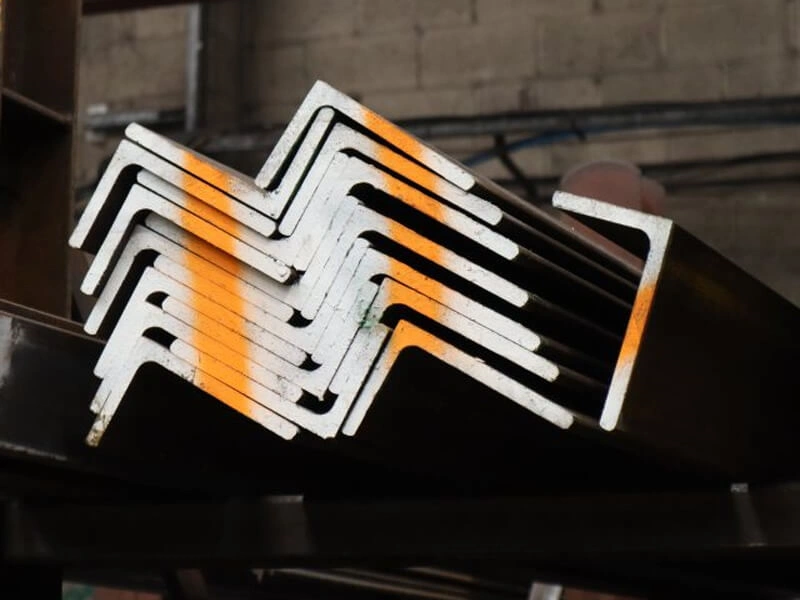
Comprehensive Metal Testing Methodology
Based on years of quality assurance experience, I’ve developed a systematic approach to metal verification that balances speed, accuracy, and cost.
Tiered Testing Approach for Different Needs
We categorize testing based on application criticality:
Level 1: Rapid Field Identification
For initial verification and sorting:
-
Visual Inspection:
- Color, surface characteristics
- Mill scale vs. clean surfaces
- Markings and stamps
-
Magnet Testing:
- Ferrous vs. non-ferrous
- Austenitic stainless identification
- Quick sorting of mixed materials
-
Spark Testing:
- Requires trained personnel
- Distinguishes between steel types
- Identifies approximate carbon content
Level 2: Semi-Quantitative Analysis
For most quality control applications:
-
Chemical Spot Tests:
- Specific reagents for elements
- Good for stainless steel verification
- Limited to surface analysis
-
Portable XRF Analyzers:
- Our standard for on-site verification
- Detects most elements above 0.1%
- Results in 30-60 seconds
- Non-destructive
Level 3: Definitive Laboratory Analysis
For certification and dispute resolution:
-
Optical Emission Spectrometry (OES):
- Highest accuracy (0.001% for some elements)
- Requires sample preparation
- Standard for mill certifications
-
Combustion Analysis:
- Specifically for Carbon and Sulfur
- Essential for steel grade verification
- Often combined with OES
Testing Method Comparison for Practical Use
| Method | Speed | Accuracy | Cost | Best For |
|---|---|---|---|---|
| Visual/Magnet | Instant | Low | Minimal | Initial sorting |
| Spark Test | 10-30 seconds | Medium | Low | Carbon steel ID |
| Chemical Spots | 1-5 minutes | Medium | Low-Medium | Stainless verification |
| Portable XRF | 30-60 seconds | High | Medium-High | On-site verification |
| Laboratory OES | 5-15 minutes | Very High | High | Certification, disputes |
Testing Protocol for L-Shaped Steel Verification
From our standard operating procedures:
-
Document Review:
- Verify MTC against purchase order
- Check heat numbers match material markings
- Confirm testing laboratory accreditation
-
Physical Verification:
- Check material markings and stamps
- Perform magnet test for steel type
- Verify dimensions and surface condition
-
Composition Verification:
- Use XRF analyzer on multiple samples
- Focus on critical elements (C, Mn, Si, P, S)
- For marine grades, verify Cr, Ni, Mo if applicable
-
Record Keeping:
- Document all test results
- Photograph test locations and results
- Maintain chain of custody for samples
Practical Testing Scenarios from Experience
| Scenario | Recommended Testing Approach | Expected Outcome |
|---|---|---|
| Routine incoming inspection | XRF on 5% of pieces | Confirm matches MTC |
| Grade verification dispute | Laboratory OES analysis | Definitive composition |
| Mixed material suspicion | Spark test + XRF all pieces | Identify different grades |
| Critical structural component | Full lab analysis + mechanical tests | Complete certification |
Cost-Benefit Considerations
In my experience with cost-conscious clients:
- XRF investment: ~$15,000-30,000 pays for itself quickly
- Laboratory testing: $100-300 per sample, worthwhile for disputes
- Prevention value: Catching one batch of wrong material saves thousands
When we work with clients like Gulf Metal Solutions, we provide testing protocols they can implement. We also offer third-party testing through SGS or similar services for additional assurance. This comprehensive approach gives our clients confidence in the L-shaped steel they receive for their marine projects.
Conclusion
Verifying L-shaped steel composition requires a systematic approach combining document verification, field testing methods like XRF analysis, and laboratory confirmation for critical applications, ensuring marine-grade materials meet exact specifications for safety and performance.
-
Explore the unique properties of bell metal, including its hardness and resonance, crucial for marine applications. ↩ ↩ ↩ ↩ ↩ ↩ ↩ ↩ ↩ ↩ ↩ ↩ ↩ ↩
-
Learn about tin bronze’s corrosion resistance and applications in marine settings, essential for shipbuilding. ↩ ↩ ↩ ↩
-
Understanding corrosion resistance is vital for selecting materials that withstand harsh marine conditions. ↩ ↩ ↩ ↩ ↩ ↩ ↩ ↩ ↩ ↩ ↩ ↩
-
Discover how XRF analysis provides accurate results for verifying alloy compositions, ensuring quality in marine applications. ↩ ↩ ↩ ↩
-
Explore essential procurement considerations to ensure the right alloy selection for marine applications. ↩ ↩ ↩
-
Phosphor bronze offers excellent wear resistance and low friction, making it ideal for marine components. ↩ ↩ ↩ ↩ ↩ ↩ ↩