
Steel prices have jumped 40% in six months. You have a ship to build. Your budget is blown. You need a way to control costs.
To control marine steel plate costs in a volatile market, use long-term frame agreements with fixed prices, centralize bulk purchasing to get volume discounts, include price hedging and indexation clauses in contracts, and reduce waste through strategic inventory and standardized sizing. These strategies keep your steel costs predictable.
I am Zora Guo from cnmarinesteel.com. I have seen steel prices swing by 30‑50% in a single year. The shipyards that survive are the ones that plan ahead. Let me show you how to take control of your steel costs, no matter what the market does.
How Do Long‑Term Frame Agreements and Fixed‑Price Contracts Lock in Stable Steel Costs Despite Market Swings?
You buy steel on the spot market. Today’s price is one number. Next month’s price is another. You never know what you will pay.
Long-term frame agreements (LTAs) with fixed prices lock in your steel cost for 12‑24 months. When spot prices spike, you pay the contract price. When spot prices drop, you pay the contract price. You trade the chance of a lower price for protection against a higher price. For a 5,000‑ton project, a $100/ton price spike protection saves $500,000. In a volatile market, the fixed price is often lower than the average spot price over the contract period. LTAs also guarantee mill capacity, so you get steel when others are waiting.
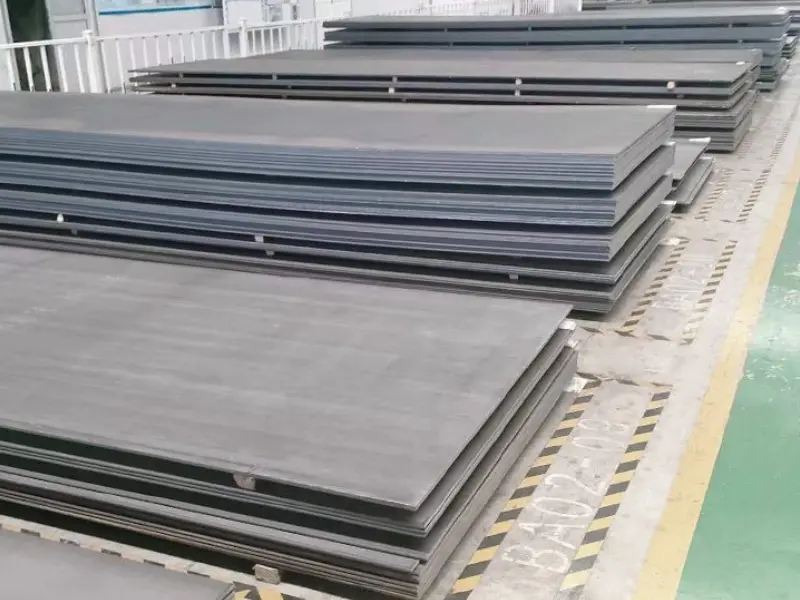
Let me explain how fixed-price LTAs work.
How Fixed-Price LTAs Work
An LTA is a contract between you (or your supplier) and a mill for a fixed volume over a fixed period. The price is set at the time of signing and does not change, regardless of market movements.
What you get:
- Price stability — You know exactly what your steel will cost for the life of the agreement.
- Budget certainty — No surprise price increases mid-project.
- Priority allocation — The mill reserves capacity for you.
What you give:
- You pay the contract price even if spot prices drop below your LTA price.
- You commit to a minimum volume.
The Numbers
In a volatile market, fixed-price LTAs protect your budget. Here is a real example from the first half of 2026.
Steel and shipbuilding industries in Asia settled on a supply price for thick plates in the mid‑800,000 won per ton range. The steel industry argued that rising raw material costs, industrial electricity rates, and logistics made price increases unavoidable. Shipbuilders advocated for price freezes. The settlement was a slight increase, but it was limited by the LTA structure.
In a spot market, the price would have been higher because of the raw material cost increases. The LTA protected the shipbuilders from the full impact of those increases.
When to Sign an LTA
The best time to sign an LTA is when steel prices are low or stable. But even in a rising market, an LTA protects you from further increases. I have seen shipyards sign LTAs at $780/ton while spot prices were $820/ton. Six months later, spot prices hit $950/ton. The LTA saved them $170/ton on thousands of tons.
A Real Example
A shipyard in Malaysia signed a 12-month LTA for 8,000 tons of AH36 plates at $790/ton. Six months later, spot prices hit $930/ton due to raw material shortages. The shipyard saved $140/ton on 4,000 tons — $560,000. The supplier honored the contract because the volume commitment was valuable.
What Role Does Centralized Bulk Purchasing Play in Reducing Per‑Ton Plate Costs and Supplier Complexity?
You order 50 tons for one project, 30 tons for another, 20 tons for a third. Three separate orders. Three small quantities. Three premium prices.
Centralized bulk purchasing combines all your steel requirements into one large order. Instead of buying 50 tons at $800/ton, 30 tons at $820/ton, and 20 tons at $840/ton, you buy 100 tons at $780/ton. Bulk discounts can save 3‑8% on material cost. Centralization also reduces supplier complexity — one purchase order instead of three, one delivery instead of multiple, one invoice instead of a stack. For a shipyard building multiple vessels, centralized purchasing can save $100,000‑500,000 per year.
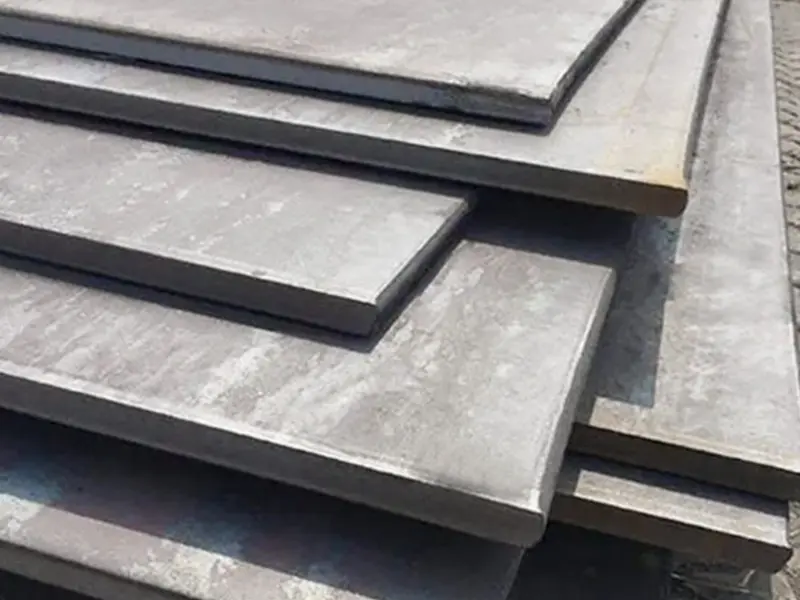
Let me show you the math.
Volume Discounts — The Math
Mills have price breaks based on order size. A 20‑ton order costs more per ton than a 100‑ton order because the mill’s fixed costs are spread over fewer tons.
Example price table:
| Order size (tons per grade/thickness) | Price per ton |
|---|---|
| 20‑49 tons | $840 |
| 50‑99 tons | $800 |
| 100‑199 tons | $770 |
| 200+ tons | $750 |
If you combine three small orders into one 100‑ton order, you save $40‑$70 per ton.
Supplier Complexity — The Hidden Cost
Every additional supplier adds overhead:
- More purchase orders to process
- More invoices to match
- More suppliers to qualify and monitor
- More delivery schedules to track
Centralized purchasing with one or two suppliers reduces administrative overhead by 30‑50%.
How to Implement Centralized Purchasing
Step 1 — Forecast total steel requirements across all projects for the next 12 months.
Step 2 — Combine requirements by grade and thickness. If Project A needs 40 tons of 12mm AH36 and Project B needs 60 tons of 12mm AH36, combine them into a 100‑ton order.
Step 3 — Place one order with your supplier, with phased delivery instructions.
A Real Example
A shipyard in Vietnam used to place separate orders for each vessel. They switched to centralized bulk ordering. Over 12 months, they saved $120,000 in volume discounts and reduced procurement staff time by 40%.
How Can Price Hedging, Indexation Clauses, and Flexible Contract Models Protect Shipyards from Sudden Price Spikes?
Fixed-price LTAs are great, but not all contracts are fixed. Some use indexation or allow hedging.
Price hedging uses financial instruments (like futures or options) to lock in steel prices. Indexation clauses tie the steel price to a published index (like the Platts billet index or a regional steel index). When the index rises, the steel price rises by a percentage. When the index falls, the steel price falls. This shares the risk between buyer and seller. Flexible contract models allow price adjustments based on raw material costs — if billet prices rise, the steel price rises; if they fall, the steel price falls. These models protect shipyards from sudden spikes while keeping prices fair for suppliers.
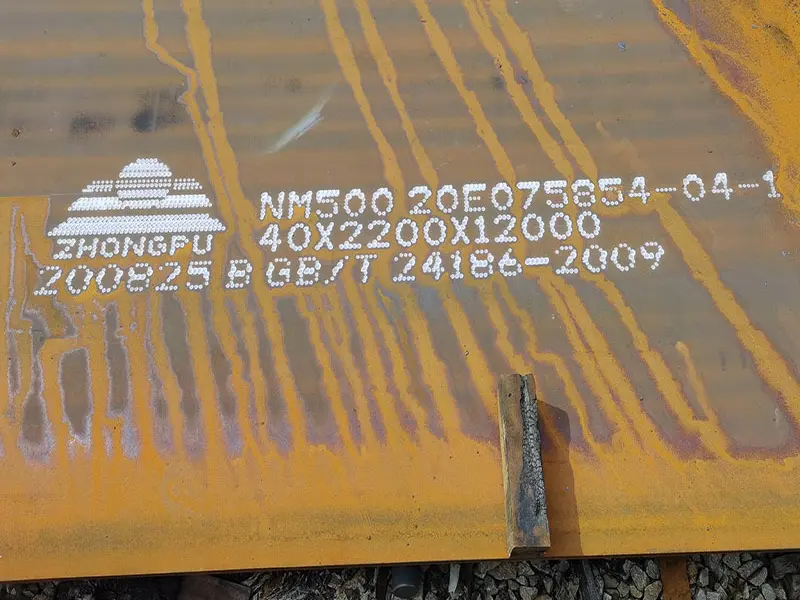
Let me explain each model.
Price Hedging
Hedging means buying a financial contract that offsets the risk of price increases. If you are a shipyard, you can buy steel futures or call options.
How it works: You buy a futures contract that locks in a price for steel delivered at a future date. If steel prices rise, your futures contract gains value, offsetting the higher cost of physical steel. If prices fall, you lose on the futures contract but pay less for physical steel.
Reality check: Most shipyards do not have the expertise or capital for financial hedging. Hedging is more common for large EPC contractors or trading firms.
Indexation Clauses
Indexation clauses are simpler. The steel price is set at the time of signing, but it is adjusted based on changes in a published raw material index.
Example clause: “The price of AH36 plates shall be $780/ton, adjusted quarterly based on the change in the Platts billet index. If the billet index rises by 10%, the plate price rises by 8%. If the billet index falls by 10%, the plate price falls by 8%.”
Pros: Both sides share the risk. You are protected from extreme spikes.
Cons: Your price is not fixed. You cannot guarantee your budget.
Flexible Contract Models
Some contracts allow price adjustments based on actual raw material costs. The supplier provides documentation of their raw material costs, and the steel price is adjusted accordingly.
This is rare in marine steel because mills are reluctant to open their books. But it is used in some long‑term partnerships.
A Real Example
A shipyard in South Korea used an indexation clause tied to the Korean billet index. When billet prices rose 15%, the steel price rose 12%. The shipyard knew the increase was coming and adjusted their bid pricing accordingly. They did not have a sudden 25% spike that they could not explain.
Why Does Strategic Inventory Management, Standardized Sizing, and Waste Reduction Help Control Overall Steel Costs?
You buy steel. You use some. You waste some. The waste is money you cannot get back.
Strategic inventory management means keeping the right amount of steel on hand — enough to cover production but not so much that you tie up capital or lose steel to rust. Standardized sizing reduces the number of different plate sizes you order, which increases volume discounts and reduces complexity. Waste reduction through better nesting and remnant tracking cuts scrap by 5‑10%. Together, these strategies can reduce total steel cost by 10‑15% without changing the price per ton. They are cost controls that do not depend on the market.
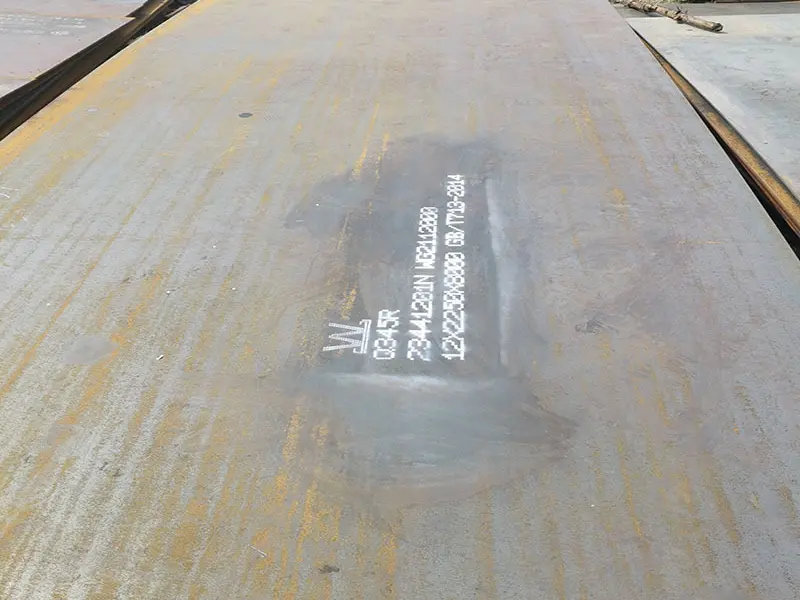
Let me explain each strategy.
Strategic Inventory Management
Holding steel costs money. The average holding cost is 15‑25% of the steel value per year. If you hold 500 tons of steel at $800/ton, the holding cost is $60,000‑100,000 per year.
What to do: Keep 4‑8 weeks of steel for common sizes. Use phased deliveries for the rest. Work with your supplier on VMI (Vendor Managed Inventory) so they hold the steel and you pay when you use it.
Standardized Sizing
The more different sizes and grades you use, the more expensive your procurement becomes. Standardize on a few plate sizes and grades.
Example: Instead of using 10mm, 11mm, 12mm, 13mm, use 10mm and 12mm. Instead of using A, AH32, and AH36, use A and AH36 only.
Benefits: Fewer different plates to order → higher volume per size → lower per-ton cost. Lower cost is the goal.
Waste Reduction
Scrap is steel you pay for but cannot use. Typical scrap in shipbuilding is 8‑12%. With better nesting and remnant tracking, you can reduce scrap to 5‑7%.
How to reduce waste:
- Better nesting — Use nesting software to arrange parts efficiently.
- Remnant tracking — Keep a log of leftover pieces. Use them for small parts.
- Cutting optimization — Plan the cutting sequence to minimize kerf loss.
The Combined Effect
| Strategy | Potential savings |
|---|---|
| Strategic inventory | 20‑40% reduction in holding costs |
| Standardized sizing | 3‑5% reduction in material cost |
| Waste reduction | 5‑10% reduction in scrap |
Combined, these can reduce total steel cost by 10‑15%.
A Real Example
A shipyard in Thailand reduced their inventory from 3 months of consumption to 6 weeks. They standardized on 5 plate sizes instead of 12. They implemented nesting software and remnant tracking. Total steel cost dropped by 12% without changing their supplier or the market price.
Conclusion
Control marine steel plate costs in a volatile market with long‑term fixed‑price agreements, centralized bulk purchasing, price protection clauses, and inventory waste reduction. These strategies protect your budget no matter what the market does.